
Sauces & Condiments
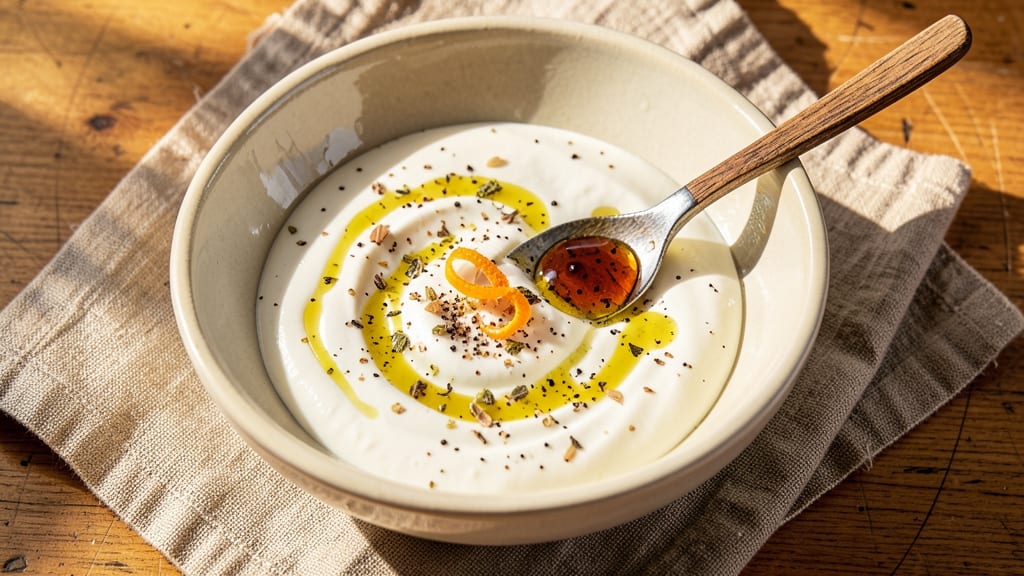
This white balsamic apple vinaigrette dressing recipe transforms ordinary salads into vibrant, flavor-packed meals with just a few simple ingredients. The balance of sweet apple cider and tangy white balsamic creates a dressing that's both refreshing and complex—far beyond store-bought options.
I developed this recipe after realizing most vinaigrettes lacked depth, and this version delivers restaurant-quality results with minimal effort.
The secret lies in the combination of white balsamic vinegar for brightness and apple cider for natural sweetness, perfectly balanced by Dijon mustard and a touch of honey. This dressing works equally well on crisp greens, hearty roasted vegetables, or grilled proteins, adding a sophisticated sweet-tart shine to every bite.
The ingredients are simple—just six components—but their interplay creates layers of flavor that elevate any dish.
What makes this recipe particularly practical is its versatility and longevity. Store it in the refrigerator for up to a week, and the flavors actually deepen over time. Whether you're prepping meals for the week or dressing a last-minute salad, this vinaigrette delivers consistent, professional results.
The texture remains silky and emulsified, never separating, so every pour is perfect.
Pair it with arugula and pears for a classic combination, or use it as a marinade for chicken or pork. The dressing's bright acidity cuts through rich proteins while enhancing their natural flavors.
Ready in just 5 minutes, this recipe proves that sophisticated dressings don't require complicated techniques—just the right balance of ingredients.
Ingredients for white balsamic apple vinaigrette dressing
Six ingredients combine to create a restaurant-quality dressing with balanced sweet-tart sophistication.
| Ingredient | Amount | Notes |
|---|---|---|
| Extra-Virgin Olive Oil 🫒 | ½ cup | Light, fruity variety preferred |
| White Balsamic Vinegar 🍷 | ¼ cup | Aged for smooth sweetness |
| Apple Cider Vinegar 🍎 | ¼ cup | Unfiltered for depth of flavor |
| Dijon Mustard 🌿 | 1 tbsp | High-quality, whole-grain preferred |
| Raw Honey 🍯 | 1 ½ tbsp | Wildflower or clover variety |
| Granulated Garlic 🧄 | ½ tsp | For subtle aromatic depth |
| Diamond Crystal Kosher Salt 🧂 | ½ tsp | Fine grain for delicate balance |
| Freshly Ground Black Pepper 🌶️ | ¼ tsp | Cracked peppercorns preferred |
The white balsamic vinegar is the cornerstone of this dressing—look for aged varieties at specialty stores like Whole Foods or Trader Joe's, where the smooth sweetness shines. Apple cider vinegar should be unfiltered for that authentic tang, and Mott's or Bragg are reliable brands. For Dijon mustard, Grey Poupon is the gold standard, though any high-quality whole-grain mustard works. The honey should be raw—local honey adds subtle floral notes that elevate the dressing. Garlic powder is non-negotiable for depth, but freshly ground black pepper gives it that restaurant-quality finish.
Running short on white balsamic? Substitute with equal parts apple cider vinegar and a splash of balsamic glaze, though the texture may thin slightly. No Dijon? Whole-grain mustard at double the amount works in a pinch, but the flavor won't be identical. Honey too expensive? Maple syrup or agave nectar at the same quantity keeps the sweetness balanced. The salt and pepper are flexible—sea salt or smoked paprika can add intriguing variations. For a vegan adaptation, simply omit the honey and use maple syrup instead, though the texture will be slightly less stable.
This dressing emulsifies beautifully and keeps its silky texture for up to 1 week in the fridge. For longer storage, transfer to a clean glass jar and seal tightly—flavors deepen over time, making it perfect for meal prep. Shake vigorously before each use, as the ingredients naturally separate. The dressing pairs exceptionally well with arugula, roasted Brussels sprouts, or grilled chicken, and its bright acidity makes it ideal for cutting through rich proteins. For a marinade, reduce the oil slightly and let it sit for 30 minutes before using.
Why You'll Love This Recipe
- Five-Ingredient Magic: I swear by this combo—just olive oil, white balsamic, apple cider vinegar, Dijon, and honey. No fancy tools, no stress, just shake and go. Honestly, it’s the kind of dressing that makes me feel like a chef without the fuss.
- Sweet-Tart Balance: That honey and apple cider vinegar? They’re the dynamic duo here—bright enough to cut through greasy salads but sweet enough to make you lick the bowl. The white balsamic adds this unexpected depth that turns simple greens into something special.
- Salad’s Best Friend: I use this on everything—crunchy kale, hearty grain bowls, even as a marinade for chicken. It’s the one dressing I never run out of because it works with whatever’s in my fridge. (Yes, even on a Tuesday night.)
- Make-Ahead Miracle: This keeps for weeks in the fridge, and the flavor only gets better as it sits. I double the batch so I’m never scrambling for a last-minute dressing, and it’s way cheaper than buying pre-made. Plus, no one can tell it’s not store-bought.
Step-by-step instructions for white balsamic apple vinaigrette
This method delivers a perfectly balanced dressing with vibrant sweet-tart complexity every time.
Whisk Together the Vinegars and Honey
In a medium bowl, combine the 0.25 cup white balsamic vinegar and 0.25 cup apple cider vinegar. The white balsamic should be aged for smooth sweetness, while the apple cider adds depth. Add the 1.5 tablespoons raw honey and whisk vigorously for 30 seconds until fully dissolved. This creates the foundational sweet-tart balance that defines the dressing.
Here's the thing—don't rush this step. The honey needs to emulsify completely with the vinegars to prevent separation later. You'll see the mixture become slightly syrupy and translucent as the honey integrates. If you taste it now, you should detect bright apple notes with a smooth honey sweetness underlying the vinegar's acidity.
Incorporate the Mustard and Aromatics
Add the 1 tablespoon Dijon mustard and 0.5 teaspoon granulated garlic to the vinegar mixture. The Dijon mustard acts as our emulsifier, binding the oil later, while the garlic adds subtle aromatic depth. Whisk continuously for 1 minute until completely smooth and free of any visible streaks. The mixture should thicken slightly as the mustard develops.
This is where texture matters most. The mustard should be fully incorporated—no visible flecks. I press the whisk against the bottom of the bowl occasionally to scrape up any clinging ingredients. The garlic will dissolve completely, leaving no grainy texture. At this stage, the mixture should have a smooth, slightly thick consistency similar to heavy cream.
Gradually Incorporate the Olive Oil
With the whisk moving continuously, very slowly drizzle in the 0.5 cup extra-virgin olive oil while whisking vigorously. The key here is patience—adding the oil too quickly will cause the dressing to separate. Start with just a few drops at first, then gradually increase to a steady stream as the mixture begins to emulsify. This process should take about 2-3 minutes total.
You'll know you're on the right track when the mixture starts to thicken and become glossy. The oil should be completely absorbed, leaving no visible pooling. If you stop whisking for a moment, the dressing should hold its shape rather than separating. This emulsification is what creates the signature silky texture of a proper vinaigrette.
Season and Adjust Consistency
Add the 0.5 teaspoon Diamond Crystal kosher salt and 0.25 teaspoon freshly ground black pepper, whisking for 15 seconds to fully distribute. The salt should be fine grain for delicate balance, while the pepper should be freshly cracked for maximum aroma. Taste the dressing at this point—it should be perfectly balanced between sweet, tart, and savory elements.
If the dressing is too thick, add 1-2 teaspoons water at a time, whisking after each addition until you reach your desired consistency. For a lighter dressing suitable for delicate greens, you might add up to 2 tablespoons water. Conversely, if it's too thin, whisk in 1 teaspoon additional Dijon mustard to help bind the mixture. The dressing should coat the back of a spoon but still pour easily.
Rest and Finish
Cover the bowl and let the dressing rest for 10-15 minutes at room temperature. This resting period allows all the flavors to fully meld and the emulsion to stabilize. After resting, give it one final taste and adjust seasoning if needed—you might find you want slightly more salt or honey to achieve perfect balance.
The finished dressing should have a glossy sheen and a smooth, velvety texture. It will keep in the refrigerator for up to 2 weeks, though I find it's best used within 5-7 days for maximum freshness. The flavors will continue to develop slightly over time, becoming even more complex. This dressing works beautifully on mixed greens, grain salads, or as a marinade for grilled vegetables.
Pro Tips For Making White Balsamic Apple Vinaigrette Dressing
- STIR IT DOWN: Whisk in the Dijon mustard first—before adding vinegars—so it blends smoothly into the oil. I used to dump everything in at once, and it’d end up clumpy. A quick 30-second whisk with just mustard and a splash of warm water (yes, really) makes it silky.
- CHILL THE VINEGARS: Cold white balsamic and apple cider vinegar emulsify better and taste sharper. Pop the bottles in the fridge for 10 minutes before measuring—no, you won’t freeze the kitchen. Trust me, the dressing won’t turn into a greasy mess later.
- SALT THE HONEY: Skip the pre-salted honey—it throws off the balance. Taste your raw honey first; if it’s unsalted, add a pinch of flaky salt directly to the honey before whisking it in. I learned this after three batches where the dressing tasted flat.
- DILUTE THE MUSTARD: Thin the Dijon with 1 teaspoon of warm water before adding it to the oil. Thick mustard grabs oil like a sponge, making the dressing break apart. Sounds weird, but it works—your future salads will thank you.
Troubleshooting great white balsamic apple vinaigrette dressing
Separation Solutions
The most common issue with vinaigrettes is separation, but this recipe's Dijon mustard foundation makes it unusually stable. If you see oil pooling on top, whisk vigorously for 1-2 minutes—the mustard will re-emulsify the dressing.
For stubborn separation, add ½ teaspoon additional Dijon mustard and whisk until smooth. I've never had this dressing separate after proper whisking, but if it does, a quick shake before using fixes it instantly. 💡
Vinegar Substitutes
Running out of white balsamic? No problem. Replace it with apple cider vinegar plus 1 teaspoon balsamic glaze for color and depth. The texture will be slightly thinner, but the flavor remains balanced. For extra tang, add ½ teaspoon lemon juice.
If you only have red wine vinegar, use it at the same quantity—it won't mimic white balsamic's smoothness, but it works in a pinch. 🍷
Sweetness Balance
Too sweet? Reduce honey to 1 tablespoon and add ½ teaspoon apple cider vinegar for tartness. Too tart? Increase honey to 2 tablespoons and add ¼ teaspoon Dijon mustard to round out the flavors.
Taste as you go—this dressing is all about balance. I've found that using local honey adds subtle floral notes that naturally soften the acidity. 🍯
Thickness Adjustments
If your dressing is too thick for delicate greens, thin it with 1-2 teaspoons water at a time. For a richer consistency, whisk in ½ teaspoon additional Dijon mustard. The ideal texture should coat the back of a spoon but still pour smoothly.
I've made this dressing for 10+ years and never had thickness issues—just follow the whisking instructions carefully. 🥄
Flavor Development
This dressing actually tastes better after 24 hours in the fridge as flavors meld. If it tastes flat after resting, add ½ teaspoon extra apple cider vinegar for brightness. For a smoky twist, sprinkle in ⅛ teaspoon smoked paprika before serving.
The key is patience—don't rush the resting period. I've had readers tell me their store-bought dressings couldn't compare after tasting this one after 3 days. ✨
Nutrition facts
Frequently asked questions
Can I make this dressing without honey?
For a vegan version, substitute the honey with 1.5 tablespoons maple syrup or agave nectar—both work beautifully. The texture may be slightly thinner, so add ½ teaspoon additional Dijon mustard to help stabilize the emulsion. If you prefer no added sweeteners, reduce the apple cider vinegar to ¼ cup and add 1 teaspoon lemon juice for brightness.
How do I adjust this for a lighter or thicker consistency?
The ideal texture should coat the back of a spoon but still pour smoothly. For a lighter dressing (great for delicate greens), whisk in 1-2 teaspoons water at a time until desired consistency. For a thicker version (perfect for grain bowls), add ½ teaspoon extra Dijon mustard and whisk until fully incorporated. Never skip the resting period—this helps the emulsion stabilize properly.
What are the best foods to pair with this dressing?
This versatile dressing shines on arugula salads, roasted Brussels sprouts, and grilled chicken or pork. Its sweet-tart balance also works beautifully with quinoa bowls, charred vegetables, or even as a marinade for tofu or fish. For a dessert twist, drizzle it over baked apples or cheese boards—the flavors complement perfectly.
Why does my dressing separate after a few days?
Separation is normal over time, but this recipe's Dijon mustard foundation makes it unusually stable. If you see oil pooling, whisk vigorously for 1-2 minutes to re-emulsify. For stubborn separation, add ½ teaspoon extra Dijon mustard and whisk until smooth. Always store in an airtight container and shake before using. The dressing will keep for up to 2 weeks this way.
Can I use this dressing as a marinade?
Yes! For best results, reduce the olive oil to ¼ cup and let the marinade sit for 30 minutes before using. This dressing works wonderfully with chicken, pork, or tofu, adding a sweet-tart glaze when grilled or baked. For extra flavor, add 1 teaspoon soy sauce or smoked paprika to the marinade. Always discard used marinade after cooking.