
Salads
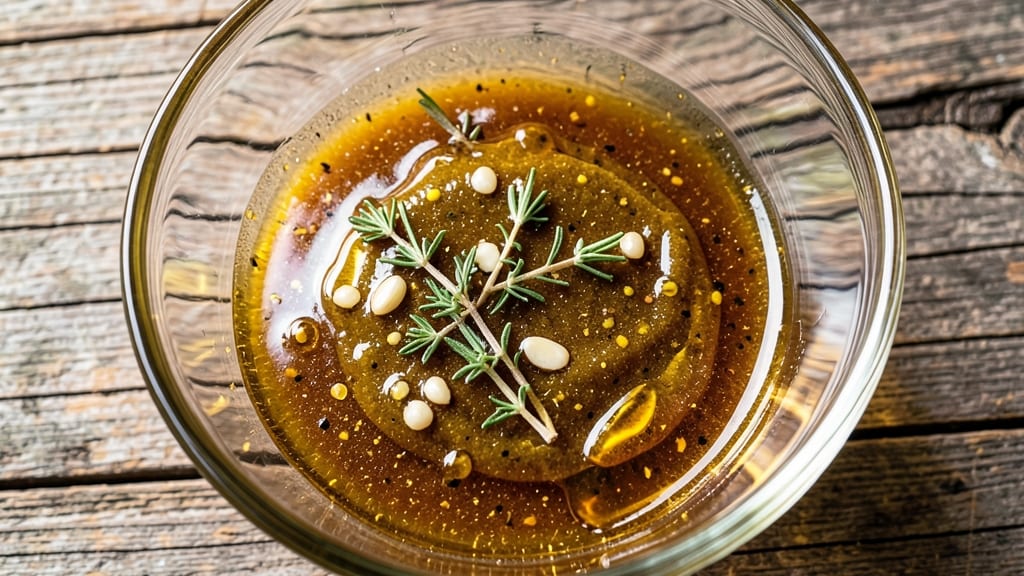
This apple cider vinegar and olive oil salad dressing recipe transforms simple ingredients into a bright, tangy elixir that elevates every salad.
The perfect balance of sharp vinegar and rich olive oil creates a dressing that's bold yet versatile, with just the right amount of zing to cut through greens and vegetables.
What makes this recipe stand out is its simplicity—no fancy emulsifiers needed, just a whisk and a few minutes of your time.
The foundation is built on high-quality extra-virgin olive oil and raw apple cider vinegar, both of which should be the stars of this dressing. For extra depth, a touch of Dijon mustard acts as a natural emulsifier, while fresh herbs like thyme or rosemary add aromatic complexity.
The beauty of this recipe lies in its adaptability—you can customize it with garlic, honey, or even a pinch of smoked paprika to suit your taste.
What you'll end up with is a dressing that's creamy yet tangy, with a glossy finish that clings beautifully to leaves and vegetables. It's the kind of dressing that makes even the simplest salad feel gourmet, and it keeps well in the fridge for up to two weeks.
The emulsification is effortless, thanks to the mustard, so you won't have to worry about separation.
Whether you're dressing a hearty kale salad, a refreshing cucumber dish, or even drizzling it over roasted vegetables, this dressing delivers consistent flavor and texture. The ratios are foolproof, making it easy to scale up or down depending on your needs. Let's get started!
Ingredients for apple cider vinegar and olive oil salad dressing
Nine simple ingredients transform into a bright, tangy dressing that elevates every salad.
| Ingredient | Amount | Notes |
|---|---|---|
| Extra-Virgin Olive Oil 🫒 | ¾ cup | High-quality, fruity variety |
| Raw Apple Cider Vinegar 🍏 | ½ cup | Unfiltered for best flavor |
| Dijon Mustard 🥫 | 1 tbsp | For natural emulsification |
| Fresh Thyme Leaves 🌿 | 1 tbsp | Or 1 tsp dried thyme |
| Garlic Cloves 🧄 | 2 cloves | Minced or pressed |
| Raw Honey 🍯 | 1 tbsp | Or maple syrup for vegan |
| Sea Salt 🧂 | ½ tsp | Fine grain preferred |
| Freshly Ground Black Pepper 🌶️ | ¼ tsp | Freshly cracked |
| Smoked Paprika 🌶️ | ¼ tsp | Optional for depth |
| Water 💧 | 2 tbsp | For thinning if needed |
The olive oil and apple cider vinegar are the stars here—look for extra-virgin olive oil with a fruity aroma (not harsh or bitter) and raw, unfiltered vinegar for that authentic tang. Trader Joe's has great options for both, or check the bulk bins at Whole Foods if you want to splurge. Fresh thyme is ideal, but dried works in a pinch—just use one-third the amount. The garlic adds depth, so don't skip it unless you're sensitive to its flavor. For honey, grab a small jar of local honey if you can—it makes a difference in the final taste.
No Dijon mustard? Whisk together 1 tbsp regular mustard with 1 tsp vinegar to mimic its tangy kick. Short on thyme? Fresh rosemary or basil work beautifully—just adjust to taste. The honey can be swapped for maple syrup or agave if you're avoiding it. Smoked paprika is optional but adds a nice depth—if you don't have it, a pinch of liquid smoke does the trick. The water is just for thinning if your dressing ends up too thick, but honestly, this ratio usually hits the spot perfectly.
This dressing keeps beautifully—up to 2 weeks in the fridge in a sealed jar. If it separates, just give it a good whisk before using. For extra convenience, portion it into small jars or containers so you can grab exactly what you need. The flavors actually improve over time, so make a big batch and enjoy it all week. If you want to experiment, try adding a pinch of ground cinnamon or a dash of lemon juice for a twist.
Why You'll Love This Recipe
- No-Fuss Whisking: I swear by this—just toss everything into a jar, shake it like you’re trying to wake up your neighbor, and boom. No strainers, no blenders, no waiting. The Dijon mustard emulsifies the olive oil and vinegar faster than I can say "salad night."
- Herb-Packed Punch: That fresh thyme and minced garlic? It’s the secret weapon. The vinegar cuts through the richness of the olive oil, while the thyme adds this bright, earthy note that makes it taste like you actually cooked something—even though you didn’t.
- Jar-to-Jar Magic: Between us, this dressing is my meal prep MVP. Make a big batch, store it in the fridge, and pour it over greens, roasted veggies, or even grilled chicken all week. The garlic and thyme flavors only get better with time—honestly, it’s the only dressing I bother keeping in my fridge.
- Pocketbook Performer: Olive oil and vinegar are cheap, but they feel fancy. A little goes a long way, so you’re not dumping money on store-bought bottles that taste like regret. Plus, the Dijon mustard adds depth without breaking the bank—this is the kind of dressing that makes you feel like you’re eating well without overspending.
Step-by-step instructions for apple cider vinegar and olive oil salad dressing
This tangy, bright dressing comes together in minutes with just a few simple steps.
Whisk Together the Wet Ingredients
In a medium bowl, combine the 0.75 cup extra-virgin olive oil with the 0.5 cup raw apple cider vinegar. Start by pouring the vinegar into the oil slowly while whisking continuously. This helps create a smooth emulsion right from the beginning, preventing separation later. You'll notice the mixture starts to thicken slightly as the vinegar begins to break down the oil molecules.
Next, add the 1 tablespoon raw honey and whisk until fully dissolved. The honey will help balance the acidity of the vinegar while adding a subtle sweetness. If you're using maple syrup instead, add it now and whisk until smooth. The mixture should now have a slightly syrupy consistency with a glossy sheen.
Incorporate the Aromatics and Seasonings
Add the 1 tablespoon fresh thyme leaves (or 1 teaspoon dried thyme), 2 minced garlic cloves, 0.5 teaspoon sea salt, 0.25 teaspoon freshly ground black pepper, and 0.25 teaspoon smoked paprika to the bowl. Use a whisk to combine everything thoroughly, ensuring the thyme and garlic are evenly distributed. The smoked paprika adds a subtle depth that pairs beautifully with the apple cider vinegar.
I like to press the garlic cloves through a garlic press for finer mincing, which helps prevent any graininess in the dressing. Let the mixture sit for 1-2 minutes while you prepare your salad—this allows the flavors to meld slightly before the final whisking. You'll smell that bright, tangy aroma that makes this dressing so irresistible.
Emulsify and Adjust Consistency
Using a hand whisk or an electric mixer on low speed, vigorously whisk the dressing for 1-2 minutes. You're looking to create a smooth, creamy emulsion where the oil and vinegar fully combine. If the dressing starts to separate slightly, don't worry—this is normal. Just keep whisking until it thickens and becomes uniform again. The Dijon mustard you'll add next will help stabilize the emulsion.
Now add the 1 tablespoon Dijon mustard and whisk for another 30 seconds. The mustard acts as a natural emulsifier, binding the oil and vinegar together for a dressing that stays creamy and cohesive. Taste the dressing at this point—it should be tangy, slightly sweet, and well-balanced. If it's too thick for your liking, add 1 tablespoon water at a time until you reach your desired consistency.
Final Taste and Storage
Give the dressing a final taste and adjust the seasoning if needed. You might want to add a pinch more salt, a splash of vinegar for extra tang, or a touch more honey for sweetness. The beauty of this dressing is how customizable it is—feel free to tweak it to your exact preference. Once you're happy with the flavor, transfer it to a clean, airtight jar or bottle.
This dressing will keep in the refrigerator for up to 2 weeks, making it perfect for meal prep. Before using, give it a good shake to re-emulsify if needed. The flavors actually improve over time as the ingredients meld together, so it's even better the next day. Use it on mixed greens, grain salads, or even as a marinade for grilled vegetables.
Pro Tips For Making Apple Cider Vinegar And Olive Oil Salad Dressing
- STIR IN STAGES: Mix the Dijon mustard and apple cider vinegar first—this thickens the base before adding oil. I learned this the hard way after trying to whisk everything together at once and ending up with a greasy, unbalanced mess.
- USE COLD GARLIC: Mince the garlic cloves right before adding them to the dressing—no sautéing, no pre-pressing. Warm garlic turns bitter, and this dressing is all about bright, clean flavor. (Yes, even if you’re impatient like me.)
- SALT THE OIL: Add a pinch of salt to the olive oil before combining it with the vinegar and mustard. It balances the acidity and makes the dressing taste more cohesive right from the start—no need to adjust later.
- STRAIN THE THYME: Tear the thyme leaves between your fingers before adding them to the dressing—this releases more aroma and oils. Skip the stems unless you’re making a fancy garnish, because they just dilute the flavor.
Serving suggestions for this dish
Salad Pairings
This dressing shines brightest on leafy greens like mixed baby greens, arugula, or spinach—the tangy notes cut through the bitterness beautifully. For heartier salads, try it with kale, Brussels sprouts, or roasted root vegetables.
The honey and thyme balance the acidity, making it perfect for warm grain bowls or quinoa salads too. 🥗
For a protein-packed salad, toss it with grilled chicken, steamed shrimp, or chickpeas. The dressing’s depth complements the smokiness of grilled meats, while its brightness lifts seafood flavors. I love using it on cold pasta salads—the acidity prevents sogginess, and the herbs add freshness.
Beyond Salads
Don’t limit this dressing to salads! Drizzle it over roasted vegetables like Brussels sprouts or asparagus for a tangy finish. It’s also fantastic as a marinade for tofu or tempeh—the vinegar tenderizes while the olive oil keeps it moist.
For a quick grain bowl, mix it with farro, couscous, or millet and top with avocado or cherry tomatoes. ✨
Dipping Delight
Use this dressing as a dip for crudités like carrots, celery, or bell peppers. The balance of sweet, tangy, and herby flavors makes it irresistible.
I also love serving it with warm pita bread or freshly baked focaccia—the crust soaks up the dressing perfectly, turning it into a quick appetizer. 🍞
Breakfast Boost
Start your day with this dressing! Toss it with overnight oats or yogurt parfaits for a bright, tangy twist. It also elevates avocado toast—the acidity balances the richness, and the thyme adds an aromatic touch.
For a savory breakfast, drizzle it over poached eggs or smoked salmon on toasted sourdough. 🍳
Meal Prep Magic
Make a big batch and store it in small jars for easy grab-and-go dressings all week. Use it to toss prepped salads or marinate proteins ahead of time. The flavors deepen as it sits, so it’s even better the next day.
Pro tip: Keep a jar in your fridge for quick sandwich dressings—just a few shakes on a turkey or veggie sandwich adds major flavor. 💡
Nutrition facts
Frequently asked questions
Why does my dressing separate after sitting in the fridge?
This is completely normal! Oil and vinegar naturally separate when left undisturbed. The Dijon mustard in the recipe acts as a natural emulsifier, but a quick shake or whisk before using will restore its creamy texture. For extra stability, add ½ teaspoon xanthan gum (mixed with 1 tablespoon water) to the recipe if you're making a large batch.
Can I make this dressing without honey?
For a vegan version, swap the honey for 1 tablespoon maple syrup or agave nectar. If you prefer a sharper dressing, skip it entirely—the apple cider vinegar already provides plenty of tang. The honey simply balances the acidity, so adjust to your taste.
How do I adjust the thickness of this dressing?
If it's too thick, add 1 tablespoon water at a time while whisking until smooth. For a thicker dressing, reduce the water or add ½ teaspoon Dijon mustard (it acts as a binder). The recipe's ratio usually works perfectly, but olive oil quality can affect consistency—cheaper oils may yield a thinner result.
What herbs can I substitute for thyme?
Fresh rosemary, basil, or parsley work beautifully—just use the same amount. For a stronger flavor, try ½ teaspoon dried oregano or tarragon. If you love heat, add ¼ teaspoon crushed red pepper for a spicy kick. The key is to maintain the dressing's aromatic balance while complementing the apple cider vinegar's brightness.
Can I use this dressing on cooked proteins?
Yes! It makes an excellent marinade for tofu, chicken, or shrimp—the acidity tenderizes while the olive oil keeps proteins moist. For grilled meats, toss them in the dressing after cooking for a bright finish. Just avoid using it on delicate fish like sole, as the acidity can overpower their delicate flavor.