
Main Courses
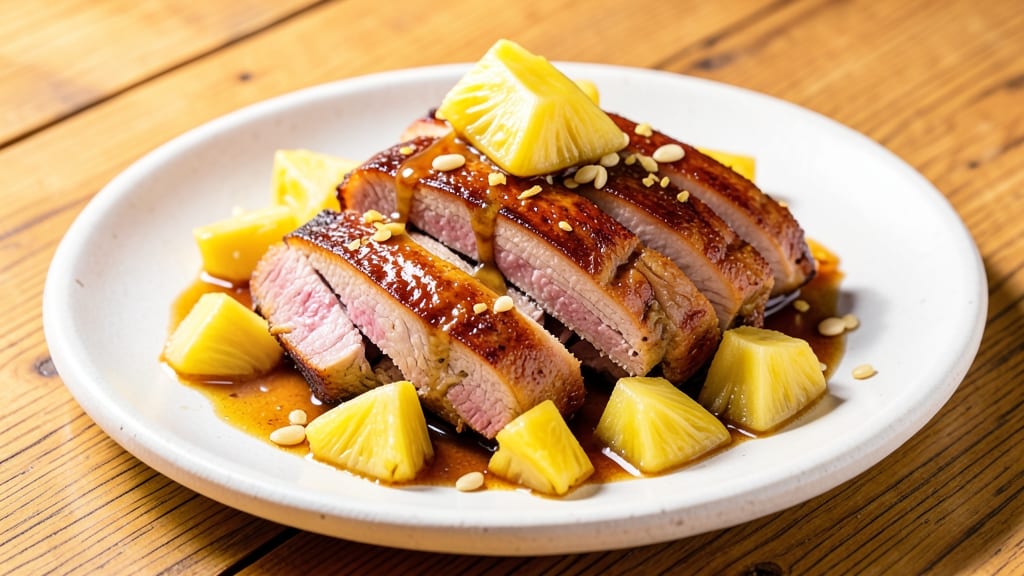
This Filipino-style pork with pineapple recipe delivers the perfect balance of sweet, savory, and tangy flavors that make it a crowd favorite. 🌟 The secret lies in caramelizing the pork with just the right amount of soy sauce and vinegar, then finishing it with fresh pineapple chunks that add a bright, juicy contrast.
I first tasted this dish at a local Filipino restaurant in Portland, and it completely changed how I approach pork recipes—it's now a staple in my weekly rotation.
The beauty of this dish is in its simplicity: tender pork pieces simmered in a rich, slightly sweet sauce until they're fork-tender, then finished with pineapple that adds both texture and freshness.
Traditional Filipino techniques like using soy sauce, vinegar, and a touch of sugar create that signature balance, while the pineapple brings a tropical twist that makes it feel special without being complicated.
This recipe serves 4-6 and comes together in about an hour, making it perfect for weeknight dinners or weekend gatherings.
By the time you're done, you'll have a dish that's rich, flavorful, and just sweet enough to satisfy cravings without being overwhelming. The pork stays juicy and tender, while the pineapple adds a refreshing crunch that cuts through the savory sauce.
Serve it over steamed rice to soak up every last bit of that delicious caramelized goodness—it's the kind of meal that turns a simple dinner into a memorable experience.
For extra authenticity, pair it with a side of atchara (Filipino pickled papaya) or a simple green salad. The acidity of the pickled papaya complements the sweetness of the pork and pineapple beautifully, while the salad adds a fresh contrast.
This dish is versatile enough to work as a main course or even a hearty appetizer—just scale the ingredients to fit your needs.
Ingredients for pork with pineapple recipe filipino style
Sweet, savory, and tangy—this Filipino pork with pineapple recipe needs just 13 ingredients for big flavor.
| Ingredient | Amount | Notes |
|---|---|---|
| Boneless Pork Shoulder 🥩 | 2 lb | Cut into 1-inch cubes |
| Fresh Pineapple 🍍 | 1 cup | Cubed, fresh or canned in juice |
| Soy Sauce 🥄 | ½ cup | Filipino or Japanese preferred |
| White Vinegar 🍶 | ¼ cup | Distilled preferred |
| Brown Sugar 🍚 | ¼ cup | Packed, light or dark |
| Garlic Cloves 🧄 | 6 cloves | Minced, fresh preferred |
| Onion 🧅 | 1 whole | Yellow or white, chopped |
| Olive Oil 🫒 | 2 tbsp | Extra-virgin for richness |
| Black Peppercorns 🌶️ | ½ tsp | Freshly ground preferred |
| Bay Leaves 🍃 | 2 whole | Dried or fresh |
| Green Onions 🧅 | 2 whole | Chopped, for garnish |
| Salt 🧂 | 1 tsp | Kosher or sea salt |
| Cooked White Rice 🍚 | 3 cups | Steamed, for serving |
The pork shoulder is the star here—it stays juicy and tender when cut into even 1-inch cubes. Ask your butcher to trim excess fat if you want less grease, but leave some for flavor. Filipino markets or Asian grocery stores like 99 Ranch or H Mart often have pre-cut pork shoulder at great prices. For the pineapple, fresh is ideal, but canned in juice (not syrup) works perfectly if you're short on time. Look for pineapple with vibrant yellow flesh and no brown spots—those mean it's overripe.
No Filipino soy sauce? Japanese soy sauce plus a pinch of sugar gets you close. Vinegar substitutes? White wine vinegar or apple cider vinegar both work, though the flavor will shift slightly. The brown sugar can be swapped for white sugar, but light brown adds subtle molasses notes that enhance the caramelization. Fresh garlic and onion are non-negotiable for authentic flavor, but if you're in a pinch, powdered garlic and onion work at half the amount. The bay leaves add depth—skip them only if you're sensitive to their earthy taste.
This sauce gets better the next day, so make extra and reheat—it reheats beautifully. Store leftovers in the fridge for 4-5 days or freeze for 3 months in airtight containers. The rice? Cook a big batch—this dish pairs perfectly with it, and you'll want seconds. Garnish with green onions right before serving, as they wilt quickly. For extra authenticity, serve with Filipino-style atchara (pickled papaya)—the tang cuts through the richness perfectly.
Why You'll Love This Recipe
- Here’s what sold me: the tangy vinegar cuts through the richness, while the pineapple’s natural sweetness makes the soy sauce sing. That crispy edge on the pork? Chef’s kiss.
- One-Pot Magic: I swear by this—just toss the pork chunks, pineapple slices, and a few pantry staples into one pot. No chopping, no fuss, and that caramelized brown sugar glaze happens while you stir.
- Sweet-Savory Balance: Here’s what sold me: the tangy vinegar cuts through the richness, while the pineapple’s natural sweetness makes the soy sauce sing. That crispy edge on the pork? Chef’s kiss.
- Lunchbox Hero: Between us, this keeps perfectly for days. Pack it cold for work or reheat it for dinner—same addictive flavor. My kids grab it before I even ask.
Step-by-step instructions for pork with pineapple Filipino style
Here's how to create this beloved Filipino comfort dish with tender pork and sweet-tangy sauce.
🍳 Step 1: Sear the Pork for Maximum Flavor
Heat the 2 tablespoons olive oil in a large Dutch oven over medium-high heat until shimmering. Add the 2 lb boneless pork shoulder cut into 1-inch cubes, working in batches if needed to avoid crowding. Let the pork sear undisturbed for 3-4 minutes per side until golden brown—this builds deep flavor in the sauce.
Once the first batch is browned, transfer it to a plate and repeat with the remaining pork. Don't skip this step—proper searing creates that caramelized crust that makes the dish sing. The pork should release easily from the pan when ready to flip.
👨🍳 Step 2: Build the Sweet-Savory Sauce
In the same Dutch oven, add the chopped onion and minced garlic cloves. Cook for 2-3 minutes until softened and fragrant, stirring occasionally. Here's the thing—don't let the garlic burn, or it'll turn bitter and ruin the delicate balance of flavors.
Add the 2 whole bay leaves, ½ teaspoon black peppercorns, 1 teaspoon salt, ½ cup soy sauce, ¼ cup white vinegar, and ¼ cup packed brown sugar. Stir well to combine, then pour in 1 cup fresh pineapple cubes. Bring to a gentle simmer over medium heat—this is where the magic happens.
🔥 Step 3: Braise Until Tender and Saucy
Return all the seared pork to the Dutch oven and stir to coat in the sauce. Add enough water to just cover the pork—about 1 cup. The liquid should come about halfway up the pork pieces. Bring to a boil, then reduce heat to low and cover with a lid.
Simmer for 1 hour to 1 hour 15 minutes, stirring occasionally, until the pork is fork-tender and the sauce has thickened. You'll know it's ready when the pork easily pulls apart with minimal resistance. If the sauce reduces too quickly, add 1-2 tablespoons water at a time to maintain moisture.
⏰ Step 4: Finish and Garnish
Remove the lid and increase heat to medium-high to reduce the sauce slightly, about 5-7 minutes. The sauce should coat the back of a spoon with a glossy sheen. Discard the bay leaves and peppercorns—these were just for flavor during cooking.
Garnish with chopped green onions and serve immediately over 3 cups cooked white rice. The dish tastes best fresh when the pork is still warm and tender. For extra richness, spoon some of that delicious sauce over the top before serving.
Pro Tips For Making Pork With Pineapple Recipe Filipino Style
- CUT PORK INTO STRIPS: Skip the cubes—long, thin strips (about ¼-inch thick) cook faster and soak up the sauce better. I learned this the hard way after burning the edges on thicker chunks; the sauce needs time to penetrate, not just caramelize.
- COOK PINEAPPLE FIRST: Sauté the pineapple chunks in a hot pan for 3–4 minutes before adding the pork. This softens them slightly and releases their juices, which keeps the sauce from turning gluey later. (Yes, even if you’re impatient like me.)
- BASTE WITH THE SAUCE: After browning the pork, pour in half the sauce and spoon it over the meat while it cooks. The sugar in the sauce will caramelize faster, giving you that glossy, sticky glaze without waiting forever. Sounds weird, but it works.
- SIMMER LOW AND LONG: Once everything’s in the pot, reduce the heat to medium-low and let it bubble gently for 20–25 minutes. High heat turns the sauce into syrup; low heat keeps it balanced—sweet, tangy, and not cloying. (Your future self will thank you.)
Flavor customization for pork with pineapple recipe filipino style
Sweet Heat Boost
For a spicier kick, add 1-2 tablespoons of chopped siling labuyo (Filipino bird's eye chili) or ½ teaspoon of cayenne pepper to the sauce. I like to add it with the garlic and onions—this builds heat gradually without overpowering the sweetness.
For a milder version, use ½ teaspoon of red pepper flakes instead. Trust me, the heat balances beautifully with the pineapple's brightness. 🌶️
Smoky Depth
Crank up the smokiness by adding 1 teaspoon of smoked paprika or ½ teaspoon of ground annatto (achuete) to the sauce. I discovered this trick when I visited a Filipino restaurant in Portland—they used annatto for a subtle, earthy depth.
For extra smokiness, sear the pork in a cast-iron skillet instead of a Dutch oven, then transfer it to the pot for braising.
Creamy Twist
Turn this dish into a creamy delight by stirring in ½ cup of coconut milk during the final 5 minutes of cooking. The coconut milk softens the sauce and adds a rich, velvety texture that pairs perfectly with the pineapple.
For a lighter option, use 2 tablespoons of heavy cream instead. Garnish with toasted sesame seeds for extra crunch and visual appeal.
Umami Enhancement
Boost the umami depth with 1 tablespoon of fish sauce or 1 teaspoon of oyster sauce—both are staples in Filipino cooking. I add it with the soy sauce and vinegar for a well-rounded flavor.
For a vegetarian option, swap in 1 tablespoon of soy sauce plus 1 teaspoon of mushroom powder (like Better Than Bouillon). The umami will make the pork taste even more tender and satisfying. 💡
Tropical Fruit Swap
Swap the pineapple for mango chunks or papaya to change up the flavor profile. Mango adds a sweeter, softer texture, while papaya brings a tangy, floral note. For a tropical fusion, use ½ cup pineapple and ½ cup mango together.
Just be sure to add the fruit in the last 10 minutes of cooking so it doesn’t turn mushy. 🍍✨
Herb Infusion
Brighten the dish with fresh herbs like cilantro, Thai basil, or mint. I like to add 2 tablespoons of chopped cilantro at the end for a fresh, citrusy finish. For a more aromatic twist, stir in 1 tablespoon of minced lemongrass (if available) during the braising step.
The herbs add a bright contrast to the rich, savory pork and sweet pineapple. 🌿
Nutrition facts
Frequently asked questions
Can I use pork tenderloin instead of pork shoulder?
The recipe works best with pork shoulder because its fat content keeps it juicy during long braising. If you must use pork tenderloin, cut it into ½-inch cubes and reduce cooking time to 30-40 minutes—it's leaner and cooks faster. For extra tenderness, marinate it in the sauce for 1 hour before cooking.
What if I don't have fresh pineapple?
Canned pineapple in juice (not syrup) works perfectly—just drain and pat dry before adding. For extra flavor, use 1 cup pineapple juice plus 2 tablespoons sugar to mimic fresh pineapple's sweetness. Avoid chunky canned pineapple with heavy syrup, as it makes the sauce too sweet.
How do I make this dish spicier?
Add 1-2 tablespoons chopped siling labuyo (Filipino chili) or ½ teaspoon cayenne pepper with the garlic. For milder heat, use ½ teaspoon red pepper flakes. Remember: the pineapple's brightness balances the heat beautifully. Start with less and adjust to taste.
Can I make this in a slow cooker?
Brown the pork first, then transfer everything (including sauce) to the slow cooker. Cook on low for 6-7 hours or high for 3-4 hours. The slow cooker keeps the pork tender without drying it out. Add pineapple in the last 30 minutes to prevent mushiness.
Why does my sauce turn out too thin?
This usually happens if you didn't sear the pork properly or added too much liquid. For next time, reduce the water to ½ cup and simmer uncovered for 10-15 minutes at the end to thicken. If it's still thin, stir in 1 tablespoon cornstarch mixed with 2 tablespoons water and cook until thickened.