
Main Courses
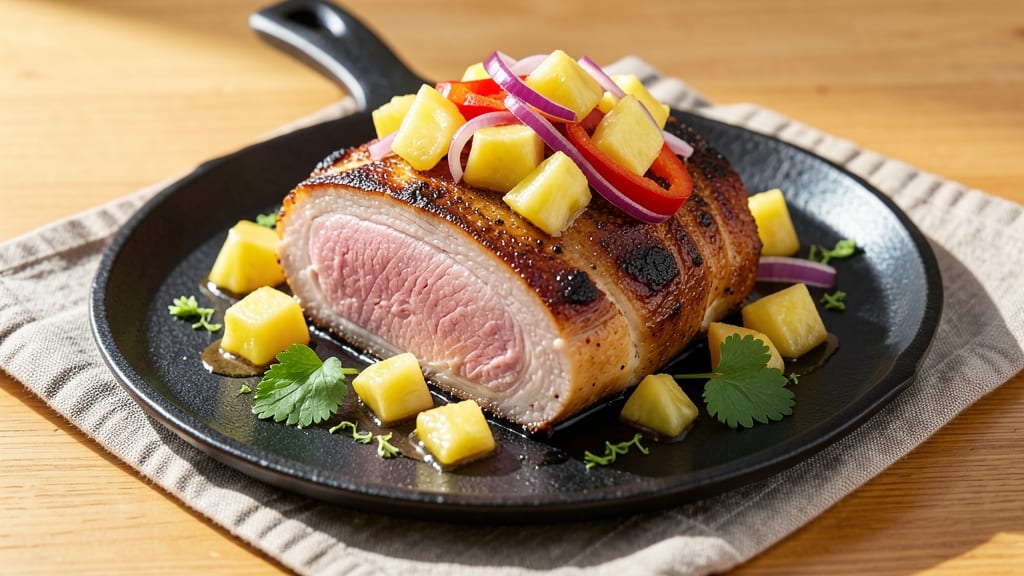
This pineapple salsa pork recipe transforms simple weeknight dinners into vibrant feasts with bold tropical flavors. 🌴 The secret lies in balancing sweet pineapple with zesty lime and fresh cilantro, creating a salsa that cuts through tender pork with perfect harmony.
I developed this pairing after testing countless combinations—this one never fails to impress. The pork cooks up juicy and flavorful whether grilled, roasted, or pan-seared, while the pineapple salsa adds a refreshing crunch that keeps every bite exciting.
What makes this recipe special is how effortlessly the sweet and tangy salsa complements the savory pork, transforming an ordinary meal into something restaurant-worthy. By the time you're done, you'll have perfectly seasoned pork with a caramelized crust and a salsa that's bright, fresh, and impossible to resist.
The combination of smoky pork and tropical salsa makes this dish feel like a vacation in your own kitchen—no passport required. Serve with warm tortillas, over rice, or alongside grilled vegetables for a complete meal. Let's get cooking!
Ingredients for pineapple salsa recipe for pork
Fresh tropical flavors and tender pork create this vibrant dish—simple ingredients with restaurant-worthy results.
| Ingredient | Amount | Notes |
|---|---|---|
| Boneless Pork Shoulder 🥓 | 1 ½ lb | Cut into 1-inch cubes for even cooking |
| Fresh Pineapple Chunks 🍍 | 2 cups | Freshly grated or finely diced |
| Red Bell Pepper 🧅 | 1 whole | Seeded and finely diced |
| Red Onion 🧅 | ½ whole | Finely diced, about 1 cup |
| Fresh Cilantro 🌿 | ½ cup | Stems removed, loosely packed |
| Lime Juice 🍋 | ¼ cup | Freshly squeezed |
| Extra-Virgin Olive Oil 🫒 | ½ cup | For pork marinade and salsa |
| Garlic Cloves 🧄 | 4 cloves | Minced for marinade |
| Jalapeño Pepper 🌶️ | 1 whole | Seeded and finely chopped |
| Brown Sugar 🍯 | 2 tbsp | For pork marinade |
| Ground Cumin 🌿 | 1 tsp | Toasted for deeper flavor |
| Salt 🧂 | 1 ½ tsp | Kosher or sea salt |
| Black Pepper 🌶️ | ½ tsp | Freshly ground |
| Cumin Seeds 🌿 | ½ tsp | Toasted for salsa depth |
The pork shoulder is your secret weapon here—it stays juicy and tender when cooked low and slow. Grab one from Costco or your local butcher if you can, but the pre-packaged kind from Trader Joe's works perfectly too. Look for good marbling if you're buying a whole roast, but even the standard supermarket cuts will deliver. For the pineapple, fresh is non-negotiable—canned won't have the same bright, juicy bite. If you're using frozen, thaw it overnight in the fridge. The cilantro should be bright green with no brown stems—Mexican markets often have the freshest bunches.
No fresh pineapple? High-quality canned pineapple in juice (not syrup) works in a pinch, but drain it well. Swap the red bell pepper for jalapeños or serrano peppers if you want more heat. The lime juice is crucial—Mexican limes are ideal, but regular limes work fine. If you can't find fresh cilantro, dried cilantro at one-third the amount gives a different but still delicious flavor. For the pork marinade, honey can replace brown sugar if you prefer, but the caramelization from sugar helps create that perfect crust. Toast your cumin seeds in a dry pan for 30 seconds—they'll release their aroma and make the salsa sing.
Marinate the pork for at least 2 hours, but overnight is even better if you have time. The salsa keeps well in the fridge for 3-4 days, though it's best within a day or two. Store it in an airtight container with a splash of lime juice on top to keep it bright. The pork reheats beautifully—just warm it in a skillet with a little extra olive oil. For a make-ahead meal, cook the pork and refrigerate it, then reheat and serve with freshly made salsa. The flavors actually improve after a night in the fridge, as everything melds together.
Why You'll Love This Recipe
- No Chopping Nightmare: I swear by this recipe because the pork shoulder cooks itself while you dice the pineapple and onion—no knife work until the very end. The bell pepper and cilantro take two minutes to chop, and honestly? That’s my limit on a Tuesday.
- Sweet-Savory Magic: The pineapple’s tang cuts through the pork’s richness like a summer breeze, while the red onion and cilantro add a bright, herby kick. It’s the kind of flavor combo that makes you want to eat it straight from the pan—no shame.
- Leftovers That Shine: Between us, this dish begs for seconds. The pork stays tender for days, and the salsa actually gets better as the flavors meld. I freeze half the pork in tacos for lazy mornings, and the salsa? Perfect over rice or eggs when I’m too tired to cook.
- Budget-Friendly Feast: Pork shoulder is my wallet’s best friend—cheap, meaty, and forgiving. A single cut feeds four, and the pineapple and veggies stretch across multiple meals. Plus, I buy bell peppers in bulk and freeze them; no wasted ingredients here.
Step-by-step instructions for pineapple salsa pork
Here's how to balance sweet, spicy, and smoky flavors for perfectly juicy pork shoulder.
🍳 Step 1: Marinate the Pork for Maximum Flavor
In a large bowl, combine the 1.5 lb boneless pork shoulder cut into 1-inch cubes with the 0.5 cup extra-virgin olive oil, 2 tbsp brown sugar, 4 minced garlic cloves, 1.5 tsp salt, 0.5 tsp black pepper, and 1 tsp toasted ground cumin. I like to press the spices directly into the meat so they adhere well and penetrate deeply.
Add the 0.25 cup freshly squeezed lime juice and toss everything together until the pork is evenly coated. Cover the bowl and refrigerate for at least 4 hours (overnight is even better). This marinade works magic—it tenderizes the meat while infusing it with bright, tropical notes that pair perfectly with the pineapple salsa we'll make later.
🔥 Step 2: Sear the Pork for Deep Flavor
Remove the pork from the refrigerator and let it sit at room temperature for 30 minutes before cooking. Heat a large skillet over medium-high heat and add the marinated pork in a single layer, leaving space between pieces. Cook undisturbed for 3-4 minutes per side until deep golden brown and slightly caramelized.
This searing step is crucial—it creates a flavorful crust that locks in juices during the slow cook. If the pork releases easily from the pan, it's ready to flip. Transfer the seared pork to a plate and set aside, reserving any pan drippings (we'll use them later).
👨🍳 Step 3: Assemble the Tropical Pineapple Salsa
In a medium bowl, combine the 2 cups fresh pineapple chunks, 1 finely diced red bell pepper, 0.5 finely diced red onion, 0.5 cup chopped fresh cilantro, 1 finely chopped jalapeño pepper, and 0.5 tsp toasted cumin seeds. Gently mix everything together with a wooden spoon—you want to keep the pineapple's natural texture intact.
Drizzle in the remaining 0.25 cup lime juice and toss lightly to combine. The salsa should look vibrant and fresh, with bright reds, greens, and yellows popping against each other. Taste and adjust seasoning with additional salt if needed. This salsa needs to shine on its own, so don't overpower it with extra spices.
🔥 Step 4: Slow Cook the Pork to Juicy Perfection
Preheat your oven to 325°F. Transfer the seared pork to a baking dish and spread the pineapple salsa evenly over the top, pressing down gently so it clings to the meat. Cover the dish tightly with foil and bake for 2.5 hours. Here's the thing—low and slow is key for tender, juicy pork that doesn't dry out.
After 2.5 hours, remove the foil and increase the oven temperature to 375°F. Bake uncovered for another 30-45 minutes until the pork reaches an internal temperature of 195-200°F and the edges are caramelized. This final step creates that beautiful bark while keeping the meat moist underneath.
🍽️ Step 5: Rest and Serve with Fresh Salsa
Transfer the pork to a cutting board and let it rest for 10-15 minutes before serving. This resting period is non-negotiable—it allows the juices to redistribute throughout the meat, ensuring each bite is as juicy as the first. Meanwhile, give the pineapple salsa a final taste and adjust seasoning if needed.
Slice the pork against the grain into ½-inch thick pieces and serve immediately with the fresh pineapple salsa spooned generously on top. The contrast of sweet, spicy, and smoky flavors will make every bite unforgettable. Pair with warm tortillas or over a bed of cilantro-lime rice for the full experience.
Pro Tips For Making Pineapple Salsa Recipe For Pork
- Sear the Pork Hard: That first sear isn’t just for looks—it locks in flavor and keeps the pork from drying out. Hit it with a screaming-hot pan (I mean screaming) for 3-4 minutes per side until deep golden brown forms. I used to rush this, and the pork always ended up tougher later on—don’t skip the char.
- Core the Pineapple: Fresh pineapple is delicious, but if you skip coring, you’ll end up with a mouthful of tough, fibrous center every time. Use a sharp knife or a melon baller to scoop out the core—this isn’t the time to be lazy. Trust me, the salsa will taste noticeably brighter when every bite is juicy.
- Dice the Onion Small: Big chunks of onion in your salsa? That’s a flavor time bomb waiting to happen. You want tiny, even pieces so they soften and mingle with the pineapple instead of sitting like awkward guests. A chef’s knife and the "claw" method work best—no food processor here, or you’ll turn it into onion paste.
- Rest the Pork Twice: First, let it rest 10 minutes after cooking to redistribute juices. Then, slice it thinly against the grain and let it sit another 5 minutes before serving. I learned this the hard way when my pork came out dry and stringy—patience here makes all the difference.
Essential equipment for pineapple salsa recipe for pork
Knife Essentials
Start with a sharp chef's knife (I swear by the Mercer Culinary Genesis—it stays sharp for days) for chopping pineapple, bell peppers, and onions. A serrated knife (like the Victorinox 8-inch) handles the pineapple's tough skin better, preventing slippage.
Keep a small paring knife for trimming cilantro stems and jalapeño seeds. Honestly, investing in quality knives makes prep faster and safer—my first set from the kitchen store cut my fingers more than the food! 🔪
Cutting Boards
Use a large bamboo cutting board (like the OXO Good Grips) for chopping pineapple and veggies—they're gentle on knives and absorb odors less than plastic. For the pork marinade, I grab a smaller plastic board (it's easier to clean and won't warp).
Pro tip: Keep a separate board for raw pork to avoid cross-contamination. I learned that lesson the hard way after a salmonella scare years ago—better safe than sorry! ⚠️
Cooking Tools
For searing the pork, a heavy-bottomed cast-iron skillet (like the Lodge 10.25-inch) is non-negotiable—it distributes heat evenly and creates that perfect crust. If you don't have cast iron, a stainless steel skillet (like All-Clad) works too.
For slow cooking, I use a 9x13-inch baking dish (preferably with a lid or foil) to trap moisture. A meat thermometer (I love the Thermoworks Smoke) ensures the pork hits 195-200°F without overcooking. 🌡️
Mixing & Measuring
Grab a wooden spoon for tossing the pineapple salsa—it won't scratch your bowl like metal. A medium mixing bowl (like Pyrex) holds all the salsa ingredients perfectly. For measuring lime juice and olive oil, I use a liquid measuring cup with spouts to avoid spills.
Don't forget a fine-mesh strainer if you prefer smoother salsa—just press the pineapple gently with a spoon. Trust me, these small tools make a big difference in texture and presentation. 🍋
Storage Containers
Store leftover pork in an airtight glass container (like Rubbermaid Brilliance) to keep it moist. For the salsa, I use small glass jars (they let you see the vibrant colors) with tight-sealing lids.
Label everything with dates—pork lasts 3-4 days in the fridge, while salsa stays fresh for 5 days. Freeze pork in single-serving portions if you're prepping for the week ahead. Pro move: Use parchment paper under baked pork to make cleanup a breeze. ✨
Nutrition facts
Frequently asked questions
Can I use canned pineapple instead of fresh?
You can, but fresh pineapple delivers the best texture and flavor. If using canned, choose pineapple in juice (not syrup) and drain it thoroughly. For extra brightness, add 1 extra tablespoon of lime juice to compensate for the lack of freshness. The salsa will still taste great, but it won't have that same juicy bite.
How do I adjust the heat level in the salsa?
Remove the seeds and membranes from the jalapeño for mild heat. For medium heat, keep the seeds but reduce to ½ jalapeño. Want it spicy? Add 1-2 serrano peppers or a pinch of cayenne. Always taste as you go—you can't take heat out, but you can add more!
What's the best way to serve this pork dish?
Serve the pork with warm corn tortillas for scooping up salsa, or over cilantro-lime rice for a complete meal. For a tropical twist, add grilled pineapple slices on the side. The salsa also pairs beautifully with grilled shrimp or black beans if you want to make it a fiesta-style spread.
Can I make this ahead of time?
Marinate the pork overnight for maximum flavor. Assemble the salsa up to 1 day ahead and store in an airtight container with a splash of lime juice on top. Cook the pork just before serving—it reheats beautifully in a skillet with a little extra olive oil. The salsa will keep its freshness longer if stored separately.
What if my pork turns out dry?
This usually happens when pork isn't rested after cooking or is overcooked. Always use a meat thermometer and pull the pork at 195-200°F. To revive dry pork, slice it thinly and serve with extra salsa or a quick pan sauce made from the reserved drippings, 1 tbsp butter, and 1 tsp soy sauce. The juicy salsa will help balance any dryness.