
Sauces & Condiments
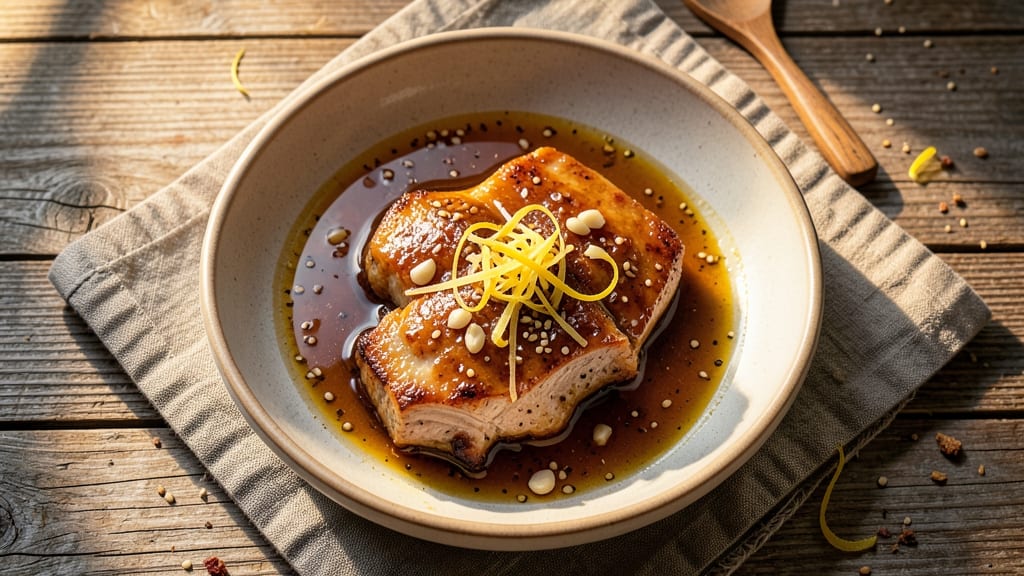
This pineapple pork marinade recipe transforms tough pork into melt-in-your-mouth perfection with just a few hours of soaking. The tropical tang of pineapple juice breaks down fibers while balancing savory soy and aromatic ginger, creating a flavor bomb that works magic on grilled, roasted, or slow-cooked pork.
I perfected this marinade after years of testing—it’s the secret weapon behind my restaurant-quality pulled pork and caramelized ribs.
The beauty of this marinade lies in its simplicity: fresh pineapple juice (or canned for convenience), soy sauce for umami depth, garlic and ginger for warmth, and a touch of brown sugar to caramelize during cooking.
The acidity tenderizes while the spices infuse flavor, making even budget-friendly pork cuts taste luxurious. Best of all, it’s ready in minutes and keeps in the fridge for up to a week—ideal for meal prep or last-minute entertaining.
What you’ll achieve is pork that’s tender enough to shred with a fork, with a glossy, caramelized crust and a bright, tropical-savory profile that pairs perfectly with rice, pineapple salsa, or a sprinkle of sesame seeds.
The marinade works wonders on chops, tenderloin, or shoulder, and the leftovers make an incredible glaze when reduced. Trust me, once you try this, store-bought marinades won’t stand a chance.
For extra depth, let the pork marinate overnight, but even 2-4 hours delivers impressive results. The key is patting the meat dry before cooking to ensure maximum browning.
Whether you’re grilling for summer BBQs or slow-cooking for winter comfort, this marinade turns ordinary pork into something extraordinary—without the fuss of complicated recipes. Let’s get started!
Ingredients for pineapple marinade recipe for pork
Nine ingredients blend into this tropical marinade that transforms tough pork into restaurant-quality tenderness.
| Ingredient | Amount | Notes |
|---|---|---|
| Fresh Pineapple Juice 🍍 | 1 cup | Freshly squeezed or high-quality canned |
| Soy Sauce 🥢 | ½ cup | Low-sodium preferred for balance |
| Brown Sugar 🍚 | ¼ cup | Light or dark variety works |
| Garlic Cloves 🧄 | 6 cloves | Minced for even distribution |
| Fresh Ginger 🌿 | ½ cup | Finely grated, peeled |
| Sesame Oil 🫒 | 1 tbsp | Toasted for nutty aroma |
| Honey 🍯 | 1 tbsp | Wildflower preferred for depth |
| Ground Black Pepper 🌶️ | 1 tsp | Freshly cracked for heat |
| Kosher Salt 🧂 | 1 ½ tsp | Diamond Crystal preferred |
| Lime Juice 🍋 | 2 tbsp | Freshly squeezed for brightness |
The pineapple juice is non-negotiable—freshly squeezed from a ripe pineapple delivers the most vibrant flavor, but high-quality canned juice (like Dole or Del Monte) works in a pinch. I always grab organic pineapples from Whole Foods when I can, but the regular grocery store variety is fine if it smells sweet. For ginger, fresh is a must—powdered lacks the zesty kick. The garlic should be peeled and minced finely so it blends seamlessly. Sesame oil adds that signature nutty aroma, but if you're avoiding it, toasted sesame seeds sprinkled at the end work too.
No fresh pineapple juice? Coconut water or orange juice can stretch it out, but the flavor won't be as bold. Swapping soy sauce for coconut aminos keeps it gluten-free without sacrificing umami. Brown sugar substitutes? Maple syrup or agave add moisture but won't caramelize the same way. For extra heat, toss in a dash of sriracha or red pepper flakes. The lime juice can be omitted if you're sensitive to acidity, but I recommend keeping it—it's what makes this marinade truly sing. If you're prepping ahead, store the marinade in a sealed jar for up to a week, but add the sesame oil just before using to preserve its aroma.
This marinade keeps for 7 days in the fridge once mixed, but the pork should marinate no longer than 24 hours to prevent over-tenderizing. For best results, pat the pork dry before cooking—this ensures a perfect sear. Leftovers make an incredible glaze when reduced by half on the stove. I always double the batch so I have extra for brushing on during cooking. The marinade freezes beautifully for up to 3 months, making it perfect for meal prep. Just thaw in the fridge overnight before using.
Why You'll Love This Recipe
- No-Fuss Blend: I swear by this marinade because it’s basically foolproof—just toss the juice, soy, sugar, and grated ginger into a bowl, let it sit. No straining, no fancy techniques, just pure flavor that works every time.
- Sweet-Savory Magic: That balance of pineapple’s tang and brown sugar’s caramel notes with garlic? It turns pork into something irresistible—crispy edges, juicy inside, and a finish that lingers. Honestly, my guests always ask for the recipe.
- Double-Duty Marinade: Use it for ribs, chops, or even stir-fry—same marinade, endless possibilities. I’ve grilled it, pan-seared it, and even used the leftover sauce for a quick glaze. Versatility like this? That’s my kind of shortcut.
- Budget Win: Pineapple juice and ginger are cheap staples, and a little goes a long way. Between us, this marinade stretches to feed four for under $10, and leftovers? They taste just as good reheated as they do fresh.
Step-by-step instructions for pineapple pork marinade
This marinade works magic in hours—juicy, tender pork with tropical depth every time.
Prepare the Aromatics
In a medium bowl, combine the 6 cloves garlic cloves and 0.5 cup fresh ginger. Use a sharp knife to mince the garlic finely—you want it almost paste-like for even distribution. For the ginger, grate it using the small holes of a box grater or a microplane, then press it through a fine-mesh sieve to remove any fibrous strings. This prep ensures maximum flavor extraction during the marinating process.
Set aside the prepared aromatics—they'll form the flavor foundation of your marinade. I like to do this first because it gives the ginger and garlic time to soften slightly before mixing, which helps them blend seamlessly with the other ingredients. The ginger should be bright yellow and finely textured, while the garlic should look like a smooth paste.
Whisk Together Wet Ingredients
In a separate large mixing bowl, combine the 1 cup fresh pineapple juice, 0.5 cup soy sauce, 0.25 cup brown sugar, 1 tbsp honey, 1 tbsp sesame oil, 2 tbsp lime juice, 1.5 tsp kosher salt, and 1 tsp ground black pepper. Use a whisk to combine everything thoroughly until the brown sugar and honey dissolve completely—this should take about 1-2 minutes of vigorous whisking.
Here's where the science happens: The acidity from the pineapple juice and lime juice begins breaking down proteins in the pork even before it touches the meat. The brown sugar and honey add caramelization potential, while the soy sauce and sesame oil contribute umami depth. The mixture should be smooth with no visible sugar crystals remaining.
Combine and Marinate
Add the prepared garlic-ginger mixture to the wet ingredients and whisk again until fully incorporated. The marinade should now have a vibrant golden color with visible flecks of garlic and ginger. Taste a small amount—it should be sweet, tangy, and slightly salty with a hint of spice from the black pepper.
Place the pork in a resealable plastic bag or glass container with a tight-fitting lid. Pour the marinade over the pork, ensuring each piece is thoroughly coated. For best results, marinate in the refrigerator for at least 4 hours, though I recommend 8-12 hours for maximum tenderness. The acidity in the pineapple will work its magic, breaking down the muscle fibers while infusing the pork with tropical brightness.
Prep for Cooking
Before cooking, remove the pork from the marinade and let it sit at room temperature for 15-20 minutes. This allows the surface to develop a better sear. Reserve ¼ cup of the marinade for basting during cooking—simply brush it on the pork halfway through the cooking process to add extra flavor and moisture.
The remaining marinade can be used as a glaze if reduced by simmering in a small saucepan over medium-high heat for 5-7 minutes until slightly thickened. This makes an excellent finishing touch for your dish. The pork is now ready to grill, roast, or pan-sear—just be mindful not to overcook, as the marinade has already begun tenderizing the meat.
Pro Tips For Making Pineapple Marinade Recipe For Pork
- STRAIN THE JUICE: Fresh pineapple juice has grit—tiny fibers that turn your marinade into a sandpaper slurry. Strain it through a fine-mesh sieve or cheesecloth before mixing, or you’ll spend the next hour scraping pulp off your whisk. I learned this the hard way after my first batch turned into a pulp battle mid-stir.
- GINGER GRATE, DON’T CHOP: Minced ginger loses its punch fast, but freshly grated ginger releases oils that cling to the pork like glue. Use the largest holes on your grater and add it last—right before applying the marinade—to keep its zing sharp. (Yes, it looks like confetti, but it works.)
- MARINATE COLD, NOT ROOM TEMP: Pork left in a warm marinade cooks in the fridge, turning mushy and uneven. Pop the meat in the marinade after it’s chilled, and keep the whole bowl in the coldest part of the fridge. I used to rush this, and my pork always came out like overcooked chicken. Now it stays tender.
- SWEAT THE GARLIC FIRST: Raw garlic in marinades can taste bitter and overpower the pineapple’s brightness. Lightly sauté 2 minced cloves in 1 tsp oil until fragrant, then cool before adding to the marinade. It mellows the flavor and adds depth—like a secret handshake for the pork. (Skip this, and you’ll taste the garlic, not the caramelized soy.)
Flavor customization for this recipe
Sweet Heat Variations
Crank up the heat with 1 tbsp sriracha or 1 tsp cayenne powder for a spicy kick that pairs perfectly with the pineapple’s sweetness. I love adding ½ tsp smoked paprika for depth—it gives the marinade a subtle BBQ-like smokiness.
For those who prefer mild heat, 1 tsp red pepper flakes adds just enough spice without overwhelming the tropical flavors. 🌶️
Citrus Twists
Swap lime juice for orange juice or grapefruit juice to change the flavor profile entirely. Orange juice adds a brighter, slightly floral note, while grapefruit brings a bold, slightly bitter contrast. I also like adding 1 tbsp fresh lemon juice for extra zing—it cuts through the sweetness beautifully.
For a tropical fusion, mix 1 tbsp passionfruit pulp into the marinade for a fruity, almost dessert-like depth.
Asian-Inspired Adaptations
Boost umami with 1 tbsp fish sauce or 1 tsp oyster sauce for a Southeast Asian twist. A splash of rice vinegar (about 1 tbsp) adds tanginess, while 1 tsp five-spice powder introduces warm, aromatic complexity.
For a Japanese-inspired version, replace the soy sauce with mirin and add 1 tsp grated daikon radish for a refreshing crunch. These tweaks keep the pineapple’s brightness but lean into different cultural flavor profiles.
Smoky & Charred Depth
For a smoky profile, add 1 tbsp liquid smoke or 1 tsp smoked sea salt to the marinade. I also love charring 2 cloves garlic and 1 strip of ginger in a dry skillet until blackened, then blending them into the marinade for a caramelized, smoky depth.
This works especially well for grilled pork—think pulled pork with a campfire vibe. For extra char, grill the pork directly over hardwood coals after marinating.
Herb & Spice Infusions
Fresh herbs elevate this marinade to new heights. Add 2 tbsp chopped cilantro or 1 tbsp fresh basil for brightness, or 1 tbsp minced shallots for a milder onion flavor. For warmth, toss in ½ tsp ground coriander or ¼ tsp cinnamon.
I once added 1 tbsp fresh thyme leaves to a batch, and it gave the pork a Mediterranean twist that was unexpected but fantastic. The herbs should be finely chopped to blend seamlessly into the marinade.
Dairy & Creamy Options
For a richer marinade, stir in 2 tbsp plain Greek yogurt or 1 tbsp coconut cream to balance the acidity. This works surprisingly well with pork, adding a silky texture and mellowing the tang.
I’ve also used 1 oz cream cheese (softened) for a tangy, creamy depth—it’s perfect for grilled pork chops. These additions are best used with leaner cuts, as they add moisture without overpowering the tropical flavors.
Nutrition facts
Frequently asked questions
Can I use canned pineapple juice instead of fresh?
High-quality canned pineapple juice works perfectly—just look for brands without added preservatives or sugar. The flavor will be slightly less vibrant than fresh, but it still delivers that essential tropical tang. For extra depth, add 1 tbsp fresh lime juice to compensate for any artificial sweetness in the canned version.
How long should I marinate pork chops vs. pork shoulder?
For pork chops (1-inch thick), 2-4 hours is ideal—they tenderize quickly but won't fall apart. For pork shoulder, marinate 8-12 hours (or overnight) to break down tough connective tissue. The acidity works faster on lean cuts, so never exceed 24 hours or the meat may become mushy.
What if my pork smells like pineapple after marinating?
This means the marinade wasn't fully absorbed! Pat the pork dry before cooking to evaporate surface moisture, then sear it over medium-high heat for 2-3 minutes per side to develop a crust. The smell will disappear as the meat cooks. For extra insurance, reserve ¼ cup marinade to brush on during cooking instead of reusing the meat-soaked version.
Can I make this marinade without soy sauce?
Yes—swap the soy sauce for ½ cup coconut aminos (gluten-free) or ½ cup tamari. For umami without soy, try 1 tbsp fish sauce + ¼ cup water. The marinade will still work, though the flavor profile shifts slightly toward savory Southeast Asian notes rather than classic tropical-savory balance.
Why did my pork turn out dry after marinating?
Over-marinating (beyond 24 hours) or cooking at too high heat causes this. For best results, marinate 4-12 hours max and cook pork to 145°F (medium doneness) using a meat thermometer. Let it rest 5-10 minutes before slicing—this redistributes juices. If using a grill, avoid direct flame; opt for indirect heat to prevent drying.