
Main Courses
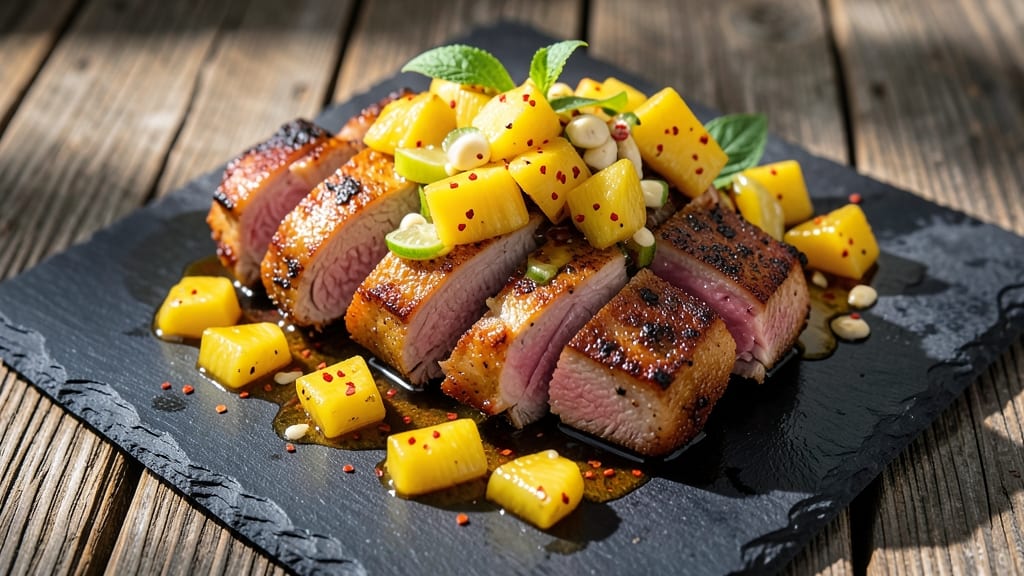
This pineapple chutney recipe for pork transforms tough cuts into melt-in-your-mouth tenderness with its tropical sweetness and aromatic spices. I first discovered this technique while cooking pork tenderloin for a summer dinner party—what started as a simple marinade turned into an irresistible braise that had everyone asking for seconds. The chutney's tangy-sweet profile cuts through the richness of pork while infusing it with layers of flavor that build as it cooks.
The magic happens in the slow braising process, where the pineapple's natural enzymes tenderize the meat while the chutney's spices—ginger, garlic, and chili—penetrate deeply. I use a blend of fresh pineapple and its juices to create a glossy, flavorful sauce that clings to every bite.
This isn't just a sauce; it's the star of the dish, balancing sweet, spicy, and umami notes that elevate even the simplest pork cut.
By the time you serve this dish, you'll have perfectly tender pork with a caramelized exterior and a sauce that's rich yet bright. The chutney's sweetness mellows as it cooks, leaving behind a complex, aromatic glaze that pairs beautifully with rice, roasted sweet potatoes, or a fresh green salad.
It's the kind of dish that feels special but comes together with straightforward techniques—ideal for weeknight dinners that impress.
What makes this recipe truly special is its versatility—use it with pork ribs, tenderloin, or even pork belly, and adjust the cooking time to match your preferred texture.
The chutney keeps well in the fridge for up to a week, so you can make a batch ahead and use it on multiple occasions. Let's get cooking!
Ingredients for pineapple chutney recipe for pork
Tropical flavors meet tender pork in this sweet-spicy chutney braise.
| Ingredient | Amount | Notes |
|---|---|---|
| Pork Tenderloin 🍖 | 1 ½ lb | Boneless, trimmed of fat |
| Fresh Pineapple 🍍 | 1 cup | Finely diced, including juices |
| Pineapple Juice 💧 | ½ cup | Freshly squeezed from fruit |
| Fresh Ginger 🌿 | ½ cup | Finely grated, aromatic |
| Garlic Cloves 🧄 | 6 cloves | Minced, aromatic |
| Red Chili Peppers 🌶️ | 2 whole | Fresh, seeded and minced |
| Onion 🧅 | 1 whole | Yellow, finely diced |
| Olive Oil 🫒 | ¼ cup | Extra-virgin for richness |
| Brown Sugar 🍚 | ¼ cup | Light or dark preferred |
| Soy Sauce 🍶 | ¼ cup | Light or dark preferred |
| Apple Cider Vinegar 🍎 | 2 tbsp | For tangy brightness |
| Salt 🧂 | 1 ½ tsp | Kosher or sea salt |
| Black Pepper 🌶️ | ½ tsp | Freshly ground preferred |
| Ground Cumin 🌿 | 1 tsp | Toasted for depth |
| Ground Coriander 🌿 | ½ tsp | Freshly ground preferred |
The pineapple is the secret weapon here—fresh, ripe fruit makes all the difference. Trader Joe's or Costco often carry pre-cut pineapple chunks, but whole fruit is best for juices. Look for ginger with tight, smooth skin—no wrinkles or soft spots. The chili peppers? Jalapeños or serranos work perfectly, but adjust heat to taste. If you're feeling fancy, toast the cumin and coriander seeds whole before grinding for extra depth—worth the extra minute. For the pork, tenderloin is ideal, but ribs or shoulder work too with adjusted cooking time.
No fresh pineapple? Canned pineapple in juice (not syrup) works in a pinch, but drain it well. Short on ginger? Ginger powder at half the amount gets you close, though fresh is better. The chutney's sweetness comes from both pineapple and brown sugar—reduce sugar by 1 tbsp if your pineapple is very sweet. Soy sauce adds umami depth, but coconut aminos work too if you're avoiding gluten. For extra tang, add 1 tsp of lime juice at the end. The chutney thickens as it cooks, so if it's too thin, simmer uncovered for 5-10 minutes to reduce.
This chutney reheats beautifully—simmer on the stove for 5-10 minutes until warmed through. Keeps in the fridge for 5-7 days in an airtight container, or freeze for 3 months. I like to make a double batch—half for the pork, half for tacos, bowls, or grilled fish. The pork itself? Cooks in 30-45 minutes depending on cut, but the chutney gets better overnight as flavors meld. Leftovers? Slice and reheat in a skillet for crispy edges.
Why You'll Love This Recipe
- Same recipe, different vibes: quick weeknight dinner or impressive guest meal. The chutney keeps well, so I make extra for sandwiches or tacos the next day—zero waste, all flavor.
- One-Pan Magic: I swear by this for lazy nights—the pork and chutney simmer together in the same pan, no extra dishes. Just slice the ginger thin, toss in the garlic, and let the pineapple juice do the work while you sip your wine.
- Sweet-Spicy Balance: That first bite? The caramelized pork meets the tangy-sweet chutney—ginger’s kick and garlic’s depth cut through the pineapple’s brightness. It’s the kind of flavor that makes you want to close your eyes and savor it.
- Weeknight to Dinner Party: Same recipe, different vibes: quick weeknight dinner or impressive guest meal. The chutney keeps well, so I make extra for sandwiches or tacos the next day—zero waste, all flavor.
Step-by-step instructions for pineapple chutney braised pork
Here's how to create a perfectly tender pork tenderloin with a vibrant tropical chutney that melts into the meat.
Prepare the Pork and Aromatics
Pat the 1.5 lb pork tenderloin completely dry with paper towels—this ensures a good sear later. Season generously with 1.5 tsp salt, 0.5 tsp black pepper, 1 tsp ground cumin, and 0.5 tsp ground coriander, pressing the spices into the meat so they adhere. Let it sit at room temperature for 30 minutes while you prep the rest.
In a large bowl, combine the 1 cup finely diced fresh pineapple (including juices), 0.5 cup pineapple juice, 0.5 cup finely grated fresh ginger, 6 minced garlic cloves, 2 minced red chili peppers (seeds removed), and 1 finely diced whole onion. Mix thoroughly—this is your flavor base. The pineapple's acidity will tenderize the pork while the ginger and chili add depth.
Sear the Pork and Build the Braise
Heat 0.25 cup olive oil in a Dutch oven over medium-high heat. Once shimmering, add the pork and sear for 4-5 minutes per side until deeply golden brown. Remove the pork and set aside—it should be caramelized but not fully cooked through. This step locks in juices and builds flavor.
In the same pot, reduce heat to medium and add the pineapple mixture. Cook for 5 minutes, stirring occasionally, until the onions soften and the raw ginger scent transforms into a warm aroma. Add 0.25 cup brown sugar, 0.25 cup soy sauce, and 2 tbsp apple cider vinegar, stirring until the sugar dissolves. The vinegar will brighten the flavors while the soy sauce adds umami depth.
Braise Until Fork-Tender
Return the pork to the pot, nestling it into the chutney mixture. Pour in enough water to come about halfway up the pork—this creates a gentle braising liquid. Bring to a simmer, then reduce heat to low, cover, and let it cook for 1 hour and 15 minutes. The pork is done when it reaches an internal temperature of 145°F and a fork slides in easily.
During the last 15 minutes, uncover the pot and increase heat to medium to reduce the sauce slightly. This concentrates the flavors and creates a glossy, clinging coating. The pineapple's natural sweetness will caramelize, balancing the heat from the chili peppers and the tang from the vinegar.
Rest and Serve
Transfer the pork to a cutting board and let it rest for 10 minutes before slicing. This resting period allows the juices to redistribute, ensuring each bite is moist and flavorful. Meanwhile, skim any excess fat from the braising liquid and adjust the seasoning if needed—add a splash of pineapple juice if the sauce is too thick.
Slice the pork into ½-inch thick medallions and spoon the chutney over the top. The tender meat should absorb the vibrant sauce, creating a harmonious blend of sweet, spicy, and tangy flavors. Serve with steamed jasmine rice or crusty bread to soak up every last drop of that tropical chutney.
Pro Tips For Making Pineapple Chutney Recipe For Pork
- CHAR THE PINEAPPLE FIRST: I learned this the hard way—raw pineapple chunks in chutney taste like sad, watery mush. Sear them in a hot pan with a splash of pineapple juice for 2-3 minutes until their edges caramelize slightly. That’s when the sweetness concentrates and the texture stays firm, not mushy.
- SALT THE PORK TWICE: Don’t just season once. Pat the tenderloin dry, then hit it with a heavy dose of salt before any searing or marinating—let it sit for 30 minutes. After cooking, give it another light salt hit while resting. The first layer seasons deep, the second wakes up the flavors after heat.
- STOP WHEN IT’S 145°F: Pork tenderloin’s small size means it cooks fast—pull it out at 145°F internal temp, not when it looks "done." Overcooking turns it dry, and you’ll end up fighting the chutney’s sweetness to balance the meal. A quick rest under foil keeps it juicy while you finish the sauce.
- USE GINGER-GARLIC PASTE: Grating fresh ginger and garlic is a pain, but blending them into a paste with a splash of pineapple juice makes it foolproof. The paste clings better to the pork during searing, and you won’t burn the garlic while the chutney simmers. Store-bought paste works in a pinch, but fresh tastes like a whole different dish.
Regional styles of this dish
Caribbean Fusion Style
In the Caribbean, pineapple chutney gets a bold twist with additions like scotch bonnet peppers and allspice—both staples in island cooking. I like to add 1 scotch bonnet pepper (seeds removed) and ½ tsp ground allspice to the chutney base.
The heat from the scotch bonnet elevates the dish, while allspice adds a warm, earthy depth that pairs beautifully with grilled pork. Serve with coconut rice and grilled plantains for an authentic island experience. 🌴
Thai-Inspired Glaze
Thai cuisine takes pineapple chutney to another level by incorporating fish sauce, lime zest, and Thai basil. For a Thai-inspired version, add 2 tbsp fish sauce, zest of 1 lime, and ¼ cup chopped Thai basil to the finished chutney.
This transforms it into a sticky, aromatic glaze perfect for Thai-style pork tenderloin skewers or pork satay. The fish sauce adds umami, while lime zest brightens the flavors. Garnish with extra basil leaves before serving. 🌶️
Southern U.S. BBQ Twist
In the American South, pineapple chutney gets a smoky, sweet profile with honey and smoked paprika. Replace half the brown sugar with ¼ cup honey and add 1 tsp smoked paprika to the chutney. This version works wonderfully with slow-smoked pork ribs or pulled pork sandwiches.
The honey caramelizes beautifully, while the paprika adds a subtle smokiness that complements BBQ flavors. Serve with coleslaw and cornbread for a Southern feast. 🔥
Indian Masala Chutney
Indian cuisine transforms pineapple into a vibrant masala chutney with garam masala and fennel seeds. Add 1 tsp garam masala and ½ tsp crushed fennel seeds to the chutney base. This version pairs perfectly with tandoori-style pork or pork kebabs.
The garam masala adds warmth, while fennel seeds bring a subtle anise-like note. Serve with naan bread or basmati rice for a fusion feast. 🌿
Portland-Style Fusion
Here in Portland, I love blending global flavors with local ingredients. For a Pacific Northwest twist, add 2 tbsp local honey (from a farmers market) and 1 tsp fresh rosemary to the chutney. This version works beautifully with grilled pork tenderloin and roasted beets.
The honey adds local sweetness, while rosemary brings a fresh, herbal note. Serve with quinoa salad and pickled onions for a modern, balanced meal. 🌱
Nutrition facts
Frequently asked questions
Can I use canned pineapple instead of fresh?
Yes, but drain it thoroughly to avoid excess liquid in your chutney. Look for pineapple in juice (not syrup) and measure 1 cup of drained chunks plus ½ cup extra juice to replace the fresh ingredients. The texture will be slightly different, but the flavor works well. For extra brightness, add 1 tsp lime juice at the end.
How do I adjust the heat level in this chutney?
Start by removing seeds from the chili peppers for milder heat, or use jalapeños instead of serranos. For extra spice, add ½ tsp cayenne pepper or 1 thinly sliced fresh chili (like a Thai bird's eye) during the last 10 minutes of cooking. Always taste as you go!
What's the best way to reheat leftovers?
For the pork, reheat slices in a skillet over medium heat for 3-4 minutes per side until warmed through. For the chutney, simmer in a saucepan over low heat for 5-7 minutes, stirring occasionally. Add 1 tbsp water or pineapple juice if it thickens too much. Never microwave—it makes the sauce watery.
Can I make this chutney ahead of time?
The chutney tastes even better after 24 hours as flavors meld. Store it in an airtight container in the fridge for up to 1 week, or freeze for 3 months. For the pork, marinate it in half the chutney ingredients (without sugar) for 4-6 hours before cooking—this infuses incredible flavor.
What other proteins work well with this chutney?
This tropical chutney pairs beautifully with chicken thighs, shrimp skewers, or even tofu for a vegetarian option. For pork alternatives, try it with pork ribs (increase cooking time to 2-3 hours) or pulled pork—the sweet-spicy balance cuts through rich, fatty meats wonderfully.