
Main Courses
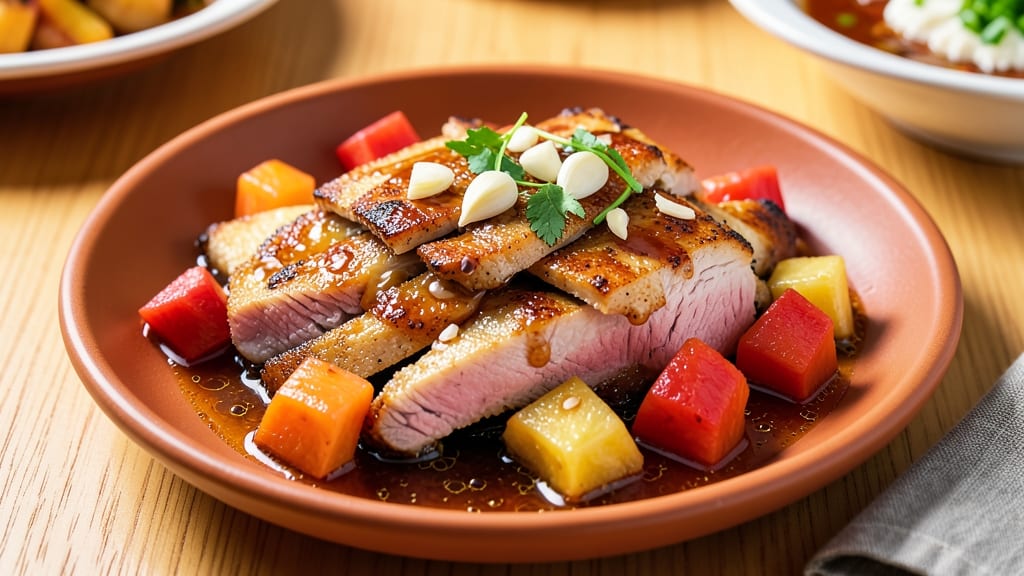
This pork belly pineapple adobo recipe delivers the perfect balance of crispy, caramelized rind and tender, tangy-sweet meat that'll transport you straight to a Filipino family kitchen. 🌟 The secret lies in braising the pork belly until it's fork-tender, then finishing it with a vibrant adobo sauce infused with pineapple's natural tenderness.
I've perfected this technique over years of cooking for crowds, and it never fails to impress.
The magic happens in the slow cooking process, where the pork belly transforms from tough to melt-in-your-mouth perfection. The adobo sauce—made with vinegar, soy sauce, and sugar—creates a glossy, slightly sticky glaze that clings beautifully to both the meat and crispy rind.
Pineapple not only adds natural sweetness but also breaks down the collagen in the pork belly, resulting in that signature tender texture.
What you'll end up with is a dish that's rich, flavorful, and visually stunning—golden-brown pork belly with crispy edges, served in its aromatic sauce. The combination of textures and flavors makes this more than just a meal; it's an experience that'll have everyone asking for seconds.
This recipe serves 6 and takes about 3 hours to prepare, but the wait is absolutely worth it.
Perfect for special occasions or when you want to treat your family to a restaurant-quality meal at home. The leftovers reheat beautifully, making it an excellent choice for meal prep. Let's get cooking!
Ingredients for pork belly pineapple adobo
Six ingredients transform tough pork belly into melt-in-your-mouth perfection with golden crispy rind.
| Ingredient | Amount | Notes |
|---|---|---|
| Pork Belly (Skin-On) 🥓 | 3 lb | Thick-cut, rolled or whole piece |
| Fresh Pineapple (Cubed) 🍍 | 1 ½ cups | Freshly cubed, no syrup |
| Cane Vinegar 💧 | ½ cup | White or apple cider vinegar |
| Soy Sauce 🍶 | ½ cup | Light or all-purpose soy |
| Brown Sugar 🍚 | ½ cup | Packed, light or dark |
| Garlic Cloves 🧄 | 6 cloves | Minced, fresh preferred |
| Onion (Yellow) 🧅 | 1 whole | Chopped, medium size |
| Bay Leaves 🌿 | 2 whole | Dried or fresh |
| Ground Black Peppercorns 🌶️ | 1 tsp | Freshly cracked |
| Salt 🧂 | 1 ½ tsp | Kosher or sea salt |
| Olive Oil 🫒 | 2 tbsp | Extra-virgin for crisping |
| Fresh Ginger (Optional) 🌿 | 1 tbsp | Grated, for extra zing |
| Water 💧 | 1 cup | For braising liquid |
Pork belly is the star here—look for thick-cut pieces with good marbling for that signature crispy rind. Filipino markets or specialty butchers often carry the best cuts, but most grocery stores stock it too. If you can't find a whole piece, Costco's pre-sliced pork belly works perfectly for this recipe. The skin should be thick and unbroken—this is what'll give you that irresistible crunch. For the pineapple, fresh is non-negotiable (the canned stuff won't cut it here)—pick one that's ripe but firm, with vibrant green leaves still attached. The freshness makes all the difference in that tangy-sweet balance.
No cane vinegar? Apple cider vinegar or white vinegar works just fine—it's all about that acidity. Swapping soy sauce? Coconut aminos gives a similar umami punch, though the color will be lighter. Running short on brown sugar? Honey or maple syrup at the same amount keeps things sweet, but the caramelization will be slightly different. For the garlic, if you're not a fan of mincing, garlic powder at half the amount is a decent shortcut. And if you're feeling adventurous, add that fresh ginger—it adds a bright, citrusy note that cuts through the richness beautifully. The bay leaves? Don't skip them—they add that subtle earthy depth that makes this dish taste restaurant-quality.
This dish tastes even better the next day, so make extra if you can. Store leftovers in the fridge for up to 5 days, covered with the sauce to keep it moist. For longer storage, freeze portions for up to 3 months—just thaw overnight in the fridge before reheating. The sauce thickens as it cools, so a splash of water or vinegar when reheating brings it back to perfection. And trust me, the crispy rind? That's the best part—so if you're reheating, cover it loosely with foil to keep it crispy while the meat stays tender.
Why You'll Love This Recipe
- One-Pan Magic: I swear by this—just toss the pork belly, pineapple, and sauce in one pan, let it simmer, and walk away. No chopping mountains of veggies or juggling three pots. That crispy skin and caramelized sugar? All hands-off.
- Sweet-Savory Balance: The cane vinegar cuts through the richness of the pork belly while the pineapple’s tang and brown sugar’s depth make every bite ridiculously good. It’s like a hug for your taste buds—sweet, salty, and just a little funky.
- Weeknight & Potluck Star: Between us, this feeds a crowd without stress. Double the batch, and you’ve got leftovers for lunches or a last-minute potluck dish. Honestly, I’ve served it at BBQs, family dinners, and even as a lazy Sunday brunch—it just works.
- Budget-Friendly Luxury: Pork belly feels fancy, but this recipe stretches it into multiple meals. The pineapple adds freshness without breaking the bank, and the vinegar-soy-sugar mix costs pennies. Fancy flavors, zero guilt—just pure satisfaction.
Step-by-step instructions for pork belly pineapple adobo
Here's how to transform that fatty pork belly into irresistible crispy bites with a sticky-sweet glaze.
🔥 Step 1: Render the Fat and Crisp the Skin
Preheat your oven to 400°F. Place the 3 lb pork belly (skin-on) skin-side down in a cold roasting pan. This slow render creates the perfect crispy skin we're after. Slide it into the oven and roast for 1 hour until the fat renders out and the skin turns golden brown.
Here's the thing—don't peek! Every time you open the oven, you lose heat and steam the skin. After 1 hour, flip the pork belly skin-side up and return to the oven for another 30 minutes. You'll know it's ready when the skin is deep golden brown and crispy enough to crackle when you press it gently. The fat should pool in the pan about ½ inch deep—this is liquid gold for our glaze.
🍳 Step 2: Build the Tangy-Sweet Glaze
While the pork belly crisps, heat 2 tablespoons olive oil in a large skillet over medium heat. Add the chopped yellow onion and cook for 5 minutes until softened. Toss in the 6 minced garlic cloves and 1 tablespoon grated fresh ginger (if using), cooking for another 1 minute until fragrant.
Pour in the ½ cup cane vinegar and ½ cup soy sauce, scraping up any browned bits from the bottom. Add the ½ cup brown sugar, 1½ teaspoons salt, and 1 teaspoon ground black peppercorns. Bring to a simmer and cook for 3-4 minutes until slightly thickened. The aroma should be intoxicating—tangy, sweet, and slightly smoky.
🥘 Step 3: Braise the Pork Belly
Carefully transfer the crispy pork belly to a Dutch oven or deep oven-safe skillet. Pour the glaze mixture over the pork, then add the 1½ cups fresh pineapple (cubed), 2 bay leaves, and 1 cup water. The liquid should come about halfway up the sides of the pork belly.
Bring everything to a gentle boil over medium-high heat, then reduce to low heat and cover. Simmer for 1 hour, turning the pork belly occasionally to ensure it cooks evenly. The pork is done when a meat thermometer inserted into the thickest part reads 195-200°F—this ensures it's fork-tender with just a touch of resistance.
🔥 Step 4: Finish with Crispy Skin and Glossy Glaze
Remove the pork belly from the braising liquid and place it back in the roasting pan, skin-side up. Return it to the oven and broil for 3-5 minutes until the skin is deep golden brown and crackling again. This final step intensifies the flavors and gives that irresistible crunch.
While the pork finishes, skim off any excess fat from the braising liquid and return it to medium heat. Simmer uncovered for 5-7 minutes until the liquid reduces to a glossy glaze that coats the back of a spoon. Taste and adjust seasoning—you might need a splash more soy sauce or a pinch of salt to balance the sweetness.
🍽️ Step 5: Rest and Serve with Confidence
Let the pork belly rest for 10 minutes before slicing. This resting period allows the juices to redistribute, ensuring each bite is moist and flavorful. Use a sharp knife to slice the pork belly into ½-inch thick pieces, cutting through the skin and meat together.
Serve the crispy pork belly slices over steamed rice, drizzled generously with the tangy-sweet glaze. The contrast of crispy skin, tender meat, and fruity glaze is what makes this dish so irresistible. Garnish with extra pineapple cubes if you're feeling fancy—it adds a bright, juicy pop of color and flavor that ties everything together.
Pro Tips For Making Pork Belly Pineapple Adobo
- CRISP THE SKIN FIRST: Score the pork belly skin in a crosshatch pattern before cooking—this lets fat render out cleanly and gives you that coveted crackling. I used to skip this and ended up with greasy, limp skin that didn’t crisp no matter how long I baked it.
- COOK THE PINEAPPLE SEPARATELY: Toss pineapple cubes in a splash of vinegar and brown sugar, then sear them in a hot pan for 2 minutes before adding to the pork. This caramelizes the edges and keeps the fruit from turning mushy in the adobo sauce—trust me, it makes a difference.
- DON’T RUSH THE REDUCTION: Let the adobo sauce simmer uncovered until it coats the back of a spoon. I’ve learned the hard way that rushing this step leaves you with a watery, bland sauce instead of something rich and sticky that clings to the pork.
- USE THICK-CUT BELLY FOR CRISPY FAT: Skip the pre-sliced pork belly from the grocery store—ask your butcher for a thick, untrimmed cut (at least 1.5 inches). The extra fat renders slower, keeping the meat juicy while the skin gets properly crisp. Yes, it’s pricier, but the texture is worth it.
Flavor customization for this pork belly pineapple adobo
Sweet Heat Balance
Adjust the sweet-to-tangy ratio by tweaking the sugar and vinegar. For more heat, add 1-2 tbsp of chili flakes or a splash of sambal oelek to the braising liquid. I once served this with pickled jalapeños on the side—trust me, the contrast is next-level. 🌶️
Umami Boosters
Swap soy sauce for ½ cup coconut aminos for a lighter profile, or add 1 tbsp fish sauce for deeper umami. I keep a bottle of Red Boat fish sauce in my pantry—it’s worth every penny for that authentic Filipino depth.
For extra richness, stir in 1 tbsp of oyster sauce during the final reduction.
Herb Variations
Infuse the glaze with 1 tbsp of chopped Thai basil or cilantro for a Southeast Asian twist. Fresh herbs brighten the dish, especially if you’re serving it with steamed jasmine rice or garlic fried rice. I garnish mine with lime wedges—the citrus cuts through the richness beautifully.
Spiced Pineapple
For a tropical twist, toss the pineapple cubes with ½ tsp ground cinnamon and ¼ tsp nutmeg before adding them to the braise. The warm spices complement the pork belly’s fat perfectly.
This variation reminds me of my first trip to Hawaii, where I fell in love with sweet-spiced pineapple dishes.
Slow-Cooker Adaptation
For hands-off cooking, transfer the braised pork belly (after crisping the skin) to a 6-quart slow cooker with the sauce and pineapple. Cook on low for 4-5 hours, then finish under the broiler for crispy skin.
This method is a game-changer for busy weeknights—just set it and forget it! ⏰
Crispy Skin Shortcut
Skip the oven step and sear the pork belly skin-side down in a cold skillet over low heat for 15 minutes until crispy. This works in a pinch, though it won’t render as much fat.
I’ve done this when my oven was occupied, and it still delivers that addictive crunch. Pair it with garlic mashed potatoes for a hearty meal.
Nutrition facts
Frequently asked questions
Why does this recipe use fresh pineapple instead of canned?
Fresh pineapple adds natural sweetness and enzymes that tenderize the pork belly beautifully. Canned pineapple contains preservatives that won't break down the meat's collagen the same way. Plus, fresh pineapple gives that bright, juicy pop of flavor that makes this dish truly special! The fresh fruit also helps balance the tangy-sweet adobo sauce perfectly.
How do I know when the pork belly is fully cooked?
Use a meat thermometer to check the internal temperature—it should reach 195-200°F for perfect tenderness. The meat will pull away from the bone easily, and the fat should render completely. If you don't have a thermometer, cut into the thickest part: it should be fork-tender with just a slight resistance. Never overcook it, or the skin will become rubbery!
Can I make this recipe without an oven?
For the crispy skin, use a cold skillet over low heat and sear the pork belly skin-side down for 15-20 minutes until golden. Then proceed with the braising steps in a Dutch oven on the stovetop. The texture won't be quite as crispy, but it'll still be delicious. This stovetop method works perfectly for apartment kitchens or when your oven's occupied!
What's the best way to reheat leftovers?
Reheat in a skillet over medium-low heat with a splash of water or vinegar to restore moisture. Cover loosely with foil to keep the skin crispy while warming through. Microwaving works in a pinch, but it'll make the skin soggy. Leftovers taste even better the next day—just reheat gently and serve with extra glaze for maximum flavor!
How can I make this dish spicier?
Add 1-2 tbsp of chili flakes or 1 tbsp sambal oelek to the braising liquid. For extra heat, serve with pickled jalapeños or a side of sriracha-lime dipping sauce. I also love adding ½ tsp cayenne pepper to the glaze during the final reduction. Just remember—Filipino adobo traditionally balances sweet, sour, and umami, so add heat gradually!