
Main Courses
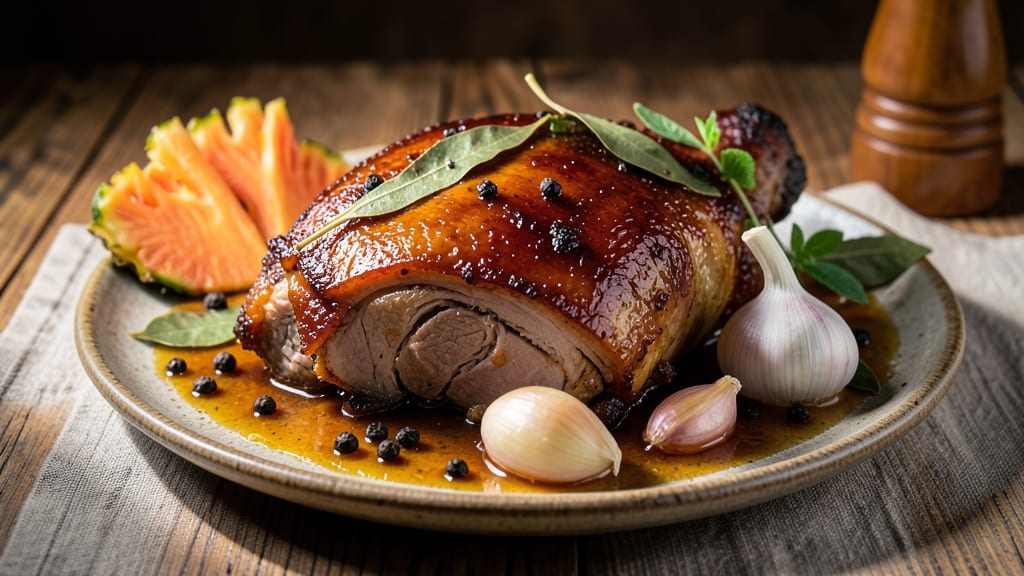
This Filipino-style pork hamonado recipe transforms tough pork shoulder into melt-in-your-mouth perfection using pineapple juice's magic. 🌟 The tropical acidity tenderizes while caramelizing the meat into sweet-tart glazed slices that'll have everyone asking for seconds.
I first discovered this technique while researching Filipino comfort food, and it quickly became a family favorite—especially when served with garlic rice and atchara.
The secret lies in the 3-stage process: first marinating the pork in pineapple juice and spices for deep flavor penetration, then braising until fork-tender, and finally glazing with reduced pineapple for that signature caramelized finish.
What makes this different from other braised pork recipes is how the pineapple juice works double duty—breaking down fibers for tenderness while infusing that bright, tropical sweetness that defines Filipino cooking.
By the time you're done, you'll have perfectly glazed pork slices with crisp edges and juicy centers, all coated in that irresistible sweet-tart sauce. The aroma alone will fill your kitchen with warmth, while each bite delivers a perfect balance of savory, sweet, and tangy flavors.
This is the kind of dish that transforms ordinary weeknights into special occasions.
Pair it with steamed jasmine rice, garlic fried rice, or atchara for the full Filipino feast experience. The leftovers reheat beautifully too, making this an ideal meal prep option for busy weeks. Let's get cooking—your taste buds will thank you.
Ingredients for pork hamonado recipe filipino style with pineapple juice
Pineapple juice, tender pork, and aromatic spices—this Filipino comfort food delivers melt-in-your-mouth perfection.
| Ingredient | Amount | Notes |
|---|---|---|
| Pork Shoulder (Bone-In) 🥩 | 3 lb | Cut into 1-inch thick slices |
| Fresh Pineapple Juice 🍍 | 2 cups | From 1 medium fresh pineapple |
| Garlic Cloves 🧄 | 8 cloves | Minced for marinade and sauce |
| Bay Leaves 🍃 | 4 whole | Dried or fresh for depth |
| Black Peppercorns 🌶️ | 1 tsp | Crushed for marinade |
| Salt 🧂 | 1 ½ tsp | Kosher or sea salt |
| Olive Oil 🫒 | ¼ cup | For searing pork |
| Soy Sauce 🥢 | ¼ cup | For umami depth |
| Brown Sugar 🍚 | ½ cup | Packed for caramelization |
| White Vinegar 🍶 | 1 tbsp | Balances sweetness |
| Green Onions 🧅 | ¼ cup | Sliced for garnish |
| Fresh Ginger 🌿 | 1 tbsp | Grated for marinade |
| Water 💧 | 1 cup | For braising liquid |
| Cinnamon Stick 🌰 | 1 whole | Optional for warmth |
The pork shoulder is non-negotiable here—bone-in for flavor, thick slices for even cooking. Local butchers often have it pre-cut, but if you're buying a whole shoulder, ask for 1-inch slices. Fresh pineapple juice is key; Trader Joe's or Asian markets usually carry it pre-made, but nothing beats squeezing it yourself. Look for pineapples with vibrant green leaves—they're sweeter. The garlic and ginger should be freshly minced (not pre-minced jars)—that's where the real flavor lives. I always double-check my bay leaves are dried and whole, not crumbled, for maximum aroma.
No fresh pineapple juice? Canned pineapple juice works in a pinch (just avoid the syrupy kind), or you can use pineapple chunks blended with water. Short on soy sauce? Coconut aminos gives a similar umami punch. The brown sugar should be packed—don't scoop it loosely. If you're avoiding sugar, coconut sugar or monk fruit sweetener works beautifully. For extra depth, add a pinch of ground cloves to the marinade. The pork will develop its signature caramelized crust from the reduced pineapple sauce, so don't skip the final glazing step—it's what makes this dish special.
Pork slices keep beautifully in the fridge for 5-6 days when stored in their braising liquid. The sauce thickens as it cools, so just reheat gently with a splash of water. For meal prep, portion into containers with rice—it reheats like a dream. Freeze portions for up to 3 months by wrapping tightly in foil. Pro tip: Save the leftover pineapple rinds! Simmer them with water for a quick pineapple broth for next time. The leftovers actually taste better the next day as the flavors meld.
Why You'll Love This Recipe
- One-Pot Magic: I swear by this recipe when I’m too tired to dirty more than one pan. The pork shoulder goes in raw, the pineapple juice does all the work—no flipping, no fuss—just simmer until it’s fall-apart tender. Honestly, the only prep is peeling garlic and crushing peppercorns.
- Sweet-Savory Bomb: That balance of tangy pineapple juice and deep, caramelized pork? It’s the kind of flavor that makes you pause mid-bite. The garlic and bay leaves add this earthy backbone, but the pineapple keeps it bright—like a hug in a dish.
- Budget Stretch: Pork shoulder is cheap, and a single pineapple lasts for multiple batches. I’ll be real: this feeds six for under $15, and the leftovers stretch into wraps, sandwiches, or even fried rice. (Yes, even on a Tuesday night.)
Step-by-step instructions for pork hamonado with pineapple glaze
Here's how to transform tough pork shoulder into melt-in-your-mouth hamonado with that signature sweet-tart pineapple glaze.
🔥 Step 1: Sear the Pork Shoulder for Deep Flavor
Pat the 3 lb pork shoulder dry with paper towels—this ensures maximum browning. Heat ¼ cup olive oil in a large Dutch oven over medium-high heat until shimmering. Working in batches, sear the pork slices on all sides for 3-4 minutes per side until deeply golden brown. You'll smell that irresistible meaty aroma developing.
This searing step creates the Maillard reaction that builds complex flavors. Don't rush it—you want that caramelized crust that'll dissolve into the braising liquid. Transfer the seared pork to a plate and set aside, leaving all that precious rendered fat in the pot (this is flavor gold).
👨🍳 Step 2: Build the Aromatic Marinade Base
In the same Dutch oven, add 8 minced garlic cloves and 1 tbsp grated fresh ginger. Sauté for 1 minute until fragrant—this releases their essential oils. Add 4 whole bay leaves, 1 whole cinnamon stick, 1 tsp crushed black peppercorns, and 1.5 tsp salt, stirring for 30 seconds to toast the spices gently.
Pour in 2 cups fresh pineapple juice, scraping up any browned bits from the bottom. Add 1 cup water, ½ cup packed brown sugar, ¼ cup soy sauce, and 1 tbsp white vinegar. Bring to a simmer over medium heat, then reduce to a gentle bubble. This marinade base should smell like tropical paradise meets savory depth.
🥘 Step 3: Braise Until Fork-Tender
Return the seared pork to the Dutch oven, spooning the marinade over the top. Bring to a full simmer, then immediately reduce heat to low, cover tightly, and transfer to a 300°F oven. Braise for 2.5 hours, turning the pork occasionally to ensure even cooking and sauce absorption.
Here's the key: the pork is done when it's fork-tender with no resistance—this usually happens around 200°F internal temperature. If the liquid reduces too much before then, add ¼ cup water to maintain moisture. The longer it braises, the more tender and flavorful it becomes.
🔥 Step 4: Reduce the Glaze to Perfect Consistency
Remove the pork and strain the braising liquid through a fine-mesh sieve into a saucepan, discarding the solids. Return to medium-high heat and simmer uncovered for 10-12 minutes, stirring frequently, until reduced by half and syrupy. You're looking for a glaze that coats the back of a spoon—this should take about 8 tablespoons of reduced liquid.
For extra depth, whisk in 2 tbsp reserved pineapple juice (strained) to balance the sweetness. Taste and adjust seasoning—you might need a pinch more salt or a squeeze of vinegar to cut through the sweetness. The glaze should be glossy with a perfect balance of sweet, tangy, and umami.
🍽️ Step 5: Glaze and Garnish for Restaurant-Worthy Presentation
Return the pork to the saucepan with the reduced glaze. Spoon the sauce over the pork and simmer for 2-3 minutes to coat evenly. Transfer to a serving platter and garnish with ¼ cup sliced green onions. Serve immediately with steamed rice to soak up that luscious glaze—each bite should deliver tender, juicy pork with that perfect sweet-tart pineapple finish.
Pro tip: If you have leftovers, store them in the glaze and reheat gently—the sauce will thicken further and become even more flavorful. This dish tastes even better the next day as the flavors meld further.
Pro Tips For Making Pork Hamonado Recipe Filipino Style With Pineapple Juice
- Brown the Pork First: Don’t skip the sear—get that pork shoulder sizzling hard on all sides before adding liquid. The crust locks in flavor and keeps the meat from turning into a bland, watery mess. I used to rush this, and the hamonado just tasted like boiled pork. Two minutes per side, high heat—no excuses.
- Strain That Juice: Fresh pineapple juice is non-negotiable, but strain it twice—first to remove pulp, then again if it’s still chunky. Thick pulp burns and makes the sauce bitter. I learned this after one batch tasted like overcooked fruit salad. A fine-mesh sieve and a little patience save you from regret.
- Don’t Overcrowd the Pot: If you’re using a Dutch oven or deep pan, add the pork in one layer first. Crowding steams the meat instead of browning it, and you’ll end up with uneven cooking. I’ve seen people shove in the whole shoulder at once—don’t be that person. Let it crisp, then add the liquid.
- Simmer Low and Slow: After the initial boil, drop the heat to a gentle simmer—you should barely see bubbles. Too much heat turns the pineapple juice into syrup and makes the pork tough. My first attempt was a disaster because I kept cranking the stove. Trust the process: 2–2.5 hours, low and steady.
Creative variations of pork hamonado recipe filipino style with pineapple juice
Sweet Heat Variations
Add 1 tbsp chili flakes or 2 tbsp Calabrian chili paste to the braising liquid for a sweet-spicy kick. I love this when serving to guests who enjoy heat—it balances the pineapple's sweetness beautifully. For extra depth, add 1 tbsp fish sauce to the marinade for umami complexity. 🌶️
Coconut Twist
Replace ½ cup water with ½ cup coconut milk in the braising liquid for a richer, tropical flavor. This works especially well if you're serving with coconut rice or lachon manok (Filipino-style fried chicken). The coconut milk adds natural sweetness that complements the pineapple perfectly.
Herb-Infused Glaze
Add 1 tbsp chopped fresh thyme or 1 tbsp chopped rosemary to the reduced glaze for an unexpected but delicious twist. These herbs pair surprisingly well with the pineapple's brightness. I discovered this variation while experimenting with fusion flavors—it adds an earthy note that elevates the dish to restaurant-quality.
Smoky Grilled Option
For a smoky twist, finish the pork under a hot grill or grill pan for 2-3 minutes per side after glazing. This creates beautiful char marks while keeping the interior tender. Serve with grilled pineapple slices on top for a visually stunning presentation that highlights the smoky-sweet contrast.
Slow Cooker Adaptation
Transfer the seared pork and marinade to a 6-quart slow cooker and cook on LOW for 6-8 hours instead of braising. This hands-off method works perfectly for weeknight cooking.
The pork will be just as tender, though the glaze will be slightly less concentrated—simmer it longer to achieve the same thickness.
Vegetarian Adaptation
For a meat-free version, use extra-firm tofu cut into thick slices and marinate in the same pineapple mixture. Press the tofu for 30 minutes before cooking to remove excess water.
Braise at 350°F for 2 hours instead of pork's cooking time. The texture won't be identical, but the sweet-tart flavor profile remains delicious with a lighter touch.
Nutrition facts
Frequently asked questions
Why does this recipe use pineapple juice instead of regular juice?
The pineapple juice is essential for two reasons: it tenderizes the pork through its natural enzymes while adding that signature sweet-tart flavor Filipino cooking loves. The acidity helps break down tough fibers, and the natural sugars caramelize beautifully during braising, creating that glossy glaze.
Can I substitute regular juice for the pineapple juice?
While you can use apple or orange juice in a pinch, you'll lose both the tenderizing effect and the authentic tropical flavor. For best results, use fresh pineapple juice—even canned works better than other juices. If you're avoiding sugar, try a mix of pineapple juice and a splash of vinegar for acidity.
How do I know when the pork is fully tender?
The pork is done when it easily falls apart with a fork and reaches an internal temperature of 200°F. Press it gently with tongs—if it offers no resistance and the juices run clear, it's perfect. The braising time varies slightly based on your oven, so check after 2 hours and test periodically.
What's the best way to reheat leftovers?
Reheat gently in a skillet with a splash of water or the reserved pineapple glaze over low heat for 5-7 minutes. Microwaving can make the glaze watery, and the pork may dry out. The flavors actually improve overnight as the sauce thickens further—this is why many Filipinos love reheating braised dishes.
Can I make this in an Instant Pot or pressure cooker?
Yes! Sear the pork first, then add all ingredients and pressure cook on high for 45 minutes. Release pressure naturally, then reduce the sauce separately. The cooking time will be faster, but the texture may be slightly different—expect more sauce absorption. For best results, finish with a quick pan sear to restore some crust.