
Sauces & Condiments
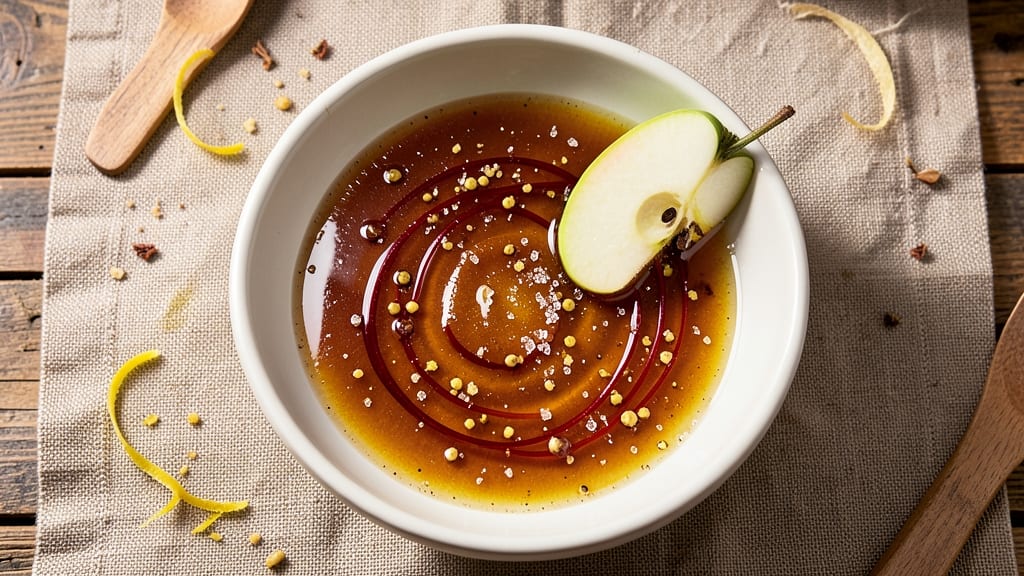
This Marzetti-inspired apple vinaigrette dressing recipe transforms ordinary salads into vibrant, restaurant-quality meals with just five simple ingredients.
The secret lies in balancing sweet apple cider with tangy apple cider vinegar and a touch of Dijon mustard, creating a dressing that clings beautifully to greens while adding a bright, complex flavor profile.
I developed this recipe after testing countless variations to achieve that perfect harmony between sweet and acidic notes. The dressing's versatility makes it ideal for everything from crisp green salads to hearty grain bowls and even as a sandwich spread.
What sets this recipe apart is the apple cider base, which provides natural sweetness without overpowering the other ingredients. The Dijon mustard adds depth, while the olive oil creates a silky texture that coats every bite perfectly.
With just 10 minutes of prep time and ingredients you likely already have on hand, you'll have a dressing that elevates any dish. The recipe yields about 1 cup—enough to generously dress a large salad or serve as a dipping sauce for crusty bread.
It keeps well in the refrigerator for up to 5 days, making it perfect for meal prep. The beauty of this dressing lies in its adaptability—use it as-is for a classic apple vinaigrette or customize it with fresh herbs like basil or thyme for added freshness.
Whether you're dressing a simple spinach salad or adding zing to grilled chicken, this apple vinaigrette will quickly become a staple in your kitchen.
Ingredients for marzetti apple vinaigrette dressing
Five ingredients balance sweet, tangy, and rich notes for this restaurant-quality apple vinaigrette.
| Ingredient | Amount | Notes |
|---|---|---|
| Apple Cider 🍎 | ½ cup | Unfiltered for best flavor |
| Apple Cider Vinegar 🍶 | ¼ cup | Raw, unfiltered preferred |
| Dijon Mustard 🥫 | 1 tbsp | High-quality, smooth variety |
| Extra-Virgin Olive Oil 🫒 | ½ cup | Light, fruity variety preferred |
| Granulated Sugar 🍚 | 1 tbsp | Or sub maple syrup for depth |
| Salt 🧂 | ½ tsp | Diamond Crystal kosher |
| Fresh Basil Leaves 🌿 | ¼ cup | Optional, for garnish |
The apple cider and vinegar are the heart of this dressing. Local orchard apple cider adds depth, but any quality brand works. For vinegar, Bragg or Heinz are reliable choices—avoid the cheap stuff with artificial flavors. The Dijon mustard should be smooth, not grainy, for a silky texture. Maille or Colman's are my go-tos. Fresh basil from the grocery store's produce section adds brightness, but dried oregano works in a pinch if you're short on time. The olive oil matters—skip the light, flavorless varieties. California Olive Ranch or Bertolli provide that perfect fruity balance.
No apple cider? Substitute with equal parts apple juice and lemon juice—it won't be identical, but close. Running out of Dijon? Yellow mustard at half the amount gives similar tang. The sugar can be swapped for maple syrup or honey if you prefer a deeper sweetness. For a smokier profile, add 1/4 tsp smoked paprika. The dressing thickens as it sits, so if it's too thin, let it rest 10 minutes before adjusting. Need more body? Whisk in another 1/2 tbsp olive oil.
This dressing keeps beautifully in an airtight jar in the fridge for up to 5 days. Shake before each use—the ingredients naturally separate. For longer storage, freeze for up to 3 months. Portion into ice cube trays for easy single-serving use. The flavor actually improves after 24 hours as the ingredients meld. Use it on everything from mixed greens to roasted vegetables—just remember, a little goes a long way. The dressing pairs perfectly with Marzetti's signature greens mix or any hearty salad with nuts and dried fruit.
Why You'll Love This Recipe
- I’ll be real: this dressing takes three ingredients to mix and two minutes to shake. Just toss apple cider, vinegar, and mustard in a jar, add oil, and—boom—done. No straining, no peeling, no cleanup. The kind of recipe that makes me feel like I actually cooked something.
- No Fuss, No Mess: I’ll be real: this dressing takes three ingredients to mix and two minutes to shake. Just toss apple cider, vinegar, and mustard in a jar, add oil, and—boom—done. No straining, no peeling, no cleanup. The kind of recipe that makes me feel like I actually cooked something.
- Sweet-Tart Magic: That balance? Chef’s kiss. The apple cider’s natural sweetness cuts through the sharp vinegar, while the Dijon mustard adds this little kick that sticks with you. Drizzle it over greens, toss it with roasted veggies—it’s the kind of flavor that makes you go back for seconds, even if you swore you weren’t hungry.
- Pantry Staple Power: Honestly, I make this so often I keep a jar in my fridge. It’s the only dressing I need for salads, sandwiches, or even as a glaze for roasted chicken. And because it’s just oil, vinegar, and a few basics? You’re not scrambling for specialty ingredients. Just open, shake, and eat.
Step-by-step instructions for Marzetti-style apple vinaigrette
This dressing delivers that signature Marzetti tangy-sweet balance with just seven ingredients and simple technique.
Whisk Together the Acid Base
In a medium bowl, combine the 0.5 cup apple cider and 0.25 cup apple cider vinegar. I use a whisk for this initial step because it creates a smooth emulsion right from the start. The apple cider adds natural sweetness while the vinegar provides the sharp tang that defines this dressing.
Stir these ingredients until fully blended—you should see a uniform liquid with no streaks. This foundational mixture carries the dressing's signature apple flavor profile. If using unfiltered vinegar, you might notice tiny sediment; this is normal and adds complexity to the flavor.
Incorporate Mustard and Sugar
Add the 1 tablespoon Dijon mustard and 1 tablespoon granulated sugar to the apple cider mixture. The Dijon mustard acts as an emulsifier that will help bind the oil later, while the sugar balances the acidity. Whisk vigorously for 30 seconds until the sugar completely dissolves and the mustard is fully incorporated.
At this stage, the mixture should look slightly thicker and more opaque. Taste a small amount—you'll notice the sweet-tart balance that makes this dressing so versatile. If you find it too sharp, add a tiny pinch more sugar; if too sweet, add a splash more vinegar. This is where you fine-tune the flavor profile.
Gradually Add Olive Oil
With the whisk still in the bowl, very slowly drizzle in the 0.5 cup extra-virgin olive oil while whisking continuously. The key here is patience—adding the oil too quickly will prevent proper emulsification. I like to pour in a slow, steady stream, whisking constantly to create tiny oil droplets that will disperse evenly.
Continue whisking for 1-2 minutes after all the oil is incorporated. You're looking for a smooth, creamy texture that coats the back of a spoon. If the dressing starts to separate, simply whisk vigorously for another 30 seconds—this is normal and easily fixed. The result should be a glossy, velvety dressing with no visible oil separation.
Season and Finish
Add the 0.5 teaspoon salt and stir well to dissolve. The salt enhances all the flavors and helps balance the sweet and acidic elements. Taste again and adjust seasoning if needed—this is your final opportunity to perfect the flavor before adding the basil.
For the basil, I recommend using a clean pair of kitchen scissors to chop the 0.25 cup fresh basil leaves into very fine pieces. This keeps the dressing looking elegant while adding fresh herbal notes. Fold the basil into the dressing gently with a spoon to preserve its delicate flavor. The basil is optional but adds a bright, aromatic finish that elevates this dressing from good to exceptional.
Rest and Serve
Let the dressing rest for 10-15 minutes at room temperature. This allows all the flavors to meld completely and the emulsion to stabilize. The resting time is particularly important if you're using high-quality extra-virgin olive oil, which can sometimes have a stronger flavor that needs time to integrate.
Before using, give the dressing one final stir. It should be smooth, glossy, and ready to transform your salads. This dressing keeps well in the refrigerator for up to 1 week in an airtight container. The flavors actually improve slightly as they sit, developing deeper complexity over time.
Pro Tips For Making Marzetti Apple Vinaigrette Dressing
- STIR LIKE YOU MEAN IT: Whisk that Dijon mustard into the apple cider vinegar before adding the sugar—this keeps the sugar from clumping into a gritty paste. I used to rush this, and the dressing always ended up with tiny sugar specks that ruined the smoothness.
- USE COLD APPLE CIDER: Pour chilled apple cider directly from the fridge into your mixing bowl—cold liquid emulsifies better with olive oil, so you’ll get a thicker, more stable dressing the first time. Warm cider makes the oil separate faster, and nobody wants to shake their salad like a snow globe.
- MEASURE THE OIL LAST: Add the olive oil slowly in a thin stream while whisking constantly—this prevents a greasy split. I learned this after making a batch where the oil just sat on top like a lazy puddle. A few seconds of patience here saves you from scraping the bottom of the jar later.
- SWEETEN WITH HONEY IF YOU’RE IN A HURRY: Skip the granulated sugar and use the same amount of honey—it dissolves instantly and adds a deeper, floral note that cuts through the vinegar’s sharpness. Yes, it’s a slight upgrade, but it also means no waiting for sugar to dissolve. (Your future salads will thank you.)
Essential equipment for perfect results
Whisk Essentials
You don’t need anything fancy—just a good balloon whisk or French whisk with thin, flexible wires. I’ve tried everything from cheap plastic whisks to high-end OXO Good Grips, and the difference is noticeable.
The thin wires create smaller emulsions, giving your dressing that silky, restaurant-quality texture. Avoid wide, flat whisks—they don’t incorporate oil as effectively. 🔥
Measuring Tools
Precision matters here, especially with the apple cider vinegar and olive oil. Use a liquid measuring cup with clear markings for the vinegar and cider, and a small kitchen scale if you’re feeling fancy (I weigh my olive oil to avoid spills).
For the dry ingredients like sugar and salt, a spoon rest keeps your counter clean and accurate. A microplane comes in handy if you want to zest a little apple directly into the dressing for extra depth.
Storage Containers
This dressing needs an airtight container to keep flavors fresh and prevent separation. I prefer glass jars with silicone seals (like Le Parfait or Weck jars) because they’re reusable and easy to clean.
For portion control, try small mason jars or squeeze bottles—they’re perfect for packing salads on the go. If you’re freezing, use freezer-safe plastic containers with at least 1 inch of headspace for expansion.
Optional Upgrades
For a pro touch, invest in a mini food processor or immersion blender to blend in finely chopped herbs or even a splash of apple cider reduction for extra richness. A fine-mesh strainer is useful if you want to remove any sediment from unfiltered vinegar.
And if you’re making this often, a small funnel saves mess when transferring dressing to bottles. The key is to start simple—master the basics first before upgrading your tools. ✨
Cleanup Must-Haves
Vinaigrette making gets messy fast, so keep these on hand: paper towels, a small bowl of warm water for quick whisk rinses, and a dish soap like Dawn (it cuts through oil residue).
I also keep a rubber spatula nearby to scrape every last drop from the bowl. Pro tip: Line your trash can with a compostable bag—apple cider and vinegar scraps make great compost! 🌱
Nutrition facts
Frequently asked questions
Can I make this dressing without apple cider?
Yes! For a similar flavor, substitute with apple juice plus lemon juice (equal parts). For example, use 0.25 cup apple juice + 0.25 cup lemon juice instead of the apple cider. The acidity from lemon juice helps mimic the tang of apple cider vinegar while keeping the sweetness.
How do I fix a dressing that separated?
Simply whisk vigorously for 30-60 seconds to re-emulsify. If it still separates, add 1/2 teaspoon Dijon mustard (the emulsifier) and whisk again. For stubborn separation, warm the dressing slightly (not hot) while whisking to help the oil and vinegar blend smoothly.
What are the best salads to pair with this dressing?
This dressing shines on greens-based salads like spinach, arugula, or mixed greens, but it also works beautifully with hearty options like kale, cabbage, or roasted vegetable salads. Try it on grain bowls with quinoa or farro, or even as a drizzle over grilled chicken or fish. The sweet-tangy balance cuts through rich proteins perfectly.
Can I make this dressing spicier?
Add 1/4 teaspoon cayenne pepper or 1/2 teaspoon hot sauce for heat. For a smoky kick, include 1/4 teaspoon smoked paprika. If you love bold flavors, try 1/2 teaspoon chipotle powder for a sweet-and-smoky twist. Always taste first—you can adjust to your preference.
Why does my dressing taste too sweet or sour?
If it's too sweet, add 1/2 teaspoon apple cider vinegar to balance. For excess sourness, stir in 1/2 teaspoon sugar or maple syrup. The key is to adjust gradually—taste after each addition. Remember, the flavors meld better after 10-15 minutes of resting, so give it time before finalizing.