
Sauces & Condiments
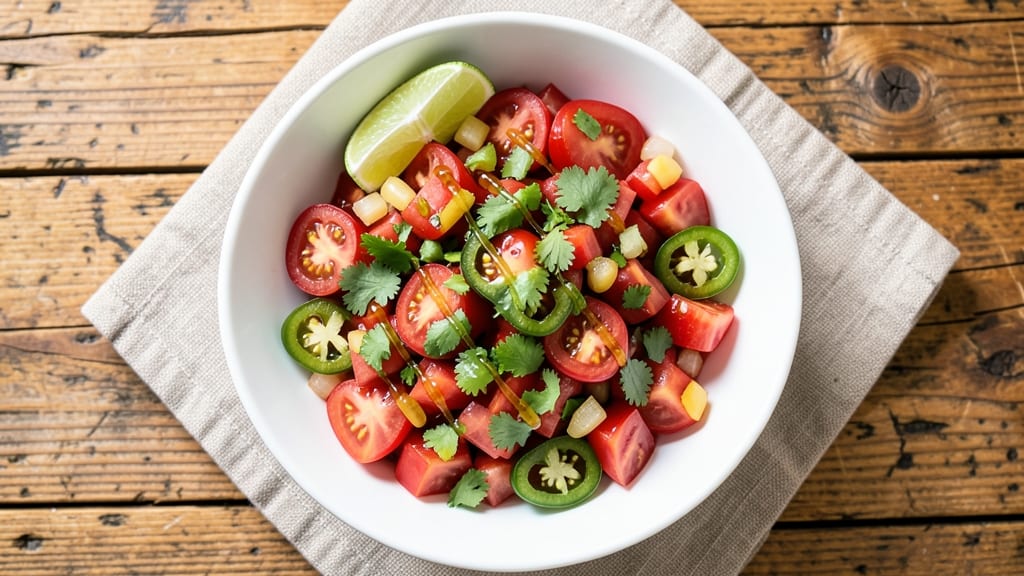
This fresh salsa recipe with apple cider vinegar transforms simple ingredients into a vibrant, tangy condiment that brightens every bite. The apple cider vinegar adds depth without overpowering the natural tomato flavor, creating a perfect balance of sweetness and acidity.
With just 10 minutes of prep, you'll have a salsa that's fresh enough to taste like summer in a jar.
The secret lies in the ratio of ingredients—ripe tomatoes, crisp onions, and fresh jalapeños are diced finely for texture, while the apple cider vinegar and lime juice work together to create that signature tang.
This isn’t your average salsa; it’s a restaurant-quality condiment that elevates everything from tacos to grilled meats. The chunky texture holds up beautifully, making it ideal for batch prep.
Once you taste this salsa, you’ll never go back to store-bought again. The vinegar cuts through the richness of fried foods, while the lime keeps it refreshing.
It stays fresh in the fridge for up to a week, so you can make a big batch and enjoy it all week long. Perfect for game day, taco nights, or as a zesty topping for burgers.
Whether you serve it with tortilla chips, drizzle it over grilled fish, or use it as a marinade, this salsa delivers bold flavor with minimal effort. The apple cider vinegar adds a subtle complexity that makes it stand out from traditional recipes. Let’s get started on this bright, tangy masterpiece!
Ingredients for fresh salsa recipe apple cider vinegar
Simple ingredients that pack a punch—this salsa comes together faster than you can say 'taco Tuesday.'
| Ingredient | Amount | Notes |
|---|---|---|
| Ripe Tomatoes 🍅 | 4 whole | Roma or vine-ripened preferred |
| Yellow Onion 🧅 | 1 whole | Medium size, diced finely |
| Fresh Jalapeños 🌶️ | 2 whole | Seeds removed for mild heat |
| Apple Cider Vinegar 🍏 | ¼ cup | Unfiltered for best flavor |
| Fresh Lime Juice 🍋 | ¼ cup | Freshly squeezed, no pulp |
| Fresh Cilantro 🌿 | ½ cup | Stems removed, chopped fine |
| Salt 🧂 | 1 tsp | Kosher or sea salt |
| Fresh Garlic 🧄 | 3 cloves | Minced finely for depth |
| Extra-Virgin Olive Oil 🫒 | 2 tbsp | For richness and balance |
| Honey 🍯 | 1 tbsp | Optional, for subtle sweetness |
The tomatoes are the heart of this salsa, so pick ripe ones—they should feel heavy for their size and smell sweet. Roma tomatoes are my go-to because they're meaty and less watery, but vine-ripened regular tomatoes work too. Jalapeños? Trader Joe's has the best fresh ones, but any bright green, firm peppers will do. The apple cider vinegar is non-negotiable—Bragg or local orchard brands add that perfect tang. If you can't find unfiltered, regular ACV still works, but the flavor won't be quite as complex. For the lime juice, Mexican limes are ideal, but regular limes in a pinch work fine—just strain out all the pulp.
No fresh cilantro? Dried cilantro or oregano at half the amount gives a similar earthy note. Short on jalapeños? Serrano peppers or a pinch of cayenne bring the heat. The honey is optional but balances the acidity beautifully—local raw honey adds subtle floral notes. For the olive oil, avoid light or refined oils—they lack the fruity depth this salsa needs. The garlic can be roasted for a sweeter flavor (just wrap the whole cloves in foil and roast at 400°F for 10 minutes), but raw minced works too. If you're making this ahead, add the lime juice and vinegar last to keep everything bright.
This salsa tastes even better the next day as the flavors meld. Store it in an airtight container in the fridge for up to 1 week. For longer storage, divide it into ice cube trays, freeze, then transfer to a bag—perfect for 3 months of quick portions. The texture stays chunky, so it's ideal for batch prep. If it gets too watery after a few days, just drain off the excess liquid and stir. Pro tip: Save the seeds and pulp from the jalapeños and lime—they make killer hot sauce too!
Why You'll Love This Recipe
- No-Fuss Assembly: I swear, this salsa comes together faster than my coffee brews—just chop, toss, and let the vinegar work its magic. The onions and jalapeños barely need dicing; rough chopping works just fine, and the tomatoes? I often use the "squeeze-and-squeeze" method straight from the vine.
- Tangy Twist: That apple cider vinegar is the MVP here—brightens the tomatoes without overpowering them, while the lime juice adds this just-right sharpness. Honestly, the heat from the jalapeños lingers in a way that’s addictive, but not overwhelming (unless you leave the seeds in, my spice-loving friend).
- Weeknight Staple: This salsa is my go-to for tacos, grilled fish, or even as a dip when I’m too tired to cook. Between us, I’ve used it to jazz up scrambled eggs on lazy Sundays and as a marinade for chicken—works every time. The vinegar keeps it fresh for days, so I make a big batch and forget about it.
- Budget Brightener: Fresh tomatoes and onions won’t break the bank, and a little vinegar goes a long way. I’ll be real: this salsa costs me pennies per serving, yet it tastes like I slaved over it. Plus, the leftovers? They’re still vibrant and flavorful after five days—no sad, watery salsa here.
Step-by-step instructions for fresh salsa with apple cider vinegar
Here's how to make vibrant, tangy salsa that balances sweet, spicy, and bright flavors perfectly.
Prep and Dice All Ingredients
Start by washing the 4 whole ripe tomatoes and cutting them in half lengthwise. Scoop out the seeds and pulp with a spoon, reserving them for the salsa. Finely dice the tomato flesh and set it aside in a medium bowl. Peel and dice the 1 whole yellow onion into small pieces—about ¼-inch cubes. This size ensures even distribution without overwhelming the texture.
Next, remove the stems from the 2 whole fresh jalapeños and slice them lengthwise. Carefully scrape out the seeds and membranes to control the heat level. Then, finely mince the 3 cloves fresh garlic. I like to use the flat side of my chef's knife for this—it gives me better control and prevents mincing too finely. Chop the 0.5 cup fresh cilantro stems removed, keeping the leaves whole for that fresh, herby bite.
Mix Tomatoes, Onion, and Aromatics
In the same bowl, combine the diced tomatoes, onion, jalapeños, minced garlic, and chopped cilantro. Stir gently with a wooden spoon to distribute everything evenly. The raw ingredients should look vibrant—deep red from the tomatoes, white from the onion, and bright green from the jalapeños and cilantro. This is your flavor foundation, so don't rush this step.
Add the 1 tsp salt to the mixture and stir again. Let it sit for 5 minutes while you prepare the next components. This brief resting period allows the salt to begin drawing out moisture from the vegetables, which helps create a more cohesive salsa texture later. You'll notice the mixture softening slightly and the colors becoming more vibrant.
Combine Wet Ingredients for Balance
Measure out the 0.25 cup apple cider vinegar and 0.25 cup fresh lime juice into a small measuring cup. The vinegar adds that signature tang, while the lime juice brightens everything up. Stir these together in a separate small bowl before adding to the salsa. This pre-mixing ensures even distribution of acidity throughout.
Pour the vinegar-lime mixture over the vegetable mixture in the bowl. Add the 2 tbsp extra-virgin olive oil and the 1 tbsp honey, then stir everything together thoroughly. The olive oil adds richness, while the honey subtly balances the acidity. Taste a spoonful—you should notice the sweet, spicy, and tangy flavors starting to come together. If you want more heat, add a pinch of the reserved jalapeño seeds.
Let the Salsa Develop Flavor
Cover the bowl with plastic wrap and refrigerate for at least 30 minutes. This chilling period allows all the flavors to meld together beautifully. The acid in the vinegar and lime will begin to break down the vegetable fibers slightly, creating a more cohesive texture. I know it's tempting to eat it immediately, but trust me—waiting makes all the difference.
After 30 minutes, give the salsa a good stir. The colors should look even more vibrant, and the flavors should be well-balanced. The texture should be chunky but well-blended, with no large pieces of onion or tomato. If the salsa seems too thick after chilling, add 1-2 tablespoons of water or lime juice to reach your preferred consistency. For extra freshness, garnish with additional chopped cilantro before serving.
Pro Tips For Making Fresh Salsa Recipe Apple Cider Vinegar
- CHAR THE ONIONS: Char the onions until the edges are black and crispy—this adds a smoky depth that cuts through the acidity of the apple cider vinegar. I used to stop at softness, but those caramelized bits are where the flavor hides.
- PEEL THE JALAPEÑOS: Remove the seeds and membranes from the jalapeños—even if you want heat, the membranes hold bitter compounds that ruin the clean brightness of this salsa. Cut them lengthwise first to scrape out every last bit.
- SALT THE TOMATOES: Toss the diced tomatoes with a pinch of salt and let them sit for 10 minutes before mixing—this draws out excess water, so your salsa stays chunky and vibrant, not soupy. (Yes, even if you’re impatient like me.)
- ACIDIFY IN STAGES: Add the apple cider vinegar and lime juice after the onions and jalapeños have softened—this lets the flavors meld before the acid hits. Drizzle it in slowly and taste as you go; you can always add more, but you can’t take it out.
Pro cooking tips for perfect results
Salt the Veggies Right
The 5-minute salt rest before mixing wet ingredients is non-negotiable. Sprinkle the 1 tsp kosher salt over the diced tomatoes, onions, and jalapeños and let them sit uncovered. This draws out excess moisture, preventing a watery salsa.
I use a fine-mesh strainer after resting to catch any liquid—just place the bowl over it while stirring. This simple step makes a huge difference in texture. 🧂
Vinegar-Lime Pre-Mix
Always combine the 0.25 cup apple cider vinegar and 0.25 cup lime juice separately first. Stirring them together creates a balanced acid blend that distributes evenly. I use a small glass jar for this—it's easy to shake and pour.
Adding the honey (1 tbsp) to this mixture before incorporating it into the salsa ensures perfect sweetness distribution. Pro tip: Use a microplane for lime zest—add 1 tsp to the pre-mix for extra brightness.
Texture Control Secrets
For a truly chunky texture, pulse the tomatoes and onions in a food processor for 3-4 seconds before mixing with other ingredients. This breaks them down slightly without turning the salsa into a paste.
If you prefer it smoother, blend everything together after adding the wet ingredients, then stir in fresh cilantro at the end. I keep a small immersion blender handy for quick adjustments—just give it 5 seconds to reach your desired consistency.
Flavor Development Time
The 30-minute chilling period is where magic happens. The acid in the vinegar and lime begins breaking down the vegetable fibers, creating a more cohesive texture. I place the bowl in the fridge uncovered for the first 10 minutes to let excess moisture evaporate slightly.
Then I cover it and let it rest. After chilling, the flavors should be perfectly balanced—sweet from the tomatoes, tangy from the vinegar, and bright from the lime. If it needs more depth, add 1 extra tbsp olive oil before serving.
Heat Adjustment Hacks
Want more heat? Add 1-2 pinches of jalapeño seeds (from the reserved seeds) or a ¼ tsp cayenne powder. For a smoky twist, add ½ tsp smoked paprika when mixing the wet ingredients.
I keep a small bowl of reserved jalapeño seeds on hand—just a tiny amount makes a big difference. Remember, seeds = heat, membranes = flavor. The apple cider vinegar actually enhances the perceived heat, so go easy if you're sensitive to spice.
Storage Life Extension
To maximize freshness, store your salsa in a glass jar with an airtight lid (I use Le Parfait jars). The glass preserves flavors better than plastic. For longer storage, divide into ice cube trays, freeze, then transfer to a bag.
Each cube equals 1 tbsp of perfect salsa for quick use. The vinegar acts as a natural preservative, but adding ½ tsp more salt when freezing enhances shelf life. Label with the date—it stays fresh for 3 months in the freezer with no quality loss. 💫
Nutrition facts
Frequently asked questions
Why does this recipe use apple cider vinegar instead of regular vinegar?
The apple cider vinegar adds a subtle sweetness and complexity that regular vinegar can't match. It creates a more nuanced flavor profile with hints of fruitiness that pairs beautifully with the tomatoes and lime. Plus, it's less harsh on the palate than white or distilled vinegar, making the salsa more approachable for those who prefer milder acidity.
Can I make this salsa without fresh cilantro?
If you're out of fresh cilantro, use ½ teaspoon dried cilantro or ½ teaspoon dried oregano for a similar earthy flavor. For extra brightness, add 1 teaspoon fresh lime zest or a pinch of ground cumin. The apple cider vinegar will still provide that signature tang, so your salsa won't lose its character.
How can I adjust the heat level in this salsa?
For more heat, add 1-2 pinches of jalapeño seeds or ¼ teaspoon cayenne powder when mixing the wet ingredients. For a smoky flavor, stir in ½ teaspoon smoked paprika. Remember, the apple cider vinegar enhances perceived heat, so start with small amounts. If you accidentally add too much, balance it with 1 extra tablespoon of honey to mellow the burn.
Can I use this salsa as a marinade?
Yes! This salsa makes an excellent marinade for grilled chicken, shrimp, or fish. The acidity in the apple cider vinegar and lime helps tenderize the protein while adding flavor. For best results, marinate for 30 minutes to 2 hours (never longer than 2 hours for seafood). The texture will be slightly thicker when used as a marinade, but it still delivers that bright, tangy flavor.
What's the best way to store leftover salsa?
Store in an airtight glass container in the fridge for up to 1 week. For longer storage, freeze in ice cube trays (each cube = 1 tablespoon) and transfer to a freezer bag for up to 3 months. The apple cider vinegar acts as a natural preservative, but adding ½ teaspoon extra salt when freezing can extend freshness. Always label with the date!