
Sauces & Condiments
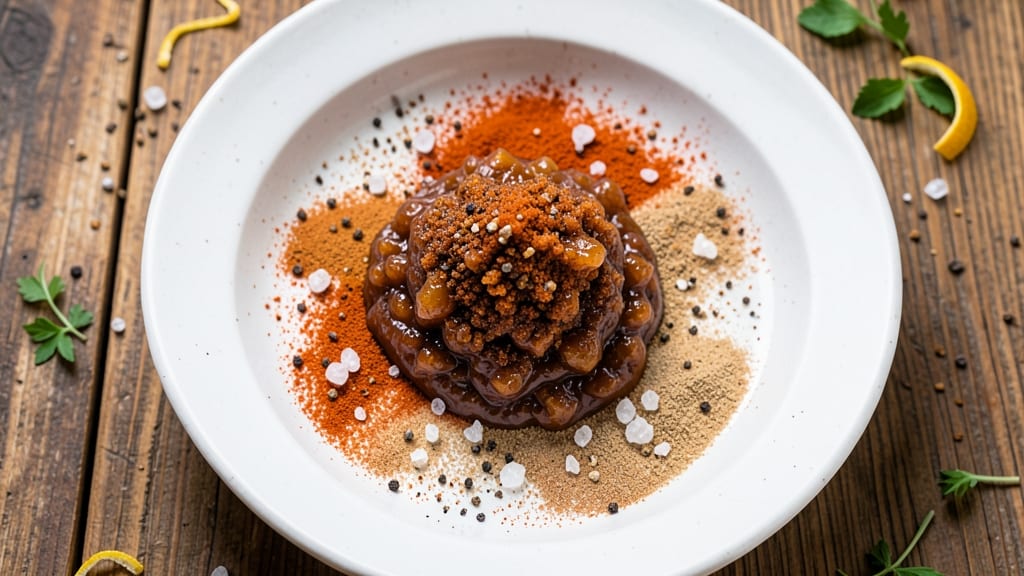
This apple rub seasoning recipe transforms ordinary roasts and grilled meats into aromatic masterpieces with just a sprinkle. The perfect blend of smoky paprika, warm cinnamon, and sweet brown sugar creates a caramelized crust that's impossible to resist.
I developed this after years of experimenting with dry rubs that deliver restaurant-quality flavor without the fuss.
The magic lies in the balance—1 tablespoon brown sugar for caramelization, 1 teaspoon cinnamon for warmth, and ½ teaspoon smoked paprika for depth, all mixed with a pinch of salt.
This versatile seasoning works on everything from pork chops to tofu, adding a sweet-savory crust that's perfect for grilling, roasting, or even sprinkling on baked potatoes.
What makes this blend special is its long shelf life—store it in an airtight container for up to 6 months, ready to elevate any protein dish. The spices intensify over time, making it even more flavorful with each use.
Whether you're prepping for a weekend barbecue or weeknight dinner, this rub guarantees a foolproof, aromatic finish every time.
For best results, apply generously before cooking and let the meat rest for 10 minutes after seasoning. The flavors meld beautifully, creating a perfectly balanced sweet-smoky crust that pairs well with almost any dish. Let's get seasoning!
Ingredients for apple rub seasoning
Nine aromatic spices transform meats into smoky-sweet masterpieces with every sprinkle.
| Ingredient | Amount | Notes |
|---|---|---|
| Smoked Paprika 🌶️ | 2 tbsp | High-quality smoked variety |
| Brown Sugar 🍯 | 2 tbsp | Light or dark preferred |
| Ground Cinnamon 🍃 | 1 tbsp | Freshly ground for warmth |
| Kosher Salt 🧂 | 1 ½ tsp | Fine grain preferred |
| Ground Black Pepper 🌶️ | ½ tsp | Freshly cracked for depth |
| Ground Nutmeg 🌿 | ¼ tsp | Freshly grated for aroma |
| Garlic Powder 🧄 | ½ tsp | Not garlic salt |
| Onion Powder 🧅 | ½ tsp | Freshly ground preferred |
| Ground Ginger 🌶️ | ¼ tsp | Freshly ground for zing |
The smoked paprika is non-negotiable—it delivers that signature smoky depth that makes this rub unforgettable. Penzeys or McCormick brands are my go-tos, but any high-quality smoked paprika works. The brown sugar should be light for a subtle caramelization, but dark adds a deeper molasses note if you prefer richness. Costco or bulk bins are perfect for stocking up—these spices intensify over time, so buying in bulk pays off. Freshly ground spices (like the cinnamon and nutmeg) make all the difference—if your jar's been open for months, toast the spices in a dry pan for 30 seconds to revive their aroma before grinding.
No smoked paprika? Regular paprika plus a pinch of liquid smoke (just a few drops) gets you close. Substitute maple syrup for brown sugar if you're avoiding refined sugar—use the same amount, but add it right before cooking to prevent clumping. Diamond Crystal kosher salt is my choice for its fine grain, but any kosher salt works. The garlic and onion powders can be swapped for 1 teaspoon of fresh minced garlic and onion if you're feeling fancy, but the powders keep it simple for everyday use. Pre-mixed spice blends from the store? Skip them—this blend is designed to be foolproof and customizable, so you can tweak the ratios to match your taste.
Store this rub in an airtight glass jar in a cool, dark place—it’ll keep for up to 6 months, with flavors deepening over time. Divide into small jars if you're making multiple batches, so you can grab what you need without digging through the whole container. The brown sugar can absorb moisture, so add a dry bay leaf to the jar to keep things fresh. This rub is incredibly versatile—pork chops, chicken thighs, even baked potatoes become restaurant-worthy with just a generous sprinkle. Let meats rest for 10 minutes after seasoning to let the flavors meld, and you’ll be rewarded with a perfectly balanced sweet-smoky crust every time.
Why You'll Love This Recipe
- Five-Ingredient Magic: This rub takes less time to measure than it does to microwave leftovers. Just toss those pantry staples—smoked paprika, brown sugar, cinnamon—into a bowl, stir, and boom. No fancy techniques, no waiting for anything to bloom. Honestly, I’ve made it while chatting on the phone.
- Sweet-Smoky Umami Bomb: That first hit of brown sugar caramelizing on meat or roasted veggies? Chef’s kiss. But here’s the secret: the smoked paprika adds this deep, earthy backbone that makes it taste like you slow-cooked it for hours—not just sprinkled and forgotten. My kids ask for seconds before the plate even hits the table.
- Works Everywhere: Slather it on pork chops for dinner, toss it in oatmeal for breakfast, or even dust it over baked apples. Between us, I’ve used the last of it in a weirdo emergency—mixing it into yogurt with a drizzle of honey when I was too tired to cook. (Yes, even on a Tuesday night.) The cinnamon and salt make it surprisingly adaptable.
- Lasts Forever, Costs Nothing: A single batch stretches across three meals or more—pork, sweet potatoes, even roasted Brussels sprouts. I keep mine in a tiny jar on the spice rack, and it doesn’t lose its punch for months. Brown sugar’s cheap, spices last years, and you’re not buying pre-mixed nonsense. That’s my kind of budget hack.
Step-by-step instructions for creating apple rub seasoning
Transform simple pantry staples into a complex, aromatic blend that elevates any meat dish.
Measure All Ingredients Precisely
Start by gathering all your ingredients in separate small bowls or ramekins. Precision is key here—each component plays a distinct role in the flavor profile. Use a 1/4 teaspoon measuring spoon for the nutmeg and ginger, as these delicate spices can overpower if used in excess. For the smoked paprika, I recommend using a high-quality variety—you'll notice the difference in depth of flavor immediately.
The brown sugar isn't just for sweetness; it helps create a beautiful caramelized crust when applied to meats. Measure the 2 tablespoons using a standard measuring spoon and tap it gently to level off the excess. The same goes for the 1 tablespoon of ground cinnamon—this is where the warm, apple-like character comes from, so don't skimp. I like to use freshly ground spices whenever possible, as pre-ground spices lose potency quickly.
Combine Dry Ingredients in a Mixing Bowl
Transfer all the measured ingredients to a medium-sized mixing bowl. Begin by adding the 2 tablespoons smoked paprika and 2 tablespoons brown sugar first—they form the base of your rub. Using a whisk, gently combine these two ingredients until they're evenly distributed and the brown sugar begins to break down slightly from the paprika's moisture content.
Next, add the remaining spices: 1.5 teaspoons kosher salt, 0.5 teaspoon ground black pepper, 0.25 teaspoon ground nutmeg, 0.5 teaspoon garlic powder, 0.5 teaspoon onion powder, and 0.25 teaspoon ground ginger. Whisk vigorously for about 1 minute until the mixture is completely homogeneous and no individual spices remain visible. This thorough mixing ensures every grain of meat will receive an even distribution of flavor.
Test the Rub on a Small Batch of Meat
To verify your rub's effectiveness, apply a small amount to a thin slice of pork tenderloin or chicken breast. I like to use about 1 teaspoon of the rub per 4 ounces of meat for testing. Pat the meat dry first—moisture prevents the rub from sticking properly. Press the rub firmly into all sides of the meat, using your fingers to work it into the surface. This step mimics what you'll do with larger cuts later.
Let the test piece sit at room temperature for 10-15 minutes while you preheat your oven to 400°F. Roast the meat for 10-12 minutes, until it reaches an internal temperature of 160°F for pork or 165°F for chicken. The aroma should be intoxicating—smoky with warm apple-like notes from the cinnamon and ginger. The exterior should develop a beautiful caramelized crust from the brown sugar and paprika combination.
Store for Future Use
Once you've confirmed your rub's flavor profile, transfer the remaining mixture to an airtight container. I prefer using a small glass jar with a tight-sealing lid, as it preserves the spices' freshness and allows you to see the beautiful blend of colors. Store in a cool, dark place—like your pantry—for up to 3 months. The spices will gradually lose potency over time, but the flavor will still be excellent.
For best results, shake the jar vigorously before each use to redistribute any settled spices. This rub works beautifully on everything from pork shoulder to chicken thighs, and even vegetables like sweet potatoes. The key is applying it generously—don't be shy with about 1 tablespoon per pound of meat. The combination of sweet, smoky, and spicy flavors creates a complex profile that pairs perfectly with apple-based sauces or cider glaze.
Pro Tips For Making Apple Rub Seasoning
- Sift the Cinnamon: I learned this the hard way—lumpy cinnamon ruins everything. Use a fine-mesh sieve to break up clumps before measuring, or whisk it into the brown sugar first. That way, your rub goes on smooth and even, not like confetti on your meat.
- Toast the Paprika: Low and slow is better here. Warm the smoked paprika in a dry pan over medium heat for 2-3 minutes—just until it smells deep and earthy. It mellows the bitterness and makes the flavor sing. (Yes, even if you’re impatient like me.)
- Salt Last, Taste Often: Add the kosher salt after mixing everything else, then adjust to taste. The brown sugar and cinnamon can trick your palate—what seems balanced in the bowl might taste flat on the food. A quick lick of your finger (trust me) saves you from overdoing it.
- Store It Right: Split the rub into small containers—it loses potency fast when exposed to air. Keep it in the fridge for up to 3 months or freeze it in ice cube trays for single-use portions. Fresh rub = better flavor, no excuses.
Creative variations of apple rub seasoning
Sweet Heat Variations
For a spicier kick, add ½ teaspoon cayenne pepper to the base recipe—it amplifies the smoky depth while keeping the sweetness balanced. I’ve tested this with pork ribs, and the extra heat caramelizes beautifully with the brown sugar.
If you prefer less heat, reduce the black pepper to ¼ teaspoon and add ½ teaspoon extra cinnamon for warmth instead. 🌶️
Herb-Infused Twists
Swap ½ teaspoon dried thyme or rosemary for the nutmeg to create a herbaceous apple rub that pairs perfectly with roasted chicken. The thyme adds earthiness, while rosemary brings a piney brightness.
For a citrusy twist, add ½ teaspoon orange zest alongside the cinnamon—it brightens the sweetness and works wonders on salmon or pork tenderloin.
Global Flavors
Transform this rub into a Mexican-inspired blend by replacing the cinnamon with 1 teaspoon chili powder and adding ½ teaspoon cumin. This version is fantastic on grilled shrimp or chicken thighs.
For an Asian fusion, swap the brown sugar for 1 tablespoon honey and add ½ teaspoon five-spice powder—it’s a game-changer for glazed pork belly or tofu skewers. 🌏
Vegetarian Adaptations
This rub isn’t just for meat—sprinkle it on roasted sweet potatoes or portobello mushrooms for a smoky-sweet side dish. For cauliflower steaks, use 1 tablespoon per steak and roast at 425°F for 20 minutes until caramelized.
Even baked apples benefit from a light dusting before baking—it adds a warm, spiced crust that’s perfect with vanilla ice cream.
Sweet & Tangy Pairings
Serve apple-rubbed meats with apple cider glaze (simmer ½ cup apple cider with 1 tablespoon brown sugar and 1 teaspoon Dijon mustard) for a sweet-tangy contrast. For a cooling element, pair with a mango avocado salsa—the creamy texture cuts through the smokiness beautifully.
A sparkling apple cider (chilled) is my go-to drink for balancing the rub’s richness. 🍏
Nutrition facts
Frequently asked questions
Can I use this apple rub on vegetables?
This versatile rub works beautifully on roasted sweet potatoes, Brussels sprouts, or even cauliflower steaks. For best results, use 1 tablespoon per pound of vegetables and roast at 425°F until caramelized. The sweet-savory crust enhances their natural flavors perfectly.
How long should I let the meat rest after applying the rub?
Always let the meat rest for 10-15 minutes after applying the rub. This allows the spices to penetrate and develop a better crust. For larger cuts like pork shoulder, extend the rest time to 20 minutes before cooking to maximize flavor infusion.
Can I make this rub without smoked paprika?
Yes, but the flavor will differ. Replace the 2 tablespoons smoked paprika with 1 tablespoon regular paprika plus ½ teaspoon liquid smoke. The liquid smoke adds depth, though it won't replicate the full complexity of smoked paprika. For a sweeter alternative, use 1 teaspoon maple syrup in place of the brown sugar.
How do I store leftover seasoning?
Transfer the rub to an airtight glass container and store it in a cool, dark place for up to 6 months**. For longer storage, freeze in small portions. Shake well before each use to redistribute settled spices. The flavors actually improve over time as the spices meld together.
What's the best way to remove excess rub before cooking?
Gently tap the seasoned meat on a cutting board to remove loose rub, but don't wash it off—this removes the flavorful crust. For sticky rubs, use a paper towel to pat away excess. The key is applying it generously but letting the meat's natural juices help the rub adhere properly.