
Sauces & Condiments
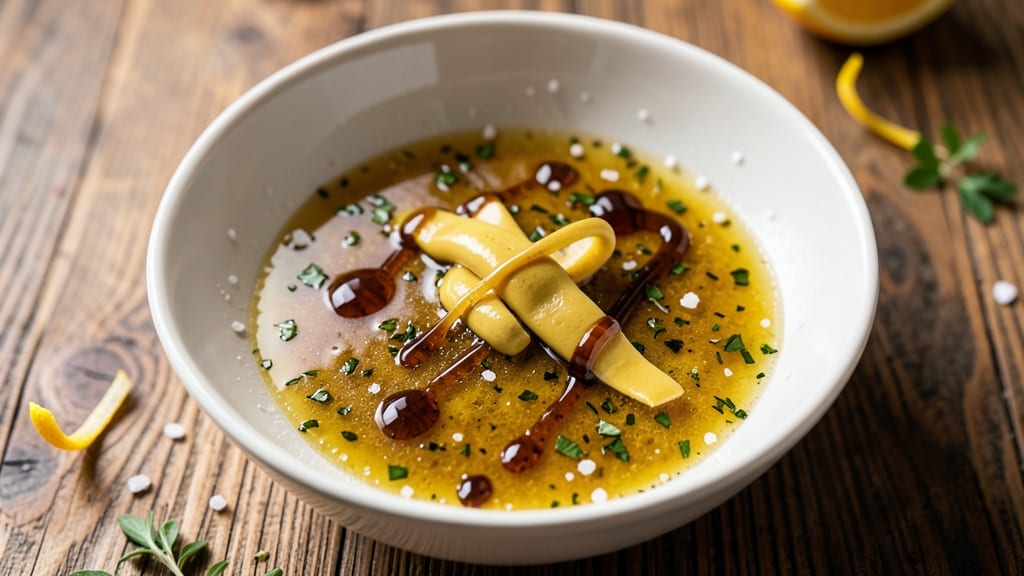
This apple cider vinegar and olive oil dressing recipe transforms simple ingredients into a tangy, aromatic elixir that elevates everything from crisp salads to roasted vegetables. The acidity of apple cider vinegar cuts through richness while olive oil adds silky depth, creating a balance that's both refreshing and satisfying.
I developed this recipe after years of testing store-bought dressings that always fell short—this version delivers restaurant-quality flavor with just five essential ingredients.
The secret lies in the ratio: a precise blend of apple cider vinegar and extra-virgin olive oil creates a dressing that's bright yet mellow, with enough acidity to enhance flavors without overpowering them.
Optional additions like Dijon mustard, garlic, and a touch of maple syrup add complexity, but the base remains foolproof. Perfect for meal prep, this dressing stays fresh in the fridge for up to a week, making it ideal for busy weeks.
What sets this dressing apart is its versatility—drizzle it over mixed greens, toss it with roasted Brussels sprouts, or use it as a marinade for grilled chicken. The tangy-sweet balance makes it a crowd-pleaser, and the olive oil ensures every bite feels luxurious.
Whether you're hosting a dinner party or prepping lunches, this dressing is the effortless upgrade your meals deserve.
For extra flair, try adding fresh herbs like thyme or rosemary, or a pinch of smoked paprika for warmth. The possibilities are endless, but the foundation remains the same: a simple, professional-quality dressing that transforms ordinary dishes into extraordinary ones. Let's get started!
Ingredients for apple cider vinegar and olive oil dressing
Five core ingredients craft this restaurant-quality dressing—simple yet transformative.
| Ingredient | Amount | Notes |
|---|---|---|
| Apple Cider Vinegar 🍏 | ½ cup | Raw, unfiltered preferred for depth |
| Extra-Virgin Olive Oil 🫒 | ¾ cup | Fruity, peppery variety recommended |
| Dijon Mustard 🌿 | 1 tbsp | High-quality, whole-grain preferred |
| Pure Maple Syrup 🍁 | 1 tbsp | Grade A for delicate sweetness |
| Sea Salt 🧂 | ½ tsp | Fine grain, Diamond Crystal preferred |
| Fresh Garlic Cloves 🧄 | 1 whole | Peeled, minced for depth |
| Fresh Thyme Leaves 🌿 | ¼ cup | Optional, finely chopped |
| Smoked Paprika 🌶️ | ¼ tsp | Optional, for warmth |
The apple cider vinegar is non-negotiable—Bragg or Texas Pete are my go-tos for that robust, slightly smoky depth. Unfiltered varieties contain more flavor compounds, so splurge if possible. For the olive oil, California Olive Ranch or Colavita deliver consistent quality without the premium price tag. The Dijon mustard should be whole-grain (Maille is ideal) to avoid that gritty texture from cheap brands. Maple syrup quality matters too—Grade A from Vermont is worth the investment for its delicate sweetness that won't overpower the tang.
No raw apple cider vinegar? White vinegar or lemon juice works in a pinch, though the flavor profile shifts slightly. Substitute olive oil with avocado oil for a neutral base, but you'll lose that fruity complexity. Mustard-free? Skip it entirely—this dressing still shines with just the vinegar, oil, and sweetener. Garlic lovers can double the clove count, while those avoiding it can omit entirely. The thyme and smoked paprika are optional but elevate the dressing to gourmet status—Trader Joe's carries affordable, high-quality versions of both.
This dressing thrives in the fridge for up to 10 days when stored in a clean, airtight glass jar. Shake vigorously before each use—olive oil and vinegar separate naturally. For meal prep, portion into small jars to avoid waste. Freezes beautifully for up to 3 months, though texture may slightly alter post-thaw. Acidity intensifies over time, so taste before serving and adjust sweetness as needed. The 1:1.5 vinegar-to-oil ratio ensures balance, but don't hesitate to tweak for your palate.
Why You'll Love This Recipe
- Five-Ingredient Magic: I swear, this dressing takes me all of two minutes to shake together—just vinegar, oil, mustard, maple syrup, and salt. No fancy tools, no waiting, no stress. Honestly, I make it while I’m still deciding what to eat.
- Tangy-Sweet Balance: That first bite? The sharpness of the apple cider vinegar cuts through the richness of the olive oil, while the Dijon mustard adds a little kick. The maple syrup ties it all together—sweet enough to make you lick the bowl, but never cloying. It’s the kind of flavor that sticks with you.
- Salad’s Best Friend (Always): I use this on everything—crunchy kale salads, hearty grain bowls, even as a marinade for grilled chicken. It’s my go-to for quick lunches or when I’m prepping meals for the week. Between us, it’s the reason my salads don’t end up soggy and boring.
- Lasts All Week: I make a big batch on Sunday, and it’s still bright and fresh by Friday. The vinegar keeps it from going rancid, and the olive oil stays rich. Plus, it’s cheap—less than a dollar per serving—and I never regret having it on hand. No more last-minute store-bought dressing fails.
Step-by-step instructions for crafting the perfect apple cider vinegar dressing
This method delivers a harmonious balance of tangy, sweet, and herbal notes every time.
Whisk Together the Base Ingredients
In a medium bowl, combine the 0.5 cup apple cider vinegar and 0.75 cup extra-virgin olive oil. Use a whisk to blend them thoroughly for about 30 seconds—this ensures the vinegar emulsifies properly with the oil. The mixture should look slightly cloudy rather than completely clear, indicating proper integration.
I prefer using a glass or ceramic bowl for this step, as it allows me to visually assess the emulsion process. If you notice the mixture separating immediately, don't worry—we'll address that in the next step. The raw apple cider vinegar will provide that bright, crisp acidity that cuts through rich ingredients like roasted vegetables or creamy cheeses.
Incorporate the Mustard and Maple Syrup
Add the 1 tablespoon Dijon mustard and 1 tablespoon pure maple syrup to the vinegar-oil mixture. Whisk continuously for 1 minute until everything is fully combined. The mustard acts as our emulsifier, helping to bind the oil and vinegar together while adding a subtle depth of flavor. The maple syrup introduces just enough sweetness to balance the acidity without overpowering it.
Here's where the magic happens: the mustard should create a slight thickening effect. If the mixture still looks separated after whisking, add 1 teaspoon of warm water and whisk again. The goal is a smooth, velvety texture that coats the back of a spoon. Taste at this stage—you should detect the bright vinegar, subtle sweetness, and the mustard's gentle bite.
Add Aromatics and Seasonings
Finely mince the 1 whole fresh garlic clove and add it to the bowl along with the 0.25 cup fresh thyme leaves and 0.25 teaspoon smoked paprika. Using a fork, gently fold these ingredients into the dressing. The garlic should be minced into tiny pieces—this prevents any harsh, chunky texture that could overpower the delicate balance we've created.
I find that using a microplane for the garlic creates the finest texture possible. The thyme leaves should be finely chopped as well, though you can leave them slightly larger if you prefer a more rustic texture. The smoked paprika adds a subtle warmth that complements the apple cider's tang. Sprinkle in the 0.5 teaspoon sea salt and give everything one final whisk to distribute all the flavors evenly.
Emulsify and Taste for Balance
Transfer the dressing to a clean jar with a tight-fitting lid. Seal it and shake vigorously for 30 seconds to fully emulsify the ingredients. This shaking action is crucial—it forces the oil and vinegar to combine properly, creating that silky texture we want. After shaking, let the dressing sit for 5 minutes to allow any remaining separation to resolve itself.
Before using, give it another good shake and taste. The dressing should have a bright, tangy start from the apple cider vinegar, followed by the smooth sweetness of the maple syrup, the subtle heat from the smoked paprika, and the herbal notes from the thyme. If it needs more acidity, add ½ teaspoon more apple cider vinegar. If it needs more sweetness, add ½ teaspoon more maple syrup. Adjust the seasoning with salt if needed—this is your chance to perfect the flavor profile.
Store and Use Properly
Store the dressing in the refrigerator for up to 2 weeks. Before each use, give it a good shake to re-emulsify the ingredients. This dressing works beautifully on mixed greens, roasted Brussels sprouts, grilled chicken, or even drizzled over fresh fruit like apples or pears.
I like to use this dressing within 3-4 days for maximum freshness, especially when using fresh herbs. The flavors will continue to develop slightly over time, but the herbs will lose their vibrant quality. When using on salads, add the dressing just before serving to prevent wilting. For roasted vegetables, toss them with the dressing in the last 5 minutes of cooking to maintain crispness while allowing the flavors to meld.
Pro Tips For Making Apple Cider Vinegar And Olive Oil Dressing
- STIR IN STAGES: Mix the Dijon mustard and maple syrup first—this prevents clumping when you add the vinegar later. I learned this the hard way after scraping globs off my whisk.
- USE RAW ACV: Skip pasteurized vinegar—raw apple cider vinegar has that cloudy, unfiltered goodness that actually tastes better in dressings. The sediment? Just shake it up and ignore it.
- SALT LAST, THEN TASTE: Add the sea salt after emulsifying everything, then adjust to taste. The mustard and vinegar already pack saltiness, and you’ll end up overdoing it if you salt early.
- EMULSIFY BY HAND: No blender? Whisk like you’re mad for 30 seconds after adding oil. The slow, steady motion (not the quick splashing) keeps the dressing smooth without breaking.
Creative variations of this apple cider vinegar and olive oil dressing
Herbal Infusions
Swap thyme for fresh rosemary or cilantro to create Mediterranean-inspired twists. Use 2 tbsp chopped rosemary for a piney depth that pairs beautifully with roasted lamb or grilled vegetables.
For a Mexican flair, add 1 tbsp chopped cilantro and ¼ tsp cumin—this version shines on black bean salads or corn salsa. I love using Trader Joe's fresh herb bundles for convenience; just chop and fold them in at the end. 🌿
Spicy Kick Variations
Add ½ tsp cayenne pepper or 1 tsp chili flakes for heat lovers. For a smoky-spicy balance, mix ½ tsp smoked paprika with ¼ tsp chipotle powder—this works amazingly on grilled chicken or avocado toast.
My go-to is Penzeys brand for their consistent quality. For a sweeter heat, stir in ½ tsp honey (or maple syrup) with the cayenne. 🌶️
Citrus Brightness
Zest of 1 lemon or 1 orange adds vibrant freshness. I prefer lemon for salads and orange for roasted pork or chicken. Add the zest during the final whisk and reserve the juice for extra tang if needed.
For a tropical twist, combine 1 tsp grated ginger with the zest—this version pairs perfectly with Asian-inspired dishes. Always use organic citrus for the best flavor. 🍊
Nutty Depth
Stir in 1 tbsp tahini or 1 tbsp almond butter for a creamy, nutty richness. The tahini version works beautifully on grain bowls or roasted sweet potatoes, while almond butter adds a gourmet touch to chicken salads.
For extra texture, sprinkle 1 tbsp toasted almonds or pumpkin seeds on top before serving. I recommend Whole Foods 365 brand for affordable quality. 🌰
Umami Boosters
Add 1 tsp soy sauce or 1 tsp miso paste for umami depth. The soy sauce version pairs perfectly with sesame seeds and cucumber salads, while miso adds complexity to roasted vegetables or grilled tofu.
For a deeper flavor, use white miso instead of red. Always reduce the salt slightly if using soy sauce, as it's already salty. 🍜
Seasonal Adaptations
In fall, add ½ tsp cinnamon and ¼ tsp nutmeg for a cozy apple cider-inspired dressing. This version is perfect for roasted squash or Brussels sprouts.
For summer, swap the maple syrup for agave nectar and add 1 tsp fresh lime juice—this bright version works beautifully on watermelon or peach salads. I adjust sweetness based on the season's produce. 🍂
Nutrition facts
Frequently asked questions
Can I make this dressing without Dijon mustard?
The Dijon mustard acts as an emulsifier, but you can substitute with 1 teaspoon of honey or 1 teaspoon of whole-grain mustard. For a vegan option, use 1 teaspoon of ground flaxseed mixed with 1 tablespoon water (let it thicken for 5 minutes first). The texture will be slightly thinner, but the flavor remains balanced.
How do I fix a dressing that's too tangy?
Add ½ teaspoon more maple syrup or ½ teaspoon honey to mellow the acidity. If the dressing separates after adjusting, whisk vigorously or shake the jar for 30 seconds to re-emulsify. For extra richness, add 1 teaspoon olive oil—this helps smooth out the sharpness. Taste as you go!
What's the best way to store this dressing?
Keep it in an airtight glass jar in the fridge for up to 2 weeks. Shake well before each use—the oil and vinegar naturally separate. For longer storage, freeze for up to 3 months (thaw in the fridge overnight). Pro tip: Use small jars for portion control to avoid waste.
Can I use this dressing on cooked proteins?
It works beautifully on grilled chicken, roasted salmon, or seared tofu. For best results, toss proteins with the dressing in the last 5-10 minutes of cooking to prevent drying. The tangy-sweet balance enhances caramelized flavors perfectly. Try it with herb-marinated chicken thighs for a restaurant-worthy dish.
Why did my dressing separate?
Separation happens when oil and vinegar aren't properly emulsified. Fix it by whisking 1 teaspoon of warm water or ½ teaspoon of Dijon mustard into the dressing, then shake vigorously. For future batches, ensure all ingredients are at room temperature before mixing. The 1:1.5 vinegar-to-oil ratio helps prevent separation.