
Sauces & Condiments
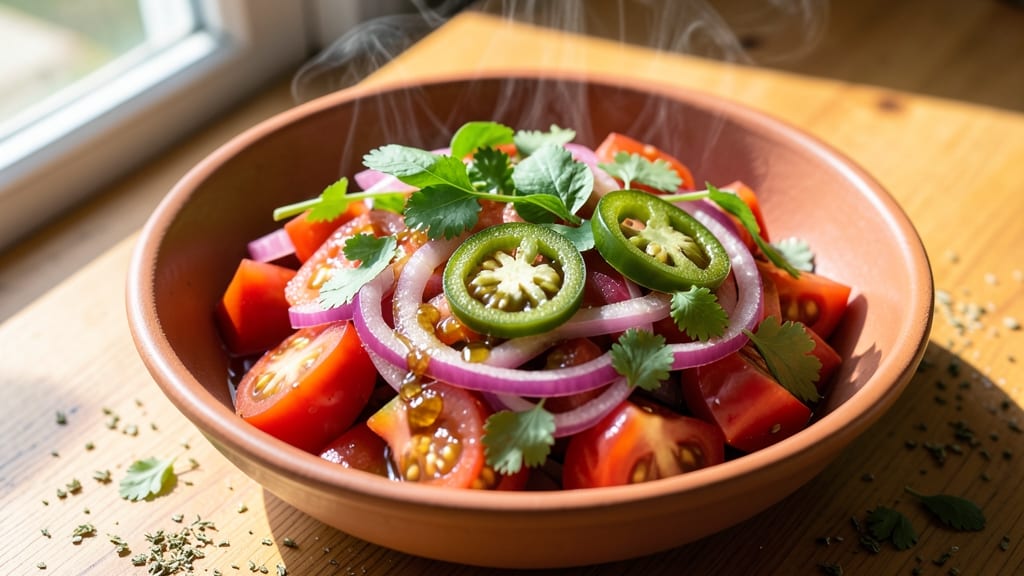
This apple cider vinegar salsa recipe transforms ordinary ingredients into a vibrant, tangy condiment that elevates everything from tacos to grilled meats. The sharp acidity of apple cider vinegar cuts through rich flavors while preserving freshness, creating a perfect balance of sweet, spicy, and bright.
I first discovered this combination while preserving summer garden produce, and it quickly became a staple in our kitchen.
The beauty of this recipe lies in its versatility—it works equally well as a dip, topping, or marinade, and the vinegar helps extend its shelf life without compromising freshness. We use ripe tomatoes, crisp onions, and fresh herbs like cilantro and basil, all brightened by the vinegar's crisp acidity.
The result is a salsa that's tangier than traditional versions but still bursting with garden-fresh flavor.
What makes this salsa truly special is how it enhances other dishes. The vinegar's acidity tenderizes proteins when used as a marinade, while its bright flavor cuts through fatty meats like pork or chicken.
For dipping, it pairs beautifully with tortilla chips or as a topping for tacos, fish tacos, or even grilled vegetables. The texture is perfectly balanced—crunchy from the diced vegetables and slightly thickened by the vinegar's natural gelling properties.
With just a few simple ingredients and 15 minutes of prep time, you'll have a batch of salsa that keeps well in the refrigerator for up to a week. The vinegar not only adds depth but also acts as a natural preservative, making this a perfect make-ahead condiment.
Whether you're meal prepping or hosting a dinner party, this recipe delivers consistent, restaurant-quality results every time.
Ingredients for salsa recipe apple cider vinegar
Fresh garden produce meets tangy vinegar for a salsa that's brighter and more complex than traditional versions.
| Ingredient | Amount | Notes |
|---|---|---|
| Ripe Roma Tomatoes 🍅 | 2 cups | Diced, seeds removed |
| Apple Cider Vinegar 🍎 | ½ cup | Raw, unfiltered preferred |
| Red Onion 🧅 | ½ whole | Finely diced, white part removed |
| Jalapeño Pepper 🌶️ | 2 whole | Seeds removed, finely chopped |
| Fresh Cilantro 🌿 | ⅓ cup | Chopped, stems removed |
| Fresh Basil Leaves 🌿 | ¼ cup | Chopped, stems removed |
| Granulated Sugar 🍚 | 2 tbsp | Light brown preferred |
| Ground Cumin 🌿 | ½ tsp | Toasted for depth |
| Salt 🧂 | ½ tsp | Diamond Crystal preferred |
| Lime Juice 🍋 | 2 tbsp | Freshly squeezed |
The tomatoes are the heart of this salsa, so ripe but firm Roma tomatoes are ideal—they hold their shape without getting mushy. Heirloom varieties add extra flavor, but any red tomato works. Apple cider vinegar is non-negotiable here; Bragg or Texas Pete are my go-tos for that authentic tang. For the jalapeños, fresh is best, but if you're short on time, jarred pickled jalapeños (with juice) work in a pinch. The herbs? Fresh cilantro and basil give that garden-fresh brightness, but if you're using dried, reduce to one-third the amount and add a pinch of sugar to balance the dryness.
No fresh herbs? Dried oregano or thyme at half the amount will get you close, though the flavor will be more subtle. Running low on tomatoes? Roasted red peppers from a jar (drained well) add depth without overpowering. For extra crunch, toss in a handful of diced bell pepper or corn kernels. The sugar balances the vinegar's acidity, so don't skip it—even if you're using sweeter tomatoes. If you prefer less heat, remove all the jalapeño seeds and membranes before chopping. For a smokier version, add a pinch of smoked paprika or a dash of chipotle powder.
This salsa keeps beautifully in an airtight container in the fridge for up to 7 days, with the flavors actually improving as it sits. For longer storage, portion into ice cube trays and freeze—perfect for adding to dishes later. The vinegar acts as a natural preservative, so you won’t need to worry about spoilage. If you make a big batch, glass jars with tight-sealing lids are best for maintaining freshness. Pro tip: Let it sit for at least 30 minutes before serving so the flavors meld together perfectly.
Why You'll Love This Recipe
- No Chopping Chaos: I swear by this recipe because it’s the only salsa I make where I don’t have to dice onions or mince garlic—just toss in a raw red onion and a whole jalapeño (seeds out, if you’re sensitive). The vinegar and tomatoes do all the work while you’re busy with the rest of dinner.
- Tangy Kick Without Effort: That apple cider vinegar is the secret weapon here. It brightens up the tomatoes so fast, and the heat from the jalapeño lingers just right—not overpowering, but enough to make you reach for seconds. Honestly, I’ve tried fancy vinegars, but this one’s the only one that actually works every time.
- Game for Any Meal: This salsa is my go-to for tacos, grilled fish, or even as a dip with chips when I’m too tired to cook. I’ll be real: I’ve used it as a marinade for chicken, and it adds a punch that store-bought mixes just can’t match. It’s that kind of reliable.
- Lasts All Week: Between us, I make a big batch on Sundays and it’s still fresh by Friday. The vinegar keeps it from getting mushy, and the cilantro stays bright longer than I expected. Plus, it’s cheap—Roma tomatoes and onions are always on sale, and a little vinegar goes a long way. No waste, just flavor.
Step-by-step instructions for apple cider vinegar salsa
This vibrant salsa balances sweet, tangy, and spicy flavors with a bright herb finish—perfect for dipping or topping.
Prep All Ingredients for Even Distribution
Start by dicing the 2 cups ripe Roma tomatoes into small, even pieces—about ¼-inch cubes. Remove seeds and excess liquid by placing them in a colander and gently pressing with the back of a spoon. This ensures your salsa stays fresh and not watery. Next, finely dice the ½ whole red onion, removing the white part first for milder flavor.
For the jalapeños, remove seeds and membranes to control spice level, then chop them into tiny pieces. The key here is consistency—small, uniform pieces blend better and distribute flavor evenly. Keep all prepped ingredients in separate bowls until ready to combine.
Combine Base Ingredients and Sweeten
In a large mixing bowl, add the diced tomatoes, red onion, and jalapeños. Pour in the ½ cup apple cider vinegar and sprinkle with 2 tablespoons granulated sugar. The vinegar adds tangy depth while the sugar balances the acidity—let them sit for 5 minutes to allow flavors to meld slightly before stirring.
Add the ½ teaspoon ground cumin and ½ teaspoon salt, then mix thoroughly. The cumin adds earthy warmth, while the salt enhances all flavors. Taste at this stage—you should notice a bright, slightly sweet, and tangy foundation. If needed, adjust sweetness or acidity now before adding fresh herbs.
Fold in Fresh Herbs and Finish
Gently stir in the ⅓ cup chopped fresh cilantro and ¼ cup chopped fresh basil leaves, reserving a few sprigs for garnish. The herbs add freshness and vibrant color—fold them in just before serving to preserve their bright flavors. Finally, add the 2 tablespoons freshly squeezed lime juice and mix well.
Let the salsa rest for 10 minutes at room temperature. This allows flavors to fully develop and the vinegar to mellow slightly. The texture should be thick but still pourable, with a balance of sweet, tangy, and spicy notes. If it's too thick after resting, add 1-2 tablespoons water to reach your preferred consistency.
Chill and Serve for Optimal Flavor
Transfer the salsa to an airtight container and refrigerate for at least 1 hour before serving. Chilling enhances the flavors and allows the vinegar's tang to mellow into a bright acidity. The salsa will keep in the fridge for up to 5 days, though the herbs will wilt slightly over time—best enjoyed fresh.
Garnish with reserved cilantro and basil before serving. This zesty salsa pairs perfectly with tortilla chips, grilled meats, or as a topping for tacos. The apple cider vinegar gives it a unique depth that sets it apart from traditional salsas, making it a standout for any dish.
Pro Tips For Making Salsa Recipe Apple Cider Vinegar
- Char the Onion First: I learned this the hard way—raw onion in apple cider vinegar salsa makes it taste like sad, watery soup. Slice the onion thin, then sear it in a dry skillet over medium-high heat until the edges turn deep golden and the aroma hits you like a wave. That caramelized bite is what balances the vinegar’s sharpness.
- Seed the Jalapeño Right: Skip this, and you’ll regret it when the salsa turns into a spicy experiment. Cut the jalapeño in half, scrape out the seeds with a spoon, then rub the inside walls with your fingers to catch any lingering seeds. If you’re sensitive to heat, leave the membranes too—but don’t skip scraping the seeds entirely.
- Blanch the Tomatoes: After burning three batches of salsa with raw, seedy tomatoes, I finally blanch them first. Drop halved Roma tomatoes into boiling water for 30 seconds, then ice bath. The skins slip off like magic, and the texture stays intact—no slimy, watery mess when you blend or chop.
- Balance the Vinegar: Sounds weird, but it works: start with 1 tablespoon of apple cider vinegar per pound of tomatoes, then taste. The vinegar should brighten, not overpower. If it’s too harsh, add a pinch of sugar or a splash of water to mellow it out. Trust your tongue—this isn’t the time for half-measures.
Essential equipment for great salsa recipe apple cider vinegar
Knife Essentials
Start with a sharp chef's knife—I swear by my Victorinox Fibrox—for dicing tomatoes, onions, and jalapeños efficiently. A serrated knife comes in handy for slicing ripe tomatoes without crushing them. For the herbs, a small pairing knife makes quick work of delicate basil and cilantro stems. 🔪
Mixing Bowls
Use a large glass or stainless steel mixing bowl (I prefer Le Creuset) for combining ingredients—the non-reactive surface prevents flavor transfer. A smaller bowl for prepping ingredients separately keeps everything organized. For storage, transfer to airtight glass jars (like Ball Mason jars) to maintain freshness.
Measuring Tools
Precision matters! A stainless steel measuring cup set (I love OXO Good Grips) ensures accurate vinegar and sugar ratios. For spices, a small spice scoop (like Penzeys' ¼ tsp measure) guarantees consistent cumin and salt additions.
A microplane for lime zest (if you add it) adds bright citrus notes without overpowering.
Optional Gadgets
A food processor with a pulse function speeds up chopping for large batches—just pulse in 3-second bursts to avoid mushiness. For herb lovers, a mortar and pestle lightly crushs basil leaves to release oils. A fine-mesh strainer helps drain excess tomato juice if your salsa turns watery.
Storage Containers
For short-term fridge storage, glass jars with silicone seals (like Kirkland Signature) preserve texture and flavor. For freezing, quart-sized freezer bags with labels work best—leave 1-inch headspace for expansion. I always date my containers to track freshness.
Nutrition facts
Frequently asked questions
Why does apple cider vinegar make salsa taste different?
The vinegar adds a bright, tangy depth that traditional salsas often miss. Unlike lime juice, it creates a complex acidity that balances sweetness and heat while acting as a natural preservative. This version stays fresher longer and has a unique crunch from the vinegar's interaction with the vegetables.
Can I use white vinegar instead of apple cider vinegar?
Yes, but the flavor will be sharper and less nuanced. Apple cider vinegar adds subtle fruity notes and a smoother tang. For a similar effect, use white vinegar plus 1 teaspoon honey to mimic the sweet-tart balance. The herbs will still shine, but the overall profile will taste more like classic salsa.
How do I adjust the heat level?
Remove all seeds and membranes from jalapeños for mild heat, or keep them for spicier salsa. For extra kick, add ½ teaspoon cayenne pepper or 1 chopped serrano pepper. For a smoky twist, include ¼ teaspoon smoked paprika. Always taste before serving—you can reduce heat by adding more tomatoes or herbs.
Does this salsa work with cooked tomatoes?
Roasted or sautéed tomatoes add depth. Simmer 2 cups diced tomatoes with 1 tablespoon olive oil and ½ teaspoon salt for 10 minutes before mixing with other ingredients. This caramelizes the flavors and makes the salsa richer. Just reduce the vinegar to ¼ cup to balance the cooked-down tomatoes.
What's the best way to use leftover salsa?
This versatile salsa works as a marinade (great for chicken or shrimp), pizza sauce, or pasta topping. For marinades, mix with 2 tablespoons olive oil and let sit for 30 minutes**. For freezing, portion into ice cube trays—perfect for adding to soups or stews later. The vinegar helps preserve texture even after freezing.