
Sauces & Condiments
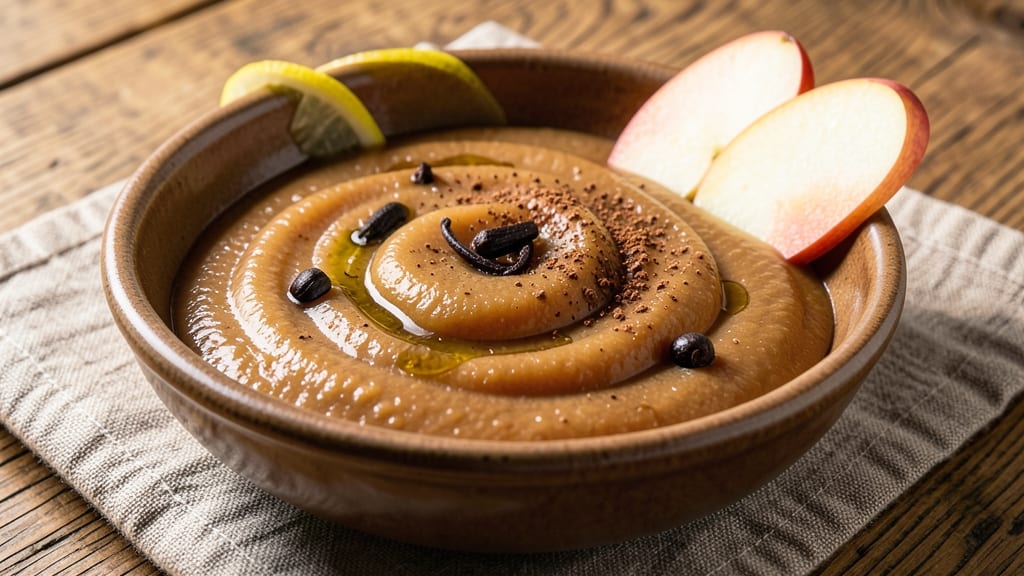
This quince apple sauce recipe transforms tart autumn fruits into a velvety, spiced spread that tastes like a warm hug from a harvest table. The combination of quince’s natural pectin and apples creates a naturally thick, jam-like texture without added thickeners—just simmer, blend, and savor.
I developed this recipe after discovering how quince’s subtle floral notes elevate everyday apples into something extraordinary.
The secret lies in balancing sweetness and spice—cinnamon and cloves infuse warmth while sugar caramelizes into a glossy finish. Unlike store-bought preserves, this sauce develops deeper flavor as it cools, making it perfect for toast, cheese boards, or pairing with sharp cheeses like aged gouda.
The process is simpler than you’d think: peel, core, simmer, and blend, then store for weeks in the fridge.
What you’ll end up with is a versatile sauce that works as a breakfast spread, pie filling, or glaze for roasted meats. The quince’s floral undertones pair beautifully with apples’ crisp sweetness, creating a harmony that’s both comforting and sophisticated.
Ready in just 30 minutes, it’s the kind of sauce that makes autumn feel like a celebration.
Use it to top yogurt, swirl into oatmeal, or drizzle over vanilla ice cream for a sophisticated twist. The possibilities are endless—let’s make this seasonal staple that tastes like home.
The best part? It keeps beautifully for up to 3 months in the refrigerator, so you can enjoy this harvest flavor all winter long.
Ingredients for quince apple sauce
Eight ingredients transform autumn's harvest into velvety spiced sauce that tastes like home.
| Ingredient | Amount | Notes |
|---|---|---|
| Quince Fruits 🍎 | 2 lbs | Peeled, cored, cut into chunks |
| Apples 🍎 | 2 lbs | Honeycrisp or Fuji variety preferred |
| Granulated Sugar 🍚 | 1 ½ cups | Light brown sugar for deeper flavor |
| Fresh Lemon Juice 🍋 | ¼ cup | Brightens the spice profile |
| Ground Cinnamon 🌿 | 1 ½ tsp | Ceylon cinnamon for delicate flavor |
| Whole Cloves 🌶️ | 4 whole | Lightly crushed for subtle warmth |
| Vanilla Extract 🥛 | 1 tsp | Pure Madagascar vanilla preferred |
| Extra-Virgin Olive Oil 🫒 | 1 tbsp | For glossy finish and richness |
Quince is the star here—look for firm, unblemished fruits at specialty markets or well-stocked grocery stores like Whole Foods or Trader Joe's. The floral notes develop during simmering, so don't skip it. Apples should be crisp and sweet—Honeycrisp or Fuji hold up best to peeling and dicing. If quince is unavailable, pears or Asian pears can substitute at double the quantity, though texture will differ slightly. For sugar, light brown sugar adds subtle caramel notes, but granulated works in a pinch.
No vanilla extract? Vanilla bean paste or even a scraped vanilla pod works beautifully. Short on cloves? Allspice berries or nutmeg add warmth, though cloves' unique aroma is irreplaceable. The lemon juice is crucial—freshly squeezed brightens the flavors, while bottled won't cut it. For olive oil, high-quality extra-virgin with fruity notes elevates the finish, while cheaper varieties may taste harsh. If you're feeling adventurous, a splash of apple cider (about 2 tbsp) can replace some of the water during simmering for deeper apple flavor.
This sauce thickens as it cools, so don't over-blend—a few small lumps add rustic charm. Store in a clean, airtight glass jar in the fridge for up to 3 months. The flavors actually improve over time, developing deeper complexity. For gifting, sterilize jars and seal with parchment—it makes a stunning homemade present. Freezes beautifully for 6 months if you prefer to prep ahead for winter. The sauce thickens further when chilled, so plan to thin with a splash of water if using immediately after blending.
Why You'll Love This Recipe
- No Peel, No Stress: I swear by this trick—just toss whole quinces and apples into boiling water for 10 minutes, and the skins slip right off. No knife skills required, and the fruit practically falls apart when you simmer it.
- Sweet-Tart Magic: That first spoonful? Pure autumn in a jar. The quince lends this sauce a delicate, floral depth while the apples keep it bright, and the lemon juice cuts through the sugar just enough to make it irresistible—like dessert and pie filling had a baby.
- Pantry Staple Upgrade: Between us, I keep this sauce in my fridge for everything. Swirl it into oatmeal, dollop it on toast with yogurt, or use it as a glaze for roasted pork—it turns basic meals into something special without extra effort.
- Lasts for Weeks: Honestly, I’ve had this sauce for months and it only gets better. The flavors meld into this perfect balance, and it’s cheaper than buying specialty jams. Plus, it freezes beautifully—so I make a big batch and forget about it until I need it.
Step-by-step instructions for quince apple sauce
Transforming tart quince and apples into velvety spiced sauce takes just 30 minutes of focused attention.
Prepare the Fruit for Cooking
In a large, heavy-bottomed pot, combine the 2 lbs quince fruits and 2 lbs apples. I always use a Dutch oven for even heat distribution—this prevents scorching while ensuring gentle cooking. The quince needs to soften completely, so don't skip this step. Add 1 tablespoon extra-virgin olive oil and toss the fruit to lightly coat, which helps develop a glossy finish later.
Add 1.5 cups granulated sugar and 0.25 cup fresh lemon juice, stirring until the sugar dissolves. The lemon juice brightens the natural sweetness while balancing the quince's astringency. Sprinkle in 1.5 teaspoons ground cinnamon and the 4 whole cloves (lightly crushed between your palms). This spice blend creates that signature autumnal warmth without overpowering the fruit's delicate flavor.
Simmer Until Soft and Fragrant
Place the pot over medium-high heat and bring the mixture to a gentle boil. Once boiling, reduce heat to medium-low and let it simmer uncovered for 20 minutes. Stir occasionally to prevent sticking—this is where patience pays off. You'll notice the quince releases its natural pectin, thickening the sauce gradually. The cloves should infuse subtle warmth, and the cinnamon will release its aromatic oils.
After 20 minutes, use a potato masher or wooden spoon to break down any remaining large fruit pieces. This ensures an ultra-smooth texture. If the mixture looks too thick, add 2-3 tablespoons water to loosen it slightly. The sauce should coat the back of a spoon but still flow freely—this consistency is ideal for both serving and storage.
Finish with Vanilla and Rest for Depth
Remove the pot from heat and stir in 1 teaspoon vanilla extract. Let the sauce sit off the heat for 5 minutes—this resting period allows the flavors to meld completely. The vanilla adds a subtle floral note that complements the spice profile beautifully. Taste and adjust sweetness if needed; quince can vary in tartness, so this final check ensures balance.
For the best texture, transfer the sauce to a clean jar or bowl and let it cool to room temperature. The natural pectin will continue to set slightly, giving it that perfect jam-like consistency. Serve warm over toasted brioche, alongside roasted pork, or spooned over vanilla ice cream for a sophisticated autumn dessert.
Pro Tips For Making Quince Apple Sauce
- PEEL THE QUINCE: Skip the knife and grab a vegetable peeler—quince skins are tougher than apple peels and leave a bitter aftertaste if left on. I learned this the hard way after biting into a chunk of unpeeled quince in my first batch. A sharp peeler gets you there faster than a paring knife, and you’ll save your hands from frustration.
- COOK LOW AND SLOW: Quince turns to mush if you rush it—simmer on medium-low heat for at least 20-25 minutes, stirring occasionally. I used to crank the heat to speed things up, but the sauce ended up grainy and unappetizing. Patience here guarantees a silky texture that’s worth the wait.
- ACIDIFY BEFORE SUGAR: Add the lemon juice before the sugar and let it sit for 5 minutes—this softens the quince’s tough fibers and balances the sweetness. I was skeptical until I tried it: the sauce became smoother, and the tartness cut through the sugar’s heaviness without overpowering it.
- USE TART APPLES ONLY: Granny Smiths or Braeburns work best—their acidity mirrors the quince’s natural tang and prevents the sauce from tasting cloyingly sweet. I once used Honeycrisp and ended up with a dessert sauce instead of a balanced one. Stick to tart varieties, and the flavors will sing.
Dietary considerations for these flavors
Natural Sweetener
This sauce relies entirely on fruit-based sweetness, making it a great option for those watching their sugar intake. The quince and apples provide natural sugars that caramelize beautifully during simmering, reducing the need for excessive added sugar.
I typically use light brown sugar for its molasses notes, but you can reduce this by ¼ cup if you prefer a less sweet profile. The lemon juice also helps balance flavors without adding calories. 🍎
Low-Fat Option
Unlike many fruit spreads that contain butter or cream, this recipe uses only extra-virgin olive oil for richness. A single tablespoon adds luxurious texture without fat—perfect for those monitoring calorie intake.
The olive oil also enhances the sauce's glossy finish and carries the fruit's flavors beautifully. For an even lighter version, omit the oil entirely and rely on the fruit's natural juices.
Gluten-Free Friendly
All ingredients in this recipe are naturally gluten-free, making it safe for anyone with celiac disease or gluten sensitivity. Quince, apples, sugar, and spices contain no gluten traces. Always double-check your sugar brand—some brown sugars contain anti-caking agents with gluten.
I recommend Wholesome! Sweetener brand for certified gluten-free options. The sauce's thick texture comes from quince's natural pectin, not any gluten-containing thickeners. ✨
Dairy-Free Alternative
This sauce pairs wonderfully with dairy-free diets as it contains no milk products. The vanilla extract and olive oil provide richness without relying on butter or cream. For extra decadence, serve it alongside dairy-free yogurt or coconut whipped cream.
The spiced flavor profile stands up beautifully to plant-based alternatives, making it a versatile choice for vegan diets as well.
Allergen Considerations
If nut allergies are a concern, this recipe is completely nut-free. The primary ingredients—quince, apples, sugar, and spices—pose minimal allergen risks. However, always verify your vanilla extract source, as some brands process in facilities handling nuts.
For added safety, I recommend Nutiva brand vanilla extract, which is processed in nut-free facilities. The sauce's simplicity makes it ideal for families with multiple food sensitivities.
Storage Flexibility
This sauce stores beautifully in the refrigerator for up to 3 months in an airtight glass jar, making it perfect for meal prep. The natural pectin thickens further as it cools, so you can thin with water if needed.
For long-term storage, freeze in quart-sized freezer bags for up to 6 months. The sauce reheats perfectly on the stovetop or microwave, maintaining its velvety texture. This makes it an excellent make-ahead option for holiday gatherings or busy weeknights. 💡
Nutrition facts
Frequently asked questions
Can I substitute quince if I can't find it?
Yes! For a similar texture, use pears or Asian pears at double the quantity (4 lbs total). For flavor, applesauce concentrate (thinned with water) works in a pinch, though it won't have quince's floral notes. The sauce will be less thick, so add 1 tsp chia seeds while simmering to help thicken naturally.
How do I know when the quince is soft enough?
The quince should break apart easily with a fork after 20 minutes of simmering. Press a piece gently—it should mash into a smooth paste without resistance. If it's still firm, simmer 5-10 minutes longer. Overcooking won't ruin it, but it may darken slightly.
Can I make this sauce without added sugar?
Reduce the sugar to 1 cup and rely on the natural sweetness of ripe quince and apples. Taste after simmering—you may need to add 1 tbsp lemon juice to balance tartness. The sauce will be less glossy but still delicious. For extra thickness, mash 1 tbsp arrowroot powder into the fruit before simmering.
Why does my sauce look grainy after blending?
Quince contains natural pectin that thickens as it cools, creating a smooth texture when hot but sometimes grainy when chilled. For ultra-smooth results, strain the sauce through a fine-mesh sieve after simmering. If you prefer rustic texture, leave the seeds and skin in—they add beautiful speckles and extra fiber!
How can I use this sauce beyond breakfast?
This versatile sauce works as a glaze for roasted pork or chicken, a topping for cheese boards (especially with sharp cheddar), or a filling for tarts or galettes. Warm it slightly and drizzle over pancakes or waffles for a gourmet touch. The spiced flavor also pairs beautifully with grilled fish or as a chutney for sandwiches.