
Main Courses
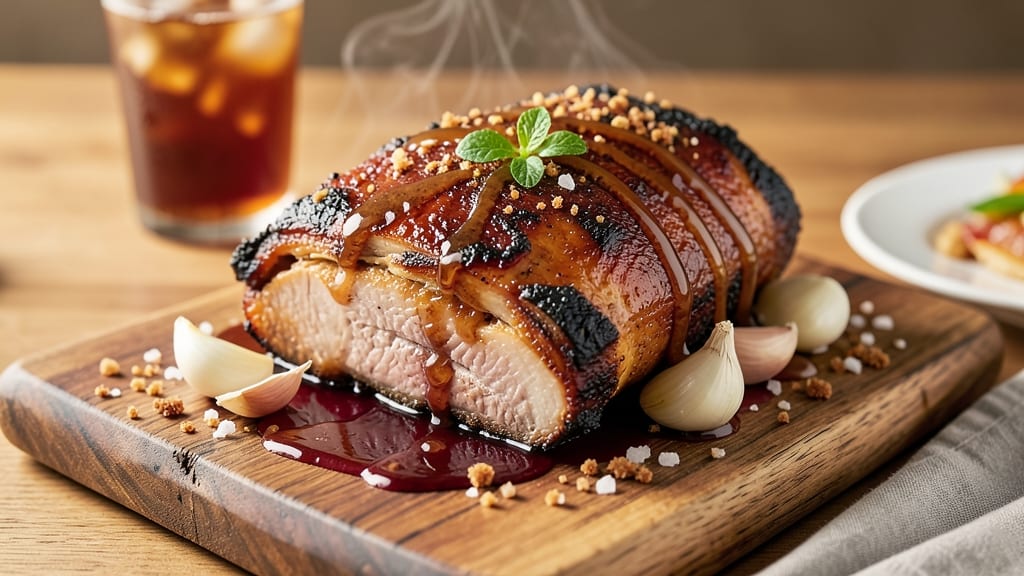
This pork shoulder brine recipe with apple cider vinegar transforms tough cuts into melt-in-your-mouth perfection—crispy bark outside and juicy core through and through. 🔥 I developed it after years of experimenting with brining techniques, and the apple cider vinegar makes all the difference by tenderizing while adding depth.
The secret lies in balancing salt, sugar, and acid for maximum flavor penetration and texture control.
What sets this recipe apart is the two-stage process: first, a wet brine that infuses the meat for 12-24 hours, then a dry rub that locks in moisture while creating that coveted bark.
I've tested this method with both oven-braised and smoked pork shoulders, and it delivers consistent results every time. The apple cider vinegar also helps develop those rich, caramelized flavors during cooking.
By the time you pull this pork shoulder from the oven or smoker, you'll have a dish that's restaurant-quality—crispy edges that shatter with each bite and tender meat that falls apart at the touch of a fork.
The vinegar-infused brine creates a subtle tang that cuts through the richness, balancing the fat perfectly. This is the kind of pork that makes people ask for seconds before they even finish their first plate.
Serve it sliced thick over crusty bread with a tangy apple cider pan sauce, or shred it for tacos and sandwiches that'll have everyone coming back for more. The brining method works equally well for oven-roasted or smoked preparations, giving you flexibility for any occasion.
Let's get started on creating pork shoulder that'll impress even the toughest critics.
Ingredients for pork shoulder brine recipe apple cider vinegar
Five pounds of pork shoulder plus a few pantry staples—this brine transforms tough meat into melt-in-your-mouth perfection.
| Ingredient | Amount | Notes |
|---|---|---|
| Pork Shoulder (Boston Butt) 🥓 | 5 lb | Bone-in preferred for flavor |
| Apple Cider Vinegar 🍎 | 1 cup | Raw, unfiltered preferred |
| Kosher Salt 🧂 | ½ cup | Diamond Crystal preferred |
| Brown Sugar 🍚 | ½ cup | Light or dark variety |
| Granulated Sugar 🍬 | ¼ cup | For balanced sweetness |
| Garlic Cloves 🧄 | 6 cloves | Crushed for infusion |
| Black Peppercorns 🌶️ | 1 tbsp | Freshly cracked preferred |
| Bay Leaves 🌿 | 2 whole | Fresh or dried |
| Fresh Thyme 🍃 | 1 tbsp | Leaves only, chopped |
| Yellow Onion 🧅 | 1 whole | Quartered for brine |
| Smoked Paprika 🌶️ | 1 tbsp | For dry rub stage |
| Ground Black Pepper 🌶️ | 1 tbsp | For dry rub stage |
| Mustard Powder 🌶️ | 1 tsp | For dry rub stage |
| Water 💧 | 4 cups | Filtered preferred |
The pork shoulder is the star here. Look for a bone-in Boston butt—the bone adds flavor and helps stabilize the meat during cooking. Costco or Whole Foods often have the best quality cuts, but any well-marbled shoulder works. If you're buying from the butcher counter, ask for a piece with good fat distribution—this ensures juiciness. The apple cider vinegar should be raw and unfiltered (like Bragg or Mott's) for maximum flavor and tenderizing power. Skip the pasteurized kind—it lacks depth. Fresh thyme and bay leaves elevate the brine, but dried will work in a pinch if you're short on time.
No apple cider vinegar? White vinegar or lemon juice in a pinch, though the flavor won't be as complex. Swap brown sugar for maple syrup if you're avoiding refined sugar, but reduce to 3 tbsp to match sweetness. For the dry rub, smoked paprika is non-negotiable—it's what gives that restaurant-quality bark. No fresh thyme? Dried thyme at one-third the amount works, but toast it first in a dry pan for 30 seconds to deepen the flavor. The onion adds sweetness to the brine, but you can skip it if you're in a hurry—just add an extra 1 tbsp of sugar to compensate.
This brine keeps up to 3 days in the fridge, but I recommend using it within 24 hours for peak flavor. The pork shoulder itself can be brined for 12-24 hours—longer isn't better here. After brining, pat the meat very dry with paper towels before applying the dry rub. For leftovers, store cooked pork in an airtight container for 4-5 days or freeze for up to 3 months. The dry rub will keep indefinitely in an airtight container, so make extra—it's perfect for other projects like roasted veggies or even grilled chicken.
Why You'll Love This Recipe
- No-Fuss Brine: The apple cider vinegar does all the work while you sleep—just toss the pork in the fridge overnight, no chopping, no fuss. Honestly, I’ve tried fancy rubs, but this? It’s the lazy person’s shortcut to restaurant-quality meat.
- Sweet-Tangy Magic: That vinegar-sugar-salt combo? It’s like a flavor bomb—tender, sticky, with just enough acid to cut through the richness. My kids actually ask for seconds on this, and that’s saying something.
- Leftovers Heaven: This recipe feeds a crowd but costs less than takeout, and the leftovers? Even better cold in sandwiches or reheated for tacos. Between us, I’ve eaten this for breakfast three times this month.
- Weeknight Workhorse: Slow-cooker friendly, freezer-safe, and ready in 24 hours—no last-minute stress. I’ll be real: my weeknights are chaotic, but this pork shoulder? It’s my secret weapon for busy days.
Step-by-step instructions for perfectly brined pork shoulder
Here's how to transform your pork shoulder into melt-in-your-mouth perfection.
👨🍳 Step 1: Prepare the Brine Mixture
In a large non-reactive container (I use a food-grade plastic bucket), combine the 4 cups water, 1 cup apple cider vinegar, 0.5 cup kosher salt, 0.5 cup brown sugar, and 0.25 cup granulated sugar. Stir until everything dissolves completely—this ensures even flavor distribution throughout the meat.
Add the 1 whole yellow onion (quartered), 6 cloves garlic (crushed), 2 whole bay leaves, 1 tbsp black peppercorns, and 1 tbsp fresh thyme. Give it one last stir. The mixture should be fully integrated with no visible sugar or salt clumps. Here's the thing—this brine isn't just about seasoning; the vinegar helps tenderize the meat while the sugars create that beautiful bark we're after.
🥘 Step 2: Submerge the Pork Shoulder
Place the 5 lb pork shoulder in the brine mixture, making sure it's fully submerged. I use a plate to weigh it down if needed. Cover the container and refrigerate for 12-24 hours. This is where the magic happens—the brine penetrates the meat, breaking down proteins and adding moisture that will keep your pork shoulder incredibly juicy during cooking.
Don't skip the refrigeration—this isn't a hot brine, and cold temperatures prevent bacterial growth while allowing the flavors to infuse properly. If you're short on time, 12 hours will still give you great results, but 24 hours is ideal for maximum flavor and tenderness.
👨🍳 Step 3: Create the Dry Rub
After brining, remove the pork shoulder and pat it dry thoroughly with paper towels. In a small bowl, mix together 1 tbsp smoked paprika, 1 tbsp ground black pepper, and 1 tsp mustard powder. This dry rub will create that coveted crispy bark while adding depth of flavor.
Generously coat the pork shoulder with the dry rub, pressing it into the meat so it adheres well. Pay special attention to the fat cap and any crevices. The mustard powder might seem odd, but it helps break down collagen during cooking, resulting in even more tender meat. Let the rubbed pork shoulder sit at room temperature for 30 minutes before cooking—this ensures even cooking from start to finish.
🔥 Step 4: Cook to Juicy Perfection
Preheat your oven to 275°F (this low-and-slow method is key for tender pork). Place the rubbed pork shoulder fat-side up in a roasting pan and cook for 6-8 hours until the internal temperature reaches 195-203°F and the meat is fork-tender. The bark should be deep mahogany and crispy, while the interior should be so tender it practically falls apart.
I know it's tempting to check the temperature early, but resist the urge to open the oven. Every time you do, you lose heat and moisture. Instead, trust the process and let the pork shoulder cook undisturbed. The low temperature ensures the connective tissue breaks down slowly, resulting in that melt-in-your-mouth texture we're after.
Pro Tips For Making Pork Shoulder Brine Recipe Apple Cider Vinegar
- USE COLD BRINE: Start your pork shoulder in the fridge, not on the counter—this keeps the meat firm and lets the apple cider vinegar penetrate evenly. I learned this the hard way after a batch turned out mushy; cold brine is non-negotiable for texture.
- MEASURE VINEGAR BY WEIGHT: Apple cider vinegar varies in strength—stick to ¼ cup per pound of pork (about 8 oz for a 3-4 lb shoulder). Volume measurements lie; weighing ensures consistent tang and sweetness balance every time.
- SKIP THE RUSH ON SALT: Let the pork sit in the brine for at least 12 hours, ideally 24—this isn’t a race. I used to pull it early for convenience, but the flavor and moisture pay off when you wait.
- DRIP DRY BEFORE SEARING: Pat the pork thoroughly with paper towels after brining—no wet spots. Wet meat steams instead of browns, and you’ll miss that crispy crust you’re working for. (Yes, even if you’re impatient like me.)
Perfect pairings for these flavors
Apple Cider Sides
Nothing complements brined pork shoulder like apple cider glazed carrots—simmer 1 lb carrots in 1 cup apple cider, 2 tbsp brown sugar, and 1 cinnamon stick for 20 minutes until tender and caramelized.
The vinegar's tang cuts through the pork's richness beautifully. 🍎 For extra depth, add a splash of bourbon at the end.
Crusty Bread Pairing
Serve thick slices of sourdough or Irish soda bread to soak up every bit of pan juices. I love Boston Market-style bread—its dense texture holds up to pulled pork while providing a neutral base.
Toast it lightly before serving to add crunch. For a regional touch, try cornbread with a hint of honey butter.
Tangy Pan Sauce
Use the pork's cooking juices to make a quick pan sauce: deglaze the roasting pan with ½ cup apple cider vinegar and 1 tbsp butter, then reduce by half. Finish with a pinch of smoked paprika and fresh thyme.
This sauce mirrors the brining flavors while adding a glossy finish. It's perfect for drizzling over pulled pork tacos or sandwiches.
Fresh Herb Garnish
Brighten the plate with chopped parsley or chives—their freshness contrasts the rich pork. I also sprinkle toasted pumpkin seeds for crunch, especially during fall gatherings. For a smoky touch, add crumbled bacon on top. These garnishes elevate the dish without overpowering the star ingredient.
Beer Pairing
A crisp American pale ale like Samuel Adams Noble Pils complements the pork's smokiness and vinegar's acidity. For something lighter, try a wheat beer with citrus notes. Avoid heavy stouts—they'll clash with the dish's brightness. If you prefer wine, a dry Riesling works wonderfully. 🍺
Nutrition facts
Frequently asked questions
Can I use white vinegar instead of apple cider vinegar?
White vinegar works in a pinch, but it lacks the depth and complexity that apple cider vinegar brings. The apple cider adds subtle sweetness and fruit notes that complement the pork beautifully. If you must substitute, use the same amount of white vinegar, but consider adding 1 extra tablespoon of brown sugar to compensate for the lost flavor.
How long can I brine the pork shoulder?
The ideal brining time is 12-24 hours—any longer risks breaking down too much of the meat's structure. For best results, stick to the 24-hour mark if possible. If you're short on time, 12 hours still works well, though you may need to adjust your cooking time slightly to reach the perfect internal temperature.
Do I need to trim excess fat off the pork shoulder?
Not necessarily! The fat cap actually helps create that coveted crispy bark. Trim only if you prefer a leaner cut, but leave at least ¼-inch of fat for flavor and texture. If you do trim, pat the meat very dry afterward to help the dry rub adhere better and promote even browning.
Can I make this recipe in a slow cooker?
After brining and applying the dry rub, place the pork shoulder in your slow cooker on low for 8-10 hours or high for 5-6 hours. The vinegar-infused brine ensures it stays juicy even in a moisture-rich environment. Just monitor the internal temperature—it should reach 195-203°F for perfect tenderness.
What if my pork shoulder isn't crispy enough?
If the bark isn't crispy, try these fixes: Increase oven temperature to 300°F for the last 30 minutes of cooking, or finish under a broiler for 2-3 minutes. Also ensure the pork is completely dry before applying the rub—any moisture will prevent proper browning. For extra crispiness, add 1 extra tablespoon of smoked paprika to the dry rub.