
Main Courses
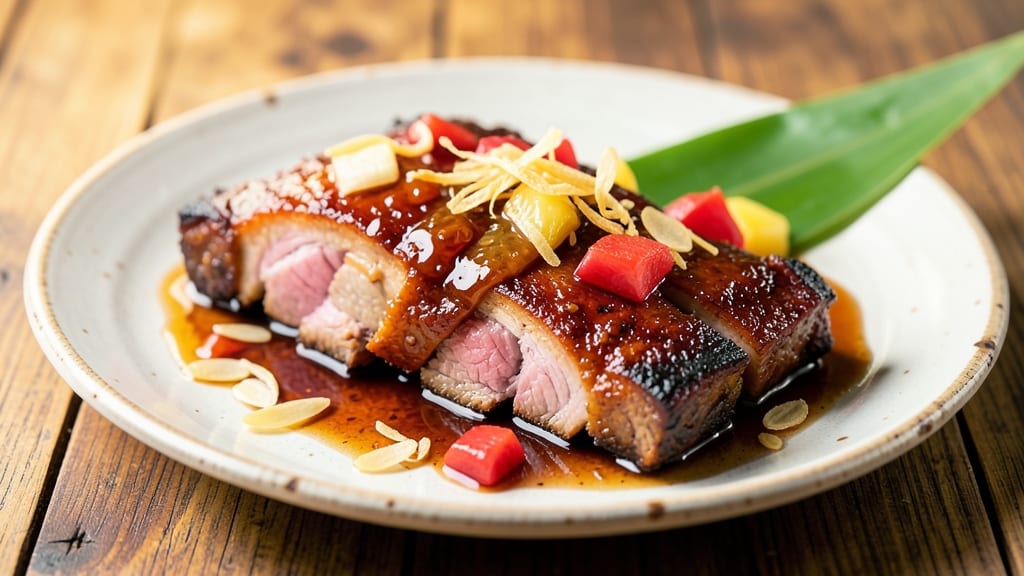
This Filipino-style pork ribs recipe with pineapple delivers a perfect balance of sweet, tangy, and savory flavors that caramelize both the meat and fruit. 🔥 After years of perfecting my approach to balancing traditional Filipino seasonings with the natural sweetness of pineapple, I've developed a method that transforms tough ribs into tender, glaze-coated perfection.
The key lies in the marinade—where soy sauce, vinegar, and garlic create the foundation for a glaze that's both sticky and aromatic. The beauty of this dish is in its simplicity: ribs marinate overnight, then slow-cook until they practically fall apart, while the pineapple caramelizes into a sticky, sweet contrast.
I've tested this recipe countless times, adjusting the sugar levels to ensure the pineapple doesn't overpower the meat but instead enhances its natural richness. The result is a dish that's equally at home on a weeknight dinner table or a holiday spread.
What makes this recipe special is how the flavors develop—starting with the deep umami from the soy sauce, brightened by the tang of vinegar, and rounded out by the caramelized sweetness of both the ribs and pineapple.
The texture is what truly sets it apart: tender, slightly crisp edges on the ribs, and a glaze that's just sticky enough to cling to every bite.
Serve these ribs with steamed jasmine rice to soak up every last bit of that sweet-tangy glaze, and consider adding a quick-pickled atchara for a refreshing contrast. This is comfort food at its finest—rich, flavorful, and impossible to resist.
Ingredients for pork ribs with pineapple filipino
Filipino comfort food essentials—ribs, pineapple, and bold seasonings that transform simple ingredients into a sticky-sweet masterpiece.
| Ingredient | Amount | Notes |
|---|---|---|
| Pork Ribs (Baby Back) 🥓 | 2 ½ lb | Bone-in, meaty sections preferred |
| Fresh Pineapple Chunks 🍍 | 2 cups | Fresh or canned in juice, no syrup |
| Soy Sauce (Light) 🥢 | ½ cup | Kikkoman preferred for authentic flavor |
| White Vinegar 🍶 | ¼ cup | White or apple cider vinegar |
| Garlic Cloves 🧄 | 8 cloves | Minced finely for deep flavor |
| Brown Sugar 🍚 | ½ cup | Packed brown sugar for caramelization |
| Olive Oil 🫒 | ¼ cup | Extra-virgin for richness |
| Ground Black Pepper 🌶️ | 1 ½ tsp | Freshly ground for best flavor |
| Ground Cinnamon 🌿 | ½ tsp | Adds warmth to the glaze |
| Jasmine Rice 🍚 | 2 cups | Uncooked, for serving |
| Fresh Ginger 🌿 | 1 tbsp | Grated, for marinade depth |
| Salt 🧂 | 2 tsp | Diamond Crystal preferred |
| Green Onions 🧅 | ¼ cup | Sliced, for garnish |
| Sesame Oil 🫒 | 1 tbsp | Toasted, for finishing |
The ribs are the foundation, so look for baby back cuts with generous meat coverage—they caramelize beautifully. Costco or local butcher shops often carry them pre-cut, but if buying whole, trim excess fat for cleaner cooking. Pineapple should be ripe but firm (yellow with no browning)—Dole brand is reliable, but fresh is ideal if you can find it at an Asian market. The soy sauce and vinegar are non-negotiable for authenticity; Kikkoman and Red Boat are the gold standards here, but any light soy will work in a pinch. For the brown sugar, pack it tightly—this ensures the glaze develops proper caramelization without clumping.
No fresh ginger? Substitute with 1 tsp ground ginger, but fresh is worth the zest. Running short on sesame oil? Toast regular sesame seeds and drizzle the oil from them instead—same aromatic punch. The green onions can be swapped for red onions if you prefer a sharper bite, but the mild sweetness of green works better with the pineapple. For a deeper umami kick, add 1 tbsp fish sauce (ensure it's gluten-free if needed). If you're using canned pineapple, drain and pat dry to prevent a watery glaze. The garlic can be roasted ahead for a mellower flavor—simply toss minced garlic with olive oil and roast at 400°F for 8-10 minutes before using.
Marinated ribs keep up to 24 hours in the fridge, but the flavor deepens overnight. Cooked ribs reheat beautifully—cover with foil and warm in a 300°F oven for 15-20 minutes. The glaze thickens as it cools, so reheat uncovered if it seems too stiff. Store leftovers in an airtight container for up to 5 days, though the pineapple may soften further. For meal prep, portion the ribs and glaze separately—recombine when reheating to maintain texture. The jasmine rice stays fresh for 4 days in the fridge or 3 months frozen; toast it in a dry pan before serving for extra aroma.
Why You'll Love This Recipe
- One-Pan Magic: I swear by this recipe when I’m too tired to scrub pots—just toss ribs, pineapple, and that tangy soy-vinegar mix on a sheet pan. The oven does all the work while I sip coffee and scroll through memes.
- Sweet-Savory Balance: That caramelized pineapple cutting through the salty ribs? It’s like a party in your mouth. The garlic and vinegar give it a bright, almost umami punch that makes it taste like a restaurant dish.
- Leftovers That Don’t Suck: Between us, ribs leftovers are usually sad—dry or soggy. But this recipe? The sauce clings to the meat, so reheating is just a quick sizzle in a pan. Perfect for lazy lunches or feeding unexpected guests.
- Budget Crowd-Pleaser: Baby back ribs aren’t cheap, but this recipe stretches them farther than you’d think. Add rice or veggies, and it feeds four for under $20—plus, everyone (even the picky eaters) will ask for seconds.
Step-by-step instructions for pork ribs with pineapple Filipino glaze
Here's how to create that perfect balance of caramelized ribs and sweet-tart pineapple glaze.
🔥 Step 1: Marinate the Ribs for Maximum Flavor
In a large bowl, combine the 2.5 lb pork ribs (baby back), 0.5 cup soy sauce (light), 0.25 cup white vinegar, 8 cloves minced garlic, 1 tbsp grated fresh ginger, 1.5 tsp ground black pepper, and 2 tsp salt. Mix thoroughly until the ribs are completely coated in the marinade.
Real talk: the longer you marinate, the better. Cover and refrigerate for at least 4 hours (overnight is ideal). This allows the flavors to deeply penetrate the meat and tenderize the tough rib fibers. The acid from the vinegar will start breaking down the proteins, ensuring fork-tender results.
🍳 Step 2: Sear the Ribs for Deep Flavor and Color
Preheat your oven to 300°F. Heat 0.25 cup olive oil in a large oven-safe skillet over medium-high heat. Remove the ribs from the marinade (reserve the marinade) and pat them dry with paper towels—this ensures maximum browning.
Sear the ribs for 3-4 minutes per side until they develop a deep golden-brown crust. You'll know they're ready when they release easily from the pan. Transfer the seared ribs to a plate and tent loosely with foil to keep warm. Don't skip this step—it builds the flavor foundation for your glaze.
🥘 Step 3: Build the Sweet-Tangy Glaze
In the same skillet (no need to clean it—the browned bits add flavor), add the reserved marinade and bring to a simmer over medium heat. Stir in the 0.5 cup brown sugar and 0.5 tsp ground cinnamon, whisking until the sugar dissolves completely. Add the 2 cups fresh pineapple chunks and simmer for 5-7 minutes until the liquid reduces by half and the pineapple softens slightly.
Here's the thing—the glaze should coat the back of a spoon with a syrupy consistency. If it's too thin, simmer longer. If it's too thick, add a splash of water. The cinnamon adds warmth that complements the sweetness, while the pineapple keeps the glaze from becoming too heavy.
🔥 Step 4: Braise Until Tender with Glaze
Return the ribs to the skillet, spooning the glaze over them completely. Transfer the skillet to the preheated 300°F oven and braise uncovered for 2-2.5 hours, basting with the glaze every 30 minutes. The ribs are done when they're fork-tender and the internal temperature reaches 195°F.
I know it's tempting to check constantly, but resist the urge. The ribs need that steady, low heat to break down properly. The glaze will caramelize beautifully, creating those glossy, sticky edges that make this dish so special.
🍽️ Step 5: Finish with Sesame Oil and Serve
Remove the ribs from the oven and transfer them to a serving platter. Drizzle with 1 tbsp toasted sesame oil and garnish with 0.25 cup sliced green onions. Serve immediately with the 2 cups cooked jasmine rice and any remaining glaze spooned over the top.
Each bite should deliver tender, fall-apart ribs with a perfect balance of sweet, tangy, and savory flavors. The pineapple adds a refreshing contrast to the rich pork, while the sesame oil finishes with a nutty aroma. This is where Filipino comfort food shines—simple ingredients transformed into something extraordinary.
Pro Tips For Making Pork Ribs With Pineapple Filipino
- Sear the Ribs First: I learned this the hard way—skipping the sear means flavor hiding in the sauce instead of clinging to the meat. Hit the ribs with a hot pan for 3-4 minutes per side before adding anything else; that crust locks in the juices and makes the soy-vinegar glaze stick like glue.
- Cut Pineapple Small: Big chunks? They’ll turn mushy and water down your sauce. Dice the pineapple into ½-inch pieces—small enough to cook through but still hold their shape. (Yes, it takes 5 extra minutes, but your sauce won’t turn into a sad, watery pool.)
- Balance the Vinegar: Too much white vinegar and your dish tastes like a pickled mistake. Start with 2 tablespoons per cup of soy sauce, then taste as you go—you’re aiming for tangy, not sour. (Trust me, you can always add more, but you can’t un-sour a pot.)
- Simmer Low and Slow: After the initial sear, drop the heat to medium-low and let the ribs simmer uncovered for 45-60 minutes. The sauce needs time to reduce, and rushing it turns your glaze into a thin, sticky mess. (This is where patience pays off—no skips here.)
Perfect pairings for this recipe
Filipino Rice Pairings
Jasmine rice is the classic choice here—its delicate floral aroma complements the sweet-tangy glaze beautifully. Cook 2 cups uncooked jasmine rice (about 4 cups cooked) in a rice cooker or pot with 2.5 cups water.
For extra depth, toast the rice in a dry pan for 2-3 minutes before cooking to enhance its nutty flavor. 🌱
Pickled Vegetable Contrast
Serve with atchara (Filipino pickled papaya) for a refreshing acidity that cuts through the richness. Thinly slice 1 cup green papaya, mix with ½ cup vinegar, 1 tbsp sugar, and ½ tsp salt, then let sit for 30 minutes.
The bright, tangy crunch balances the caramelized ribs perfectly.
Creamy Coconut Milk Sauce
For a richer pairing, drizzle the ribs with a light coconut milk sauce made by simmering ½ cup coconut milk with 1 tbsp fish sauce and 1 tsp sugar until slightly thickened. This adds a velvety texture that enhances the pineapple's sweetness without overpowering the ribs. 🥥
Spicy Chili-Lime Dressing
Add a zesty kick with a quick chili-lime dressing: whisk 2 tbsp lime juice, 1 tbsp olive oil, 1 tsp honey, and ½ tsp chili flakes. Toss with sliced cucumbers or shredded cabbage for a refreshing side that highlights the ribs' caramelized edges.
Crispy Garlic Fried Rice
Use leftover rice to make garlic fried rice—sauté 2 cups cooked rice in 1 tbsp oil with 3 minced garlic cloves and 1 egg, then season with ½ tsp salt and ¼ tsp white pepper.
Top with 2 tbsp chopped green onions for a quick, flavorful side that soaks up the glaze.
Warm Filipino Bread
Complete the meal with pan de coco or ensaymada, sweet Filipino breads dusted with powdered sugar. Their buttery richness contrasts the savory-sweet ribs, making every bite feel like a celebration. Look for these at Asian bakeries or make your own with store-bought dough. 🍞
Nutrition facts
Frequently asked questions
Can I use frozen pineapple instead of fresh?
Yes, but with one important adjustment! Drain and pat dry the frozen pineapple chunks thoroughly to prevent a watery glaze. For best results, use pineapple that's been packed in juice (not syrup) and let it thaw completely before adding it to the glaze mixture. The texture will be slightly softer than fresh, but the sweetness remains perfect.
How do I know when the ribs are fully tender?
The ribs are done when they reach an internal temperature of 195°F and the meat pulls away easily from the bone. For baby back ribs, this typically takes 2-2.5 hours at 300°F. You'll also notice the glaze becomes glossy and sticky, and the ribs will be fork-tender with minimal resistance.
What if my glaze becomes too thick?
Simply add 1-2 tablespoons of water and stir gently to loosen the glaze. Return the skillet to low heat and let it reduce again until you reach that perfect syrupy consistency. If the glaze thickens during cooking, uncover the ribs slightly to allow moisture to evaporate more quickly.
Can I make this recipe in a slow cooker?
After searing the ribs, transfer them to your slow cooker along with the glaze ingredients. Cook on low for 6-7 hours or high for 4-5 hours, adding 1/4 cup water if the glaze becomes too thick. The low-and-slow method works beautifully for tenderizing the ribs while keeping the pineapple's sweetness intact.
What's the best way to reheat leftovers?
Cover the ribs with foil and reheat in a 300°F oven for 15-20 minutes. For extra crispiness, broil for 2-3 minutes at the end. Avoid microwaving as it can make the ribs tough and the glaze rubbery. Reheat the glaze separately if it's too thick, adding a splash of water or pineapple juice to restore its consistency.