
Sauces & Condiments
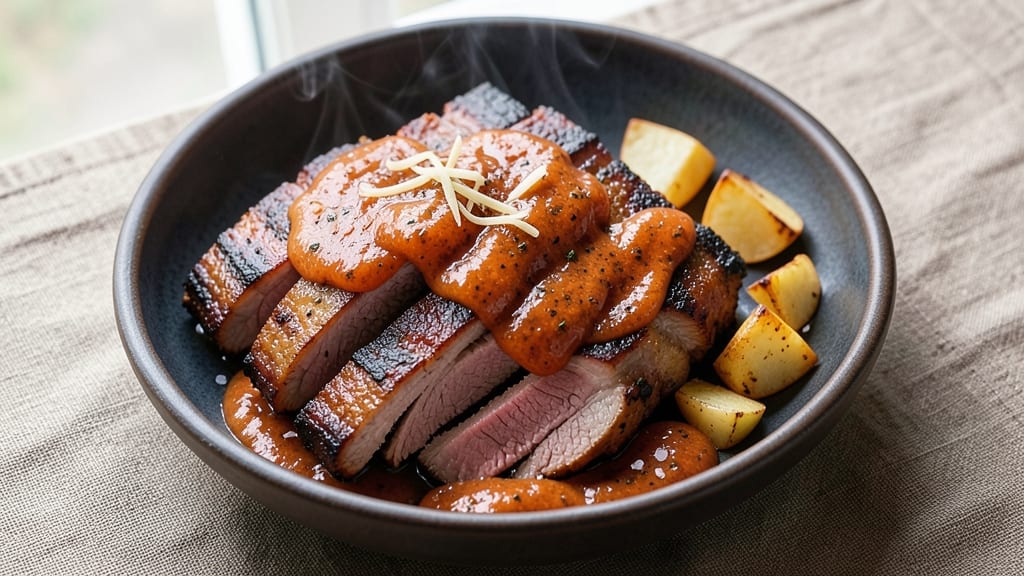
This pork ribs with apple sauce recipe transforms tough meat into fall-apart tenderness with a sweet, caramelized glaze that'll have everyone asking for seconds. The secret lies in slow-braising the ribs until they're fork-tender, then finishing with a homemade apple sauce that balances rich pork flavors with bright, tangy sweetness.
I developed this method after years of experimenting with different sauces, and the apple sauce makes all the difference—its natural acidity cuts through the fat while adding a subtle depth that complements the meat perfectly.
The process starts with a dry rub that creates a flavorful bark on the ribs, then slow-cooking them until they're so tender they practically melt. Meanwhile, the apple sauce simmers down into a thick, glossy reduction that'll cling to every bite.
What you end up with is a dish that's rich yet balanced, sweet yet savory—a perfect combination that works as a main course or even a comforting weeknight meal. The best part? The sauce doubles as a versatile condiment for sandwiches or roasted vegetables.
By the time you're done, you'll have ribs that are perfectly caramelized on the outside with tender, juicy meat beneath, all paired with a smooth apple sauce that enhances every flavor. This recipe delivers restaurant-quality results without requiring special equipment—just patience and attention to detail.
The aroma alone will have your whole house smelling like a fall feast, and the first bite will prove why this combination is a classic for a reason.
Serve with roasted potatoes or a crisp green salad for a complete meal that's hearty yet refined. The apple sauce can also be made ahead, giving you one less thing to worry about on cooking day.
Let's get started on this timeless dish that brings comfort and flavor to the table.
Ingredients for pork ribs apple sauce
Sweet and savory ingredients that transform tough ribs into melt-in-your-mouth perfection with a glossy apple sauce.
| Ingredient | Amount | Notes |
|---|---|---|
| Pork Baby Back Ribs 🥓 | 4 lb | Bone-in, meaty ends preferred |
| Brown Sugar 🍯 | ½ cup | Packed, light or dark |
| Smoked Paprika 🌶️ | 2 tbsp | For deep smoky flavor |
| Ground Black Pepper 🌶️ | 1 ½ tsp | Freshly cracked for best flavor |
| Kosher Salt 🧂 | 1 ½ tsp | Diamond Crystal preferred |
| Garlic Powder 🧄 | 1 tbsp | Freshly ground preferred |
| Onion Powder 🧅 | 1 tbsp | For depth of flavor |
| Fresh Apples 🍎 | 4 medium | Honeycrisp or Fuji preferred |
| Apple Cider Vinegar 🍏 | ¼ cup | For tangy brightness |
| Granulated Sugar 🍯 | ¼ cup | White or raw |
| Ground Cinnamon 🌿 | ½ tsp | For warm spice notes |
| Fresh Cinnamon Sticks 🌿 | 2 whole | For infusion |
| Unsalted Butter 🧈 | 2 tbsp | Cold for finishing |
| Water 💧 | 1 ½ cups | For apple sauce base |
The ribs are the star here, so pick meaty baby backs with good marbling—Costco or local butchers usually have the best quality. Look for ribs with a thick layer of fat on the bone; that's where the flavor hides. For the dry rub, smoked paprika is non-negotiable—it's what gives those deep, smoky notes. I always grab mine from Penzeys or the bulk spice section at Whole Foods because the flavor is so much fresher than those little packets. The apples? Honeycrisp or Fuji are perfect—they're sweet enough to caramelize but hold their shape. If you can't find those, Gala or Braeburn work too, but peel and core them extra carefully.
No smoked paprika? Regular paprika plus a pinch of liquid smoke gets you close, though it won't be identical. Short on apples? Substitute pear or a mix of apple and pear—just reduce the water slightly since pears are juicier. The apple cider vinegar adds that perfect tang, but if you're out, lemon juice works in a pinch. For the ribs, I always use Diamond Crystal kosher salt—it dissolves better than table salt and gives a cleaner flavor. The cinnamon sticks are optional but add a lovely aroma to the apple sauce. If you're feeling fancy, toast the cinnamon sticks lightly in a dry pan before adding them to the sauce—worth the extra minute.
The ribs can be prepped a day ahead—just store them uncovered in the fridge overnight for a better bark. The apple sauce keeps for 5 days in the fridge and freezes beautifully for up to 6 months. I always make extra sauce because it's perfect on toast, pancakes, or even roasted veggies. For the ribs, once they're done, wrap them tightly in foil and refrigerate for at least 2 hours before serving—this helps them stay tender. The sauce thickens as it cools, so if it's too thick when you're done, just stir in a splash of water or apple cider.
Why You'll Love This Recipe
- I’ll be real: the brown sugar and smoked paprika turn these ribs into something special—caramelized edges with a hint of warmth that lingers. That apple sauce glaze isn’t just sticky; it’s the kind of sweetness that makes you close your eyes and savor every bite.
- Sweet & Smoky Magic: I’ll be real: the brown sugar and smoked paprika turn these ribs into something special—caramelized edges with a hint of warmth that lingers. That apple sauce glaze isn’t just sticky; it’s the kind of sweetness that makes you close your eyes and savor every bite.
- One-Pan, Zero Stress: Honestly, this is my go-to for lazy Sundays. You slather the ribs, toss them on a sheet pan, and let the oven do the work. No flipping, no fuss—just melt-in-your-mouth results with minimal cleanup.
- Leftovers That Beg for More: Between us, the ribs stay tender for days, and the apple sauce glaze? It’s the star of sandwiches or a quick reheat. I’ve even used it to glaze chicken thighs—proof it’s a flavor powerhouse that doesn’t quit.
Step-by-step instructions for slow-braised pork ribs with apple sauce
This method transforms tough ribs into tender, caramelized perfection with a sweet apple sauce glaze.
Prep the Ribs and Seasoning
Pat the 4 lb pork baby back ribs completely dry with paper towels—this ensures maximum crispiness. In a small bowl, whisk together the 0.5 cup brown sugar, 2 tbsp smoked paprika, 1.5 tsp ground black pepper, 1.5 tsp kosher salt, 1 tbsp garlic powder, and 1 tbsp onion powder. Rub this mixture generously over the ribs, pressing it into every crevice. Let them sit at room temperature for 30 minutes while you prepare the apple sauce.
Here's the thing—proper seasoning isn't just about flavor, it's about creating that perfect bark. The brown sugar will caramelize beautifully during cooking, giving you that glossy, sticky exterior we're after. Don't skip the resting time; cold ribs cook unevenly and the seasoning won't adhere properly.
Build the Apple Sauce Base
Peel, core, and chop the 4 medium fresh apples into ½-inch chunks. In a large Dutch oven, combine the apple chunks with the 0.25 cup apple cider vinegar, 0.25 cup granulated sugar, 0.5 tsp ground cinnamon, 2 whole fresh cinnamon sticks, and 1.5 cups water. Bring to a boil over medium-high heat, then reduce to medium-low and simmer uncovered for 15 minutes until the apples soften and the liquid reduces slightly.
Use a wooden spoon to mash about half the apples against the pot's sides—this creates a naturally thickened sauce. The cinnamon sticks will infuse deep warmth, while the vinegar adds that perfect tang to balance the sweetness. If you notice the sauce getting too thick before the apples soften, add 1-2 tablespoons water to maintain the right consistency.
Braise the Ribs with Apple Sauce
Carefully nestle the seasoned ribs into the Dutch oven, laying them on top of the apple sauce mixture. The ribs should be mostly submerged in the sauce—this helps them cook evenly and stay moist. Cover the pot tightly with a lid and transfer to a 300°F oven. Braise for 2 hours, then flip the ribs and baste with some of the apple sauce. Return to the oven for another 1 hour until the meat is fork-tender.
Real talk: the first hour is when most of the magic happens. The ribs will release their collagen and begin breaking down. After flipping, you'll see the sauce start to caramelize on the ribs—this is your signal that we're getting close to perfection. If you peek and see the sauce is reducing too quickly, add 2-3 tablespoons water to keep it moist.
Finish with Butter and Rest
Remove the ribs from the oven and increase the heat to medium-high. Stir in the 2 tbsp cold unsalted butter and let it melt into the sauce, creating a glossy finish. Spoon this buttery apple sauce generously over the ribs. Let everything rest together, covered, for 15 minutes before serving—this allows the juices to redistribute and the flavors to meld completely.
The butter adds richness that balances the sweet-tangy apple sauce, while the resting period ensures each bite is juicy and flavorful. You'll know it's ready when the sauce has thickened slightly and the ribs pull apart easily with a fork. Serve with extra apple sauce spooned over the top for that restaurant-quality presentation.
Pro Tips For Making Pork Ribs Apple Sauce
- BRINE THE RIBS: Toss the ribs in a mix of 1 cup kosher salt, 1 cup brown sugar, and 4 cups warm water for 30 minutes before cooking—this locks in moisture and gives you that sticky, caramelized crust without fighting dry meat. (Yes, even if you're impatient like me, resist the urge to skip this.)
- USE APPLESAUCE SPARINGLY: The recipe likely calls for applesauce to tenderize, but too much makes ribs mushy. Stick to ½ cup max and let it sit on the ribs for 20 minutes before cooking—this gives the meat time to absorb without turning into a soggy mess.
- SKIP THE RUSH TO LOW: After searing, I used to drop the heat too fast, and the ribs never got that deep, smoky flavor. Crank the heat to 275°F (135°C) after the initial sear, not before—this ensures a crisp bark while keeping the meat tender.
- PAPRIKA PASTE TRICK: Instead of just sprinkling smoked paprika, mix it into 1 tablespoon of applesauce with a pinch of black pepper to form a paste. Brush this on the ribs in the last 15 minutes of cooking—it clings better and gives a richer, more even coating. (Your future self will thank you.)
Serving suggestions for this dish
Classic Pairings
Serve these ribs with crispy roasted potato wedges tossed in olive oil and smoked paprika—they soak up the apple sauce beautifully. I like to bake them at 425°F for 30 minutes until golden and crispy.
For a lighter option, try shredded cabbage slaw with a tangy apple cider vinaigrette—it cuts through the richness perfectly. 🥔
Bread Service
Warm crusty sourdough bread or cornbread makes an excellent companion—dip it into the leftover apple sauce for a sweet finish. I often toast slices in the oven alongside the ribs for 5 minutes at 375°F to keep everything warm.
For extra indulgence, serve with buttermilk biscuits fresh from the oven. The buttery layers contrast wonderfully with the smoky ribs.
Vegetable Sides
Roasted carrots and parsnips glazed with honey and thyme add seasonal harmony to the meal. Toss them in 1 tbsp olive oil, 1 tsp honey, and ½ tsp thyme, then roast at 400°F for 25 minutes.
Another favorite is sautéed green beans with garlic and lemon zest—the bright acidity balances the sweetness of the apple sauce. 🥕
Dessert Pairing
End the meal with warm apple crisp using the same apples from your sauce—it’s like a flavor echo! Mix 2 cups chopped apples with ½ cup oats, 2 tbsp brown sugar, and 1 tbsp cinnamon, then bake at 350°F for 20 minutes.
Serve with vanilla ice cream for the ultimate comfort-food finale. The cinnamon ties everything together beautifully.
Drink Recommendations
A dry Riesling from Germany complements the sweet-savory balance perfectly—the wine’s acidity cleanses the palate between bites. For beer lovers, a hazy IPA with apple notes (like New Belgium's Fat Tire) mirrors the sauce’s flavors.
If you prefer something lighter, sparkling apple cider adds a festive touch and keeps the meal refreshing. 🍷
Nutrition facts
Frequently asked questions
Can I use store-bought apple sauce instead of making it from scratch?
While you can use store-bought apple sauce, homemade makes all the difference! Freshly made apple sauce has brighter flavors and a perfect balance of sweetness and tang that store-bought versions often lack. The recipe's cinnamon sticks and vinegar create a depth of flavor you won't find in commercial sauces. If you're short on time, look for unsweetened apple sauce and add a pinch of cinnamon and a splash of vinegar to mimic the homemade taste.
How do I know when the ribs are fully cooked?
The ribs are done when they're fork-tender and pull apart easily with minimal resistance. Insert a meat thermometer into the thickest part—they should reach 195°F to 203°F. If you don't have a thermometer, cut between two bones and check for tenderness. The sauce should also be thick and glossy, clinging beautifully to the ribs. Overcooking can make them dry, so aim for that perfect pull-apart texture.
Can I make this recipe in a slow cooker instead of the oven? Transfer the seasoned ribs and apple sauce to a 6-quart slow cooker and cook on low for 6-7 hours or high for 3-4 hours. The ribs will become tender, and the sauce will thicken beautifully. For extra flavor, baste the ribs with some of the sauce every 2 hours. The slow cooker method is perfect for hands-off cooking, especially on busy days. Just
What should I do if my apple sauce turns out too thin?
Don't worry—this is an easy fix! Simmer the sauce uncovered for an additional 5-10 minutes to reduce it. If it's still too thin, mash more of the apples against the pot's sides with a wooden spoon to thicken it naturally. For a quicker solution, mix 1 teaspoon cornstarch with 1 tablespoon cold water, stir it into the sauce, and simmer for 2 minutes until it thickens. The sauce should coat the back of a spoon without being gluey.
How far ahead can I prepare the apple sauce?
You can make the apple sauce 3 days in advance and store it in an airtight container in the fridge. The flavors actually improve as it sits, becoming more concentrated. When reheating, warm it gently on the stove over low heat and stir in the butter just before serving. For longer storage, freeze the sauce for up to 6 months. Thaw it in the fridge overnight before reheating—this preserves its texture and flavor perfectly.