
Sauces & Condiments
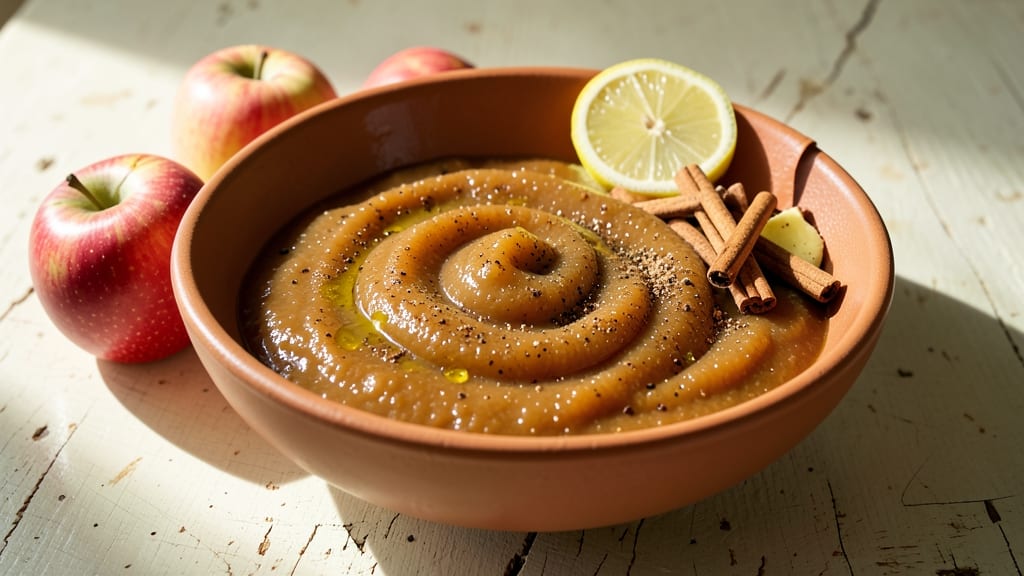
A cooking apple sauce recipe transforms ordinary apples into a versatile, fragrant condiment that elevates both sweet and savory dishes. This recipe focuses on a balanced blend of cinnamon and nutmeg—just enough warmth to enhance flavor without overpowering the natural sweetness of the fruit. The slow simmering process ensures a smooth, chunk-free texture perfect for dipping, topping, or pairing with meats.
The process is straightforward: peel, core, and chop apples into even pieces for consistent cooking. A touch of sugar and lemon juice brightens the sauce, while spices infuse gently during the simmer. The result is a rich, aromatic sauce that pairs beautifully with pork, poultry, or as a dessert topping.
It also stores well in the fridge for up to a week, making it a practical addition to any pantry.
This apple sauce delivers a versatile, restaurant-quality finish to meals without requiring advanced techniques. The slow cooking method develops deep flavor, while the smooth texture makes it ideal for both everyday use and special occasions.
Whether you're serving it with roasted chicken or drizzling it over vanilla ice cream, the subtle spice notes add a sophisticated touch.
For extra depth, consider adding a splash of apple cider during simmering or a pinch of allspice for complexity.
The recipe scales easily, so feel free to double the batch for meal prep or gifting. Every spoonful carries the essence of freshly cooked fruit, making it a standout condiment worth keeping on hand.
Ingredients for cooking apple sauce
Eight simple ingredients transform fresh apples into a smooth, spiced sauce perfect for both sweet and savory dishes.
| Ingredient | Amount | Notes |
|---|---|---|
| Apples (Cooking Variety) 🍎 | 4 lb | Peeled, cored, chopped into even pieces |
| Water 💧 | 1 cup | For simmering apples |
| Granulated Sugar 🍚 | ½ cup | Adjust to taste |
| Lemon Juice 🍋 | 2 tbsp | Freshly squeezed |
| Ground Cinnamon 🌿 | 1 ½ tsp | For warmth |
| Ground Nutmeg 🌶️ | ½ tsp | Freshly grated preferred |
| Apple Cider (Optional) 🍏 | ¼ cup | For added depth |
| Salt 🧂 | ¼ tsp | Kosher or sea salt |
The apples are the foundation—cooking varieties like Granny Smith or Honeycrisp hold up best during simmering. Local farmers markets often have these at peak season, but grocery stores carry them year-round. Look for firm, unblemished fruit with vibrant color. If using organic apples, no need to peel, but conventional apples should be washed thoroughly before peeling. Prep the apples by chopping into even 1-inch pieces for consistent cooking—smaller pieces cook faster but may break down more, while larger pieces hold their shape better.
No fresh nutmeg? Ground nutmeg works fine, though freshly grated adds depth. Running short on apple cider? Extra lemon juice or a splash of apple juice keeps the same bright flavor profile. The sugar can be adjusted—reduce to 1/4 cup for less sweetness or increase to 3/4 cup for a richer sauce. For a smoother texture, blend the finished sauce with an immersion blender, or leave it slightly chunky for rustic appeal. If you prefer extra spice, add a pinch of allspice or cardamom during the final minutes of simmering.
Store in an airtight container in the refrigerator for up to 1 week, or freeze for 6 months in airtight containers or ice cube trays for single-serving portions. The sauce thickens as it cools, so add a splash of water or apple cider if it becomes too stiff. This sauce reheats beautifully—simmer gently on the stove or microwave in 30-second bursts, stirring between each, until warmed through. Double the recipe for meal prep or gifting—it’s a crowd-pleaser at holiday gatherings.
Why You'll Love This Recipe
- Five-Ingredient Magic: I swear by this combo—peel, core, and chop apples (no fancy knife work needed), then toss them in a pot with water, sugar, lemon, and cinnamon. That’s it. No blender, no stress, just pure, warm satisfaction.
- Sweet-Tart Balance: The lemon juice cuts through the sugar just enough to keep it bright, while the cinnamon adds this cozy depth that makes it taste like autumn in a jar. Honestly? It’s the kind of flavor that sticks with you.
- Pantry to Party: Use it as a topping for pancakes, stir it into oatmeal, or drizzle it over vanilla ice cream—even my picky-eating teenager asks for it. And when company’s coming? It’s the one thing I always have ready.
- No-Waste Win: Turn bruised apples into something delicious instead of tossing them. A big batch keeps for weeks in the fridge, and it’s cheaper than buying pre-made sauce. Plus, freezing it means I’m always covered.
Step-by-step instructions for slow-simmered spiced apple sauce
This method transforms simple apples into a velvety, aromatic sauce perfect for pairing with meats or desserts.
Prepare and Simmer the Apples
In a large, heavy-bottomed pot, combine the peeled, cored, and chopped 4 lb apples (cooking variety) with the 1 cup water. Bring to a gentle boil over medium-high heat, then immediately reduce to low heat. Let the apples simmer uncovered for 15-20 minutes, stirring occasionally, until they become soft and begin to break down.
You'll know they're ready when a knife slides in easily and the mixture releases its liquid readily. Avoid mashing the apples at this stage—let them soften naturally to preserve texture. If the mixture becomes too thick, add 1-2 tablespoons water to maintain a loose consistency for blending.
Add Sweetness and Acid Balance
Once the apples are tender, stir in the 0.5 cup granulated sugar, 2 tbsp lemon juice, and 0.25 tsp salt. The sugar should dissolve completely as the mixture simmers. If using, add the 0.25 cup apple cider now—it adds depth and balances the sweetness beautifully.
Simmer uncovered for another 10-15 minutes on low heat, stirring frequently to prevent sticking. You're looking for a smooth, slightly thickened sauce that coats the back of a spoon. The lemon juice brightens the apples while preventing the sugar from overpowering the natural fruit flavor.
Infuse with Warm Spices
Reduce the heat to lowest setting and stir in the 1.5 tsp ground cinnamon and 0.5 tsp ground nutmeg. Let the sauce simmer gently for 5-7 minutes, allowing the spices to bloom and infuse the apples with their warm, aromatic qualities.
Here's the thing—don't rush this step. The spices need time to meld with the apples, creating layers of flavor. If you taste the sauce now, you should detect the subtle warmth of cinnamon and the earthy notes of nutmeg without any bitterness. If the sauce thickens too much, add 1-2 tablespoons water to achieve your desired consistency.
Blend and Adjust to Perfection
Using an immersion blender, carefully blend the sauce directly in the pot until completely smooth. If you prefer a slightly textured sauce, blend only until most chunks are broken down. For a completely silky finish, blend until no lumps remain.
Taste and adjust the seasoning if needed. You might want to add a touch more sugar, lemon juice, or even a pinch of salt to achieve perfect balance. The sauce should be sweet, tangy, and warmly spiced without being overpowering. Let it cool slightly before serving or storing.
Rest and Serve
Transfer the apple sauce to a clean bowl or jar and let it cool to room temperature. The flavors will continue to develop and meld as it sits. For best results, refrigerate any leftovers and use within 5-7 days.
This versatile sauce pairs beautifully with roasted pork, chicken, or turkey, and adds a sophisticated touch to desserts like cheesecake or ice cream. The slow simmering process ensures a deep, complex flavor that's far more interesting than canned alternatives.
Pro Tips For Making Cooking Apple Sauce
- PEEL AND CORE UNIFORMLY: Cut apples into even ½-inch chunks—no need to peel if they’re firm and unblemished, but remove stems and seeds completely. I learned this the hard way: uneven pieces mean some cook mushy while others stay underdone, and no one wants a lumpy applesauce.
- SIMMER LOW AND SLOW: Reduce heat to a gentle bubble after the apples soften—high heat turns it into glue. Cover the pot for the last 10 minutes to trap steam; that’s when the cinnamon and sugar really meld. (Yes, even if you’re impatient like me.)
- SKIP THE OVER-SWEETENING: Taste before adding all the sugar—cooking apples already have natural sweetness. Start with half the recipe’s sugar, then adjust; you can always add more lemon juice later for brightness if needed. I used to drown it in sugar, but this cuts calories and keeps the flavor balanced.
- STRAIN FOR SMOOTHNESS: If you want silky texture, press the cooked apples through a fine-mesh sieve after simmering. It’s extra work, but the result is restaurant-quality—no surprise when your family asks, “Who made this?” (Spoiler: it was you.)
Dietary considerations for this cooking apple sauce
Gluten-Free Adaptations
This apple sauce is naturally gluten-free since it only contains apples, sugar, spices, and lemon juice. However, if you're using pre-packaged ingredients, always check labels—some brands of granulated sugar or spices may contain trace gluten.
For extra safety, I recommend using certified gluten-free sugar and spices from trusted brands like Bob's Red Mill or Penzeys Spices. 🌱
Sugar-Free Options
Reduce or eliminate sugar entirely by using 1/4 cup unsweetened applesauce or 1/4 cup mashed banana instead of granulated sugar. You can also sweeten naturally with 1-2 tbsp maple syrup or 1 tbsp honey for depth.
The sauce will be less sweet but still flavorful, especially with the cinnamon and nutmeg enhancing the apples' natural sweetness.
Vegan Considerations
This recipe is already vegan-friendly, but if you're concerned about potential cross-contamination, use vegan-certified ingredients. Some brands of cinnamon or nutmeg may be processed in facilities with dairy or eggs, so opt for certified vegan spices if needed. The lemon juice and sugar are typically vegan, but always double-check labels.
Low-Sugar Diets
For those monitoring sugar intake, reduce the granulated sugar to 1/4 cup and enhance sweetness with 1 extra tablespoon of lemon juice or 1/2 teaspoon of vanilla extract. The spices and slow simmering process will still create a rich, aromatic sauce without excessive sweetness.
You can also use stevia or monk fruit sweetener (about 1/2 teaspoon) for a sugar-free alternative.
Allergy-Friendly Adjustments
If nut allergies are a concern, avoid using ground nutmeg (which contains traces of nut oils) and substitute with 1/4 teaspoon of ground allspice or 1/8 teaspoon of ground cloves for warmth.
For citrus-sensitive individuals, replace lemon juice with 2 tablespoons of apple cider vinegar—it adds tanginess without the same allergenic risk. Always verify ingredient labels for hidden allergens.
Keto-Friendly Version
To adapt this recipe for keto, skip the sugar entirely and use 1/4 cup unsweetened applesauce or 1/4 cup mashed cauliflower for bulk and texture. Add 1/2 teaspoon of cinnamon and 1/4 teaspoon of vanilla extract to enhance flavor.
The sauce will be less sweet but still aromatic and perfect for pairing with keto-friendly meats like pork or chicken. 💪
Nutrition facts
Frequently asked questions
Can I use any type of apples for this sauce?
For best results, use cooking apples like Granny Smith or Honeycrisp—they hold their shape during simmering and have a pleasant balance of sweetness and tartness. Avoid overly soft varieties like McIntosh, as they break down too quickly. If you only have sweet apples, add an extra 1 tbsp lemon juice to brighten the flavor.
How do I adjust the thickness of the apple sauce?
If the sauce is too thick after blending, thin it with 1-2 tbsp water or apple cider while reheating. For a thicker texture, simmer uncovered for an extra 5-10 minutes to evaporate excess liquid. The ideal consistency should coat the back of a spoon but still be pourable.
Can I make this sauce without a blender?
Simply mash the cooked apples with a potato masher or fork until smooth. For a more rustic texture, leave small chunks by pressing the apples through a fine-mesh sieve. The sauce will have a slightly chunkier consistency but still delicious.
Why does my apple sauce taste bland?
Bland flavor usually means the spices didn't infuse properly. Simmer the sauce uncovered for an extra 5 minutes after adding spices, or increase cinnamon to 2 tsp and nutmeg to 1/2 tsp. A splash of apple cider vinegar or extra lemon juice can also add brightness.
How long can I store homemade apple sauce?
Store in an airtight container in the fridge for up to 1 week, or freeze for 6 months in airtight containers or ice cube trays. The sauce thickens as it cools, so add a splash of water when reheating. For best quality, use within 3 months of freezing.