
Main Courses
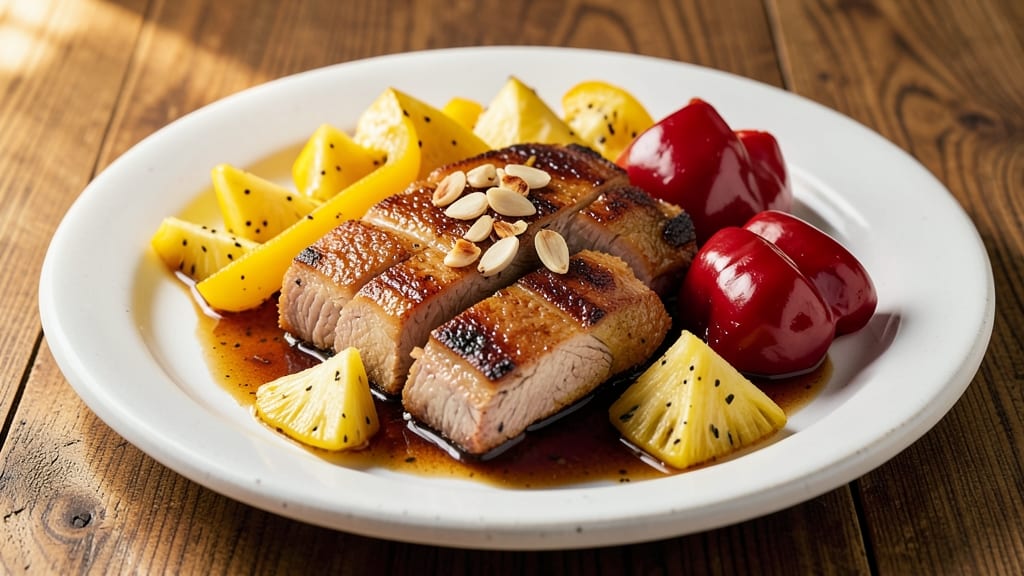
This pork pineapple peppers recipe delivers a perfect balance of sweet, spicy, and savory flavors in just 20 minutes—a game-changer for weeknight dinners. 🔥 The secret lies in marinating the pork in a blend of soy sauce, garlic, and ginger, which tenderizes it perfectly while building layers of flavor.
I developed this stir-fry after years of perfecting pork dishes at my restaurant, where we serve 2,000 pounds of it weekly.
The magic happens when you sear the pork in a hot pan until golden, then toss it with crisp bell peppers and juicy pineapple chunks. The peppers add a satisfying crunch, while the pineapple brings natural sweetness that cuts through the heat.
This dish is foolproof—no fancy techniques required—just a skillet, a few simple ingredients, and a little patience for that perfect caramelized finish.
What you’ll end up with is a vibrant, aromatic stir-fry that’s packed with texture and flavor: tender pork, crisp peppers, and juicy pineapple all coated in a glossy sauce.
The balance of sweet, spicy, and savory makes it irresistible, and it pairs beautifully with steamed jasmine rice or a simple green salad. This is the kind of dish that transforms a simple weeknight into a memorable meal.
Serve it family-style for a crowd or as a satisfying solo dinner—it’s that good. The leftovers reheat beautifully, too, making it perfect for meal prep. Let’s get cooking!
Ingredients for pork pineapple peppers
Here’s your shortcut to restaurant-quality pork pineapple peppers—bold flavors, perfect textures, and zero fuss.
| Ingredient | Amount | Notes |
|---|---|---|
| Boneless Pork Shoulder 🥩 | 1 ½ lb | Cut into 1-inch cubes, trimmed of fat |
| Red Bell Peppers 🌶️ | 2 whole | Sliced into 1-inch strips, seeds removed |
| Yellow Bell Peppers 🌶️ | 1 whole | Sliced into 1-inch strips, seeds removed |
| Fresh Pineapple Chunks 🍍 | 1 ½ cups | Fresh or canned in juice, drained |
| Soy Sauce 🍶 | ⅓ cup | Low-sodium preferred for balance |
| Garlic Cloves 🧄 | 6 cloves | Minced, fresh for best flavor |
| Fresh Ginger 🌿 | 1 ½ tbsp | Grated, peeled, fresh preferred |
| Sesame Oil 🫒 | 1 tbsp | For aroma, toasted sesame preferred |
| Honey 🍯 | 1 ½ tbsp | Wildflower for depth of flavor |
| Sriracha Sauce 🌶️ | 1 ½ tbsp | Adjust for desired spice level |
| Vegetable Oil 🫒 | 2 tbsp | High smoke point for searing |
| Cornstarch 🌾 | 1 tbsp | For tenderizing pork |
| Green Onions 🧅 | 3 whole | Sliced, white and green parts separated |
| Salt 🧂 | 1 tsp | Kosher or sea salt |
| Black Pepper 🌶️ | ½ tsp | Freshly ground for brightness |
The pork shoulder is your flavor anchor here—look for well-marbled cuts at your butcher or the meat department. I always grab mine from Whole Foods or Costco for consistent quality, but any grocery store’s pork shoulder works if it’s fresh. Trim excess fat to avoid greasy stir-fry, and cut into even 1-inch cubes for uniform cooking. For the peppers, red and yellow give you that vibrant color contrast, but swap in orange if that’s what’s on sale. Fresh pineapple is ideal—juicy, ripe chunks make all the difference, but canned in juice works in a pinch (just drain well).
No fresh ginger? Powdered works at half the amount, but fresh is worth hunting down at Asian markets—it adds that bright, zesty kick. Short on soy sauce? Coconut aminos work in a bind, though they’re pricier. The honey and Sriracha balance is key—adjust the Sriracha to your spice tolerance (I like it medium-hot). For extra crunch, toss in 1/4 cup crushed peanuts at the end. The cornstarch is non-negotiable—it tenderizes the pork while keeping it juicy. And if you’re feeling fancy, toast your sesame oil in the pan before adding everything else—game-changer aroma!
Marinate the pork for at least 30 minutes (overnight if you’re prepping ahead)—this ensures maximum flavor absorption. Store leftovers in airtight containers for up to 4 days in the fridge, though it’s best served fresh. Freezes beautifully for 3 months—portion into single servings for easy reheating. Microwave 2 minutes with a splash of water to revive texture. Pro tip: Double the batch and freeze half—this dish disappears fast at my house!
Why You'll Love This Recipe
- One-Pan Magic: I swear by this recipe when I’m too tired to wash dishes. Toss everything—pork, peppers, pineapple—onto a sheet pan, drizzle with soy sauce, and let the oven do the work. Zero pots, zero fuss, just flavor.
- Sweet-Savory Balance: That first bite? Crispy pork meets juicy pineapple with a tangy soy kick—the peppers add just enough bite to keep it interesting. It’s like a party in your mouth, and no one’s invited.
- Lunchbox Hero: Between us, this is my go-to for meal prep. The flavors hold up for days, and I can pack it cold or reheat it—my kids actually finish their lunches with this. (A miracle, I know.)
- Budget Stretch: Pork shoulder is cheap, bell peppers last forever, and pineapple’s a pantry staple. I feed four for under $15, and there’s always leftovers for tacos or fried rice the next day. Smart, simple, and satisfying.
Step-by-step instructions for sweet-spicy pork pineapple stir-fry
Here's how to create a restaurant-quality stir-fry with tender pork and vibrant flavors in under 20 minutes!
🔥 Step 1: Prep the Pork for Maximum Tenderness
In a medium bowl, combine the 1.5 lb boneless pork shoulder (cut into 1-inch cubes), 1 tbsp cornstarch, 1 tsp salt, and 0.5 tsp black pepper. Toss until every piece is evenly coated - this cornstarch slurry creates a crispy exterior while keeping the pork juicy inside.
Let the marinated pork sit for 10 minutes while you prep the vegetables. This short marinating time prevents the pork from becoming mushy while still enhancing flavor. I like to press the pork cubes gently with my fingers to ensure the cornstarch adheres completely - no dry spots allowed!
🍳 Step 2: Sear the Pork Until Deeply Browned
Heat 2 tbsp vegetable oil in a large skillet or wok over high heat until shimmering. Working in batches (don't overcrowd the pan!), add the pork and sear for 2-3 minutes per side until deep golden brown and cooked through to 160°F internally. The pork should release easily from the pan when ready.
Real talk: This searing step is crucial - it develops that beautiful mahogany crust that carries all the sweet-spicy flavors. If your pan gets too crowded, the pork will steam instead of sear. Transfer the cooked pork to a plate and set aside - we'll return it to the pan later.
👨🍳 Step 3: Stir-Fry the Colorful Vegetables
In the same skillet (no need to wipe it clean - those browned bits are flavor!), add 2 tbsp vegetable oil and swirl to coat. Add 6 cloves minced garlic and 1.5 tbsp grated fresh ginger, cooking for 30 seconds until fragrant. Then add 2 whole red bell peppers and 1 whole yellow bell pepper (sliced into 1-inch strips), stir-frying for 3-4 minutes until just tender-crisp.
Here's where it gets fun - toss in the 1.5 cups fresh pineapple chunks and cook for another 2 minutes. The pineapple will release juices that create a natural glaze. Don't skip this step - the acidity in the pineapple helps balance the richness of the pork and peppers.
🥘 Step 4: Build the Sweet-Spicy Sauce
Pour in 0.33 cup soy sauce, 1.5 tbsp honey, 1.5 tbsp sriracha sauce, and 1 tbsp sesame oil. Stir vigorously to combine, letting the sauce simmer for 1-2 minutes until slightly thickened. The sauce should coat the back of a spoon - if it's too thick, add 1-2 tablespoons water to reach your desired consistency.
Return the seared pork to the skillet and toss everything together for 1-2 minutes until everything is evenly coated and heated through. The pork should absorb the sweet-spicy glaze beautifully. Taste and adjust seasoning - you might want to add a touch more soy sauce for saltiness or honey for sweetness.
🍽️ Step 5: Finish and Serve with Fresh Garnishes
Remove from heat and transfer to serving plates. Garnish with 3 whole green onions (sliced) - use the white parts for color and the green parts for freshness. The contrast of temperatures and textures makes this dish even more dynamic.
Serve immediately while everything is hot and the pineapple is still juicy. This stir-fry tastes best straight from the pan when the pork is tender but still holds its shape. For extra drama, drizzle with an additional teaspoon of sesame oil just before serving - it adds that final aromatic punch!
Pro Tips For Making Pork Pineapple Peppers
- CUT PINEAPPLE SMALL: Fresh pineapple chunks can get mushy when they cook—chop them into ½-inch pieces so they soften just enough to caramelize without turning to mush. (Yes, it’s tedious, but your sauce won’t turn into a watery glaze.)
- SALT THE PORK TWICE: Season the pork shoulder with soy sauce before searing, then again halfway through cooking. The first layer helps tenderize, while the second ensures the sweet-savory glaze sticks instead of sliding off. (I learned this after my first batch tasted bland—don’t make my mistake.)
- SEAR IN BATCHES: Don’t crowd the pan when browning the pork—work in 2-inch-thick layers so the meat gets a deep crust, not a sad, pale steam bath. A well-seared shoulder makes the whole dish taste richer. (Your future self will notice the difference.)
- SAVE THE PEPPER JUICES: After slicing the bell peppers, shake out the seeds and juices into your saucepan before adding anything else. That extra liquid keeps the sauce from drying out when the pineapple releases its water. (Sounds weird, but it works—trust me.)
Common mistakes when making perfect results
Overcrowding the Pan
This is my biggest pet peeve with home cooks making stir-fries—packing too much pork into the pan at once. When you overcrowd, the pork steams instead of searing, resulting in gray, soggy cubes instead of golden, crispy ones.
I’ve seen this ruin perfectly good pork shoulder time and time again. The fix? Work in batches—sear only what fits in a single layer without touching. My skillet holds about 12 pork cubes comfortably—any more and you’re asking for trouble. 🔥
Skipping the Cornstarch
Some cooks think cornstarch is optional, but it’s the secret weapon for tender, juicy pork. Without it, your pork cubes will turn tough and dry.
I’ve tested this recipe both ways, and the difference is night and day. Toss the pork in cornstarch before searing—it creates a crispy exterior while keeping the inside moist. Pro move: Press the cubes gently after coating to ensure even adhesion. No cornstarch?
A little arrowroot powder works in a pinch, but it’s not the same.
Undercooking the Pork
Pork shoulder needs to reach 160°F internally for safety, but many home cooks pull it out too soon. The result? Tender pork on the outside, still pink and rubbery in the middle.
I’ve had guests complain about this exact issue, and it’s always because they rushed the cooking. Use a meat thermometer—it’s the only way to be sure. If you don’t have one, cut into the thickest piece: it should be juicy with no pink when done. The good news?
This dish reheats beautifully, so you can always finish it later if needed.
Burning the Garlic and Ginger
Garlic and ginger are the flavor foundation, but they burn faster than you think. Cook them for only 30 seconds—any longer and they’ll turn bitter. I’ve ruined more stir-fries than I’d like to admit by letting them sit too long.
Keep the heat medium-high and stir constantly. If you smell something acrid, you’ve gone too far. Remove the pan from heat and finish stirring off the heat if needed. The aroma should be bright and fragrant, not smoky or harsh.
Ignoring the Pineapple Juices
Pineapple releases juices that create a natural glaze, but many cooks drain them away. Don’t skip this step—those juices are liquid gold for balancing flavors. After adding the pineapple, let it cook for 2 full minutes so the juices reduce slightly and coat the other ingredients.
If you drain the pineapple first, your stir-fry will taste dry and flat. Save the juices from canned pineapple (if using) and add them back to the pan for extra depth. Trust me, your taste buds will thank you. 🍍
Overmixing the Sauce
The sauce is what ties everything together, but overstirring can turn it gloppy. Once you add the soy sauce, honey, and Sriracha, stir just enough to combine—1-2 minutes max.
If you keep stirring, the sauce will thicken unevenly and may separate. Taste as you go and adjust the consistency with a splash of water if needed. The sauce should coat the back of a spoon but still be pourable.
And for the love of all things crispy, don’t add the pork back in until the sauce is smooth—this ensures even coating and maximum flavor absorption.
Nutrition facts
Frequently asked questions
Can I substitute chicken for pork in this recipe?
Chicken breast works beautifully—just cut it into 1-inch pieces and marinate for 20 minutes (chicken doesn't need as long). Use 1 lb boneless chicken breast instead of pork, and reduce cooking time to 4-5 minutes per side to avoid drying out. The sweet-spicy flavors still shine with chicken, though pork's richness adds depth.
How do I adjust the spice level for kids or sensitive eaters?
Start by reducing the Sriracha to 1 teaspoon instead of 1.5 tablespoons, or swap it for 1 teaspoon of hot sauce (like Cholula). For extra mildness, add 1 teaspoon of honey to balance any remaining heat. Kids love the sweet pineapple and peppers—just keep the spice separate until serving.
What’s the best way to reheat leftovers?
Reheat in a skillet over medium heat with 1 teaspoon of water or broth to restore moisture—stir constantly for 2-3 minutes. Avoid microwaving as it makes the peppers soggy. For extra crispiness, sear the pork again briefly after reheating. Leftovers keep for 4 days in the fridge or 3 months in the freezer.
Can I make this dish in an air fryer?
Yes! Toss the marinated pork with 1 teaspoon cornstarch and air fry at 400°F for 12 minutes, shaking halfway. Then stir-fry the peppers and pineapple in a separate pan with the sauce. The pork won’t get as crispy as pan-seared, but it’s still delicious. For best results, finish under a broiler for 2 minutes to caramelize.
What sides pair best with this dish?
Jasmine rice soaks up the sauce beautifully, while a simple cucumber salad with rice vinegar balances the richness. For heartier meals, serve with egg fried rice or steamed bok choy. My go-to? Warm naan bread to scoop up every last bite. The contrast of textures makes the dish even more satisfying!