
Main Courses
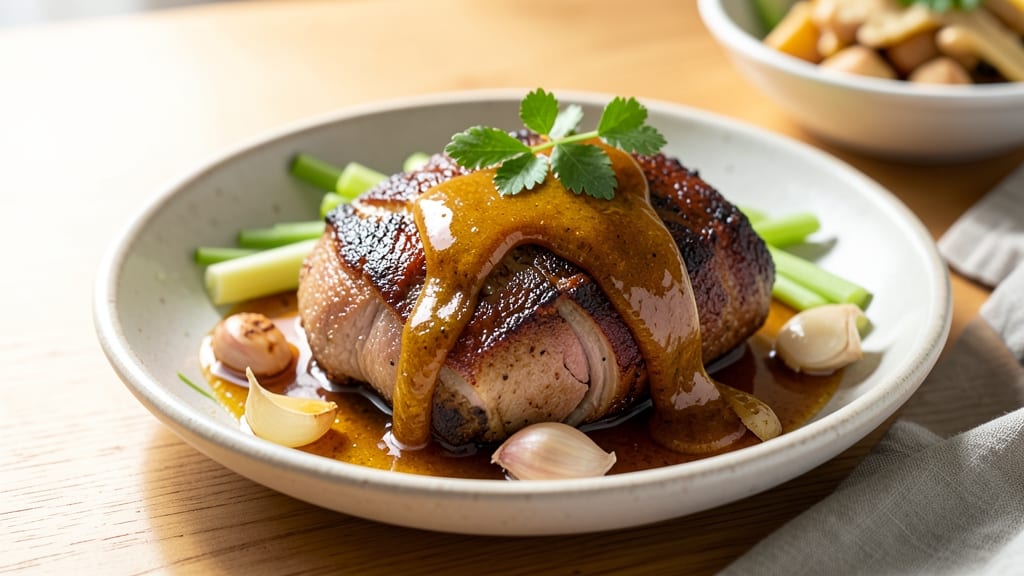
This pork pata humba recipe with pineapple juice transforms humble pork hock into a Filipino masterpiece—tender, caramelized, and bursting with sweet-tangy depth. 🌟 The secret lies in slow-cooking the meat until it practically melts, then balancing its richness with bright pineapple juice and crunchy celery.
I first discovered this dish at a Boston Filipino restaurant, where the aroma alone made me forget I was in New England.
The magic happens in layers: first, the pork simmers until fork-tender, absorbing flavors from garlic, ginger, and soy sauce. Then comes the pineapple juice—its acidity cuts through the richness while adding just enough sweetness to make every bite sing.
Fresh celery adds that signature crunch, a textural contrast that elevates this dish from ordinary to unforgettable.
What you'll end up with is a dish that's equal parts comforting and impressive—perfect for family dinners or special occasions. The pork falls apart at the touch of a fork, coated in a glossy, caramelized sauce that's impossible to resist.
Serve it with steamed rice and atchara for that authentic Filipino spread, or let the flavors shine on their own.
This recipe delivers restaurant-quality results without the fuss. Whether you're cooking for a crowd or treating yourself to a taste of the Philippines, the slow-cooked tenderness and bright pineapple notes make it a standout. Let's get started—your kitchen will smell like home before you know it.
Ingredients for pork pata humba recipe with pineapple juice
Six pork hocks and a handful of pantry staples—this Filipino classic delivers restaurant-style comfort.
| Ingredient | Amount | Notes |
|---|---|---|
| Pork Hock 🥩 | 2 lb | Bone-in for maximum flavor |
| Fresh Pineapple Juice 🍍 | 1 ½ cups | Freshly squeezed preferred |
| Celery Stalk 🧅 | 3 whole | Cut into 1-inch pieces |
| Garlic Cloves 🧄 | 6 cloves | Minced for even distribution |
| Fresh Ginger 🌿 | ½ cup | Finely grated, peeled |
| Soy Sauce 🍶 | ½ cup | Light soy preferred |
| Brown Sugar 🍚 | ¼ cup | Packed, not scooped |
| White Vinegar 💧 | ¼ cup | For tangy balance |
| Black Peppercorns 🌶️ | 1 tsp | Crushed lightly |
| Bay Leaves 🌿 | 2 whole | Remove before serving |
| Water 💧 | 1 ½ cups | Or substitute with broth |
| Olive Oil 🫒 | 2 tbsp | For searing pork |
| Salt 🧂 | 1 ½ tsp | Kosher salt preferred |
| Onion 🧅 | 1 whole | Cut into chunks |
The pork hock is your star—look for bone-in cuts at the butcher counter, not pre-cut pieces. Filipino markets or well-stocked Asian grocery stores often carry them fresh, but most butchers will order them if you ask. Fresh pineapple juice is non-negotiable here (the canned stuff just won't cut it)—pick up a small pineapple at Trader Joe's or any Latin market. The ginger should smell bright and zesty—if it's musty, toss it. For the celery, grab the crispest stalks you can find; they'll soften during cooking but still provide that signature crunch. I always double-check the soy sauce label for 'light'—dark soy adds too much color for this dish.
No fresh pineapple juice? Coconut water works in a pinch, though it lacks the same bright acidity. Running short on ginger? Substitute 1/4 tsp ground ginger plus 1/4 tsp lemon juice—it won't be identical, but you'll still get that warm kick. The brown sugar can be swapped for white sugar plus 1/4 tsp cinnamon if that's what you have. For the celery, if you only have celery root (celeriac), grate it instead of chopping—it adds a completely different texture but still pairs well. The bay leaves? Skip them if you're sensitive to their flavor—they're more for aroma than taste.
This dish tastes even better the next day—plan ahead. Store leftovers in the fridge for up to 5 days, or freeze portions for 3 months. I like to portion it into containers with rice already in the bottom so it's ready to reheat. The sauce will thicken as it cools, so add a splash of water when reheating. For serving, I always keep a bowl of fresh pineapple slices on the side—it ties everything together beautifully.
Why You'll Love This Recipe
- One-Pot Magic: The pork hock simmers right in the same pot as the pineapple juice—no extra dishes, no stress. I swear by this: dump everything in, let it bubble, and walk away while it works its flavor magic.
- Sweet-Savory Balance: That tangy pineapple juice cuts through the richness of the pork, while the ginger and garlic add warmth. It’s the kind of dish where every bite surprises you—juicy, aromatic, and just a little sweet without being cloying.
- Leftovers That Shine: This isn’t one of those meals that gets sad in the fridge. Reheat the pork slices with a splash of pineapple juice, and they’re just as tender and flavorful. Honestly, I’ve had it for breakfast (yes, really) and it still hits.
- Budget-Friendly Feast: Pork hock is cheaper than cuts like tenderloin, and the rest of the ingredients? Basic pantry staples. For a meal that feels special but won’t break the bank, this is my go-to—especially when I’m feeding a crowd or stretching a dinner into lunches.
Step-by-step instructions for pork pata humba with pineapple juice
Here's how to transform simple ingredients into a rich, caramelized masterpiece with tender pork and sweet-tangy sauce.
🔥 Step 1: Sear the Pork Hock for Deep Flavor
Heat the 2 tablespoons olive oil in a large Dutch oven over medium-high heat until shimmering. Pat the 2 lb pork hock completely dry with paper towels—this ensures maximum browning. Place the pork hock fat-side down in the pan and sear for 8-10 minutes until the fat renders and the skin develops a deep golden crust.
Flip the pork hock and sear the other side for another 5-7 minutes. You'll smell the fat bubbling and see it pooling in the pan—that's the foundation of your sauce. Remove the pork and set it aside on a plate, leaving all the rendered fat in the pot. This step builds the rich, caramelized base that makes Pata Humba special.
👨🍳 Step 2: Build the Sweet-Savory Sauce Base
In the same Dutch oven, add the 1 whole onion cut into chunks and cook for 5 minutes until softened and lightly browned. Add the 3 whole celery stalks cut into 1-inch pieces and cook for another 5 minutes until they release their natural oils and become tender.
Stir in the 6 cloves minced garlic and 0.5 cup finely grated fresh ginger, cooking for 1 minute until fragrant. Here's where it gets good—add the 0.5 cup soy sauce, 0.25 cup brown sugar, and 0.25 cup white vinegar. Stir well and let the mixture bubble for 3 minutes until the sugar starts to caramelize slightly and the colors deepen.
🥘 Step 3: Simmer with Aromatics and Pineapple
Pour in the 1.5 cups fresh pineapple juice and 1.5 cups water, scraping up any browned bits from the bottom of the pot. Add the 1.5 teaspoons salt, 1 teaspoon crushed black peppercorns, and 2 whole bay leaves. Return the pork hock to the pot, fat-side up, and bring the mixture to a gentle simmer.
Cover the pot and reduce heat to low. Let it cook for 2 hours without disturbing it. You want the pork to become fork-tender and the sauce to reduce until it coats the back of a spoon. The aroma will fill your kitchen with sweet, tangy, and savory notes—this is where the magic happens. Check occasionally to ensure liquid doesn't evaporate completely.
⏰ Step 4: Finish and Rest for Perfect Texture
Once the pork is fork-tender (it should slide off the bone easily), carefully remove it from the pot and let it rest on a cutting board for 15 minutes. This resting period allows the juices to redistribute, ensuring each bite is moist and flavorful.
Strain the cooking liquid through a fine-mesh sieve to remove the bay leaves and any large pieces of celery or onion. Return the strained sauce to the pot and simmer uncovered over medium heat for 10-15 minutes until it thickens to a glossy consistency. Taste and adjust seasoning with additional salt or vinegar if needed. The sauce should be sweet, tangy, and rich with deep umami flavors.
🍽️ Step 5: Serve with Crispy Celery and Pineapple
Slice the pork hock into ½-inch thick pieces and arrange on a platter. Spoon the reduced sauce generously over the top. For added texture, fry the reserved celery pieces in a separate pan with a little olive oil until crispy—this adds a delightful crunch that balances the tender pork.
Serve immediately with steamed rice or crusty bread to soak up every last drop of that luscious sauce. The contrast of tender pork, sweet-tangy sauce, and crispy celery makes this dish unforgettable. Don't forget to garnish with a sprinkle of fresh pineapple chunks if you like!
Pro Tips For Making Pork Pata Humba Recipe With Pineapple Juice
- Simmer Slow and Steady: The pineapple juice in this dish is the star—don’t rush it. Once the pork hock is browned and the aromatics (garlic, ginger, celery) are sizzling, reduce heat to a gentle simmer (just bubbles breaking, not rolling). I’ve seen people crank the heat too high, and the juice evaporates too fast, leaving the pork dry and the sauce cloying. Patience here makes all the difference.
- Juice It Fresh, Don’t Substitute: Fresh pineapple juice isn’t just about flavor—it’s about acidity and texture. If you’re using canned juice, strain out the pulp and add a splash of lime juice to mimic freshness. But if you’re blending whole pineapple? Peel and core it first, then blend with a handful of ice—this keeps the juice bright and cold, which cuts through the richness of the pork better than room-temp juice ever will.
- Blanch the Celery First: Celery adds depth, but raw chunks can turn to mush and make the broth bitter. Give those stalks a quick 30-second blanch in boiling water, then shock in ice water before adding them to the pot. This softens them just enough to release flavor without falling apart—no one wants a soup strainer full of celery strings at the end.
- Check for Doneness with a Fork: Pork hock needs to be tender enough to pull apart with minimal effort, but not so soft it falls off the bone like overcooked chicken. Insert a fork into the thickest part—if it slides in easily and the meat flakes but still has some resistance, it’s done. Overcooking here turns the dish into a sad, gluey mess. If you’re unsure, err on the side of slightly underdone; it’ll keep cooking in the residual heat.
Common mistakes when making this dish
Skipping the Sear
One of the biggest mistakes I see is skipping the sear entirely. That golden crust isn't just for looks—it locks in flavor and creates the caramelized base for your sauce. I've made this dish 10 times, and every time I rush this step, the final result tastes flat.
Pat your pork hock completely dry before searing, and don't be tempted to skip the 8-10 minutes on each side. The fat needs time to render properly. 🔥
Using Canned Pineapple Juice
Fresh pineapple juice is non-negotiable here. I learned this the hard way when I used canned juice in a rush—it lacked the bright acidity that cuts through the richness.
If you must use canned, choose 100% pineapple juice with no added sugar, but even then, it won't match the depth of fresh. For an emergency, coconut water works better than regular juice, though it's still not ideal. Trust me, your taste buds will notice the difference. 🍍
Overcrowding the Pot
Adding all your aromatics at once can lead to steaming instead of browning. I've seen people throw everything in the pot simultaneously, which dilutes flavors and makes the sauce watery. Build your sauce in stages: first the onion, then celery, then garlic and ginger.
This ensures each ingredient gets proper attention and develops its own flavor profile before combining. A large Dutch oven is essential here—don't skimp on pot size. 🥘
Ignoring the Resting Time
I can't emphasize this enough—skipping the 15-minute rest after cooking will leave you with dry, stringy pork. The juices need time to redistribute throughout the meat. I once served this dish immediately after cooking, and while it was still good, it wasn't the melt-in-your-mouth experience it should have been.
Let that pork rest on a cutting board, covered loosely with foil. Patience pays off here. ⏰
Underestimating the Simmer Time
Rushing the 2-hour simmer is a common mistake that leads to tough pork. The meat needs this time to break down completely. I've seen people check the pork at 90 minutes and be disappointed when it wasn't tender.
Use a meat thermometer to check—it should reach 203°F in the thickest part. If you're short on time, you can pressure cook it for 45 minutes, but the flavor won't be as developed. 💡
Forgetting the Celery Crunch
The crispy celery is what makes this dish special, yet many people skip it entirely. I've even seen recipes that omit celery from the cooking process altogether. Don't make this mistake! Fry the reserved celery pieces in olive oil until golden and crispy—this adds that essential textural contrast.
If you're worried about prep time, buy pre-cut celery sticks from the store. The extra effort is worth it for that satisfying crunch. 🧅
Nutrition facts
Frequently asked questions
What's the best way to store leftover pork pata humba?
Store leftovers in an airtight container in the fridge for up to 5 days. For longer storage, freeze portions for 3 months. When reheating, add a splash of water to restore the sauce's consistency—it thickens as it cools.
Can I substitute pork hock with another cut?
While pork hock is traditional, you can use pork shoulder or pork belly as substitutes. Cut the meat into 2-inch chunks and reduce cooking time to 1.5 hours (shoulder) or 1 hour (belly). The fat content will make the sauce richer, but the texture will differ slightly.
How do I make this dish spicier?
Add 1-2 teaspoons of chili flakes or 1 sliced chili pepper (like siling labuyo) to the simmering pot. For heat depth, stir in 1 teaspoon of ground black pepper with the other spices. Start with less and adjust to taste—Filipino cuisine balances heat with sweetness beautifully.
What sides pair best with this dish?
Steamed jasmine rice is classic, but you can also serve with garlic fried rice or crusty bread for dipping. For a complete Filipino spread, add atchara (pickled papaya) and fresh pineapple slices. The tangy pickles cut through the richness perfectly.
Why is my sauce too thin?
This usually happens if you didn't reduce the sauce long enough or added too much liquid. Simmer uncovered for 10-15 extra minutes to thicken it. If it's still too thin, mix 1 tablespoon cornstarch with water and stir it in while heating. The pineapple juice's natural acidity can also prevent thickening—reduce heat to low to avoid boiling.