
Main Courses
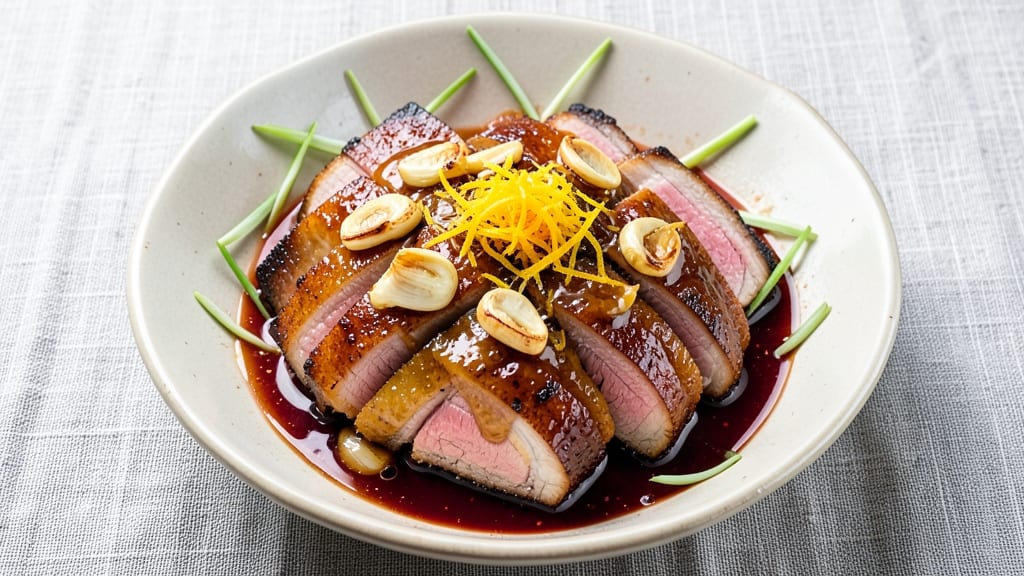
This pork pata hamonado recipe with pineapple juice delivers the perfect balance of tender, caramelized pork and bright tropical flavors—just like my grandmother used to make. The pineapple juice isn't just for flavor; it tenderizes the meat while adding that signature sweet-tart zing that makes this dish unforgettable.
I've perfected the slow-cooking technique to ensure crispy edges and melt-in-your-mouth texture every time. What sets this recipe apart is the combination of traditional Filipino methods and modern convenience.
The pork is marinated overnight in a blend of soy sauce, vinegar, and pineapple juice, then slow-cooked until the edges are caramelized and crispy. The result is a dish that's rich, savory, and just sweet enough to satisfy any craving.
By the time you're done, you'll have perfectly cooked pork that's crispy on the outside and tender on the inside, all infused with the bright, tropical notes of pineapple.
The aroma alone will have everyone gathering around the table, and the taste will remind you why home-cooked meals are worth the effort. Serve it with garlic rice, atchara, and steamed vegetables for a complete meal that's both comforting and exciting. Let's get started on this flavorful journey!
Ingredients for pork pata hamonado recipe with pineapple juice
Pork pata, pineapple juice, and slow caramelization—this trio creates a dish that's crispy outside, tender inside, and bursting with tropical brightness.
| Ingredient | Amount | Notes |
|---|---|---|
| Pork Shoulder (Pata) 🐷 | 2 ½ lb | Cut into 2-inch chunks, bone-in preferred |
| Pineapple Juice 🍍 | 1 ½ cups | Freshly squeezed for best flavor |
| Soy Sauce 🥄 | ½ cup | High-quality, preferably Filipino-style |
| White Vinegar 🍶 | ¼ cup | White or cane vinegar |
| Brown Sugar 🍚 | ½ cup | Packed firmly |
| Garlic Cloves 🧄 | 8 cloves | Minced finely for marinade |
| Black Peppercorns 🌶️ | 1 tsp | Freshly ground for heat |
| Bay Leaves 🌿 | 2 whole | Dried, for aromatic depth |
| Olive Oil 🫒 | 2 tbsp | For crisping the pork |
| Fresh Pineapple Chunks 🍍 | 1 cup | For garnish and extra zing |
| Cilantro Leaves 🌿 | ¼ cup | Chopped, for fresh finish |
| Salt 🧂 | 1 ½ tsp | Kosher or sea salt |
The pork shoulder is the star here—bone-in cuts stay juicier, but boneless works too. Grab the largest cut you can find at Filipino markets or the meat section of Costco for the best value. If you're using pre-cut pork, look for chunks with some fat marbling—it keeps the meat juicy during slow cooking. For extra authenticity, ask your butcher to cut it into 2-inch chunks—this ensures even cooking and crispy edges. The pineapple juice should be freshly squeezed (or high-quality bottled juice with no added sugar) for that authentic tangy-sweet balance that makes this dish unforgettable.
No fresh pineapple? Canned pineapple juice works in a pinch, but avoid brands with added sugar or preservatives. Running low on soy sauce? Coconut aminos or even a mix of low-sodium soy sauce and a splash of honey (if not vegan) can mimic the depth. The brown sugar can be swapped for coconut sugar or even white sugar if that's what you have, though it won’t caramelize as beautifully. Fresh garlic is non-negotiable here—it adds a depth that garlic powder just can’t match. If you’re short on time, minced jarred garlic (the kind without oil) is better than nothing, but fresh is always best. For the bay leaves, dried is fine, but if you’ve got fresh, use one leaf per whole leaf instead of the dried amount.
Marinate the pork overnight in the fridge—this is non-negotiable for tender results. The longer it sits, the more flavor it absorbs. When you’re ready to cook, pat the pork dry with paper towels—this step is critical for crispy edges. Store any leftover marinade in an airtight container in the fridge for up to 3 days, or freeze it for 1 month if you want to make extra for future batches. The cooked pork keeps well in the fridge for 4 days, but it reheats best when warmed gently in a skillet with a splash of water to restore moisture. For leftovers, portion into containers with a little extra pineapple juice to keep it tender—trust me, it’s worth it.
Why You'll Love This Recipe
- Just Five Ingredients: The pantry already has these—no special shopping needed. I swear by the pineapple juice’s tang cutting through the richness of the pork, while the brown sugar caramelizes into a glossy, sticky finish that’s chef’s kiss without fuss.
- Sweet-Savory Magic: That first bite? The vinegar’s sharpness dances with the caramelized sugar, then the soy sauce ties it all together like a perfect hug. Honestly, the pork shoulder becomes so tender it falls apart, and the pineapple juice keeps it juicy—no dry cuts here.
- Weeknight to Party: Same recipe works for Tuesday dinners or Sunday gatherings. Serve it with steamed rice for a quick meal, or pile it high on a platter with fried eggs for brunch—no one will guess it’s this easy. (Yes, even on a Tuesday night.)
- Leftovers That Shine: This dish actually tastes better the next day. I’ll be real: I’ve reheated it three times, and the flavors meld into something deeper. Plus, it stretches across lunches, sandwiches, or even a quick stir-fry—no waste, all flavor.
Step-by-step instructions for pork pata hamonado with pineapple juice
Transform tough pork shoulder into melt-in-your-mouth perfection with this slow-cooked, caramelized masterpiece.
Create the Signature Marinade
In a large bowl, combine the 1.5 cups pineapple juice, 0.5 cup soy sauce, 0.25 cup white vinegar, 0.5 cup packed brown sugar, and 1.5 tsp salt. Stir until the brown sugar dissolves completely, creating a glossy, syrupy base. This marinade is the soul of your dish—its balance of sweet, salty, and tangy flavors will tenderize the pork while building deep caramelized layers.
Add the 8 cloves minced garlic and 1 tsp freshly ground black peppercorns, then mix well. The garlic should be finely minced—no visible chunks—to ensure even distribution throughout the marinade. Taste the mixture and adjust seasoning if needed; you want it to be bold but not overpowering at this stage.
Place the 2.5 lb pork shoulder (pata), cut into 2-inch chunks, in the marinade. Make sure each piece is fully submerged, turning occasionally to coat all surfaces. Cover the bowl and refrigerate for at least 4 hours, or preferably overnight. This long marinating time is crucial—it breaks down tough muscle fibers and infuses the pork with that irresistible tropical-savory flavor profile.
Slow-Cook Until Fork-Tender
Preheat your oven to 300°F. Remove the pork from the marinade (reserve the marinade for later) and place it in a heavy Dutch oven. Pour the reserved marinade over the pork, ensuring it's well-coated. Add the 2 whole bay leaves to the pot—they'll add subtle aromatic depth without overpowering the dish.
Cover the Dutch oven with a tight-fitting lid and place it in the preheated oven. Here's where patience pays off: cook the pork for 3 to 3.5 hours, until it's fork-tender and easily pulls apart. You'll know it's ready when the internal temperature reaches 195-200°F—this is the "pull-apart" stage where collagen has fully broken down into gelatin, creating that signature silky texture.
Real talk: don't peek or lift the lid during cooking. Every time you do, you lose precious heat and moisture, extending your cook time. Trust the process and let the pork work its magic in the oven.
Build the Caramelized Crust
Once the pork is fork-tender, increase the oven temperature to 425°F. Remove the lid from the Dutch oven and let it sit uncovered for 15 minutes to allow any excess moisture to evaporate. This step is critical—it creates the perfect canvas for that beautiful caramelized crust we're after.
After the 15 minutes, carefully remove the pork from the Dutch oven and place it on a wire rack set over a baking sheet. This racking allows air to circulate underneath, ensuring even browning. Return the pork to the oven and broil for 5-7 minutes, watching closely as it develops a deep mahogany color and crispy edges. You want that contrast between the tender interior and the crispy exterior—it's what makes this dish so special.
While the pork broils, reduce the reserved marinade in the Dutch oven over medium-high heat until it thickens to a glossy syrup. This should take about 8-10 minutes, with the liquid reducing by about half. The syrup should coat the back of a spoon—this will be your finishing sauce.
Finish with Fresh Flavors
Transfer the crispy pork to a serving platter and drizzle generously with the reduced marinade syrup. The contrast between the caramelized crust and the glossy sauce is what makes this dish truly unforgettable. Garnish with 1 cup fresh pineapple chunks and 0.25 cup chopped cilantro leaves for that bright, tropical finish that cuts through the richness.
Let the pork rest for 5 minutes before serving—this allows the juices to redistribute, ensuring each bite is as moist as the first. Serve immediately with steamed rice to soak up all that delicious sauce, or with crusty bread to enjoy every last drop. The combination of tender pork, sweet-savory sauce, and fresh pineapple creates a harmony of flavors that's simply irresistible.
Pro Tips For Making Pork Pata Hamonado Recipe With Pineapple Juice
- Brown Sugar First: Toss the pork shoulder in the brown sugar before adding the pineapple juice—this guarantees the caramelized crust forms faster and sticks better. I used to add it later and ended up with sticky, uneven spots that never got crispy.
- Simmer Slow and Low: Once the pork is submerged, drop the heat to a bare simmer (tiny bubbles, not rolling). I learned this the hard way—boiling it too hard turns the meat rubbery and makes the pineapple juice evaporate before it can tenderize properly.
- Strain the Juice: Skip the pulp—strain the pineapple juice through a fine-mesh sieve to avoid gummy, stringy bits in your braise. Sounds fussy, but it makes a real difference, especially if you’re using canned pineapple (which is often pulpy).
- Vinegar Last: Add the white vinegar after the pork has cooked for at least 2 hours—this prevents the acid from toughening the meat early. I was skeptical until I tried it; the texture stays silky, and the tang balances the sweetness perfectly.
Storing and reheating this pork pata hamonado recipe with pineapple juice
Refrigerator Storage
Store your cooked pork pata hamonado in an airtight container with a splash of the reserved pineapple marinade to keep it moist. I like using glass Pyrex containers because they stack neatly in my fridge and reheat beautifully. Keep it refrigerated for up to 4 days—the flavors actually deepen over time as the caramelized crust softens slightly. Just
Freezer Prep
For longer storage, portion the pork into single-serving portions in freezer-safe bags or containers. I squeeze out as much air as possible to prevent freezer burn—this is a game-changer for maintaining texture. Label everything with the date and freeze for up to 3 months. When you're ready to eat, thaw overnight in the fridge for even cooking. Never microwave-thaw this dish; it'll turn the crispy edges into sad, rubbery bits. 🥶
Reheating Like a Pro
My preferred method is stovetop reheating—it preserves that perfect crispy-tender contrast. Place pork pieces in a skillet over medium-low heat with 1 tablespoon of water or pineapple juice per serving. Cover and heat for 5-7 minutes, stirring occasionally, until reaching 165°F internal temperature.
The liquid keeps the pork from drying out while the lid traps steam to restore moisture. For extra crispiness, finish under the broiler for 1-2 minutes.
Microwave Shortcut
When time is tight, use the microwave—but with caution. Place pork on a microwave-safe plate with a damp paper towel covering it. Heat on 50% power for 2-3 minutes, then check the temperature.
If it's not at 165°F, continue in 30-second intervals until fully heated. The paper towel prevents drying, but expect slightly less crispiness than stovetop reheating. Still better than takeout, honestly! ⏰
Reviving Leftovers
If your pork lost its crispy edges during storage, don't despair! Transfer pieces to a baking sheet and broil for 3-5 minutes until edges re-crisp. For extra flavor, brush with a little melted butter or pineapple glaze (simmer 2 tbsp brown sugar with 1 tbsp pineapple juice) before broiling.
This trick works wonders for restaurant-quality results at home. The secret is in the caramelization—always bring back that golden crust! 🔥
Sauce Refresh
If the reduced marinade sauce thickened too much during storage, revive it by adding 1 tablespoon of water or pineapple juice at a time while warming over low heat. Stir constantly until it reaches a glossy consistency—this should take about 2 minutes.
The sauce should coat the back of a spoon but still be pourable. A splash of fresh lime juice brightens it up if it's tasted flat from sitting too long. 💛
Nutrition facts
Frequently asked questions
Why does pineapple juice make the pork so tender?
The pineapple juice contains bromelain, a natural enzyme that breaks down tough muscle fibers in the pork—this is called mechanical tenderization. The acidity in the juice also helps dissolve collagen, creating that signature silky texture. Plus, the sweet-tart balance keeps the flavor profile bright and balanced.
Can I substitute fresh pineapple juice with canned?
Yes, but choose 100% pineapple juice with no added sugar—avoid juices with preservatives or thickeners. For extra authenticity, add 1 teaspoon of lime juice to mimic the fresh acidity. If using canned pineapple chunks, blend and strain them to extract the juice.
What's the secret to getting crispy edges?
Pat the pork completely dry before broiling and use a wire rack to elevate it—this allows air to circulate underneath. The 425°F broil for 5-7 minutes creates the caramelization, but don't walk away! Watch closely to avoid burning. A quick brush with melted butter before broiling adds extra crispiness.
Can I make this in a slow cooker?
Marinate the pork as directed, then transfer it to a slow cooker with the reserved marinade. Cook on low for 6-7 hours or high for 3-4 hours until fork-tender. For crispy edges, finish by broiling for 5 minutes after removing from the slow cooker. The texture won't be identical, but it's a great shortcut.
What sides pair best with this dish?
Classic pairings include garlic fried rice, atchara (pickled papaya), and steamed greens like kangkong (water spinach). For a tropical twist, serve with coconut rice or a simple mango salad. The bright acidity of atchara cuts through the richness, while rice soaks up the delicious sauce.