
Main Courses
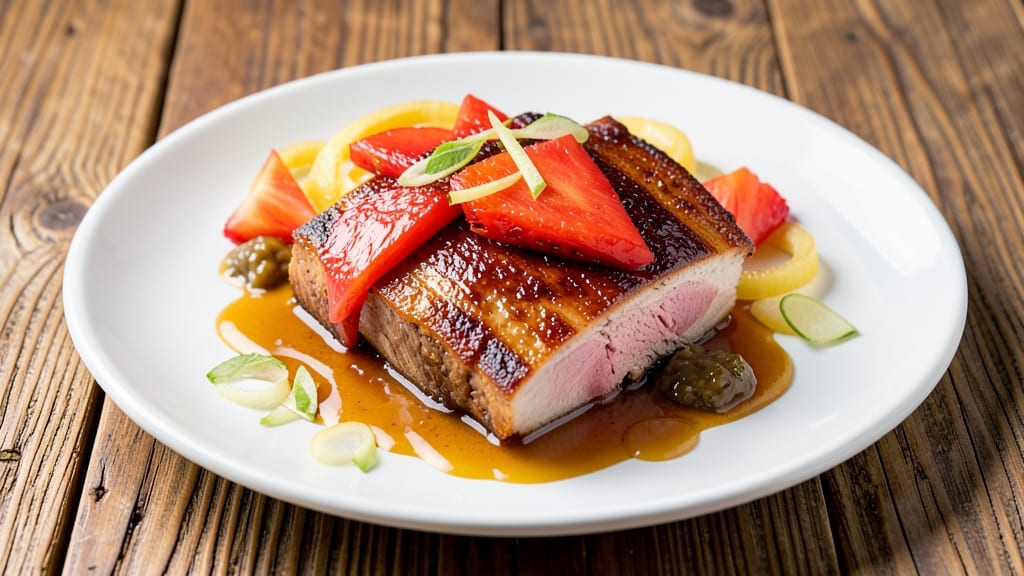
This pork braised in pineapple juice transforms a simple cut into a tender, sweet-savory masterpiece that feels like a vacation in every bite. 🌴 The tropical acidity of pineapple juice tenderizes the meat while infusing it with bright, fruity notes—something I first discovered while experimenting with Caribbean-inspired braises during a Charleston market trip.
What makes this dish special is how the long, slow cooking process melts the pork into fall-apart tenderness while creating a glossy, caramelized sauce that clings to every forkful.
The beauty of this recipe lies in its balance—just enough sweetness from the pineapple to complement the savory depth of the pork, without overpowering it. Unlike quick marinades, the braising method ensures the flavors develop slowly, creating layers of complexity that make this dish feel restaurant-worthy.
I've perfected it using a foolproof technique that requires minimal hands-on time but delivers maximum flavor, perfect for weeknight dinners or special occasions.
By the time you serve this dish, you'll have juicy, melt-in-your-mouth pork swimming in a rich, slightly sticky sauce that's sweet, tangy, and just spicy enough to keep things interesting.
The aroma alone will have everyone gathering around the table, and the texture—tender meat that practically dissolves—is worth every minute of the braising process. This isn't just pork; it's a flavor experience that bridges comfort food and global inspiration.
Pair it with steamed jasmine rice to soak up the sauce or serve over buttery mashed potatoes for a heartier meal. The bright acidity of the pineapple also makes it a fantastic match for grilled pineapple slices on the side, adding another layer of tropical freshness.
Let's get started on this dish that's equal parts comforting and exciting—exactly what you need when you crave something familiar with a twist.
Ingredients for pork in pineapple juice
Pantry staples meet tropical flavors in this pork dish that's equal parts comforting and exciting.
| Ingredient | Amount | Notes |
|---|---|---|
| Boneless Pork Shoulder 🥩 | 2 lb | Cut into 2-inch chunks |
| Pineapple Juice 🍍 | 1 ½ cups | Freshly squeezed preferred |
| Yellow Onion 🧅 | 1 whole | Chopped into half-moons |
| Garlic Cloves 🧄 | 6 cloves | Minced for depth of flavor |
| Fresh Ginger 🌿 | 2 tbsp | Grated, aromatic punch |
| Soy Sauce 🍶 | ½ cup | High-quality, low-sodium |
| Brown Sugar 🍚 | ¼ cup | Lightly packed, enhances sweetness |
| Red Wine Vinegar 🍷 | 2 tbsp | Brightens the sauce |
| Fresh Chili Peppers 🌶️ | 1 whole | Thinly sliced, optional heat |
| Vegetable Oil 🫒 | 2 tbsp | High smoke point for searing |
| Salt 🧂 | 1 ½ tsp | Kosher salt, adjust to taste |
| Black Peppercorns 🌶️ | ½ tsp | Freshly cracked, adds warmth |
| Fresh Cilantro 🌿 | ¼ cup | Chopped, for garnish |
| Jasmine Rice 🍚 | 1 ½ cups | Uncooked, for serving |
The pork shoulder is the star here—look for a cut with good marbling at Whole Foods or your local butcher for the best texture. Fresh pineapple juice makes all the difference (canned is fine in a pinch), and Trader Joe's has great bottles if you don't want to squeeze fresh. The ginger should be vibrant and aromatic—no woody or moldy pieces. For the soy sauce, Kikkoman or Lee Kum Kee are reliable choices, but any good-quality brand will work. The brown sugar should be light, not dark—it balances the acidity better. If you can't find fresh chili peppers, red pepper flakes at half the amount will give you similar heat.
No fresh ginger? Powdered ginger at one-third the amount works in a bind, though fresh is ideal. Short on pineapple juice? Orange juice with a splash of lime mimics the brightness. The brown sugar can be swapped for coconut sugar for a slightly different flavor profile. For extra richness, add 1/4 cup coconut milk to the braising liquid. The soy sauce can be reduced to 1/4 cup if you prefer less saltiness. If you're feeling adventurous, add 1 star anise pod to the braising liquid for a subtle aromatic note.
This dish tastes even better the next day—plan ahead if you're serving a crowd. The braised pork keeps for 4-5 days in the fridge, and the sauce freezes beautifully for up to 3 months. I like to portion the rice and pork separately so everyone can assemble their own bowls. For a quick meal, serve over instant mashed potatoes—just add a splash of the braising sauce. The leftovers reheat wonderfully, making this a perfect make-ahead dish for busy weeknights.
Why You'll Love This Recipe
- Pantry Magic: I swear by this one—no fancy prep, just chop an onion, mince garlic, and slice ginger. The pineapple juice does all the work while you sip your coffee.
- Sweet-Savory Balance: That tangy pineapple juice cuts through the pork’s richness, while the ginger and garlic add layers of warmth. It’s the kind of flavor combo that makes you reach for seconds without thinking.
- Leftover Hero: This dish actually improves the next day—tender, juicy pork that falls apart at the touch of a fork. I meal prep it all the time because reheating it is a crime if you don’t.
- Budget-Friendly Feast: Pork shoulder stretches for a crowd, and pineapple juice is cheaper than you’d expect. Honestly, it’s my go-to for feeding friends without breaking the bank.
Step-by-step instructions for pork braised in pineapple juice
This tropical braise transforms tough pork into melt-in-your-mouth perfection.
🔥 Step 1: Sear the Pork Shoulder for Deep Flavor
Heat the 2 tablespoons vegetable oil in a large Dutch oven over medium-high heat until shimmering. Working in batches, add the 2 lb boneless pork shoulder cut into 2-inch chunks—don't overcrowd the pan. Sear each piece for 2-3 minutes per side until deep golden brown and caramelized.
This searing step is non-negotiable—it builds the Maillard reaction that creates rich, complex flavors. If the oil smokes excessively, reduce heat slightly. As you sear, remove the pork and set it aside on a plate, leaving all the browned bits in the pot. These fond bits will dissolve into the braising liquid later, adding depth to every bite.
👨🍳 Step 2: Build the Aromatic Base
In the same Dutch oven, add the 1 whole yellow onion chopped into half-moons and cook for 3-4 minutes until softened and slightly caramelized. Add the 6 cloves garlic (minced) and 2 tablespoons fresh ginger (grated), stirring for 30 seconds until fragrant—you should smell that pungent, zesty aroma.
Here's where it gets good: Stir in the 1 whole fresh chili pepper (thinly sliced) and cook for another 30 seconds just until the edges soften. This step develops the aromatic foundation that will carry through the entire dish. If you're sensitive to heat, remove the seeds and membranes first. Now's also the time to add the 1.5 teaspoons salt and 0.5 teaspoon black peppercorns (freshly cracked), distributing them evenly.
🥘 Step 3: Create the Sweet-Tangy Braising Liquid
Pour in the 1.5 cups pineapple juice, scraping up any browned bits from the bottom of the pot. Add the 0.5 cup soy sauce, 0.25 cup brown sugar, and 2 tablespoons red wine vinegar. Stir well to combine—you'll notice the mixture immediately begins to bubble and develop a glossy sheen.
Return the seared pork to the pot, turning to coat each piece in the liquid. The goal here is to create a balance of sweet, salty, and tangy flavors that will tenderize the meat and create that signature tropical glaze. Let the mixture simmer gently for 5 minutes to allow the sugars to begin caramelizing slightly and the flavors to meld together. This is where the magic starts happening.
⏰ Step 4: Braise Until Fork-Tender
Cover the Dutch oven with a tight-fitting lid and transfer it to a preheated 325°F oven. Braise for 2.5-3 hours, turning the pork occasionally (every 45 minutes) to ensure even cooking and prevent sticking. The pork is done when it's fork-tender—you should be able to pierce it easily with minimal resistance.
Here's the thing about braising: patience is key. The long, slow cook time breaks down the tough connective tissue in the pork shoulder, transforming it into succulent, pull-apart perfection. The liquid should reduce by about half, creating a thick, glossy sauce that clings beautifully to the meat. If the liquid reduces too quickly, add 2-3 tablespoons water to maintain the proper balance.
🍽️ Step 5: Finish and Serve with Jasmine Rice
Once the pork is fork-tender, remove it from the pot and transfer to a serving platter. Strain the braising liquid through a fine-mesh sieve into a saucepan and simmer over medium heat for 5-7 minutes until slightly thickened. Return the pork to the sauce and toss gently to coat.
While the pork finishes, cook the 1.5 cups jasmine rice according to package instructions—it should be perfectly fluffy and ready to serve. Garnish the braised pork with 0.25 cup fresh cilantro (chopped) just before serving. The bright, citrusy notes of the cilantro cut through the richness of the braised pork beautifully. Serve the pork over the jasmine rice with the reduced braising sauce spooned generously on top—each bite delivers that perfect balance of sweet, tangy, and savory flavors.
Pro Tips For Making Pork In Pineapple Juice
- CUT PORK INTO EVEN SLICES: I learned this the hard way—uneven cuts mean some pieces overcook while others stay underdone. Aim for ½-inch thickness, and run your knife parallel to the grain for cleaner, more uniform slices that absorb the pineapple juice evenly.
- BLANCH ONIONS FIRST: Skip the raw onion bite by sautéing them in oil for 3-4 minutes until just soft before adding the garlic and ginger. This prevents them from turning mushy later and lets their sweetness mellow into the sauce.
- SIMMER LOW AND LONG: High heat makes the pineapple juice turn bitter fast. Keep it at a gentle bubble—just enough to see tiny ripples—and cover partially to reduce acidity. Thirty minutes at 180°F (low simmer) beats 15 minutes at a rolling boil.
- USE PASTEURIZED JUICE: Fresh pineapple juice is great, but store-bought pasteurized juice saves time and avoids the risk of off flavors from underripe fruit. If using fresh, strain out the pulp to keep the sauce smooth—no one wants chunks in their braise.
Make-ahead tips for this recipe
Prep Ahead Strategy
I always recommend prepping the pork and aromatics the night before—this dish tastes even better after flavors meld overnight. Cut the 2 lb pork shoulder into 2-inch chunks and refrigerate in an airtight container. Chop the 1 yellow onion and mince the 6 garlic cloves—store separately in sealed containers.
Grate the 2 tbsp fresh ginger and slice the 1 chili pepper only when ready to cook to preserve freshness. 🌿
Braising Timeline
The braising process takes 2.5-3 hours, but you can start it in the morning and finish at dinnertime. I like to sear the pork first thing in the morning, then refrigerate the raw mixture overnight.
When ready to braise, simply add the pineapple juice, soy sauce, and other ingredients, then proceed with the oven cooking. This approach ensures the pork cooks evenly without drying out.
Sauce Prep Shortcut
Make the braising sauce in advance by combining 1.5 cups pineapple juice, 0.5 cup soy sauce, 0.25 cup brown sugar, and 2 tbsp red wine vinegar in a jar.
Store it in the fridge for up to 3 days—just add it to the seared pork and aromatics when ready to cook. This saves 15 minutes of prep time on busy days.
Freezing for Later
This dish freezes beautifully! After braising, let the pork cool completely, then transfer it with its sauce to airtight containers. It keeps for 3 months in the freezer.
When reheating, thaw overnight in the fridge, then warm gently in a saucepan with 2 tbsp water over low heat for 10-15 minutes. The texture remains tender, and the sauce stays flavorful. 🥶
Rice Prep Tips
Cook the 1.5 cups jasmine rice ahead of time and store it in the fridge for up to 2 days. Reheat in a steamer basket over simmering water for 5 minutes to restore fluffiness.
For a quicker option, use pre-cooked rice mixes—just add the braising sauce at serving time. I also like toasting the rice in the pot with 1 tbsp butter for extra richness before serving.
Serving Prep
Garnish with fresh cilantro just before serving to keep it vibrant. For a restaurant-style presentation, arrange the pork on a platter with rice in the center, then drizzle the reduced sauce artistically.
Keep extra sauce warm in a small pot on the table for second helpings. The aroma alone will have everyone anticipating that first bite! ✨
Nutrition facts
Frequently asked questions
Can I substitute pineapple juice with another fruit juice?
Yes, but with adjustments! For similar sweetness and acidity, try orange juice (add 1 tbsp lime juice for tang) or mango juice. Avoid grapefruit juice—it's too bitter. If using coconut milk instead, reduce the braising liquid by half to maintain proper texture.
How do I know when the pork is fully tender?
Use the fork test: pierce the largest piece—it should slide in easily with minimal resistance. The internal temperature should reach 203°F (95°C) for perfect pull-apart tenderness. If it's not tender after 3 hours, extend the cooking time by 30 minutes.
Can I make this recipe in a slow cooker?
Sear the pork first, then transfer everything to a 6-quart slow cooker on low for 6-7 hours or high for 3-4 hours. The sauce will be thinner, so reduce it on the stove afterward. Add 1/4 cup water if needed to maintain moisture.
What if I don't have fresh ginger?
Use 1/3 cup powdered ginger (or 2 tbsp ground ginger) as a substitute. For maximum flavor, toast the powdered ginger in a dry pan for 30 seconds before adding. The dish will still be delicious, though fresh ginger adds that signature zesty punch.
How can I make this dish spicier?
Add 1 extra chili pepper (seeds in for heat) or 1 tbsp chili flakes during the aromatic base step. For smoky heat, include 1/2 tsp smoked paprika with the spices. Always taste the sauce before serving—adjust to your preference!