
Main Courses
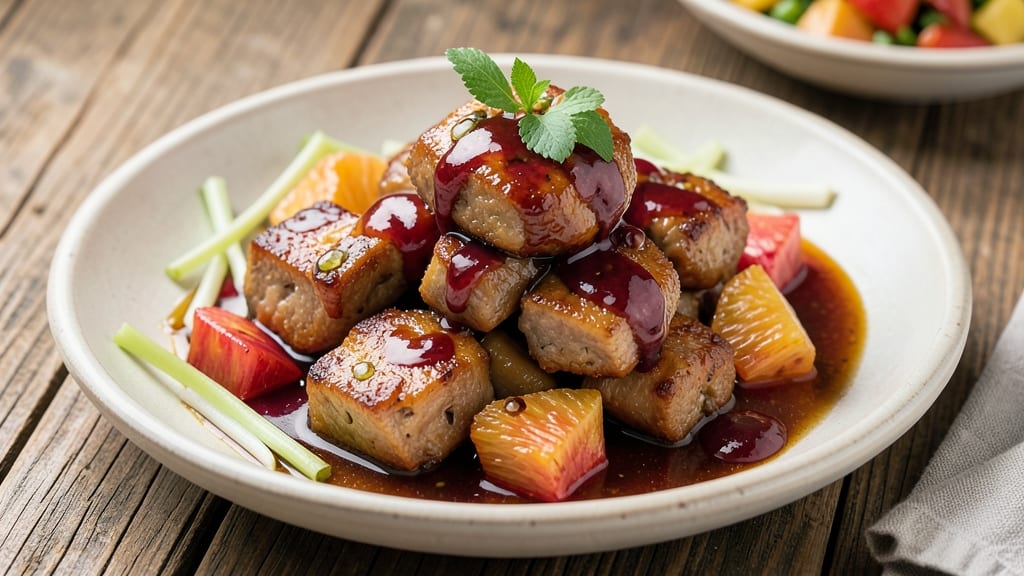
This Panlasang Pinoy pineapple pork recipe transforms humble ingredients into a dish that tastes like home—sweet caramelized pork tenderized with tart pineapple and a celery glaze that develops rich depth in one pan.
The magic happens when pork shoulder breaks down into fork-tender pieces while absorbing the sticky-sweet sauce, creating that perfect balance of tangy, savory, and caramelized notes Filipino cooks swear by.
I first made this version after discovering how much easier it is to achieve restaurant-quality results without multiple pans or complicated techniques.
The secret lies in the marinade—a combination of soy sauce, vinegar, and calamansi (or lime) that tenderizes the meat while building flavor, then finished with a glaze made from pineapple juice, soy, and celery that caramelizes beautifully as it reduces.
What makes this recipe special is how it delivers that signature Filipino restaurant taste at home: the pork stays juicy, the sauce clings perfectly, and the sweet-tart balance is just right. The celery adds subtle bitterness that rounds out the sweetness, while the vinegar keeps the flavors bright.
By the time you serve this dish, you'll have perfectly caramelized pork with a glossy, sticky glaze that's perfect for drizzling over steamed rice or serving with atchara and garlic fried rice.
The pork practically falls apart when you cut into it, releasing all that juicy goodness mixed with the sweet-tart sauce. This is the kind of weeknight dinner that feels like a celebration—rich, flavorful, and impossible to resist.
Pair it with steamed jasmine rice to soak up every last drop of that delicious sauce, or serve with a simple side salad for balance. The leftovers actually taste better the next day as the flavors meld even more.
Here's everything you need to make it happen—simple ingredients, one-pan technique, and a dish that will have everyone asking for seconds.
Ingredients for pineapple pork recipe panlasang pinoy
Sweet, tangy, and caramelized—this one-pan pork dish needs just 14 ingredients to taste like Filipino home cooking.
| Ingredient | Amount | Notes |
|---|---|---|
| Pork Shoulder 🥩 | 1 ½ lb | Bone-in for flavor, cut into 1-inch chunks |
| Pineapple Juice 🍍 | 1 cup | Freshly squeezed from ripe pineapple |
| Soy Sauce 🥄 | ½ cup | Light or regular, not low-sodium |
| White Vinegar 🍶 | ¼ cup | White or cane vinegar |
| Calamansi Juice 🍋 | ¼ cup | Or lime juice if unavailable |
| Celery Stalk 🧅 | 1 whole | Thinly sliced, leaves included |
| Garlic Cloves 🧄 | 6 cloves | Minced, for marinade and glaze |
| Fresh Ginger 🌿 | 2 tbsp | Grated, fresh for best flavor |
| Brown Sugar 🍚 | ¼ cup | Packed, light brown preferred |
| Olive Oil 🫒 | 2 tbsp | For searing pork |
| Salt 🧂 | 1 ½ tsp | Kosher or sea salt |
| Black Pepper 🌶️ | ½ tsp | Freshly ground |
| Green Onions 🧅 | 2 whole | Sliced, for garnish |
| Fresh Pineapple Chunks 🍍 | 1 cup | Optional, for garnish |
The pork shoulder is non-negotiable—bone-in gives the most flavor, and Costco or local butcher shops usually have it pre-cut into chunks. If you're buying a whole shoulder, ask for it to be cut into 1-inch pieces. For the celery, organic stalks from Whole Foods or your local farmers market have the best flavor, but regular grocery store celery works too. The calamansi is the tricky one—if you can't find it at an Asian market, lime juice works in a pinch, but it won't be exactly the same. Pineapple juice? Freshly squeezed is ideal, but canned works if you use the juice from a chunky pineapple, not the syrupy kind.
No fresh ginger? Ground ginger at half the amount gets you close, but it lacks that bright, zesty kick. The brown sugar can be swapped for white sugar, but light brown adds subtle molasses notes that play well with the caramelization. Short on soy sauce? Coconut aminos work in a bind, but the umami depth won't be identical. The celery glaze is where the magic happens—don't skip it. If you're worried about bitterness, blanch the celery first to mellow it out. And for the love of all things Filipino, don't use pre-minced garlic—fresh minced makes a world of difference.
This dish tastes even better the next day as the flavors meld. Store leftovers in the fridge for up to 5 days, covered tightly so the sauce doesn't dry out. For longer storage, freeze portions for up to 3 months. I like to portion it into containers with a little extra sauce—just reheat in the microwave for 2 minutes, then stir to loosen everything up. The sauce thickens as it cools, so a splash of water or pineapple juice helps bring it back to that perfect glossy consistency. Garnish with fresh pineapple chunks and green onions right before serving—they look pretty and add a nice crunch.
Why You'll Love This Recipe
- One-Pot Magic: I swear by this recipe because it’s literally dump-and-go. Pork shoulder cooks right in the same pan with the pineapple juice and vinegar—no extra bowls, no messy transfers. The only prep is slicing the meat (and even that’s forgiving—big chunks work just as well).
- Tangy-Sweet Fix: That combo of calamansi and pineapple juice? It’s the secret weapon. The acidity cuts through the richness of the pork while keeping it tender, and the sweetness balances the soy sauce’s saltiness. Honestly, the first time I tasted it, I grabbed seconds before the plate was even empty.
- Lunchbox Hero: Between us, this is my go-to for meal prep. The flavors actually improve the next day—yes, really. Pack it in bento boxes with rice, or serve it cold in wraps for a no-fuss office lunch. My kids ask for it more than any other leftovers, and that’s saying something.
- Budget Win: Pork shoulder is cheap, and this recipe stretches it far. A single cut feeds four people easily, and the pantry staples (soy sauce, vinegar) mean you’re not breaking the bank. Plus, the pineapple juice adds brightness without costing a fortune—unlike fancy marinades that’ll drain your wallet.
Step-by-step instructions for pineapple pork recipe Panlasang Pinoy
This one-pan wonder delivers caramelized sweet-tart perfection every time.
Sear the Pork Shoulder Until Deeply Browned
Heat a large Dutch oven or deep skillet over medium-high heat until very hot. Add the 2 tablespoons olive oil and swirl to coat the bottom. Working in batches if needed, add the 1.5 lb pork shoulder cut into 1-inch chunks, arranging them in a single layer. Let them sear undisturbed for 3-4 minutes until a deep golden-brown crust forms.
This initial searing locks in juices and builds flavor. You'll know it's ready when the pork releases easily from the pan—don't rush this step. Once browned on all sides, transfer the pork to a plate and set aside. The residual heat will keep it warm while you build the glaze.
Build the Glaze with Celery, Garlic, and Ginger
In the same skillet (no need to wipe out those flavorful browned bits), reduce heat to medium and add the 1 whole thinly sliced celery stalk, 6 minced garlic cloves, and 2 tablespoons grated fresh ginger. Cook for 3-4 minutes until the celery softens and the garlic becomes fragrant—you should smell that aromatic punch of alliums.
Here's where the magic happens: Add the 1 cup pineapple juice, 0.5 cup soy sauce, 0.25 cup white vinegar, and 0.25 cup calamansi juice. Stir well to deglaze the pan, scraping up all those delicious browned bits that contain concentrated pork flavor. Let this mixture simmer for 5 minutes until it reduces by about half and thickens slightly.
Combine and Simmer Until Caramelized
Return the pork to the skillet along with any accumulated juices. Add the 0.25 cup packed brown sugar and stir to combine. The mixture should look glossy and slightly syrupy. Bring everything to a gentle simmer, then reduce heat to low and cover with a lid.
Let it cook for 1 hour, stirring occasionally, until the pork is tender and the sauce has thickened into a glossy glaze. You're looking for that beautiful caramelization where the sauce pulls slightly when you drag your finger through it. If it reduces too quickly, add 1-2 tablespoons water to maintain moisture.
Finish with Fresh Pineapple and Garnish
Once the pork is fork-tender and the glaze has reached your desired consistency, stir in the 1 cup fresh pineapple chunks. Cook uncovered for an additional 5 minutes to let the pineapple soften slightly and absorb the flavors. Taste and adjust seasoning with 1.5 teaspoons salt and 0.5 teaspoon black pepper if needed.
Remove from heat and let it rest for 5 minutes before serving. Garnish with sliced 2 whole green onions for freshness and color. The pork should be juicy with tender, caramelized edges, and the sauce should coat everything beautifully—sweet from the pineapple and brown sugar, tangy from the vinegar and calamansi, and umami-rich from the soy sauce and seared pork.
Pro Tips For Making Pineapple Pork Recipe Panlasang Pinoy
- Cut Pork Thinly First: I learned this the hard way—thick chunks of pork shoulder stay tough even after braising. Use a sharp knife or cleaver to slice into ½-inch strips before cooking; they’ll absorb the pineapple-soy glaze faster and turn fork-tender.
- Reduce Vinegar Gradually: Dump all that white vinegar at once and you’ll end up with a sour mess. Start with half the amount, let it simmer 5 minutes, then add the rest—this balances the acidity without overpowering the pork’s caramelization.
- Don’t Skip the Calamansi: Store-bought calamansi juice lacks the bright tang of fresh. If you’re using bottled, add a splash of lemon juice (1:1 ratio) to mimic the citrusy bite that cuts through the sweetness—trust me, it’s noticeable.
- Deglaze with Pineapple Juice: After browning the pork, scrape up those fond bits with a splash of pineapple juice before adding the full sauce. It dissolves faster than water and builds deeper flavor—no extra effort, just better base for the glaze.
Creative variations of this dish
Filipino BBQ Style
Transform this dish into a smoky BBQ version by adding ½ cup BBQ sauce (I love Sweet Baby Ray's original) to the glaze mixture. After searing the pork, swap the celery for 1 sliced onion and 1 sliced bell pepper for extra sweetness.
Cook the pork low and slow for 2 hours instead of 1, then finish with 2 tbsp soy sauce and 1 tbsp brown sugar for that signature Filipino BBQ sweetness. Serve with garlic fried rice and pickled vegetables for a full fiesta spread. 🔥
Spicy Pineapple Twist
For heat lovers, add 1 tbsp sambal oelek or 1 chopped Thai chili to the glaze when combining with the pork. If you want extra spice depth, marinate the pork with 1 tbsp soy sauce and 1 tbsp vinegar plus the chili for 30 minutes before cooking.
Garnish with sliced jalapeños and extra pineapple chunks for a sweet-spicy kick that's perfect with coconut rice. 🌶️
Slow Cooker Adaptation
Make this a hands-off meal by using a 6-quart slow cooker. Sear the pork in a skillet first, then transfer it to the slow cooker with all the glaze ingredients. Cook on low for 6-8 hours or high for 4-5 hours, stirring occasionally.
The slow cooker method keeps the pork incredibly tender while letting the sauce develop that perfect caramelized consistency. Add fresh pineapple chunks in the last 30 minutes to keep them bright and juicy. ⏰
Vegetarian Option
Swap the pork for 1.5 lbs extra-firm tofu pressed and cubed, or 1.5 lbs portobello mushrooms sliced thick. Marinate the tofu or mushrooms in the same soy-vinegar-calamansi mixture for 30 minutes before cooking. Sear them in the pan first, then proceed with the glaze as written.
The celery glaze works beautifully with either protein, delivering that same sweet-tart balance. Serve with garlic green beans for a satisfying vegetarian meal. 🌱
Korean Fusion
Give this dish a Korean twist by adding 1 tbsp gochujang (Korean chili paste) and 1 tbsp sesame oil to the glaze. Swap the celery for 1 sliced daikon radish and finish with 1 tbsp toasted sesame seeds and sliced green onions.
The gochujang adds a deep, spicy-sweet complexity that pairs perfectly with the pineapple's tang. Serve with steamed rice and kimchi for a fusion feast. 🌟
Meal Prep Version
Double the recipe and store it in airtight containers for easy weeknight meals. The flavors actually improve as it sits, with the sauce becoming even more caramelized and the pork more tender.
Reheat in the microwave for 2-3 minutes with a splash of water or pineapple juice to restore the glossy sauce. Pack it with steamed rice and pickled cucumbers for a complete, balanced lunch. This is my go-to for busy mornings—just grab and go! 💡
Nutrition facts
Frequently asked questions
Can I use regular pork chops instead of pork shoulder?
The recipe is designed for pork shoulder because its fat content and connective tissue create that perfect tender, caramelized texture. Pork chops will cook much faster and won't develop the same rich, fall-apart quality. If you must use chops, cut them into smaller pieces and reduce the cooking time to 20-25 minutes after adding the glaze, but you'll miss that signature restaurant-style texture.
What if I can't find calamansi juice?
No problem! Substitute with an equal amount of lime juice—it won't be identical, but it'll still give that bright, tangy kick. For extra authenticity, mix ¼ cup lime juice + ¼ cup orange juice to better mimic calamansi's flavor profile. The dish will still taste delicious, just slightly less complex.
How do I make the sauce less sweet?
Reduce the brown sugar to 2 tablespoons instead of ¼ cup and increase the vinegar to ⅓ cup. You can also add 1 extra tablespoon of soy sauce for more umami depth. For a tangier version, add 1 teaspoon of fish sauce (a Filipino pantry staple) to balance the sweetness.
Can I make this in an Instant Pot?
Sear the pork first, then add all ingredients (including celery) and cook on high pressure for 30 minutes. Quick-release the pressure, then add fresh pineapple chunks and cook on sauté mode for 5 minutes. The Instant Pot version cooks 40% faster but may need 1-2 tablespoons extra liquid to prevent sticking.
Why does my pork turn out dry?
Overcooking or skipping the resting time are the most common causes. Always remove the pork when it reaches 195°F internal temp (it'll rise to 203°F while resting). Cover the dish with foil after cooking to trap steam, then let it rest for 10 minutes before serving. If the sauce reduces too much, add 1-2 tablespoons water or pineapple juice before serving.