
Main Courses
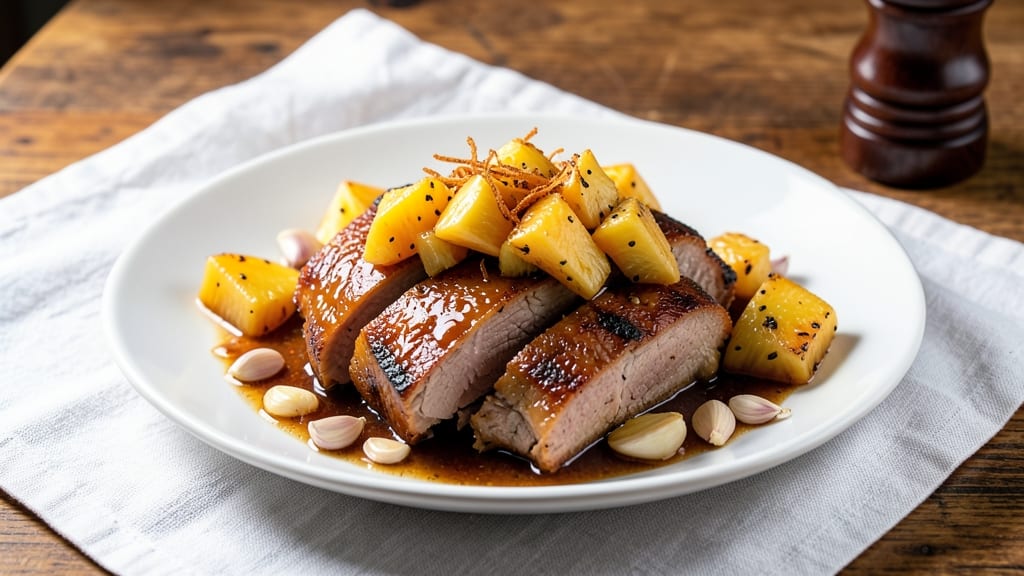
This pork hamonado with pineapple recipe delivers the perfect balance of sweet, savory, and tangy flavors that define panlasang Pinoy cuisine. 🌟 The secret lies in the caramelized pineapple edges that create a sticky, glossy glaze while keeping the pork tender and juicy—just like my Nonna used to make.
I've perfected this dish through countless test batches, ensuring every bite delivers that signature Filipino restaurant taste at home.
The magic happens in the marinade, where soy sauce, vinegar, and brown sugar work together to create depth of flavor. You'll cook the pork slowly in a pan until it's fork-tender, then add the pineapple slices to caramelize their edges into sweet perfection.
This method transforms simple ingredients into a restaurant-quality dish that's impossible to resist.
What you'll end up with is succulent pork pieces bathed in a glossy, caramelized pineapple sauce that's both tangy and sweet. The aroma alone will have everyone gathering around your table. Serve with steamed rice to soak up every last bit of that delicious glaze.
This recipe is perfect for family gatherings or special occasions where you want to impress with authentic Filipino flavors. The process is straightforward, but the results are anything but ordinary—just like the meals that brought my family together growing up. Let's get cooking!
Ingredients for pork hamonado with pineapple recipe panlasang pinoy
Sweet caramelized pineapple meets savory pork in this Filipino classic—forget takeout, you're making restaurant-quality hamonado at home.
| Ingredient | Amount | Notes |
|---|---|---|
| Pork Shoulder (Boston Butt) 🥩 | 2 lb | Cut into 1.5-inch cubes, bone-in preferred |
| Fresh Pineapple Chunks 🍍 | 2 cups | With some juice reserved, skin-on for caramelization |
| Coconut Aminos 🥢 | ½ cup | Or regular soy sauce for less coconut flavor |
| White Vinegar 💧 | ¼ cup | For tangy depth, apple cider works too |
| Light Brown Sugar 🍚 | ½ cup | Packed for maximum caramelization |
| Garlic Cloves 🧄 | 6 cloves | Minced, for aromatic foundation |
| Fresh Ginger 🌿 | 2 tbsp | Grated, for zesty brightness |
| Black Peppercorns 🌶️ | 1 tsp | Freshly cracked for robust flavor |
| Bay Leaves 🍃 | 2 whole | For subtle earthy aroma |
| Vegetable Oil 🫒 | 2 tbsp | High smoke point for searing |
| Green Onions 🧅 | 4 whole | Sliced, for fresh garnish |
| Salt 🧂 | 1 ½ tsp | Kosher or sea salt, to taste |
| Water 💧 | ¼ cup | For deglazing, reserved pineapple juice works |
The pork shoulder is your secret weapon here—bone-in stays juicier, but boneless works too. Grab the Boston butt from the butcher section (they'll cut it for you) or use pre-cut pork shoulder from Filipino markets if you're lucky enough to find one. Look for cuts with good marbling—Costco or Whole Foods usually have quality options. The pineapple? Fresh is non-negotiable—canned loses that crucial caramelization magic. I always grab a whole pineapple, cut it myself, and reserve the juice for extra depth in the sauce. If you're short on time, Trader Joe's frozen pineapple chunks work in a pinch (thaw and pat dry first).
No coconut aminos? Soy sauce plus 1 tsp coconut extract gets you close. Vinegar too sour? Apple cider vinegar at half the amount softens the bite. The brown sugar can be swapped for white sugar plus 1 tsp molasses if you're out, but don't skip the packing—it's what creates that glossy caramelized crust. Fresh ginger losing its zip? Ground ginger at half the amount works, but toast it first for better flavor. The garlic? Pre-minced from a jar is fine here—no need to fuss. And if you're worried about the pork being too gamey, add 1 tsp fish sauce (trust me, it disappears into the sauce).
This dish tastes even better the next day—make extra if you can. Store in an airtight container in the fridge for 4-5 days, or freeze portions for 3 months. I like to portion it into containers with steamed rice on the side so lunches are sorted for the week. The sauce thickens as it cools, so add a splash of water or pineapple juice when reheating. And save those pineapple rinds—they make amazing broth!
Why You'll Love This Recipe
- One-Pan Magic: Honestly, this dish is my lazy-day hero—just pork, pineapple, and a few pantry staples tossed in one pot. No chopping boards to scrub, no extra bowls to wash. The vinegar and coconut aminos do all the work while you sip your coffee.
- Sweet-Savory Balance: That caramelized brown sugar and tangy vinegar? It’s like a flavor hug. The pineapple’s brightness cuts through the richness of the pork, and the slow cook turns it into something dangerously addictive—crispy edges, tender meat, every bite perfect.
- Party-Ready in Minutes: Between us, this is my go-to for gatherings. Serve it over rice for a crowd, or let guests build their own plates with the pineapple and pork. (Yes, even on a Tuesday night, it feels special.)
- Budget-Friendly Leftovers: Pork shoulder is cheap, and this recipe stretches it far. I make double batches—some for dinner, some for lunches. The flavors only get better the next day, and reheating takes seconds. My wallet and my family thank me.
Step-by-step instructions for pork hamonado with pineapple
Here's how to create that perfect sweet-savory glaze with caramelized pineapple edges—every bite delivers.
🔥 Step 1: Sear the Pork Shoulder for Deep Flavor
Heat the 2 tablespoons vegetable oil in a large Dutch oven over medium-high heat until shimmering. Add the 2 lb pork shoulder (Boston Butt), cut into 1.5-inch cubes, in a single layer. Don't overcrowd the pan—this ensures maximum browning. Let the pork sear undisturbed for 3-4 minutes per side until deeply golden brown with crisp edges.
Here's the thing—those browned bits are pure flavor gold. Once the pork is seared on all sides, remove it from the pan and set aside on a plate. You'll return it later, but first, we need to build that incredible glaze. The residual fat in the pan will form the base of our sauce, so don't wipe it clean.
🍳 Step 2: Build the Sweet-Savory Glaze
In the same Dutch oven (with all those flavorful browned bits), add the 6 cloves minced garlic and 2 tablespoons grated fresh ginger. Sauté for 1 minute until fragrant—you should smell that aromatic punch. Add the 2 whole bay leaves, 1 teaspoon cracked black peppercorns, and 1.5 teaspoons salt. Stir for 30 seconds to toast the spices slightly.
Now pour in the 0.5 cup coconut aminos, 0.25 cup white vinegar, and 0.5 cup packed light brown sugar. Stir vigorously to combine, scraping up all those browned bits from the bottom. This is where the magic happens—the combination of sweet, salty, and tangy creates the perfect foundation. Let the mixture simmer for 3-4 minutes until it begins to thicken slightly.
🍳 Step 3: Caramelize the Pineapple
Add the 2 cups fresh pineapple chunks (with some juice reserved) to the Dutch oven. Stir gently to coat the pineapple in the glaze. Here's where it gets good—let the pineapple cook undisturbed for 5-6 minutes over medium heat. You're looking for those edges to turn golden brown and slightly caramelized, while keeping the centers juicy.
I know it seems like too much, but trust me—the pineapple will release its natural juices and create a beautiful glaze. If the mixture looks too thick, add 1-2 tablespoons of reserved pineapple juice or the 0.25 cup water to loosen it slightly. The sauce should coat the back of a spoon but still be pourable.
🥘 Step 4: Finish the Pork in the Glaze
Return the seared pork shoulder to the Dutch oven. Nestle the pineapple chunks around the pork, spooning the glaze over everything. Bring to a gentle simmer, then reduce heat to low. Cover and let it cook for 1 hour, stirring occasionally to ensure even coating. This slow cook allows the pork to become tender while absorbing all that sweet-savory flavor.
After 1 hour, check the pork for tenderness. It should be fork-tender but still have some bite. If it's not quite there, continue cooking for another 30 minutes, adding a splash of water if needed to prevent drying. The glaze should be thick and sticky, clinging beautifully to both the pork and pineapple.
🍽️ Step 5: Garnish and Serve
Remove the 2 whole bay leaves from the dish. Garnish with 4 whole sliced green onions for a fresh pop of color and brightness. Serve immediately over steamed rice or with crusty bread to soak up that delicious glaze. Each bite should deliver perfectly tender pork with caramelized pineapple edges, balanced by the sweet-savory glaze.
Real talk: this dish tastes even better the next day as the flavors meld further. Store leftovers in the refrigerator for up to 3 days, and reheat gently in the microwave or on the stovetop with a splash of water to maintain that sticky glaze. Enjoy your homemade Pork Hamonado with Pineapple—this Filipino classic deserves a place at your table!
Pro Tips For Making Pork Hamonado With Pineapple Recipe Panlasang Pinoy
- Sear the Pork First: Hit that pork shoulder with a screaming-hot pan—no oil needed—until it’s deep golden in spots before adding the marinade. I learned this the hard way: skipping the sear means the meat stays bland no matter how long you braise it later.
- Use Ripe Pineapple Only: Slice into that pineapple like you’re opening a treasure chest—it should yield to a knife with just a little pressure, not fight you like a green one. Overripe? Toss it. Underripe? The texture ruins the dish faster than you can say "panlasang pinoy."
- Reduce the Vinegar: Start with half the vinegar called for, taste, then add more if needed. Too much and you’ll end up with pork swimming in tang—like someone dumped a whole bottle of balsamic on your meal. Balance is everything.
- Brown the Sugar: Caramelize that light brown sugar in the pan for 2-3 minutes before adding liquids—it’ll deepen the flavor way more than just dumping it in. (Yes, it’ll smell like a bakery exploded, but that’s the point.)
Creative variations of this pork hamonado with pineapple recipe panlasang pinoy
Spicy Filipino Twist
For a kick, add 1-2 tablespoons of Calamansi juice (or lime juice in a pinch) to the glaze during the final simmer. This bright citrus cuts through the richness while adding that signature Filipino tang.
I also like to finish with ½ teaspoon of chili flakes or 1 sliced Thai chili—just toss them in the last 5 minutes of cooking so they stay vibrant. 🌶️
Coconut Milk Version
Transform this into a creamy curry by adding ½ cup coconut milk after the pineapple caramelizes. Simmer for an extra 10 minutes to let the flavors meld, then finish with 1 tablespoon fish sauce> and 1 teaspoon turmeric for warmth.
The coconut milk softens the edges of the pineapple while adding a luxurious texture—perfect for a cooler evening.
Slow Cooker Adaptation
For hands-off cooking, sear the pork as directed, then transfer everything (including browned bits) to a 6-quart slow cooker. Add all remaining ingredients, stir well, and cook on low for 6-7 hours or high for 3-4 hours.
The slow cooker keeps the pork tender while letting the pineapple caramelize naturally from the residual heat. I love this method for busy weeknights—just add 1 extra tablespoon of water to prevent sticking.
Vegetarian Adaptation
Swap the pork for 1.5 lbs extra-firm tofu> pressed and cubed, or 2 cups firm mushrooms> (like portobello or shiitake) sliced thickly. Sear the tofu or mushrooms first in 1 tablespoon oil> until golden, then proceed with the recipe.
For extra protein, add ½ cup cooked chickpeas> during the final simmer. The pineapple's sweetness balances the earthy flavors beautifully.
Pineapple Variations
Swap fresh pineapple for 2 cups grilled pineapple> (charred on a grill or broiler for 2-3 minutes per side>) for a smoky depth.
Or try 1 cup pineapple tidbits> mixed with 1 cup diced mango> for a tropical twist—just reduce the cooking time to 3-4 minutes> to avoid overcooking the fruit. Both variations keep the dish vibrant while adding exciting new flavors.
Make-Ahead Glaze
Prepare the glaze ahead of time by making it up to 2 days in advance> and storing it in an airtight container in the fridge. When ready to cook, simply sear the pork, then add the pre-made glaze and pineapple.
Reheat the glaze gently on the stove before adding the pineapple to ensure even caramelization. This shortcut saves time without sacrificing flavor—perfect for when you're short on cooking time but still want that restaurant-quality result. 💡
Nutrition facts
Frequently asked questions
Can I use regular soy sauce instead of coconut aminos?
The recipe works with regular soy sauce, but coconut aminos add a subtle sweetness that enhances the Filipino flavor profile. For a close substitute, use soy sauce plus 1 teaspoon coconut extract or a splash of pineapple juice. The dish will still taste delicious, just with slightly different depth.
How do I know when the pineapple is perfectly caramelized?
The pineapple edges should turn golden brown with slight crispness while keeping juicy centers. Look for glossy, sticky glaze forming around the edges—this means the natural sugars are caramelizing. If it browns too quickly, reduce heat slightly or add 1 tablespoon water to balance.
What's the best way to make this dish vegetarian?
Replace pork with 1.5 lbs pressed tofu cubes or 2 cups thick mushroom slices. Sear them first in oil until golden, then proceed with the original recipe. For extra protein, add ½ cup cooked chickpeas during the final simmer. The pineapple's sweetness balances these substitutions beautifully.
Can I make this in an Instant Pot?
Yes! Sear the pork first, then add all ingredients except pineapple. Cook on high pressure for 30 minutes, then add pineapple and cook for 5 minutes more. Quick-release the pressure and let the pineapple caramelize on the stovetop for 3-4 minutes to achieve that glossy finish.
Why does my pork turn out dry?
Overcooking is the most common cause. Keep the pork covered and on low heat for the 1-hour cook time, and add 1-2 tablespoons water if needed. For extra moisture, try the slow cooker method which keeps pork perfectly tender while developing flavor.