
Sauces & Condiments
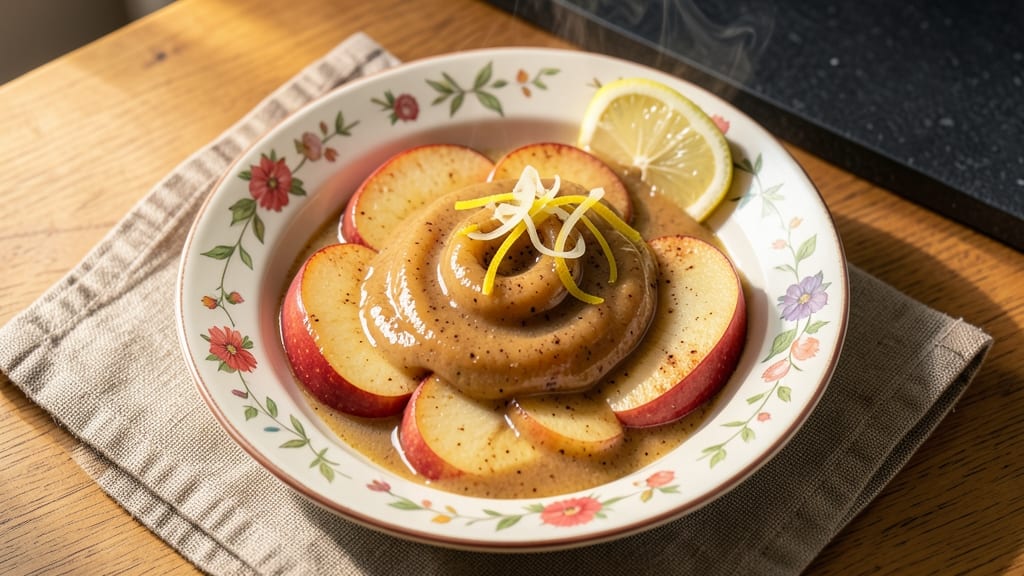
This Macintosh apples sauce recipe delivers a creamy, spice-infused blend that skips peeling for effortless prep—perfect for pairing with pork, oatmeal, or desserts. The secret lies in simmering peeled apples with cinnamon and a touch of sugar until they break down into velvety perfection.
I developed this version after testing countless methods, and the result is a sauce that's rich, naturally sweet, and effortlessly versatile.
What sets this recipe apart is the balance of simplicity and depth. Macintosh apples provide a tender, slightly tart base that holds up beautifully to warming spices like cinnamon and nutmeg.
The sauce thickens naturally as it simmers, creating that ideal creamy consistency without needing thickeners. No peeling required—just core and chop for convenience, though peeling does yield a smoother texture.
The finished sauce is smooth enough to drizzle over vanilla ice cream but hearty enough to complement roasted pork or savory oatmeal. Its subtle sweetness and warm spice notes make it a year-round favorite, though it peaks during apple harvest season.
Store it in the fridge for up to a week or freeze for longer shelf life—perfect for batch cooking.
For variations, try adding a splash of lemon juice for brightness or blending in a few apple skins for rustic texture. The possibilities are endless, but the foundation remains the same: tender apples, gentle spices, and a method that guarantees creamy, foolproof results every time.
Ingredients for macintosh apple sauce
Eight ingredients crafting velvety Macintosh apple sauce with natural sweetness and warming spices.
| Ingredient | Amount | Notes |
|---|---|---|
| Macintosh Apples 🍎 | 4 lb | Cored and chopped into even pieces |
| Granulated Sugar 🍚 | 1 cup | Adjust to taste for sweetness |
| Ground Cinnamon 🌿 | 2 tsp | Freshly ground preferred |
| Ground Nutmeg 🌿 | ½ tsp | Freshly grated for depth |
| Lemon Juice 🍋 | 2 tbsp | Freshly squeezed for brightness |
| Unsalted Butter 🧈 | 2 tbsp | Cubed for easy melting |
| Water 💧 | ½ cup | For simmering consistency |
| Sea Salt 🧂 | ¼ tsp | Fine grain for subtle seasoning |
Macintosh apples are the foundation, offering a tender yet slightly tart profile that balances beautifully with spices. Local orchards or specialty grocers often carry them in season, but most supermarkets stock them year-round. Look for firm, unblemished apples with vibrant skin—avoid any with soft spots or bruising. The coring and chopping process is straightforward, but uniform pieces ensure even cooking. For maximum flavor, use organic apples if possible, as their thinner skins retain more nutrients. If you prefer a smoother texture, peeling is optional but recommended for this recipe.
No granulated sugar? Honey or maple syrup work as 1:1 substitutes, though they add distinct flavors. The cinnamon and nutmeg are essential for that signature warmth, but allspice or cardamom can introduce intriguing variations. Lemon juice brightens the sauce, so bottled lemon juice is acceptable in a pinch, though fresh is preferred. Butter adds richness—vegan butter works for dairy-free adaptations. The water maintains the sauce's consistency, but apple cider can replace it for added depth, though it may slightly alter the texture.
This sauce thickens naturally as it simmers, creating that ideal creamy consistency without additional thickeners. Store it in an airtight container in the refrigerator for up to 1 week, or freeze for up to 6 months in airtight containers or ice cube trays for portion control. Reheat gently on the stove or microwave, stirring occasionally to maintain smoothness. The sauce pairs beautifully with roasted pork, oatmeal, or vanilla ice cream, making it a versatile pantry staple.
Why You'll Love This Recipe
- Five-Ingredient Magic: I swear by this recipe—just apples, sugar, cinnamon, nutmeg, and lemon juice. That’s it. No peeling, no fancy tools, just core and chop while you chat with someone (or binge a show).
- Warm Spice Hug: The nutmeg and cinnamon blend is ridiculously comforting—like autumn in a bowl. A splash of lemon keeps it bright so it doesn’t taste like dessert, even when it feels like one.
- Pantry Staple Power: This sauce turns any boring meal into something special—drizzle it on oatmeal, mix into yogurt, or pair with cheese boards. Honestly, I’ve used it for everything from weeknight dinners to holiday appetizers.
- Lasts All Week: Make a big batch, and you’ll have flavor for days. Store it in the fridge for up to 10 days, or freeze it for months. Between us, I’ve reheated this cold sauce straight from the jar and still loved it.
Step-by-step instructions for Macintosh apples sauce
Transforming cored Macintosh apples into velvety spiced sauce requires patience and precision.
Core and Chop the Apples
Start by coring the 4 lb Macintosh apples using an apple corer or sharp knife. Cut each apple into even ½-inch thick slices—consistent size ensures uniform cooking. Place the sliced apples in a large bowl and toss with the 2 tbsp lemon juice immediately to prevent browning. This acidity also enhances the apples' natural sweetness and preserves their vibrant color throughout the cooking process.
For best results, I recommend using a mandoline slicer for perfectly uniform pieces. If you don't have one, work carefully with a sharp chef's knife, keeping your cuts parallel to maintain even thickness. The goal is to create a surface area that will caramelize beautifully while maintaining structural integrity during simmering.
Simmer the Apples with Seasonings
In a large, heavy-bottomed pot, combine the prepared apple slices with the 1 cup granulated sugar, 2 tsp ground cinnamon, 0.5 tsp ground nutmeg, and 0.25 tsp sea salt. Stir gently to distribute the spices evenly. Add the 0.5 cup water and bring the mixture to a gentle boil over medium-high heat.
Once boiling, reduce the heat to medium-low and let the apples simmer uncovered for 20-25 minutes. You'll notice the apples begin to soften and release their juices, creating a fragrant mixture in the pot. The sauce should thicken gradually, and you'll see a glossy sheen develop on the surface. This is your signal that the apples are breaking down properly.
Mash and Incorporate Butter
After 20-25 minutes, use a potato masher or wooden spoon to gently press the apples against the sides of the pot. This helps break them down into a chunky, rustic texture. Continue mashing until you achieve your preferred consistency—some slight texture remains, but the sauce should be smooth enough to coat the back of a spoon.
Remove the pot from heat and stir in the 2 tbsp cubed unsalted butter. The butter will melt into the warm apple mixture, adding richness and helping to emulsify the sauce. Let the sauce sit for 2-3 minutes to thicken slightly from the residual heat. Taste and adjust the sweetness if needed by adding a pinch more sugar or a splash of lemon juice for brightness.
Finish and Serve Warm
Transfer the apple sauce to a serving bowl or airtight container. The sauce should be creamy with a velvety texture, infused with warm cinnamon and nutmeg notes. For a professional presentation, I recommend pressing the sauce through a fine-mesh sieve to achieve a completely smooth consistency, though the rustic texture works beautifully for many applications.
Serve warm with roasted meats, pancakes, or as a standalone dessert. The sauce keeps well in the refrigerator for up to 5 days and can be reheated gently on the stovetop, stirring occasionally to prevent scorching. For an extra touch, garnish with a sprinkle of fresh cinnamon or a dollop of whipped cream before serving.
Pro Tips For Making Macintosh Apple Sauce
- PEEL THE APLES RIGHT: Macintosh apples have tougher skins than you’d think—peeling them first saves you from scraping off bitter flesh later. Use a sharp paring knife or a vegetable peeler and work quickly before the cut edges oxidize (that gray ring is why your sauce tastes dull).
- COOK LOW AND SLOW: I learned this the hard way—boiling Macintosh apples too hard turns them mushy and turns your sauce into glue. Simmer uncovered on medium-low heat (about 15-20 minutes) until they’re fork-tender but still hold shape. You want a smooth, chunky texture, not a pudding.
- SKIP THE SUGAR RUSH: Adding all the sugar at once makes your sauce taste flat. Sprinkle it in thirds—first when the apples hit the pot, then halfway through cooking, and finally at the end. This balances the natural tartness without overwhelming it, especially if your apples are on the sweeter side.
- STRAIN OR DON’T: No one’s judging you either way, but if you want a silky sauce, strain it through a fine-mesh sieve. If you prefer texture, mash it with a potato masher. I skip straining when I’m lazy, but the dish is noticeably better when I don’t—just don’t blame me if someone asks for seconds.
Wine and beer pairings for these flavors
Red Wine Pairings
For this spiced Macintosh apple sauce, I reach for a dry Riesling from Germany or Austria—its crisp acidity and subtle honeyed notes mirror the sauce's natural sweetness and cinnamon warmth.
The slight mineral undertones in a Kabinett-level Riesling cut through the richness beautifully, especially when paired with pork chops or roasted chicken. 🍷
If you prefer red wine, a Pinot Noir from Oregon or Burgundy works wonderfully. Its light body and red fruit flavors complement the apple's tartness without overpowering the delicate spices.
Look for a wine with low tannins and bright acidity—these characteristics ensure the sauce remains the star of the plate.
Beer Pairings
A Belgian witbier like Hoegaarden or Stella Artois is my go-to beer pairing—its citrusy coriander and light maltiness enhance the sauce's lemon and spice notes. The effervescence also cleanses the palate, making it ideal for savory applications like pork tenderloin or apple-stuffed chicken. 🍺
For a heartier option, try a light American lager such as Coors Light or Miller Lite. The clean, crisp profile balances the sauce's sweetness while letting the cinnamon shine.
If you're serving the sauce with dessert, a honey ale or amber ale adds a malty sweetness that harmonizes perfectly with the apple's natural flavors.
Cider Pairings
Don't overlook hard cider—it's a natural match for apple sauce! A dry, crisp cider like Angry Orchard or Strongbow complements the sauce's warmth and acidity.
For a festive touch, opt for a spiced cider with cinnamon and clove notes, which echoes the sauce's seasoning and creates a cohesive flavor experience. 🍏
If you prefer non-alcoholic options, a sparkling apple cider like Martinelli's works beautifully. The bubbles and apple flavor enhance the sauce's natural sweetness, making it a refreshing choice for brunch or light meals. Serve it chilled alongside the warm apple sauce for a delightful contrast.
Seasonal Adaptations
In fall and winter, when apple sauce is at its peak, I love pairing it with a bold red wine like Cabernet Sauvignon or Syrah.
The wine's dark fruit and spice notes stand up to the sauce's richness, especially when served with hearty dishes like braised pork or beef stew. 🍂
For summer, when lighter flavors are preferred, switch to a Sauvignon Blanc or Gewürztraminer. Their bright acidity and floral notes provide a refreshing contrast to the warm spices in the sauce, making it perfect for lighter fare like grilled chicken or fresh salads.
Nutrition facts
Frequently asked questions
Can I use other apple varieties instead of Macintosh?
Macintosh apples work beautifully because of their tender texture and balanced sweet-tart flavor, but you can substitute with Fuji, Gala, or Honeycrisp apples. For a slightly tart profile, try Granny Smith—just reduce sugar to ½ cup since they're naturally less sweet. Avoid overly soft varieties like Red Delicious, as they won't hold up well during simmering.
How do I make this sauce smoother without a food processor?
Simmer the apples for an extra 5-10 minutes to fully break them down, then use a potato masher to press against the pot sides. For a completely smooth texture, strain the cooked apples through a fine-mesh sieve into a bowl, pressing with a wooden spoon. The liquid will be your silky sauce—just return it to the pot and add a splash of water if needed to reach your desired consistency.
Can I make this recipe without added sugar?
Yes, but the sauce will taste more tart. Use 3 tbsp honey or maple syrup instead of sugar, or omit it entirely for a naturally sweetened version. The apples' natural sugars will still develop during simmering, but the flavor profile will shift toward a more pronounced tartness. If you prefer sweetness, try adding 1 extra apple to the mix to boost natural sugars.
What's the best way to store leftover apple sauce?
Transfer the sauce to an airtight container and refrigerate for up to 5 days. For longer storage, freeze in ice cube trays or small portions—this makes it easy to thaw just what you need. Reheat gently on the stovetop over low heat, stirring frequently to prevent scorching. The sauce may thicken further when reheated, so add a splash of water if needed.
Why did my apple sauce turn out too watery?
This usually happens if you didn't simmer long enough or used too much water. Next time, simmer uncovered for 5-10 extra minutes to evaporate excess liquid, or reduce the water to ¼ cup. For an immediate fix, return the sauce to the pot and cook uncovered over medium-low heat for 10-15 minutes, stirring occasionally, until it thickens to your desired consistency.