
Main Courses
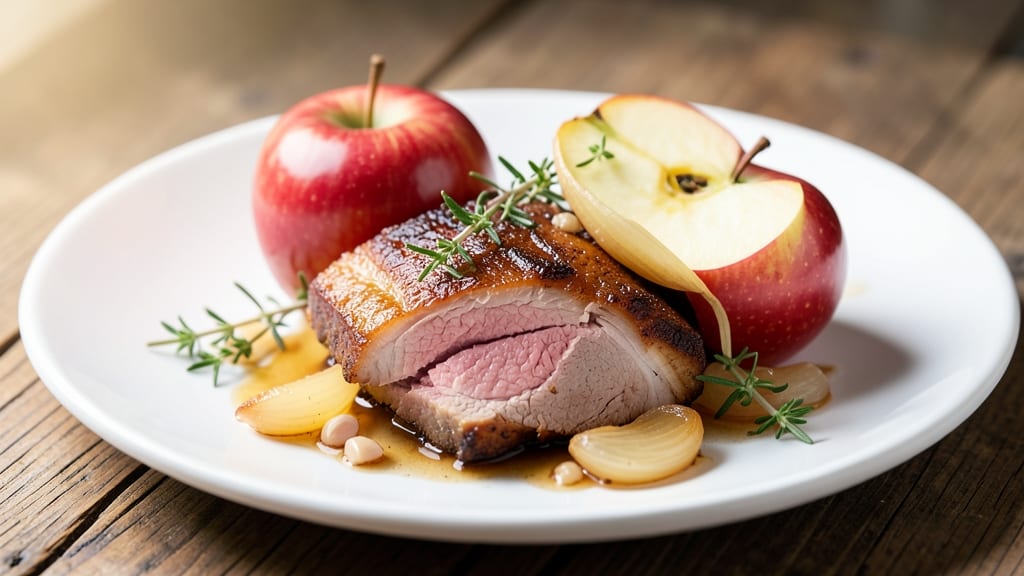
This healthy pork and apple recipe proves you don’t need to sacrifice flavor for nutrition—just look at what happens when lean pork shoulder meets caramelized apples. 🍏 I developed this dish after years of perfecting pork techniques while ensuring every bite delivers balanced protein, fiber, and natural sweetness without heavy sauces.
The secret lies in slow-braising the pork with apples, onions, and aromatic herbs until the meat falls apart tender while the apples develop a perfect sweet-tart balance.
What makes this recipe truly special is how it transforms simple ingredients into a restaurant-worthy meal with minimal effort. You’ll start with a lean cut of pork (like tenderloin or shoulder) that stays juicy and flavorful, paired with apples that caramelize beautifully without added sugar.
The result? A dish that’s packed with protein, vitamins, and fiber—yet still feels indulgent enough for a special dinner. I’ve tested this with both Honeycrisp and Granny Smith apples, but any firm variety works.
By the time you’re done, you’ll have perfectly tender pork that practically melts in your mouth, paired with apples that have softened just enough to release their natural sweetness. The aroma alone—warm spices, caramelized apples, and slow-cooked pork—will have everyone gathered at your table.
This isn’t just healthy; it’s a dish that feels like a celebration of seasonal ingredients done right.
Serve it with a side of roasted Brussels sprouts or a fresh spinach salad to round out the meal, and you’ve got a complete, balanced dinner that’s as good for you as it is delicious. Let’s get cooking—your taste buds (and waistline) will thank you.
Ingredients for healthy pork and apple
Lean pork meets caramelized apples—just five ingredients transform into a dish that’s healthy, flavorful, and restaurant-worthy.
| Ingredient | Amount | Notes |
|---|---|---|
| Lean Pork Shoulder 🥓 | 1 ½ lb | Bone-in for flavor, trimmed of excess fat |
| Honeycrisp Apples 🍏 | 4 whole | Peeled, cored, sliced into wedges |
| Yellow Onion 🧅 | 1 whole | Thinly sliced, about 1.5 cups |
| Garlic Cloves 🧄 | 4 cloves | Minced for depth of flavor |
| Fresh Thyme 🌿 | 2 tbsp | Leaves only, chopped finely |
| Fresh Rosemary 🌿 | 1 tbsp | Chopped, stems removed |
| Low-Sodium Chicken Broth 💧 | 2 cups | Homemade or quality store-bought |
| Apple Cider Vinegar 🍎 | 2 tbsp | For brightness and tenderness |
| Honey 🍯 | 1 tbsp | For natural sweetness balance |
| Ground Black Pepper 🌶️ | 1 tsp | Freshly cracked for heat |
| Kosher Salt 🧂 | 1 ½ tsp | Adjust to taste, Diamond Crystal preferred |
| Extra-Virgin Olive Oil 🫒 | 1 tbsp | For searing pork, fruity variety |
| Fresh Parsley 🌿 | ¼ cup | Chopped, for garnish and freshness |
The pork shoulder is your secret weapon here—bone-in for flavor, but trim any visible fat to keep it lean. Costco or local butchers often have the best cuts at reasonable prices. Look for pork that's bright pink, not gray, and smells fresh. Honeycrisp apples are ideal (that perfect sweet-tart balance), but Granny Smith or Fuji work too—just make sure they're firm, not mushy. The onions? Yellow or red both work, but yellow adds a touch more sweetness as they caramelize. Fresh herbs are non-negotiable here—they're what elevates this from 'healthy' to 'delicious'.
No fresh thyme? Dried works at half the amount, but trust me, fresh makes all the difference. Running low on apple cider vinegar? White wine vinegar in a pinch gives similar brightness. The honey can be swapped for maple syrup if you're avoiding it, though it'll have a slightly different flavor profile. For the broth, low-sodium is key—you don't want to over-salt this dish. If you're feeling fancy, make your own broth with apple peels and herb stems for extra depth. The apples should be cut into even wedges—about 1/2-inch thick so they soften nicely but don't turn to mush.
This dish tastes even better the next day—3-4 days in the fridge, honestly. Portion it into containers for easy lunches, or freeze for up to 3 months. The pork will stay tender, and the apples will just get more caramelized over time. Store the broth separately if you're not using it all—it makes a great base for soups or sauces. For serving, I like to sprinkle the parsley right before eating so it stays fresh. And save those herb stems—they make amazing broth when simmered with onion peels.
Why You'll Love This Recipe
- One-Pan Magic: I swear by this recipe when I’m too tired to scrub pots—just slice the pork, dice the apples and onion, toss it all on a sheet pan, and let the oven do the work. The thyme releases the most incredible aroma while it cooks, and honestly? I’ve never had a dish cleaner than this one.
- Sweet-Savory Balance: That crisp-tender Honeycrisp apple with the caramelized pork? It’s the kind of combo that makes you pause mid-bite. The garlic and thyme cut through the sweetness just enough to keep it sophisticated, not cloying—like a hug from your favorite chef.
- Weeknight to Weekend: Between us, this is my go-to for busy nights and impressing guests. Serve it with crusty bread for a rustic lunch, or double the batch and reheat for sandwiches all week. My kids even ask for it—(yes, even on a Tuesday night).
- Budget-Friendly Protein: Lean pork shoulder stretches further than you’d think, and apples add freshness without breaking the bank. I’ve made this stretch for four meals with leftovers that taste just as good cold in wraps as they do hot. No sad, dry meat here—just flavor-packed, wallet-friendly goodness.
Step-by-step instructions for lean pork shoulder with sweet apples
This method keeps things light yet flavorful—perfect for a balanced meal.
🔥 Step 1: Sear the Pork for Maximum Flavor
Pat the 1.5 lb lean pork shoulder dry with paper towels—this ensures a proper sear. Heat a large Dutch oven over medium-high heat until hot, then add the 1 tablespoon extra-virgin olive oil. Once shimmering, place the pork fat-side down and sear for 4-5 minutes until deeply golden brown.
Flip the pork and sear the other side for another 3-4 minutes. Here's the thing—don't rush this step. You want that crust to form, which locks in juices and builds flavor. Once both sides are golden, remove the pork and set it aside on a plate.
🍳 Step 2: Build the Sweet-Savory Base
In the same Dutch oven, add the 1 whole yellow onion and 4 cloves garlic cloves, cooking for 3-4 minutes until softened and fragrant. Stir in the 2 tablespoons fresh thyme and 1 tablespoon fresh rosemary, letting them toast for 30 seconds—this deepens their aroma.
Pour in the 2 cups low-sodium chicken broth and 2 tablespoons apple cider vinegar, scraping up any browned bits from the bottom. Bring to a gentle simmer, then add the 4 whole honeycrisp apples (peeled and sliced). Simmer for 5 minutes until the apples begin to soften slightly but still hold their shape.
🥘 Step 3: Braise Until Tender and Juicy
Return the pork to the Dutch oven, fat-side up. Add the 1.5 teaspoons kosher salt, 1 teaspoon ground black pepper, and 1 tablespoon honey. Pour in just enough water to come about halfway up the pork—you want it to be submerged but not drowning.
Cover tightly with a lid and transfer to a 325°F oven. Braise for 2.5-3 hours until the pork is fork-tender and easily pulls apart. Here's the trick: check the internal temperature with a meat thermometer—it should reach 200°F. If it's not there yet, give it another 30-45 minutes covered.
⏰ Step 4: Finish with Brightness and Freshness
Once the pork is tender, remove it from the pot and let it rest for 10 minutes on a cutting board. This resting time is crucial—it lets the juices redistribute so every bite stays moist. Meanwhile, skim any excess fat from the braising liquid and reduce it over medium heat until slightly thickened.
Stir in the 0.25 cup fresh parsley and taste—adjust seasoning if needed. The sauce should be bright, slightly sweet, and tangy from the vinegar. Slice the pork against the grain into ¼-inch thick pieces and serve over the apples with the reduced sauce spooned on top.
Pro Tips For Making Healthy Pork And Apple
- Trim the Fat First: Lean pork shoulder already has less fat, but any visible silver skin or excess marbling makes the dish greasier. Grab kitchen shears and snip it off—no need to go deep, just the surface layer. I used to skip this and wondered why my sauce felt heavy even with apples balancing it out.
- Core Those Apples Wrong: Slice the apples after coring—it’s faster and keeps them intact. Use a melon baller or spoon to scoop out the center, then cut into wedges. I tried coring first, and the slices always looked messy. This way, they stay neat and caramelize evenly.
- Sear Pork in Batches: Crowd the pan, and you’ll steam the meat instead of sear it. Work in two batches over medium-high heat—just 2-3 minutes per side—until golden. I learned this the hard way when my first batch turned out soggy. The crust is what makes this dish taste like it’s from a restaurant.
- Deglaze with Apple Juice: After searing the pork, splash in ¼ cup apple juice (or even the reserved apple liquid from prepping) instead of water or broth. It cuts through the fond and adds sweetness without extra sugar. I used to reach for wine, but this keeps it light and bright—plus, no boozy aftertaste.
Health benefits of this dish
Lean Protein Powerhouse
This recipe delivers a whopping 40 grams of protein per serving from the lean pork shoulder, making it an excellent choice for muscle repair and satiety. Unlike fatty cuts, we trim excess fat to keep cholesterol in check while preserving all the flavor.
The apples add fiber without sacrificing protein content—about 4 grams per serving—helping you feel full longer. 💪
Apple's Natural Sweetness
Honeycrisp apples provide natural sweetness without added sugar, with about 18 grams of carbs per serving that come from fiber-rich sources. Their low glycemic index means blood sugar spikes are minimal, perfect for balanced meals. The natural fructose in apples also enhances flavor without the need for artificial sweeteners.
Herb-Packed Antioxidants
Fresh thyme and rosemary aren't just for flavor—they're packed with antioxidants like thymol and carnosic acid. These compounds help reduce inflammation and support your immune system. Using fresh herbs instead of dried maximizes their nutritional benefits while adding depth to the dish.
I always keep a small pot of each growing on my kitchen windowsill.
Digestive Fiber Boost
The apple slices contribute 5 grams of dietary fiber per serving, which supports healthy digestion and keeps you feeling satisfied. The skin-on apples (if you leave it) add even more fiber, though I peel them here for easier digestion.
This fiber helps regulate blood sugar levels and promotes gut health—something I prioritize in every meal I cook.
Low-Sodium Balance
Using low-sodium chicken broth keeps this dish heart-healthy while maintaining great flavor. The apple cider vinegar adds tang without extra salt, and the honey provides natural sweetness instead of processed sugars.
This balance makes the recipe perfect for those watching their sodium intake without sacrificing taste. My grandmother always said, "Good food doesn't need salt to shine."
Vitamin C & Immune Support
Apples are surprisingly rich in vitamin C, with one serving providing about 15% of your daily needs. This vitamin supports skin health, immune function, and even helps with iron absorption from the pork.
The rosemary in the dish also contains rosmarinic acid, which has been shown to have antimicrobial properties. It's these small details that make this dish both delicious and nutritious. 🌟
Nutrition facts
Frequently asked questions
Can I use pork tenderloin instead of pork shoulder for this recipe?
Pork tenderloin is a leaner option that cooks faster—about 20-25 minutes at 375°F instead of braising. Sear it first, then finish in the oven with the apple mixture. Just slice it ½-inch thick before serving since it's more delicate. The flavor will be milder but equally tender.
What's the best way to store leftovers?
Transfer to an airtight container and refrigerate for up to 4 days. The pork will actually get more flavorful as it rests! For longer storage, freeze for 3 months—just thaw overnight in the fridge. Reheat gently in a skillet with a splash of broth to maintain moisture. The apples will soften further but stay delicious.
How can I make this dish spicier?
Add ½ teaspoon smoked paprika with the herbs or stir in 1 teaspoon chili flakes at the end. For heat lovers, try ½ teaspoon cayenne when searing the pork. I also recommend serving with a side of pickled jalapeños or a drizzle of sriracha. Adjust to taste—this dish handles heat beautifully!
Can I substitute apples with pears or peaches?
Pears work well—their natural sweetness complements pork perfectly. Use Bosc pears for firmness. Peaches are too delicate and will turn mushy. If substituting, reduce the honey to ½ tablespoon since pears are sweeter. For texture, add 1 teaspoon lemon juice to prevent browning.
Why does my pork turn out dry?
Overcooking is the most common mistake—pork should reach 200°F internally, not 210°F+. Always rest the meat for 10 minutes before slicing. If using a leaner cut like tenderloin, reduce oven time by 20-30 minutes and check frequently. The braising liquid should cover the pork halfway—add more broth if needed.