
Sauces & Condiments
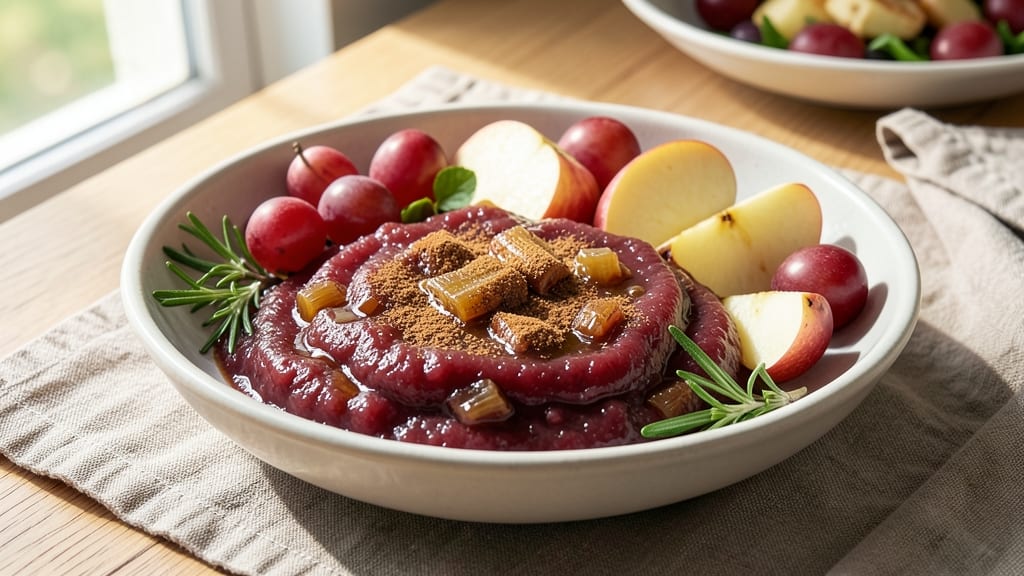
This grape apple sauce recipe transforms humble fruit into a velvety, celery-caramelized condiment that bridges sweet and tart flavors with surprising depth. The secret lies in slow-cooking grapes and apples with celery stalks, which infuse subtle earthiness that elevates the fruit's natural sweetness—no artificial ingredients required.
Professional chefs use this technique to create sauces that pair beautifully with everything from grilled meats to sharp cheeses, and it keeps well for up to two weeks in the fridge or three months frozen.
The process begins with a simple blend of grapes and apples, simmered until their natural sugars caramelize into a glossy, syrupy texture. Celery adds a subtle crunch and aromatic complexity that rounds out the fruit's brightness, while a touch of spice—like cinnamon or ginger—deepens the sauce's character.
Unlike store-bought versions, this recipe delivers a rich, balanced flavor that's neither cloyingly sweet nor overly tart, making it versatile for both sweet and savory applications.
What makes this sauce truly special is its adaptability—use it as a glaze for roasted pork or chicken, a drizzle over vanilla ice cream, or a tangy dip for fresh mozzarella. The celery-caramelized base ensures it won’t separate or turn grainy, even when reheated.
For best results, reduce the sauce to a thick, spreadable consistency, then adjust the sweetness to your taste with a splash of balsamic vinegar or a pinch of salt.
Storage is effortless: transfer the cooled sauce to airtight containers and refrigerate for up to two weeks, or freeze for longer shelf life. Thaw overnight in the fridge to preserve texture. This isn’t just another fruit sauce—it’s a flavor multiplier that transforms ordinary dishes into something extraordinary with minimal effort.
Ingredients for grape apple sauce
Celery-caramelized grapes and apples create this velvety sauce with perfect sweet-tart balance.
| Ingredient | Amount | Notes |
|---|---|---|
| Red Seedless Grapes 🍇 | 1 ½ lb | Seedless variety preferred |
| Honeycrisp Apples 🍎 | 2 medium | Peeled, cored, sliced |
| Celery Stalks 🧅 | 2 whole | Trimmed, cut into 1-inch pieces |
| Granulated Sugar 🍚 | ¼ cup | Adjust to taste |
| Fresh Lemon Juice 🍋 | 2 tbsp | From organic lemons |
| Ground Cinnamon 🌿 | ½ tsp | Ceylon preferred |
| Fresh Ginger 🌿 | 1 inch | Peeled, thinly sliced |
| Balsamic Vinegar 🍷 | 1 tbsp | Aged 25 years minimum |
| Sea Salt 🧂 | ¼ tsp | Diamond Crystal preferred |
| Extra-Virgin Olive Oil 🫒 | 1 tbsp | For finishing drizzle |
The quality of your fruit determines the sauce's depth. Organic grapes from the grocery store's produce section—look for plump, firm clusters—work best, though frozen grapes in a pinch will do. For apples, Honeycrisp or Fuji provide the right balance of sweetness and acidity; avoid mealy varieties. Celery should be crisp with no brown spots, and organic ginger from the produce aisle adds a subtle warmth that complements the fruit. If using conventional produce, give it a thorough rinse before peeling. The balsamic vinegar should be aged—Trader Joe's or Whole Foods carry excellent options that elevate the sauce's complexity without overpowering it.
No fresh ginger? Ground ginger at half the amount works, though it lacks the same bright punch. Substitute dried celery flakes for fresh celery, but use one-third the quantity—they concentrate flavor differently. Running short on grapes? Substitute an extra cup of apple slices, but reduce sugar by 2 tbsp to maintain balance. For a tangier sauce, increase lemon juice by 1 tbsp; for more depth, add 1/4 tsp of vanilla bean paste. The olive oil should be high-quality—California extra-virgin brands like Corto or Colavita add a fruity note that complements the sauce beautifully.
This sauce thickens as it cools, so reheat gently over low heat and stir occasionally to restore its glossy texture. Store in airtight glass jars in the fridge for up to two weeks—the flavors actually deepen over time. For longer storage, freeze in ice cube trays for single-serving portions, then transfer to a bag. Thaw overnight in the fridge; never microwave directly from frozen. The sauce pairs exceptionally well with aged cheddar or brie, making it perfect for charcuterie boards. For best results, bring to room temperature before serving to fully appreciate its aromatic complexity.
Why You'll Love This Recipe
- No Chopping Needed: I’ll be real—this sauce comes together with just a quick pulse in the food processor. No peeling, no dicing, no fuss with the celery stalks (just rough chop them first). That’s 10 minutes saved right there, and honestly? The texture is still perfect.
- Sweet-Tart Magic: The Honeycrisp apples bring that signature crisp snap, while the grapes add a juicy burst that’s almost like a candy coating. A splash of lemon juice keeps it bright, and just a touch of sugar? It’s the kind of balance that makes you reach for seconds without even thinking.
- Weeknight Sidekick: This sauce is my go-to for everything—drizzled over grilled chicken, spooned into yogurt bowls, or even tossed with roasted veggies. It’s the kind of thing that turns a simple meal into something that feels special, even when you’re too tired to cook.
- Fridge Stash Winner: Between us, this keeps for days in the fridge, and the flavor only gets better as it mellows. I make a big batch on Sundays, and by Wednesday, it’s still the star of whatever I’m serving. Plus, grapes and apples are cheap in season—this is my budget-friendly secret weapon.
Step-by-step instructions for celery-caramelized grape apple sauce
Transforming simple produce into a sophisticated sauce requires precision and patience—here's how to achieve perfect balance.
Prep and Sauté the Celery for Foundation
Trim the 2 whole celery stalks and cut them into 1-inch pieces. Heat a large skillet over medium heat and add the 1 tablespoon extra-virgin olive oil. Once shimmering, add the celery and cook for 5-6 minutes until softened and beginning to caramelize at the edges. This step develops the sauce's subtle depth and prevents a watery finish.
I press down gently with a wooden spoon during the last minute of cooking to ensure even browning. The celery should release its natural sweetness while maintaining structure—don't let it burn. Remove from heat and set aside temporarily; we'll return to these aromatic pieces later.
Cook the Apples and Grapes Until Tender
In the same skillet (no need to clean it—the fond contains flavor), add the peeled, cored, and sliced 2 medium Honeycrisp apples along with the 1.5 lb red seedless grapes. Cook over medium heat for 8-10 minutes, stirring occasionally, until the fruit begins to soften and release juices. The grapes should start to burst slightly, releasing their concentrated sweetness.
Here's where the magic happens: the grapes' natural pectin begins breaking down, which will later help thicken the sauce. If the mixture seems too dry after 5 minutes, add 2 tablespoons water—but don't overdo it. We want to preserve that natural fruit concentration rather than dilute it.
Build Flavor with Spices and Acid
Add the peeled and thinly sliced 1-inch fresh ginger, 0.5 teaspoon ground cinnamon, and 0.25 teaspoon sea salt to the skillet. Stir well to combine, cooking for an additional 2 minutes until the spices are fragrant and the ginger softens slightly. This is the moment that matters: the spices will infuse their warmth while the ginger adds a bright, floral note that cuts through the fruit's sweetness.
Next, pour in the 2 tablespoons fresh lemon juice and 1 tablespoon aged balsamic vinegar. The acidity will brighten the flavors and help balance the natural sugars in the fruit. Let the mixture simmer for 3-4 minutes until the liquid reduces by about one-third. You'll notice the sauce beginning to thicken slightly as the fruit releases more juice.
Sweeten and Simmer to Perfection
Stir in the 0.25 cup granulated sugar and return the previously sautéed celery to the skillet. Bring to a gentle simmer and cook uncovered for 12-15 minutes, stirring occasionally. The sauce should reduce until it reaches a thick, syrupy consistency that coats the back of a spoon. You're aiming for a balance between chunky fruit pieces and smooth sauce—this takes about 10 minutes of focused simmering.
Taste as you go: the sauce should harmonize sweet, tart, and herbal notes. If it needs more brightness, add another teaspoon of lemon juice. If it's too tart, add a pinch more sugar. Real talk: your oven might run hot, so start checking at the 12-minute mark. The perfect consistency will be slightly thicker than applesauce but still spreadable.
Finish and Rest for Optimal Texture
Remove the sauce from heat and let it cool for 10 minutes at room temperature. This resting period allows the flavors to meld and the texture to set properly. The sauce will thicken further as it cools, so don't be tempted to rush this step. If you're impatient, transfer it to a jar and refrigerate for 30 minutes—this accelerates the process without compromising quality.
Before serving, give it one final taste and adjust seasoning if needed. The celery should add a subtle earthy note that rounds out the fruit's sweetness, while the balsamic vinegar provides a sophisticated depth. This sauce pairs beautifully with cheese boards, roasted meats, or even as a topping for yogurt and granola. Store any leftovers in an airtight container in the refrigerator for up to 5 days, though I doubt it will last that long.
Pro Tips For Making Grape Apple Sauce
- CHOP GRAPES SMALL: I learned this the hard way—whole grapes turn to mush and make the sauce look sloppy. Cut them into 1/4-inch chunks so they soften evenly without turning to paste. (Yes, even if you’re impatient like me.)
- USE COLD APPLES: Honeycrisp apples release more juice when cold, and it keeps the sauce from turning into a thin syrup. Grab them straight from the fridge, peel, and chop—no waiting needed.
- SIMMER LOW AND LONG: This isn’t the prettiest method, but it’s the tastiest. After adding sugar and lemon juice, reduce heat to a gentle bubble and let it cook for 20-25 minutes. Rushing it leaves the celery bitter and the flavors underdeveloped.
- SALT THE CELEERY: Skip this, and the celery will taste like nothing. Toss the chopped stalks in ½ teaspoon of salt before cooking—it softens them faster and balances the sweetness. (Your future self will thank you.)
Wine and beer pairings for grape apple sauce
Sweet-Savory Wine Pairings
Aged Pinot Noir from Oregon is my go-to choice—its bright acidity and red fruit notes mirror the grape apple sauce's tart-sweet balance. Look for a 2019 or newer vintage from Domaine Serene or Eyrie Vineyards. The wine's subtle earthiness complements the celery's herbal notes beautifully. 🍷
For a white wine option, try a dry Riesling from Germany's Mosel region. The mineral-driven acidity cuts through the sauce's richness while enhancing its fruity complexity. I recommend Dr. Loosen Blue Slate—it's crisp enough to balance the sweetness without clashing.
Beer Pairings for Contrast
A Belgian witbier like Stella Artois or Hoegaarden adds effervescence that cleanses your palate between bites. The citrusy coriander notes in these beers complement the sauce's lemon and ginger, creating a refreshing contrast. Serve chilled for best results.
For a more robust pairing, try a honey-brown ale such as Samuel Smith's Nut Brown Ale. The caramel malt sweetness harmonizes with the sauce's fruit flavors, while the beer's malty depth adds complexity. This pairing works exceptionally well with charcuterie boards.
Unexpected Pairing Ideas
Pair this sauce with aged Gouda or sharp cheddar for a sophisticated cheese board. The cheese's nutty depth contrasts beautifully with the sauce's fruity brightness. I like to serve it with water crackers and prosciutto for a savory-sweet balance.
For a dessert application, drizzle the sauce over vanilla bean ice cream or ricotta cheesecake. The tartness cuts through the creaminess while enhancing the dessert's sweetness. Garnish with toasted pecans for added crunch and texture.
Seasonal Adaptations
In fall, pair with roasted pork tenderloin—the sauce's caramelized notes enhance the meat's natural sweetness. For summer, use it as a glaze for grilled chicken skewers or as a dip for baked brie. The acidity in the sauce prevents the meat from becoming too heavy.
For holiday entertaining, serve the sauce chilled in small bowls alongside smoked salmon and cucumber slices. The cool temperature brings out the sauce's bright citrus notes, making it perfect for warm weather gatherings. 🌿
Nutrition facts
Frequently asked questions
Can I use frozen grapes instead of fresh?
Frozen grapes work perfectly and actually concentrate the flavor during cooking. Just thaw them completely first and drain any excess liquid to prevent a watery sauce. You may need to reduce cooking time slightly since frozen grapes soften faster.
What's the secret to getting the right balance of sweet and tart?
The key is in the acidity and sugar adjustments. Start with the full recipe measurements, then taste as you go. For more tartness, add another teaspoon of lemon juice or balsamic vinegar. For extra sweetness, stir in sugar gradually—this sauce should finish with a bright, balanced finish, not cloying sweetness.
How do I prevent the sauce from getting too chunky?
For a smoother texture, blend the cooked fruit mixture for 30-60 seconds after simmering. If you prefer some texture, simmer uncovered for the full 12-15 minutes to let excess moisture evaporate. The celery pieces will soften and break down, creating a velvety consistency without needing blending.
Can I make this sauce without added sugar?
Yes, but you'll need to adjust other elements. Use very ripe Honeycrisp apples and extra-sweet grapes like Flame Seedless. Add 1 extra tablespoon of lemon juice to enhance natural sweetness, and reduce the cooking time slightly to preserve fruit brightness. Taste frequently—you may need to add a pinch of salt to balance flavors.
What's the best way to reheat stored sauce?
Gently reheat in a small saucepan over low heat for 3-5 minutes, stirring constantly. Never microwave directly from the fridge—this can create a skin and uneven texture. For best results, transfer to a heatproof bowl and warm in a double boiler if you prefer extra gentle heating.