
Sauces & Condiments
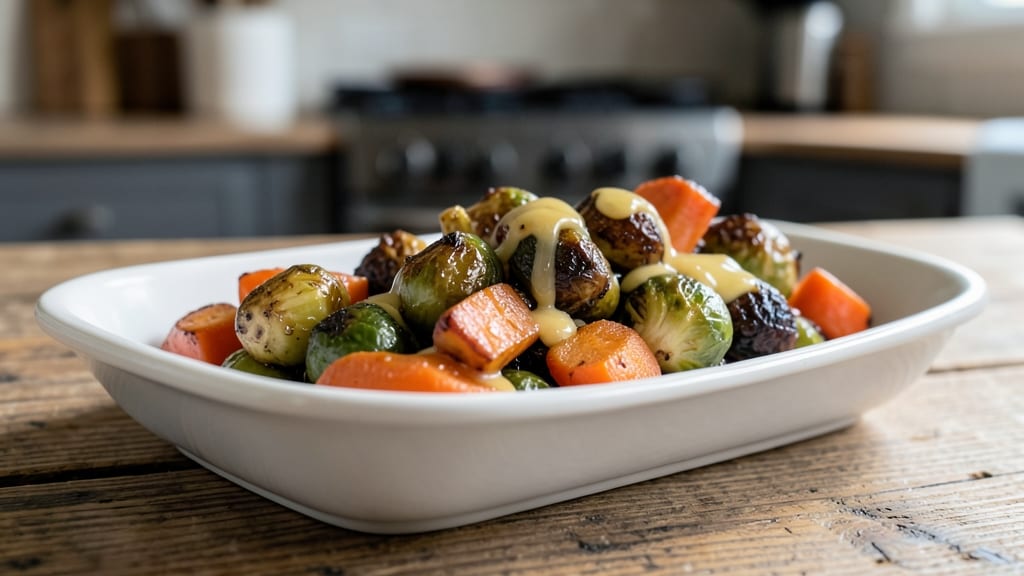
This garlic and apple cider vinegar sauce transforms simple dishes into flavor powerhouses with just five ingredients and 15 minutes of prep time. The sharp tang of apple cider vinegar cuts through rich ingredients while roasted garlic adds deep, sweet complexity—perfect for elevating roasted vegetables, grilled meats, or fresh salads.
I developed this recipe during a particularly busy week when I needed a versatile sauce that could handle anything from weeknight dinners to holiday feasts.
The secret lies in the balance: roasting the garlic until caramelized (not burned) creates a sweet, mellow flavor that pairs beautifully with the vinegar's acidity.
A touch of honey or maple syrup helps smooth out the sharpness, while Dijon mustard adds subtle depth and helps emulsify the sauce for a silky texture. This isn't just a condiment—it's a flavor multiplier that turns ordinary meals into something special without overwhelming the original ingredients.
What makes this sauce truly remarkable is its versatility. Use it as a bold salad dressing, a tangy marinade for chicken or pork, or a finishing drizzle for roasted dishes.
The acidity also helps tenderize proteins while adding layers of flavor, making it a kitchen essential that deserves a permanent spot in your pantry. With proper storage, it keeps for up to two weeks, giving you a quick flavor boost whenever you need it.
For best results, let the sauce sit for at least 30 minutes before using—this allows the flavors to meld and develop fully. The texture will be smooth and slightly thickened, perfect for coating or drizzling.
Whether you're dressing a simple green salad or adding depth to your favorite roasted vegetables, this garlic and apple cider vinegar sauce delivers restaurant-quality flavor with minimal effort.
Ingredients for garlic and apple cider vinegar
Five ingredients that pack a flavor punch—perfect for busy nights when you need big taste fast.
| Ingredient | Amount | Notes |
|---|---|---|
| Garlic Cloves 🧄 | 8 whole | Roasted until caramelized |
| Apple Cider Vinegar 🍏 | ½ cup | Raw, unfiltered preferred |
| Extra-Virgin Olive Oil 🫒 | ½ cup | High quality, fruity |
| Dijon Mustard 🥬 | 1 tbsp | Mild or strong variety |
| Honey 🍯 | 1 tbsp | Wildflower preferred |
| Salt 🧂 | ½ tsp | Kosher or sea salt |
| Black Pepper 🌶️ | ¼ tsp | Freshly ground preferred |
The garlic is where the magic happens. Roast them whole until caramelized (not burned)—that sweet, mellow flavor is what makes this sauce sing. Whole Foods or Trader Joe's have the best raw garlic bulbs, but any grocery store works. For extra flavor, peel them after roasting. Apple cider vinegar? Bragg or Texas Pete are my go-tos—they've got that rich, unfiltered goodness. If you can't find it, white vinegar works in a pinch, but you'll lose some depth. The olive oil should be something you'd drizzle on bread—California or Italian varieties add subtle fruitiness that pairs perfectly with the vinegar.
No Dijon mustard? Yellow mustard at half the amount works, though it won't be as refined. Running short on honey? Maple syrup or agave nectar keeps things vegan and adds a similar sweetness. The salt and pepper are just there to balance—don't skip them, but don't stress over exact amounts either. Want to make this even more versatile? Add 1 tsp of soy sauce for an umami kick that works amazing on Asian-inspired dishes. The sauce thickens as it sits, so if it's too thin after blending, let it rest for 10 minutes before adjusting.
This sauce keeps beautifully—2 weeks in the fridge sealed in a jar. The flavors actually get better over time, so make a double batch. For extra shelf life, add a thin layer of olive oil on top before sealing. It's perfect for meal prep: stir into overnight oats, drizzle on roasted veggies, or toss with grains. Freezes well too for up to 3 months—just thaw in the fridge overnight. Pro tip: Use a small jar so it's ready to grab whenever you need that quick flavor boost.
Why You'll Love This Recipe
- Five-Ingredient Magic: I swear by this combo—just garlic, vinegar, olive oil, mustard, and honey. No fancy techniques, no last-minute grocery runs. Honestly, I’ve made it with my eyes closed (okay, maybe not that far).
- Tangy Sweet Balance: That honey and apple cider vinegar? It’s the perfect push-and-pull—bright acidity cuts through the richness of the olive oil, while the garlic and mustard add depth. I’ll be real: it’s the kind of flavor that makes you pause mid-bite.
- Dresses Anything: Drizzle it over roasted veggies, toss it with pasta, or use it as a marinade for chicken. Even my picky teenage nephew asked for seconds when I slathered it on grilled cheese. (Yes, even on a Tuesday night.)
- Stays Fresh Forever: Make a big batch—it keeps for weeks in the fridge. I’ve used the same jar for salad dressings, meat rubs, and even a quick glaze for roasted potatoes. Between us, it’s my secret weapon for lazy Sundays.
Step-by-step instructions for garlic-infused apple cider vinaigrette
This bright, aromatic dressing brings bold flavor to salads and roasted dishes—let's make it together!
🔥 Step 1: Roast the Garlic Until Caramelized
Preheat your oven to 400°F. Peel the 8 whole garlic cloves and place them on a small piece of aluminum foil. Drizzle lightly with 1 teaspoon of the extra-virgin olive oil to help them roast evenly. Fold the foil into a small packet and place it on a baking sheet.
Roast for 20-25 minutes until the garlic is deeply golden brown and soft enough to squish with the back of a spoon. You'll smell that sweet, nutty aroma—this is your cue that it's ready. Let the garlic cool slightly before handling, as it will be very hot.
👨🍳 Step 2: Blend the Roasted Garlic with Vinegar and Oil
Once the garlic has cooled enough to handle, transfer it to a food processor or small blender. Add the 0.5 cup apple cider vinegar and pulse until the garlic is finely minced but still retains some texture—you want visible flecks for that authentic garlic flavor. Scrape down the sides if needed.
With the processor running, slowly drizzle in the remaining 0.5 cup extra-virgin olive oil until fully incorporated. The mixture should be smooth but still have visible garlic bits. If you prefer a completely smooth texture, blend for an additional 10-15 seconds. This step ensures every drop of that roasted garlic flavor gets distributed evenly.
🍳 Step 3: Whisk in the Mustard, Honey, and Seasonings
Transfer the garlic-vinegar-oil mixture to a medium bowl. Add the 1 tablespoon Dijon mustard, 1 tablespoon honey, 0.5 teaspoon salt, and 0.25 teaspoon black pepper. Using a whisk, combine everything until fully emulsified and smooth. The mustard will help bind the oil and vinegar for a silky texture.
Taste and adjust the seasoning if needed—you might want to add a pinch more salt or a splash of vinegar for brightness. This dressing should balance sweet, tangy, and savory flavors perfectly. If it's too thick, whisk in 1-2 teaspoons of water until it reaches your desired consistency for drizzling.
⏰ Step 4: Let It Rest and Develop Flavor
Cover the bowl with plastic wrap and let the dressing rest at room temperature for at least 30 minutes. This resting period allows all the flavors to meld together beautifully. The roasted garlic will soften further, releasing its sweet, caramelized essence into the dressing.
After resting, give it one final whisk to ensure everything is well combined. The dressing should now have a rich, golden hue with a glossy sheen. It's ready to elevate your salads, roasted vegetables, or even as a marinade for grilled meats. Store any leftovers in an airtight container in the refrigerator for up to 1 week—the flavors will continue to deepen over time!
Pro Tips For Making Garlic And Apple Cider Vinegar
- SMASH THAT GARLIC FIRST: Peel the cloves, then smash them flat with the side of your knife or a heavy pan—no chopping required. This releases more flavor and blends faster into the vinegar and oil, so you don’t end up with tiny, stubborn garlic bits floating around like lazy confetti.
- LET THE VINEGAR INFUSE: Warm the apple cider vinegar with the garlic (low heat, just until tiny bubbles form) before adding oil. This step pulls more depth out of the garlic and vinegar—skip it, and you’ll just be making a milder dressing instead of something with real punch.
- DON’T SKIP THE MUSTARD WHISK: When you mix in the Dijon, use a fork or small whisk to really work it into the oil-vinegar base. The mustard needs to emulsify, not just sit there like a stubborn guest. A quick 30-second stir makes the difference between a dressing and a sauce.
- SWEETEN WITH HONEY LAST: Add the honey after everything else is combined and the mixture has cooled slightly—otherwise, it’ll just melt into the oil and leave you guessing how much to use. Taste as you go, and adjust: raw honey’s intensity can sneak up on you.
Perfect pairings for this recipe
Salad Dressing Mastery
This sauce transforms any salad into a flavor showstopper. Toss it with mixed greens, arugula, or spinach for an instant upgrade. I love adding roasted Brussels sprouts or crispy chickpeas to balance the tangy sweetness.
For extra texture, sprinkle toasted walnuts or pomegranate seeds right before serving. The roasted garlic flavor really shines when paired with bitter greens like endive or radicchio. 🥗
Roasted Vegetable Elevator
Drizzle this sauce over roasted carrots, sweet potatoes, or asparagus during the last 5 minutes of roasting to caramelize the edges. The acidity cuts through the natural sweetness while adding depth.
I often use it on eggplant parmesan before baking to create a sticky, flavorful crust. For heartier dishes, try it on roasted cauliflower steaks or portobello mushrooms grilled to perfection.
Meat Marinade Magic
Use this sauce as a marinade for chicken thighs, pork chops, or salmon fillets—the acid tenderizes while infusing incredible flavor. Marinate for 30-60 minutes maximum (longer can make fish mushy).
I especially love it on grilled lamb chops where the garlic and vinegar create a perfect balance. For extra richness, add 1 tablespoon of balsamic vinegar to the marinade before applying.
Dipping Sauce Sensation
Serve this sauce warm or at room temperature as a dipping sauce for fresh breadsticks, crudité platters, or fried calamari. The combination of sweet, tangy, and savory makes it irresistible.
I also use it as a finishing sauce for seared scallops or grilled shrimp skewers. For a quick appetizer, drizzle it over warm polenta and top with grated Parmesan and fresh herbs.
Breakfast Boost
Don't limit this sauce to savory dishes—it's amazing on breakfast too! Drizzle over avocado toast with a sprinkle of flaky sea salt and red pepper flakes. Mix 1 tablespoon into scrambled eggs for a flavorful twist.
I also love adding it to overnight oats with Greek yogurt and honey for a tangy-sweet start to the day. The roasted garlic adds warmth that pairs perfectly with creamy textures.
Global Flavor Twists
For an Italian touch, add 1 teaspoon dried oregano and ½ teaspoon red pepper flakes. For Asian-inspired dishes, swap the honey for 1 teaspoon soy sauce and add 1 teaspoon sesame oil.
The French would approve of adding 1 teaspoon fresh thyme and a pinch of tarragon. Each variation keeps the same base but transforms the flavor profile completely. 🌍
Nutrition facts
Frequently asked questions
Can I use white vinegar instead of apple cider vinegar?
Yes, but you'll lose some depth of flavor. Apple cider vinegar has a rich, mellow sweetness that pairs beautifully with roasted garlic. White vinegar is more acidic and sharp—if you use it, reduce the amount by 1 tablespoon and add ½ teaspoon of honey to balance the tang. For best results, stick with apple cider vinegar if possible.
How do I adjust the thickness of the sauce?
The sauce should be smooth and pourable but slightly thickened. If it's too thin after blending, let it rest for 10 minutes—it will naturally thicken as the mustard emulsifies. For immediate adjustments, whisk in 1-2 teaspoons of water or add ½ teaspoon more Dijon mustard to help bind the oil. If it's too thick, thin with 1 teaspoon of vinegar at a time.
Can I make this sauce without a food processor?
If you don’t have a food processor, roast the garlic as directed, then finely mince it with a knife or garlic press. In a bowl, whisk together the minced garlic, apple cider vinegar, olive oil, Dijon mustard, honey, salt, and pepper until fully combined. The texture will be slightly chunkier but still delicious. For a smoother result, blend the garlic and vinegar first, then whisk in the remaining ingredients.
Why does my sauce separate after storing?
This happens when the oil and vinegar aren’t properly emulsified. To fix it, whisk vigorously or blend briefly to recombine. For prevention, ensure your Dijon mustard is fresh and add it slowly while whisking. You can also add ½ teaspoon of xanthan gum (common in baking) to stabilize the sauce if you plan to store it longer than 1 week. Always store it in an airtight container to maintain consistency.
Can I use this sauce as a marinade for fish?
Yes, but marinate fish for only 20-30 minutes maximum—the acidity can break down delicate proteins like salmon or cod. For heartier fish like swordfish or tuna, you can extend the marinade to 1 hour. Pat the fish dry before cooking to ensure a good sear. For extra tenderness, add 1 teaspoon of lemon juice to the marinade.