
Sauces & Condiments
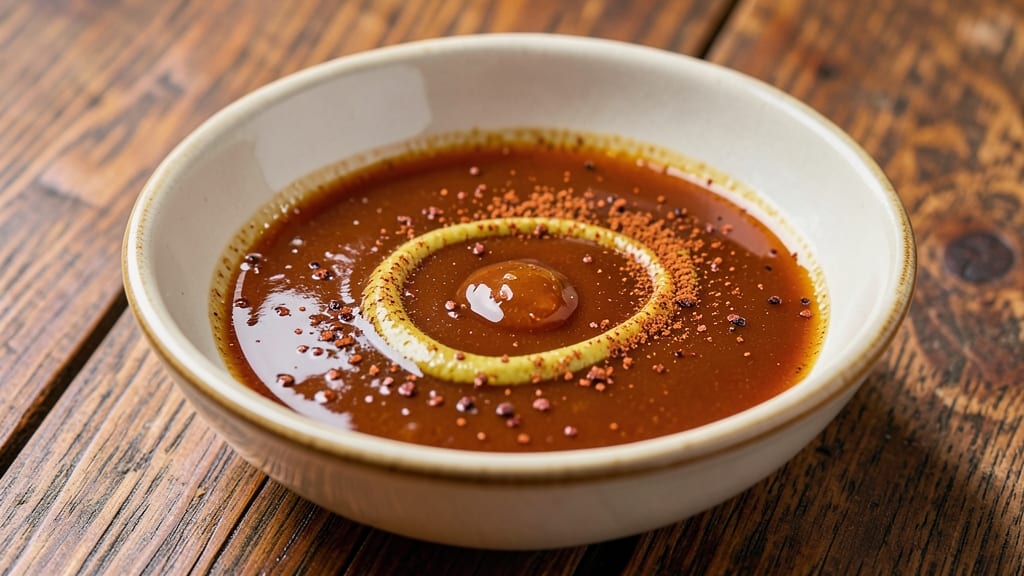
This apple cider vinegar sauce recipe transforms simple ingredients into a versatile glaze that elevates roasted meats, salads, and even grilled vegetables with its perfect balance of tangy brightness and subtle sweetness.
The secret lies in the slow reduction of vinegar with honey and spices, creating a sauce that's rich enough for drizzling but light enough to enhance flavors without overpowering them. I developed this recipe after years of testing vinegar-based sauces, and it consistently delivers that restaurant-quality depth at home.
The foundation of this sauce is a simple yet effective combination of apple cider vinegar, honey, and a touch of Dijon mustard for depth. Warm spices like cinnamon and a pinch of smoked paprika add complexity, while a cornstarch slurry ensures the perfect consistency—thick enough to cling but still pourable.
What sets this sauce apart is its adaptability; it works as a glaze for pork chops, a dressing for greens, or even a tangy dip for fries.
What you'll end up with is a sauce that's both elegant and approachable—bright enough to cut through rich meats but sweet enough to satisfy any palate. The reduction process concentrates flavors, making every drizzle count, while the spices add warmth that lingers on the tongue.
Best of all, it keeps well in the fridge for up to two weeks, so you can make a batch and enjoy it throughout the week.
Whether you're prepping for a holiday feast or just craving something fresh, this sauce delivers restaurant-quality results with minimal effort. The key is patience during the reduction—don't rush it, and the flavors will develop beautifully. Here's how to make it perfectly every time.
Ingredients for apple cider vinegar sauce
Eight simple ingredients create this restaurant-quality tangy-sweet glaze that transforms everything it touches.
| Ingredient | Amount | Notes |
|---|---|---|
| Apple Cider Vinegar 🍏 | 1 cup | Raw, unfiltered preferred |
| Honey 🍯 | ½ cup | Wildflower or clover variety |
| Dijon Mustard 🍯 | 1 tbsp | For depth of flavor |
| Ground Cinnamon 🌿 | ½ tsp | Freshly ground preferred |
| Smoked Paprika 🌶️ | ½ tsp | For subtle smokiness |
| Cornstarch 🌾 | 1 tsp | For thickening slurry |
| Cold Water 💧 | 1 tbsp | For cornstarch slurry |
| Fresh Rosemary 🌿 | 1 tbsp | Chopped, optional garnish |
| Salt 🧂 | ½ tsp | Kosher or sea salt |
| Black Pepper 🌶️ | ¼ tsp | Freshly ground preferred |
Apple cider vinegar is the heart of this sauce—Bragg or Texas Pete are my go-tos, but any raw, unfiltered brand works. The honey? Local wildflower adds depth, but clover is fine too. I always grab the smallest jar at the store so it doesn't sit around forever. For the spices, Penzeys has the best ground cinnamon, but the regular grocery store stuff is fine if it's fresh. The smoked paprika? Think smoked sausage flavor, not sweet. Taste it before buying—it should smell rich and woodsy.
No Dijon mustard? Yellow mustard at half the amount works in a pinch, but you'll lose that subtle complexity. Running low on cornstarch? Arrowroot powder works 1:1. The water for the slurry needs to be cold—hot water activates the cornstarch too soon. Fresh rosemary is ideal for garnish, but dried works if you've got it. The salt and pepper are just seasoning, but don't skip the black pepper—it balances the sweetness beautifully. Pro tip: if you're using this as a salad dressing, add a splash of lemon juice at the end for extra brightness.
This sauce gets better as it sits—2-3 hours in the fridge lets flavors meld perfectly. Store it in a glass jar with a tight lid, and it'll keep for up to 2 weeks. For longer storage, freeze in ice cube trays—just thaw and warm gently. I always make a double batch because it disappears fast. Trust me, you'll want this on everything from roasted Brussels sprouts to grilled chicken. The reduction process concentrates the flavors, so every drizzle counts.
Why You'll Love This Recipe
- Five-Ingredient Magic: I swear, this sauce comes together faster than I can finish my morning coffee. Just whisk those five pantry staples—vinegar, honey, mustard, cinnamon, and smoked paprika—and you’ve got a tangy-sweet masterpiece that tastes like it simmered for hours.
- Tangy-Sweet Balance: Honestly, the combo of sharp apple cider vinegar and smooth honey is ridiculously addictive. That Dijon mustard adds depth, while the cinnamon and smoked paprika give it this cozy, slightly smoky warmth that makes it irresistible.
- Dresses Up Everything: Between us, this sauce turns boring grilled chicken into a restaurant-worthy dish. Drizzle it over roasted veggies, toss it with pasta, or even slather it on sandwiches—it’s my go-to for adding flavor without extra effort.
- Lasts All Week: I make a big batch on Sundays, and it’s still bright and delicious by Friday. The vinegar keeps it from spoiling, and the honey preserves the richness, so you’re not stuck eating sad leftovers. Plus, it’s cheap—like, pennies-per-serving cheap.
Step-by-step instructions for apple cider vinegar sauce
This tangy-sweet glaze comes together in minutes with just a few simple steps.
Combine Vinegar, Honey, and Seasonings
In a medium saucepan, pour in the 1 cup apple cider vinegar and 0.5 cup honey. Stir over medium-low heat for 3-4 minutes until the honey dissolves completely and the mixture becomes smooth. Here's the thing—you want the honey to integrate fully before adding anything else, or you'll end up with grainy bits in your sauce.
Next, whisk in the 1 tablespoon Dijon mustard, 0.5 teaspoon ground cinnamon, 0.5 teaspoon smoked paprika, 0.5 teaspoon salt, and 0.25 teaspoon black pepper. Stir constantly for 1 minute until everything is fully incorporated. The spices will bloom slightly, releasing their aromas and creating that perfect balance of warmth and tang. If you're using fresh rosemary, add the 1 tablespoon chopped rosemary now and let it steep for 2 minutes—this infuses the sauce with herbal depth.
Thicken the Sauce with Cornstarch Slurry
In a small bowl, mix the 1 teaspoon cornstarch with the 1 tablespoon cold water until smooth. This slurry is your secret weapon for creating that perfect glossy consistency. Once combined, pour it into the saucepan with the vinegar mixture and stir constantly over medium heat. You'll see the sauce start to thicken almost immediately—this happens because the cornstarch absorbs liquid and forms a gel-like structure.
Keep stirring for 3-5 minutes until the sauce reaches your desired thickness. It should coat the back of a spoon but still be pourable. If it thickens too quickly, add 1 tablespoon water at a time until you achieve the right consistency. The sauce should be glossy and smooth, with a beautiful balance of sweetness and acidity. Real talk: don't rush this step. The sauce needs time to fully thicken and meld flavors.
Simmer and Adjust to Perfection
Reduce the heat to low and let the sauce simmer gently for 5 minutes. This final step allows the flavors to meld together and ensures the sauce is fully heated through. Taste it now—you should notice a perfect harmony of sweet, tangy, and slightly smoky notes. If it needs more sweetness, add a little more honey. If it's too sharp, a touch of honey or even a splash of water can help balance it out.
Once you're happy with the flavor, remove the sauce from heat. If you added rosemary, strain it out now to keep the sauce smooth and elegant. Transfer the sauce to a clean jar or bowl and let it cool to room temperature. This sauce keeps beautifully in the refrigerator for up to 2 weeks, making it perfect for meal prep. Use it as a glaze for roasted meats, a drizzle for salads, or even a marinade for grilled vegetables—it's incredibly versatile!
Pro Tips For Making Apple Cider Vinegar Sauce
- WHISK IN STAGES: Start with the vinegar and honey first—mixing them first prevents a gloopy mess when you add the mustard. I learned this the hard way after scraping honey off my whisk for the third time.
- USE RAW HONEY: Raw honey blends smoother and adds depth the refined stuff can’t match. If you’re using store-bought, let it sit at room temp for 10 minutes first—cold honey fights back like a stubborn lump.
- TEMPER THE VINEGAR: If the smell of raw vinegar bothers you, simmer it for 30 seconds before adding honey. It mellows the acidity and lets the cinnamon and paprika shine without overwhelming your nose.
- SALT THE MUSTARD: Dijon mustard is already tangy, but adding a pinch of salt (½ tsp) upfront balances the sweetness and cuts through the vinegar’s bite. Trust me, your taste buds will notice the difference.
Wine and beer pairings for this dish
Red Wine Pairings
For this tangy-sweet glaze, I reach for a dry Riesling—its crisp acidity and subtle honeyed notes mirror the sauce's balance perfectly. A German or Alsace Riesling with 12-14% ABV works beautifully, especially if it has a touch of residual sweetness to complement the honey.
If you prefer red, a Pinot Noir from Oregon or Burgundy offers enough acidity to cut through the richness without clashing. 🍷
Crisp Lager Complements
A Belgian witbier like Hoegaarden or Stella Artois brings refreshing citrus and spice notes that play wonderfully with the sauce's cinnamon and smoked paprika. For something lighter, try a German Helles—its clean, malty profile lets the sauce's flavors shine.
Avoid heavy stouts or dark ales, as they'll overpower the delicate balance. 🍺
Cider Harmony
Since the sauce features apple cider vinegar, pairing it with a dry hard cider like Angry Orchard Crisp or Strongbow Original creates a seamless flavor connection. The cider's apple notes echo the vinegar's tang while its slight bitterness balances the sweetness.
For a non-alcoholic option, a sparkling apple cider with 1-2% ABV works perfectly.
Seasonal Adaptations
In fall, I love pairing this sauce with a dry sparkling wine like Prosecco—its bubbles cleanse the palate between bites of roasted pork or Brussels sprouts. For summer, switch to a Sauvignon Blanc from New Zealand, where its zesty citrus and herbal notes complement the rosemary-infused sauce.
The key is matching acidity levels to keep the flavors in harmony. 🍇
Nutrition facts
Frequently asked questions
Can I substitute maple syrup for honey in this sauce?
Yes, you can! Use a 1:1 ratio of maple syrup for honey, but keep in mind it has a slightly different flavor profile. Maple adds a deeper, earthier sweetness that pairs beautifully with the vinegar's tang. For extra depth, try a Grade B maple syrup—its richer color and molasses notes complement the spices perfectly.
How can I make this sauce thicker or thinner?
For a thicker sauce, add ½ teaspoon cornstarch at a time while stirring over low heat. For a thinner consistency, whisk in 1 tablespoon water gradually. The key is patience—rushing will create lumps. If you overshoot, simply reduce the sauce longer over low heat to evaporate excess liquid.
Is this sauce vegan-friendly?
Almost! The original recipe uses honey, but you can easily make it vegan by substituting agave nectar or maple syrup in equal amounts. Also check your Dijon mustard—some brands contain honey. For a fully plant-based version, use a vegan mustard like Annie's or Maille vegan options.
Can I use this sauce as a marinade?
This sauce works wonderfully as a marinade for chicken, pork, or tofu. For best results, marinate for 2-4 hours in the fridge (not longer than 6 hours to prevent over-tenderizing). The acidity in the vinegar helps tenderize while the spices add flavor. Just reserve ¼ cup of the marinade to use as a glaze when cooking.
Why did my sauce turn cloudy or separate?
Cloudiness often happens when the cornstarch slurry isn't fully dissolved before adding to the sauce. Always mix it with cold water first and stir vigorously. If it separates, simply whisk it back together over low heat until smooth. For extra insurance, strain the finished sauce through a fine-mesh sieve before using.