
Sauces & Condiments
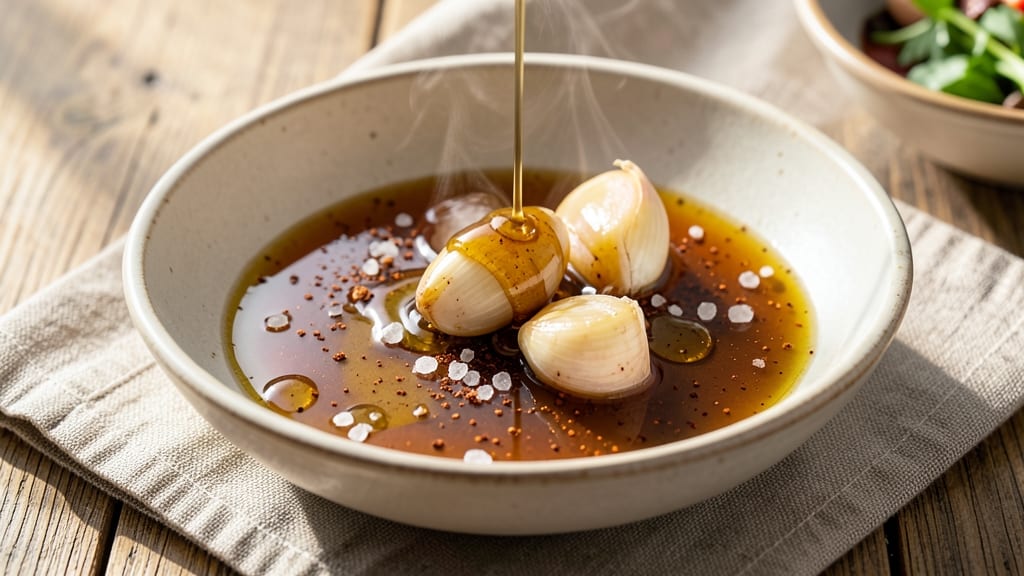
This apple cider vinegar, garlic, and honey recipe transforms ordinary dishes into something extraordinary with just five ingredients. The tangy-sweet balance elevates roasted meats, drizzled salads, and even grilled vegetables, creating a glaze that caramelizes beautifully under heat.
I developed this formula after years of experimenting with vinegar-based marinades—it’s the perfect harmony of sharp, sweet, and savory that sticks to everything it touches.
The secret lies in the ratios: equal parts apple cider vinegar and honey, with a generous pinch of minced garlic for depth. Unlike store-bought glazes, this version stays fresh for up to two weeks in the fridge, making it a pantry staple.
The vinegar tenderizes proteins while the honey adds a subtle caramelization, and the garlic ensures no dish feels flat. It’s a foolproof sauce that works as a marinade, finishing glaze, or even a tangy salad dressing.
What sets this recipe apart is its versatility—use it to baste chicken before roasting, drizzle over seared pork chops, or toss with arugula and walnuts for a restaurant-worthy salad. The glaze thickens slightly when reduced, creating a sticky, flavor-packed coating that clings perfectly.
Best of all, it requires no emulsifiers or complicated techniques—just whisk, simmer, and taste as you go.
For extra richness, add a splash of olive oil or a pinch of smoked paprika. Store in a sealed jar in the refrigerator, and let it come to room temperature before using.
This isn’t just another glaze—it’s a game-changer for anyone who wants bold flavor without the fuss. Let’s make it.
Ingredients for apple cider vinegar garlic and honey
Five ingredients, infinite possibilities—this glaze transforms roasted meats and salads with bold, balanced flavor.
| Ingredient | Amount | Notes |
|---|---|---|
| Apple Cider Vinegar 🍏 | ½ cup | Raw, unfiltered preferred for depth |
| Raw Honey 🍯 | ½ cup | Local or clover variety for balance |
| Garlic Cloves 🧄 | 4 whole | Minced or finely chopped for even distribution |
| Extra-Virgin Olive Oil 🫒 | 2 tbsp | For richness and smooth texture |
| Smoked Paprika 🌶️ | ½ tsp | Optional for depth of flavor |
| Diamond Crystal Kosher Salt 🧂 | ¼ tsp | Adjust to taste for balance |
| Freshly Ground Black Pepper 🌶️ | ⅛ tsp | Enhances complexity |
The quality of your apple cider vinegar and honey makes all the difference. Bragg or Texas Pete for vinegar—avoid those sweetened commercial brands. For honey, local varieties have unique floral notes that elevate the glaze. Garlic should be fresh, not dried powder; the aromatic oils are essential for depth. I always use Whole Foods' 365 brand olive oil for consistency—it's affordable and reliable. Smoked paprika adds complexity without overpowering; Penzeys is my go-to for authentic flavor.
No apple cider vinegar? White vinegar or balsamic vinegar work in a pinch, though the flavor profile shifts slightly. Substitute honey with maple syrup or agave nectar for a similar sweetness, though texture may vary. Skip the olive oil if you prefer a lighter glaze, but it adds significant richness. For a spicier kick, cayenne pepper at 1/8 tsp works well. The glaze thickens as it reduces, so start with slightly less honey if you prefer a looser consistency for drizzling.
Store the glaze in an airtight glass jar in the refrigerator for up to two weeks. Bring to room temperature before using to prevent clumping. The flavor actually improves over time as the ingredients meld. For best results, reduce the glaze on the stovetop over medium heat for 5-7 minutes until syrupy. This glaze freezes beautifully for up to 6 months—portion into ice cube trays for single-use servings.
Why You'll Love This Recipe
- Five-Ingredient Magic: I swear, this is the kind of recipe where you’ll open your pantry and already have everything. No last-minute grocery runs—just vinegar, honey, garlic, olive oil, and a pinch of smoked paprika. Honestly, I’ve made it three times in a row when I forgot to meal prep.
- Tangy-Sweet Balance: That first bite where the honey’s rich warmth meets the sharp kick of apple cider vinegar? It’s like a flavor hug. The garlic softens just enough to caramelize, and the smoked paprika adds this deep, almost smoky whisper—simple but ridiculously good.
- Dress-Up Anything: Drizzle it over grilled chicken for a restaurant-worthy finish, toss it with roasted veggies for extra zing, or even stir it into yogurt for a breakfast game-changer. Between us, I’ve used it on everything from salads to scrambled eggs, and it never lets me down.
- Lasts All Week: Make a big batch—it keeps for days in the fridge—and use it to jazz up whatever you’re serving. I’ll be real: I’ve had this jar sitting for nearly a week, and it’s still bright and punchy. Plus, it’s cheaper than buying fancy dressings or sauces.
Step-by-step instructions for crafting the perfect apple cider vinegar glaze
This vibrant, balanced glaze transforms simple roasted meats and salads into restaurant-quality dishes.
Prepare the Garlic Base
In a small saucepan, combine the 0.5 cup apple cider vinegar and 4 whole garlic cloves (peeled and minced). Place over medium-high heat and bring to a gentle simmer. Let it cook for 3-4 minutes until the garlic becomes fragrant and slightly translucent—this indicates it's softened without burning.
I like to keep the garlic pieces whole until the very end because they infuse flavor more effectively when cooked whole rather than pre-minced. If you prefer a smoother texture, you can mince them after cooking. Remove the pan from heat immediately after the garlic softens to prevent it from turning bitter.
Incorporate Honey and Oil
Return the saucepan to the stove over low heat. Slowly drizzle in the 0.5 cup raw honey, stirring constantly with a silicone spatula to prevent scorching. The mixture will bubble gently—this is normal. Add the 2 tbsp extra-virgin olive oil and continue stirring for 2-3 minutes until the honey fully dissolves and the mixture becomes glossy.
This is where the magic happens—the honey and vinegar create a natural emulsification with the oil, resulting in a silky, balanced glaze. If the mixture thickens too much, add 1-2 teaspoons of water to loosen it slightly. The goal is a smooth, pourable consistency that clings beautifully to meats and vegetables.
Season and Simmer
Reduce the heat to lowest setting and sprinkle in the 0.5 tsp smoked paprika, 0.25 tsp Diamond Crystal kosher salt, and 0.125 tsp freshly ground black pepper. Stir well to distribute the spices evenly. Let the glaze simmer for 4-5 minutes, stirring occasionally, until it thickens slightly and coats the back of a spoon.
Here's the thing—this low-and-slow simmering develops the flavors without overpowering the natural sweetness of the honey or the tang of the vinegar. You'll notice the aroma deepen as the spices meld with the vinegar and honey. If you're using the glaze for salads, you can stop here. For meats, we'll take it one step further.
Strain and Finish (Optional for Meats)
For a completely smooth glaze—especially for drizzling over roasted meats—strain the mixture through a fine-mesh sieve into a clean bowl. This removes any garlic pieces and creates an ultra-refined texture. If you prefer a rustic look with visible garlic flecks, skip this step.
Return the strained glaze to the saucepan and bring to a gentle simmer over low heat for 1-2 additional minutes to evaporate any excess moisture. The glaze should now be thick enough to coat the back of a spoon but still pourable. Taste and adjust the seasoning—you might need a pinch more salt or pepper depending on your preference.
Cool and Use
Remove the glaze from heat and let it cool to room temperature. This resting period allows the flavors to fully meld and the texture to stabilize. The glaze will thicken slightly as it cools, which is perfect for drizzling over warm roasted meats or tossing with fresh salads.
For best results, use the glaze immediately after cooling, but it will keep in an airtight container in the refrigerator for up to 1 week. Before using, gently reheat in a small saucepan over low heat, stirring occasionally, until warmed through. This glaze works beautifully on everything from grilled chicken and pork tenderloin to roasted vegetables and crisp green salads.
Pro Tips For Making Apple Cider Vinegar Garlic And Honey
- SMASH THAT GARLIC: I learned this the hard way—peeling and chopping garlic cloves first wastes time and risks uneven cooking. Use a knife to smash the cloves flat while still in their skins, then slice them into thin ribbons. They’ll soften faster and release flavor more evenly without burning.
- LOW AND SLOW HEAT: This isn’t a sear—it’s a gentle simmer. Start with medium-low heat and let the vinegar and honey marry for at least 8-10 minutes. Rushing it turns the honey bitter or the vinegar harsh. (Yes, even if you’re impatient like me.)
- SKIP THE RAW HONEY TRICK: Raw honey’s moisture can make the mixture watery. If your recipe calls for it, warm the honey gently (just until it liquefies) before combining with vinegar. Cold honey? Stir it in last—it’ll thicken the sauce naturally.
- SALT THE VINEGAR FIRST: Taste the vinegar before adding honey—it’s often too sharp. A pinch of salt (¼ tsp) rounds out the acidity before the sweetness hits. Trust me, your taste buds will notice the difference. (Your future self will thank you.)
Serving suggestions for this apple cider vinegar garlic and honey
Roasted Meat Elevation
Use this glaze as a basting sauce for pork chops, chicken thighs, or salmon fillets. Brush generously over the meat in the last 10 minutes of roasting at 375°F—the vinegar tenderizes while the honey caramelizes into a sticky, flavorful crust.
For extra drama, sear the meat first in a cast-iron skillet before basting. 🔥
For pork tenderloin, slice it into medallions, coat with the glaze, and sear in batches for 2-3 minutes per side over medium-high heat. The glaze will bubble and create a glossy finish. Pair with roasted Brussels sprouts for a complete meal.
Salad Dressing Twist
Thin the glaze with 2-3 tablespoons of water or apple cider to create a tangy-sweet vinaigrette. Toss with arugula, walnuts, and crumbled goat cheese for a restaurant-worthy salad. The honey balances the vinegar’s sharpness, while the garlic adds depth. 🥗
For a warm salad, gently heat the glaze and drizzle over roasted beets, butternut squash, or sweet potatoes. The contrast of warm vegetables and cool greens makes this dish unforgettable. Add a pinch of fresh thyme for an herbal note.
Grilled Vegetable Glaze
Brush the glaze over asparagus, zucchini, or eggplant before grilling for 3-5 minutes per side. The vinegar’s acidity prevents the vegetables from becoming mushy, while the honey adds a caramelized sweetness. Serve with crispy prosciutto for a savory-sweet combo. 🌱
For portobello mushrooms, marinate them in the glaze for 15-20 minutes before grilling. The umami-rich mushrooms absorb the flavors beautifully, creating a meaty, flavorful bite. Pair with a sprinkle of fresh parsley for freshness.
Dipping Sauce Potential
Serve this glaze as a dipping sauce for spring rolls, dumplings, or fries. The balance of sweet, tangy, and savory makes it irresistible. Thin it slightly with water if needed for easier dipping. 🍢
For fried chicken, use the glaze as a post-fry dip. The contrast of crispy chicken and the glossy, sticky glaze is pure comfort food at its best. Store-bought fried chicken becomes gourmet with just this one upgrade.
Nutrition facts
Frequently asked questions
Can I make this glaze without honey?
Yes, but the flavor profile will change significantly. Honey adds natural sweetness that balances the vinegar's tang. Substitute with 1/4 cup maple syrup or agave nectar for a similar viscosity, though the texture may be slightly thinner. For a sugar-free option, use monk fruit sweetener (reduce to 2 tbsp and dissolve in warm vinegar first).
How do I adjust the thickness for different uses?
The glaze should be pourable for drizzling but thick enough to cling. For salad dressings, thin with 1-2 tbsp water or apple cider. For meat glazes, reduce uncovered over medium heat for 3-5 minutes until syrupy. Test by spooning a drop onto a plate—it should hold its shape but still be spreadable.
Why does my glaze separate when stored?
Separation usually happens when the oil and vinegar-honey mixture isn't fully emulsified. Gently whisk before using, or add 1/2 tsp Dijon mustard (as a natural emulsifier) and stir well. For future batches, simmer the glaze longer (up to 10 minutes) to strengthen the bond between ingredients. Store in a clean, dry jar to prevent contamination.
Can I use this as a marinade for raw meat?
While the glaze works beautifully as a finishing sauce, it's not ideal as a marinade for raw meats. The vinegar's acidity can break down proteins too quickly, making the meat mushy. Instead, use it as a basting sauce during the last 10-15 minutes of cooking. For raw applications, dilute with extra olive oil (1:1 ratio) to protect the meat fibers.
What's the best way to reheat leftovers?
Reheat gently in a small saucepan over low heat for 1-2 minutes, stirring constantly to prevent scorching. For microwave reheating, use 20-second intervals at 50% power, stirring between each interval. Avoid high heat—it can make the glaze too thick or bitter. If it separates, whisk vigorously or add 1 tsp water to restore consistency.