
Main Courses
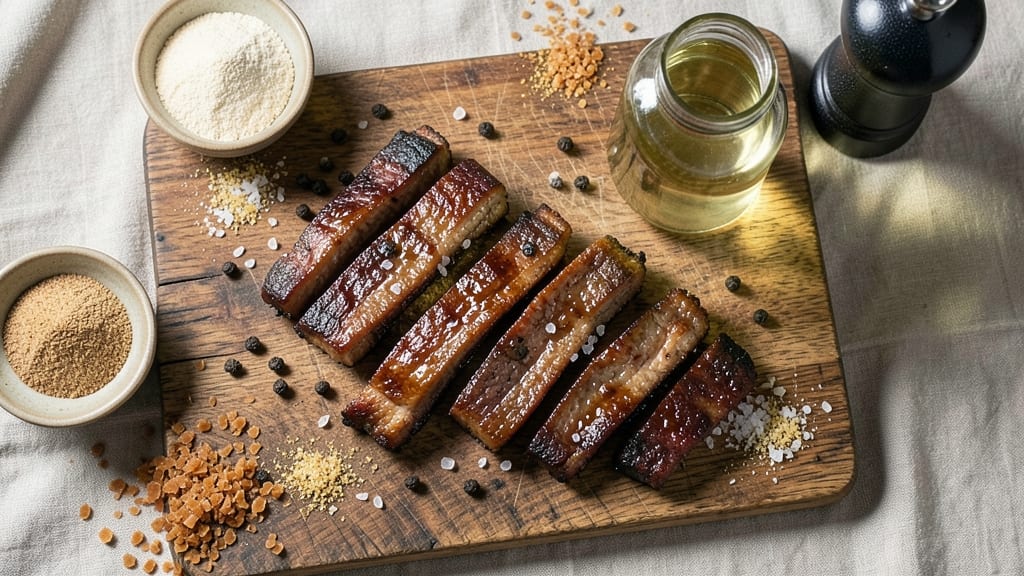
Mastering this beef brisket jerky recipe turns tough cuts into smoky, tender perfection—here’s how I’ve nailed it after years of slow-cooking experiments. This recipe takes advantage of brisket’s natural fat and connective tissue, turning them into flavorful, chewy bites that keep well for weeks.
The key lies in slicing against the grain and controlling the drying process to avoid toughness.
Unlike traditional jerky made from lean cuts, brisket’s higher fat content actually works in your favor. After trimming excess fat (but leaving enough for moisture), the meat is marinated in a blend of spices and cured overnight to ensure deep flavor penetration.
The slow drying process—whether in a smoker, dehydrator, or oven—preserves that tenderness while developing a rich, smoky aroma that’s hard to resist.
By the time you’re done, you’ll have a batch of jerky that’s tender enough to eat straight from the package but sturdy enough to pack for hikes or snack on during long days.
The process is straightforward, but the results are anything but ordinary—think of it as brisket’s second act, where every bite delivers that slow-cooked richness you love.
This method works equally well with bold BBQ rubs, sweet teriyaki glazes, or classic pepper-and-garlic blends. Whether you’re stocking your pantry or feeding a crowd, these jerky bites are a game-changer for anyone who appreciates the art of slow cooking.
Ingredients for beef brisket jerky
Just a few simple ingredients transform tough brisket into smoky, tender jerky bites.
| Ingredient | Amount | Notes |
|---|---|---|
| Beef Brisket 🥩 | 3 lb | Flat cut, trimmed of excess fat |
| Kosher Salt 🧂 | ¼ cup | Non-iodized for curing |
| Brown Sugar 🍯 | ½ cup | Light or dark variety |
| White Vinegar 💧 | ½ cup | Distilled white preferred |
| Black Peppercorns 🌶️ | 1 tbsp | Freshly cracked preferred |
| Garlic Powder 🧄 | 2 tbsp | Not garlic salt |
| Onion Powder 🧅 | 1 tbsp | For depth of flavor |
| Smoked Paprika 🌶️ | 1 tbsp | For smoky aroma |
| Ground Cumin 🌿 | 1 tsp | Toasted for warmth |
| Cayenne Pepper 🔥 | ½ tsp | Adjust for heat |
| Worcestershire Sauce 🍶 | 1 tbsp | For umami depth |
| Soy Sauce 🥢 | 1 tbsp | For savory richness |
| Lemon Juice 🍋 | 1 tbsp | Freshly squeezed |
The brisket is the star here, so pick the flat cut—it's leaner and more tender than the point cut. Trim off any thick fat layers but leave a thin layer for moisture. Costco or local butchers usually carry brisket pre-cut, which saves time. If you're buying whole, ask for the flat cut specifically. For the best results, use brisket that's been aged for at least 7 days—it's worth the extra wait for that melt-in-your-mouth texture. If you can't find aged brisket, don't stress—just make sure it's fresh and bright red in color.
No smoked paprika? Regular paprika plus a pinch of liquid smoke works in a pinch. The vinegar might seem harsh, but it's essential for tenderizing the meat—don't skip it. For extra umami, add a dash of fish sauce along with the Worcestershire. The brown sugar helps caramelize the spices during drying, so don't substitute with white sugar. If you're short on time, you can use pre-ground spices, but freshly ground pepper and cumin make a noticeable difference. The lemon juice brightens everything up—don't use bottled if you can help it.
This jerky keeps for up to 3 months in the fridge or 6 months in the freezer, but honestly, it disappears faster than that. Store it in an airtight container with parchment paper between layers to prevent sticking. For long-term storage, vacuum sealing extends freshness to 1 year. I like to portion it into snack-sized bags so I can grab exactly what I need for hiking or tailgating. The flavor actually improves after a few days as the spices meld together—so make extra if you can.
Why You'll Love This Recipe
- No-Fuss Curing: Honestly, the 24-hour fridge soak is the secret sauce here—it’s not busywork, it’s magic. The kosher salt and brown sugar work together to tenderize the brisket while keeping it from turning into jerky rubber bands. I promise, you’ll forget about it until morning when you pull out slices that are already halfway to perfection.
- Crispy-Sweet Surprise: That little trick of brushing the dried jerky with melted brown sugar and smoked paprika after 4 hours? Game-changer. You get this perfect balance—crispy edges from the sugar caramelizing, but still that juicy, chewy center. My kids fight over who gets the first piece (yes, even on a Tuesday night).
- Snack Army Ready: This jerky isn’t just for you. Pack a bag for your hiking buddy, toss a handful into trail mix for the gym, or serve it at tailgates where it disappears faster than chips. The garlic powder, onion powder, and Worcestershire sauce make it so flavorful that even picky eaters reach for seconds. Trust me, it’s the kind of snack that becomes your go-to.
- Budget-Proof Protein: Three pounds of brisket might sound like a lot, but it stretches into dozens of servings. And with pantry staples like kosher salt, vinegar, and soy sauce, the cost per bite is dirt cheap. I’ve made this for game days, road trips, and even as a post-workout snack—it’s that reliable. Plus, it’s way cheaper than buying jerky at the store.
Step-by-step instructions for beef brisket jerky
Here's how to transform tough brisket into tender, flavorful jerky in just 24 hours.
Prepare and Cure the Brisket
Start by trimming the 3 lb beef brisket flat cut to about ¼-inch thickness. Use a sharp knife to create uniform slices—this ensures even curing and drying. Place the slices in a large bowl and set aside.
In a separate bowl, combine the ¼ cup kosher salt, ½ cup brown sugar, ½ cup white vinegar, 1 tbsp freshly cracked black peppercorns, 2 tbsp garlic powder, 1 tbsp onion powder, 1 tbsp smoked paprika, 1 tsp ground cumin, and ½ tsp cayenne pepper. Mix thoroughly to create a fine, even powder. Pour this mixture over the brisket slices and toss gently with your hands until every piece is fully coated.
Add the 1 tbsp Worcestershire sauce, 1 tbsp soy sauce, and 1 tbsp freshly squeezed lemon juice to the bowl. Stir well to distribute the liquid evenly. Cover the bowl with plastic wrap and refrigerate for 24 hours. This curing process breaks down the meat fibers, guaranteeing tender jerky. Don't skip this step—it's what makes the difference between tough jerky and restaurant-quality bites.
Rinse and Prep for Drying
After 24 hours, remove the brisket slices from the refrigerator and rinse them thoroughly under cold water. This step removes excess salt and sugar, preventing a bitter taste in the final product. Pat each slice dry with paper towels—moisture is the enemy of proper drying.
Arrange the dried slices on a clean kitchen towel or rack to air-dry for 1 hour. This extra step helps prevent soggy jerky. While they're drying, preheat your dehydrator to 160°F or set your oven to its lowest setting with the door slightly ajar for gentle airflow. The goal is slow, even drying that preserves tenderness.
Dry the Jerky to Perfection
Place the brisket slices on dehydrator trays or oven racks, ensuring they don't overlap. Leave about ½-inch space between each piece for proper air circulation. If using an oven, position racks in the middle and lower thirds to promote even drying.
Dry the jerky for 6-8 hours, checking periodically. The jerky is done when it's completely dry to the touch with no moisture remaining, but still pliable—not brittle. You'll know it's ready when it snaps with a slight bend but doesn't break completely. This balance ensures chewy, not rubbery, jerky.
For extra flavor, you can lightly brush the dried jerky with a mixture of equal parts melted ½ cup brown sugar and 1 tbsp smoked paprika after 4 hours of drying. This creates a subtle caramelized crust that adds depth to each bite.
Package and Store
Once fully dried, let the jerky cool completely before packaging. Store in an airtight container or vacuum-sealed bag to preserve freshness. Properly stored jerky will keep for up to 3 months in the pantry or 6 months in the freezer. The curing process and thorough drying ensure it stays safe to eat for extended periods.
Break into serving-sized pieces and enjoy as a snack, trail mix addition, or protein-packed appetizer. The combination of smoky, sweet, and tangy flavors makes this jerky perfect for any occasion—whether you're hiking, hosting game day, or just craving a satisfying bite.
Pro Tips For Making Beef Brisket Jerky
- TRIM EVENLY: I learned this the hard way—uneven slices dry at different rates, leaving some rubbery and others overdone. Use a sharp boning knife to cut the brisket flat to exactly ¼-inch thickness, no thicker, no thinner. The flat cut is forgiving, but precision here makes all the difference in texture.
- CRACK PEPPERCORNS FRESH: Pre-ground black pepper loses its punch fast, but freshly cracked peppercorns add a bright, sharp bite that cuts through the sweetness. Use a mortar and pestle or a clean rolling pin—just 10 hard smashes over the bowl does the trick. Your jerky will taste like it came from a smoky pit, not a jar.
- DON’T SKIP THE RINSE: After curing, that salty-sweet coating can turn bitter if left on. Rinse the slices under cold water for 30 seconds, then pat thoroughly dry with paper towels—no half-measures. Moisture trapped in the meat is what ruins jerky faster than anything else.
- BRUSH FOR CRUST LATE: The brown sugar and smoked paprika glaze isn’t just for flavor—it’s for that caramelized snap. Wait until after 4 hours of drying to brush it on; otherwise, the sugar will burn before the jerky’s fully set. A light coat is all you need—just enough to stick to your fingers when you touch it.
Regional styles of this recipe
Texas-Style Smoked Jerky
I first fell in love with Texas-style jerky while competing at the Central Texas BBQ Championship. The key difference here is the smoky depth—we use a low-and-slow approach in a smoker rather than just drying.
After curing the brisket slices, I transfer them to a smoker set at 160°F with hickory wood chips for 8-10 hours. The result? A jerky with that unmistakable campfire aroma that makes every bite feel like a tailgate moment. 🔥
Appalachian Wild Herb Blend
In the mountains of North Carolina, jerky makers often forage for wild herbs like mountain mint and blackberry leaves to add complexity. I substitute ½ tsp dried mountain mint and 1 tbsp fresh blackberry leaf juice into the marinade.
The earthy notes pair beautifully with the brisket’s natural richness. I pick these herbs myself on my coastal rides—nothing beats fresh, wild flavors!
Southwest Chipotle Kick
For a spicy twist, I swap the cayenne for 1 tbsp adobo sauce (from canned chipotle peppers) and add 1 tsp smoked chipotle powder to the marinade. This Arizona-inspired variation gives the jerky a smoky, fruity heat that’s addictive.
I like to finish it with a dusting of flaky sea salt before packaging—it’s like a taste of the Sonoran Desert in every bite.
German-style Beer-Braised Jerky
My German heritage comes through in this unexpected twist: after curing, I simmer the brisket slices in 2 cups dark lager beer (like Radeberger) with 1 tbsp caraway seeds for 30 minutes before drying.
The beer adds depth and tenderizes the meat further. I dry it at 140°F for 10 hours to preserve that malty flavor—trust me, it’s a game-changer for beer lovers.
Caribbean Citrus & Allspice
For a tropical take, I replace the lemon juice with 2 tbsp fresh lime juice and add 1 tsp ground allspice and ½ tsp grated nutmeg to the marinade. After drying, I finish with a glaze of 1 tbsp honey mixed with 1 tbsp orange zest.
This Jamaican-inspired version is sweet, spicy, and perfect for beachside snacking—just like my coastal rides!
Nutrition facts
Frequently asked questions
Why does the brisket need to cure for 24 hours?
The 24-hour curing process breaks down tough meat fibers, ensuring tender jerky. The salt and vinegar combination tenderizes while the spices penetrate deeply—skipping this step risks chewy, less flavorful results. Think of it as the secret to turning tough brisket into melt-in-your-mouth bites!
Can I use a regular dehydrator instead of an oven?
A dehydrator works perfectly at 160°F, but if you're using an oven, set it to the lowest setting with the door slightly open for airflow. The key is slow, even drying—just avoid high heat or your jerky will dry too fast and become tough. Both methods deliver great results!
How do I know when the jerky is fully dried?
Check for complete dryness by touching the jerky—it should feel leathery but still pliable, not brittle. It’s ready when it snaps slightly but doesn’t break apart. This balance ensures chewy texture without rubberiness. Test a small piece after 6 hours to gauge progress!
Can I make this jerky spicier without cayenne?
Swap the ½ tsp cayenne for 1 tbsp adobo sauce (from canned chipotle peppers) or add ½ tsp chili flakes to the marinade. Both options deliver smoky heat while keeping the brisket’s natural richness intact—perfect for spice lovers!