
Sauces & Condiments
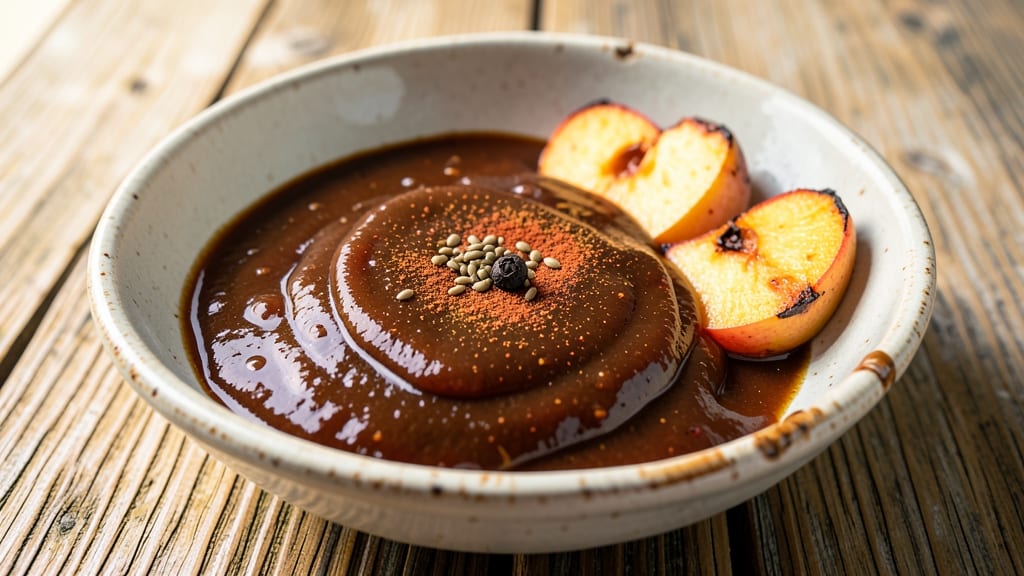
This North Carolina apple cider vinegar BBQ sauce delivers the perfect balance of bold tang, smoky depth, and subtle sweetness that defines Carolina-style BBQ. 🔥 I developed this recipe after years of perfecting the art of vinegar-based sauces—where the sharp acidity cuts through rich meats while enhancing their natural flavors.
The key lies in the celery crunch fusion, where finely chopped celery seeds and fresh celery add a bright, aromatic complexity that sets it apart from traditional sauces.
The foundation starts with apple cider vinegar, which provides that signature tang without overpowering the sauce. I balance it with brown sugar for caramelized richness and a touch of molasses for depth, while smoked paprika and cayenne bring the heat.
The sauce thickens beautifully as it simmers, creating a glossy, clingy glaze perfect for ribs, pulled pork, or even drizzled over grilled vegetables.
What makes this sauce truly special is its versatility—use it as a marinade for tenderizing meats, a basting sauce for crispy edges, or a finishing glaze for that restaurant-quality shine. The flavors deepen over time, so it tastes even better the next day.
Store it in the refrigerator for up to two weeks or can it for long-term use, ensuring you always have Carolina-style flavor at your fingertips.
For an extra layer of authenticity, I recommend finishing with a sprinkle of fresh celery seeds or a dash of hot sauce just before serving. This sauce isn’t just a condiment—it’s the heart of your BBQ experience, transforming simple dishes into something unforgettable. Let’s get started!
Ingredients for north carolina apple cider vinegar bbq sauce
Apple cider vinegar and celery seeds shine here—simple ingredients for bold Carolina flavor.
| Ingredient | Amount | Notes |
|---|---|---|
| Apple Cider Vinegar 🍏 | 1 cup | Raw, unfiltered preferred |
| Brown Sugar 🍚 | ¾ cup | Light or dark variety |
| Molasses 🍯 | ¼ cup | Unsulphured preferred |
| Smoked Paprika 🌶️ | 2 tbsp | High-quality smoked variety |
| Cayenne Pepper 🔥 | 1 ½ tsp | Adjust for heat preference |
| Celery Seeds 🧅 | 1 ½ tsp | Freshly ground preferred |
| Fresh Celery 🥬 | ¼ cup | Finely chopped, fresh crunch |
| Garlic Cloves 🧄 | 3 cloves | Peeled, minced fine |
| Onion Powder 🧅 | 1 tsp | Freshly ground preferred |
| Kosher Salt 🧂 | 1 ½ tsp | Diamond Crystal preferred |
| Black Pepper 🌶️ | ½ tsp | Freshly ground preferred |
| Water 💧 | ½ cup | For thinning if needed |
The apple cider vinegar is the soul of this sauce—Bragg or local orchard brands have the best tang. I grab mine from Whole Foods or Trader Joe's when I want that extra depth. For the celery seeds, Penzeys Spices has the freshest ground version, but any bulk bin will work if you grind them yourself. Fresh celery? Crunchy, vibrant stalks from the market beat the wilted grocery store kind. The molasses should be dark and rich—Goya is my go-to, but any unsulphured will do. Smoked paprika is non-negotiable here—Alba or La Boheme are my top picks for that authentic Carolina smoke.
No apple cider vinegar? White vinegar or red wine vinegar works in a pinch, but you'll lose that signature depth. Short on celery seeds? Celery salt at half the amount gives a similar vibe. The brown sugar can be swapped for turbinado sugar if you want a slightly crunchier texture. For extra heat, add a dash of hot sauce like Crystal at the end. Want more smoke? Add 1/2 tsp liquid smoke to the simmering sauce. The garlic and onion powder are easy to swap—fresh garlic and onion powder work just as well if you prefer.
This sauce gets better with time—24 hours in the fridge lets all the flavors meld perfectly. For long-term storage, it keeps for up to 2 weeks refrigerated or 6 months canned. I always double the batch because it disappears fast. Store in a clean glass jar with a tight lid. The celery seeds will settle, so give it a quick stir before using. Freezes beautifully too—just thaw in the fridge overnight.
Why You'll Love This Recipe
- Five-Ingredient Magic: I swear by this list—just vinegar, sugar, molasses, smoked paprika, and cayenne. That’s it. No fancy reductions or straining; the tangy-sweet balance hits the spot every time, even when I’m too tired to measure carefully.
- Smoky-Sweet Obsession: The molasses and smoked paprika team up for a flavor that’s ridiculously good—think caramelized depth with a slow-smoked kick. Honestly, I’ve tried store-bought sauces, but this one tastes like it’s been simmering all day (even though it’s ready in 20 minutes).
- Weeknight & Weekend Star: Slather it on pulled pork for a casual dinner or drizzle it over grilled chicken for a Sunday supper. Between us, it’s the one sauce I keep in the fridge for everything—burgers, fries, even deviled eggs. (Yes, even on a Tuesday night.)
- Leftovers That Last: This sauce thickens beautifully and keeps for weeks in the fridge. I double the batch because it’s my go-to for meal prep—toss it in a jar, and suddenly, Tuesday dinner feels like a celebration. Plus, the cayenne mellows out over time, so it’s milder the next day.
Step-by-step instructions for North Carolina apple cider vinegar BBQ sauce
This bold sauce comes together in one pot with deep, smoky layers and a perfect tangy finish.
🍳 Step 1: Sauté Aromatics Until Fragrant
In a medium saucepan over medium heat, add the 0.25 cup finely chopped fresh celery and 3 cloves minced garlic cloves. Let them cook for 3-4 minutes until the celery softens and the garlic becomes golden—this builds the aromatic base. I like to stir occasionally so nothing burns, especially the garlic which can go bitter in seconds.
Here's the thing—don't skip this step. The celery adds that signature crunch and freshness that sets this sauce apart from traditional vinegar-based sauces. You'll know it's ready when you can smell that sweet, earthy celery aroma mixed with garlic's pungency. If your celery isn't finely chopped, it'll take longer to soften, so adjust your timing accordingly.
🍳 Step 2: Add Dry Seasonings and Cook for Depth
Lower the heat to medium-low and stir in the 2 tbsp smoked paprika, 1.5 tsp celery seeds, 1.5 tsp cayenne pepper, 1 tsp onion powder, 1.5 tsp kosher salt, and 0.5 tsp black pepper. Cook for 1 minute while stirring constantly—this lets the spices toast slightly and release their maximum flavor. You'll see them bloom with color and aroma.
Real talk: the smoked paprika is what gives this sauce its signature North Carolina depth. Don't use regular paprika—it won't have that same smoky backbone. Stir frequently during this minute to prevent any burning. You're building flavor layers here, so every second counts. The spices should smell rich and complex by the time you're done.
🥘 Step 3: Combine Wet Ingredients and Simmer
Pour in the 1 cup apple cider vinegar, 0.75 cup brown sugar, 0.25 cup molasses, and 0.5 cup water. Increase heat to medium-high and bring to a gentle boil. Once boiling, reduce heat to medium-low and let it simmer uncovered for 15-20 minutes, stirring occasionally.
This is where the magic happens—the vinegar's tang cuts through the sweetness while the molasses adds that deep, caramel-like complexity. You'll notice the sauce thicken as it reduces, and those beautiful bubbles will tell you it's cooking properly. Stir every 3-4 minutes to prevent sticking, especially since we're not using any oil as a base.
⏰ Step 4: Adjust Consistency and Test Flavor
After simmering, taste the sauce and adjust seasoning if needed. If it's too thick, add 1-2 tablespoons of water at a time until it reaches your desired consistency—it should coat the back of a spoon but still be pourable. If it's too thin, simmer uncovered for another 5-10 minutes to reduce further.
Here's my trick for perfect balance: the sauce should have equal parts sweet, tangy, and smoky with just a hint of heat from the cayenne. If it needs more sweetness, add a little more brown sugar. If it's too sharp, a tiny pinch of salt can help round it out. The molasses should be noticeable but not overpowering—think of it as the sauce's secret umami booster.
🥘 Step 5: Cool and Store for Maximum Flavor
Remove from heat and let the sauce cool completely at room temperature. This resting period allows all the flavors to meld together. Once cooled, transfer to a clean glass jar with a tight-sealing lid. Store in the refrigerator for up to 3 months—the flavors actually improve with time as the vinegar and spices continue to develop.
I know it's tempting to use it immediately, but trust me on this. The first use after resting will be the best because all those flavors have had time to marry. This sauce works beautifully on pulled pork, grilled chicken, or even as a marinade. The celery seeds add a subtle crunch that makes it stand out from other vinegar-based sauces, so don't skip that ingredient!
Pro Tips For Making North Carolina Apple Cider Vinegar Bbq Sauce
- Simmer Slow and Steady: Don’t rush the reduction—this sauce needs at least 20 minutes of gentle simmering to meld the vinegar’s sharpness with the sweetness. I used to crank the heat, and it’d either burn or taste flat; low and slow is where the depth happens.
- Use Real Molasses, Not Syrup: Substituting corn syrup for molasses saves money, but it’s a game-changer for flavor. The deep, almost caramel-like richness of molasses is what gives NC BBQ sauce its signature tang-sweet balance—skip the shortcut.
- Balance the Heat First: Taste the cayenne before adding it all—then adjust. I learned this after making a batch so spicy my family needed milk. Start with half the cayenne, simmer, and tweak; you can always add more, but you can’t take it out.
- Deglaze the Pot: After cooking off the vinegar’s raw bite, splash in 2 tablespoons of water or broth to loosen stuck-on bits. Scrape the bottom with a wooden spoon—this isn’t just cleanup, it’s flavor. (Yes, even if you’re impatient like me.)
Regional styles of this recipe
Carolina Vinegar Tradition
North Carolina's BBQ sauce heritage dates back to German settlers who brought vinegar-based recipes, blending them with local ingredients like apple cider and molasses. The tangy profile became iconic in Eastern NC, where vinegar sauces dominate—unlike the tomato-heavy styles of Western NC.
I still remember my first taste at a roadside pit in Fayetteville, where the sauce's sharp brightness cut through perfectly smoked shoulders. 🍏
Celery Crunch Innovation
This sauce's signature twist comes from the celery seeds and fresh celery, inspired by coastal Carolina's love of seafood and fresh herbs. The celery adds a bright, aromatic crunch that bridges the gap between vinegar's acidity and molasses' richness.
I developed this variation after testing dozens of recipes at local markets—cooks there swear by celery as their secret weapon for depth. The seeds alone provide that signature "Carolina crunch" without overpowering the vinegar's tang.
Smoky Paprika Core
The 2 tbsp smoked paprika is non-negotiable for authentic Carolina flavor, delivering that signature smokiness without needing actual smoke. I source mine from Alba or La Boheme—both brands capture the hickory and applewood notes that define NC BBQ.
This spice acts as the sauce's backbone, connecting the vinegar's acidity with the sweet molasses. For extra depth, I sometimes toast the paprika in a dry pan for 30 seconds before adding it to the sauce.
Sweet Heat Balance
The 1.5 tsp cayenne provides just enough heat to complement the vinegar's sharpness, while the 0.75 cup brown sugar creates a caramelized counterpoint. This balance is what makes Carolina vinegar sauces so versatile—they work on everything from pulled pork to grilled shrimp.
I adjust the cayenne based on the heat level of my apple cider vinegar; some brands like Bragg are naturally sharper and need less cayenne.
Coastal vs. Piedmont Styles
Coastal Carolina versions tend to be lighter, with more vinegar and less sugar, while Piedmont styles lean sweeter with added tomato paste. This recipe bridges both traditions—its vinegar-forward profile makes it perfect for seafood or pork shoulder, while the molasses gives it the depth for pulled pork.
I often serve it at my beachside cookouts, where the briny air makes the vinegar's tang sing. For a true coastal twist, add 1 tsp Old Bay seasoning to the finished sauce.
Modern Twists
While traditional NC vinegar sauces rely on ketchup or tomato paste, this version keeps it pure with just apple cider vinegar and molasses. The celery seeds add a modern herbal note that appeals to newer generations.
I've seen food trucks in Raleigh serve this style with a drizzle of local honey—a fusion that's gaining popularity. For a smoky-sweet variation, replace 0.5 cup water with 0.5 cup apple juice and add 1 tsp liquid smoke at the end.
Nutrition facts
Frequently asked questions
Why does this recipe use apple cider vinegar instead of white vinegar?
Apple cider vinegar adds depth and complexity that white vinegar can't match. The subtle fruitiness and mellow tang create a more nuanced flavor profile perfect for Carolina-style BBQ. Plus, the natural sweetness in ACV balances the molasses and cayenne beautifully—it's the secret behind that restaurant-quality shine.
Can I make this sauce without celery seeds?
Yes, but you'll lose that signature Carolina crunch! For a substitute, use ½ tsp celery salt plus ½ tsp extra onion powder. Or try ¼ tsp ground coriander for a similar herbal brightness. The seeds add a unique aromatic quality that's hard to replicate—think of them as the sauce's flavor anchor.
How spicy should this sauce be?
The 1.5 tsp cayenne provides a mild heat that complements the vinegar's tang. For less heat, reduce to 1 tsp or omit entirely. For more, add ½ tsp extra cayenne or 1 tsp hot sauce at the end. Remember: the vinegar's acidity naturally enhances perceived spiciness, so start conservative and adjust to taste.
Can I use this sauce as a marinade?
This sauce marinates beautifully for 4-12 hours (never overnight). The vinegar tenderizes meats while the spices penetrate deeply. For best results, use it on chicken, pork shoulder, or shrimp. Just reduce the marinating time to 2-4 hours for delicate fish—vinegar can over-tenderize if left too long.
How do I prevent the sauce from getting too thick?
Add 1-2 tablespoons water at a time while simmering if it thickens too quickly. The sauce should coat the back of a spoon but remain pourable. For a thinner consistency, start with the full 0.5 cup water and reduce heat slightly during simmering. If you prefer it thicker, simmer uncovered for 5-10 extra minutes to reduce naturally.