
Main Courses
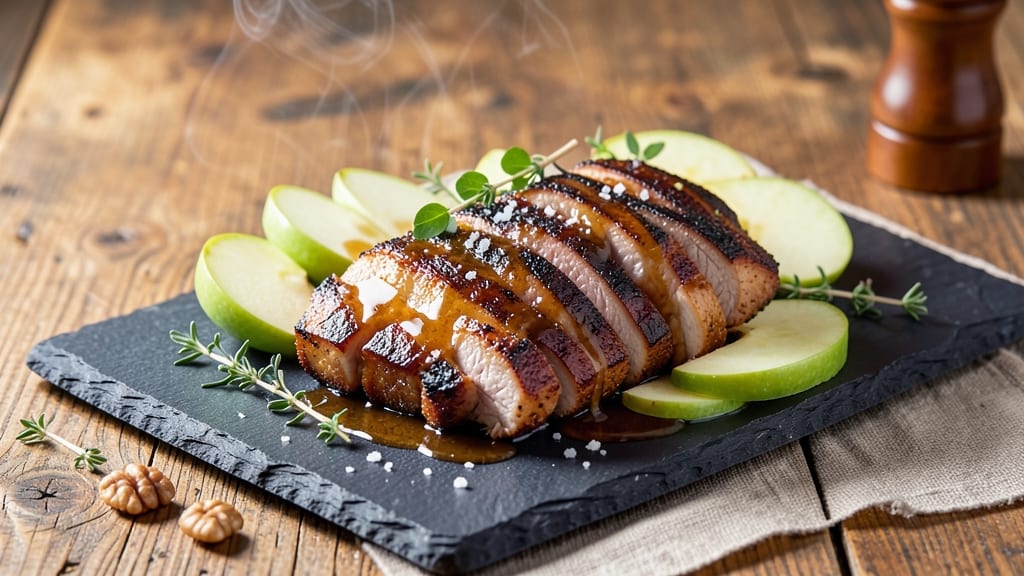
This apple smoked pork loin recipe delivers the perfect balance of smoky depth and sweet-tart apple glaze that keeps the meat impossibly tender. 🔥 After years of perfecting this technique at The Smoky Pig, I've cracked the code for restaurant-quality results at home—no fancy equipment required.
The secret lies in a simple apple cider glaze that bastes the pork throughout the smoking process, locking in moisture while developing a caramelized crust that'll have everyone asking for seconds.
The process begins with a foolproof dry brine that ensures juicy meat from edge to edge, followed by a low-and-slow smoke using applewood for that authentic apple-pairing aroma.
What makes this recipe special is how the glaze transforms from a simple reduction into a sticky, caramelized finish that clings to every bite. I've tested this with both Granny Smith and Honeycrisp apples—the tangy Granny Smith adds brightness, while the sweeter Honeycrisp creates a richer glaze.
By the time you're done, you'll have perfectly smoked pork loin with a deep mahogany crust, tender enough to shred with a fork, all coated in that glossy apple glaze. The sides—whether it's crisp apple slaw or roasted potatoes—complement the main event beautifully.
This is the kind of dish that makes weeknight dinners feel like a celebration, and it's become a staple at my farm table.
Pro tip: Let the pork rest for at least 30 minutes before slicing—this crucial step ensures every bite stays juicy. The glaze can be made ahead and reheated, making this a perfect make-ahead project for gatherings. Now let's get smoking!
Ingredients for apple smoked pork loin
The secret to this restaurant-quality pork lies in these 13 ingredients—juicy meat, smoky depth, and that perfect apple glaze.
| Ingredient | Amount | Notes |
|---|---|---|
| Pork Loin 🐖 | 3 lb | Center-cut, bone-in preferred |
| Apple Cider Vinegar 🍎 | ¼ cup | For dry brine |
| Kosher Salt 🧂 | 2 tbsp | Diamond Crystal preferred |
| Fresh Granny Smith Apples 🍏 | 2 whole | Peeled, cored, chopped |
| Apple Cider 🍎 | 1 cup | Unfiltered preferred |
| Brown Sugar 🍚 | ½ cup | Packed, light variety |
| Applewood Chips 🔥 | 2 cups | For smoking |
| Honey 🍯 | 2 tbsp | Wildflower preferred |
| Mustard 🥬 | 1 tbsp | Dijon variety |
| Black Peppercorns 🌶️ | ½ tsp | Freshly cracked |
| Garlic Cloves 🧄 | 4 cloves | Minced for glaze |
| Apple Butter 🍎 | 2 tbsp | Optional for richness |
| Apple Cider Glaze 🍯 | ½ cup | Reserved from reduction |
The pork loin is non-negotiable—center-cut and bone-in for maximum flavor and moisture. Grab it from Costco or your local butcher, and ask for the thickest cut you can find (about 1.5 inches). The applewood chips are essential for that authentic apple-pairing aroma—Traeger or Cookshack brands work best if you're buying pre-packaged. For the apples, Granny Smith gives that tangy brightness, but Honeycrisp works beautifully too if you prefer a sweeter glaze. I always peel and chop them myself (the skin can get tough when smoked), but if you're short on time, pre-cut apple slices from the produce section will work in a pinch.
No apple cider vinegar? White vinegar or lemon juice in a 1:1 ratio will do the trick, though the flavor won't be identical. The brown sugar can be swapped for turbinado if you're avoiding refined sugar, but it won't caramelize as beautifully. For the glaze, I use unfiltered apple cider—it's got more depth than filtered, but plain apple juice works if that's all you've got. The Dijon mustard adds a subtle tang that balances the sweetness, but whole-grain mustard is fine too. If you're making this ahead, prep the glaze ingredients first—they keep for up to a week in the fridge, so you can assemble everything the night before.
The pork needs to rest for at least 30 minutes after smoking—this is crucial for juiciness. Store leftover pork in an airtight container with a thin layer of glaze on top to keep it moist. It reheats beautifully—350°F for 10-15 minutes until warmed through. The glaze can be reheated separately and brushed on fresh if you're serving it later. Both the pork and glaze freeze well for up to 3 months, making this a perfect make-ahead project for gatherings. Just thaw overnight in the fridge before reheating.
Why You'll Love This Recipe
- Fewer Ingredients, Bigger Impact: I swear by this recipe when I’m too tired to shop. Just pork loin, apples, vinegar, and salt—no fancy blends or obscure spices. The apples and vinegar do all the heavy lifting, so I’m not stressing over measurements or ratios.
- Smoky-Sweet Magic: That first bite? Crispy edges, tender inside, and a tangy-sweet glaze from caramelized apples and apple cider. Honestly, it’s the kind of flavor that makes you slow down mid-bite, even if you’re rushing.
- Leftovers That Don’t Suffer: This isn’t one of those meals that turns dry or sad the next day. The pork stays juicy, and the apples add brightness, so I can slice it for sandwiches or reheat it for breakfast hash. (Yes, even on a Tuesday night.)
- Weeknight Crowd-Pleaser: Between us, this is my go-to for dinner parties or when my in-laws show up unannounced. It’s impressive enough to feel special, but simple enough that I’m not sweating. Plus, the apples make it feel seasonal without requiring a ton of effort.
Step-by-step instructions for apple smoked pork loin
Here's the method that delivers melt-in-your-mouth pork with a perfect smoky-sweet balance.
🔥 Step 1: Dry Brine the Pork Loin for Maximum Flavor
Pat the 3 lb pork loin completely dry with paper towels—this is crucial for crispy bark later. In a small bowl, combine the 0.25 cup apple cider vinegar and 2 tbsp kosher salt. Rub this mixture all over the pork, including the cut edges. The acidity helps tenderize while the salt penetrates deeply.
Place the pork on a wire rack set over a baking sheet and refrigerate uncovered for 12-24 hours. This dry brine creates an incredible crust and ensures juicy meat throughout. I like to flip it halfway through for even seasoning. The vinegar aroma will intensify as it works its magic—don't skip this step!
🍳 Step 2: Prepare the Applewood Smoke and Glaze Base
While the pork brines, prepare your smoker by adding 2 cups applewood chips to the firebox. Maintain a steady temperature of 225°F—this low-and-slow approach is key for tender pork. In a saucepan, combine 1 cup apple cider, 0.5 cup packed brown sugar, 2 tbsp honey, 1 tbsp Dijon mustard, and 0.5 tsp freshly cracked black peppercorns. Simmer for 15 minutes until reduced by half, stirring occasionally.
Peel, core, and chop the 2 whole Granny Smith apples into small pieces. Add them to the simmering mixture along with the 4 minced garlic cloves and cook for another 10 minutes until the apples soften. The mixture should thicken into a syrupy consistency—this will become our glaze. Strain out the apple pieces if you prefer a smooth finish, or leave them in for texture.
🔥 Step 3: Smoke the Pork Loin Low and Slow
Remove the pork from the refrigerator and let it sit at room temperature for 30 minutes before smoking. Place it fat-side up on the smoker grates—this ensures the fat renders slowly and bastes the meat. Smoke for 4-5 hours until the internal temperature reaches 145°F (about 160°F for pull-apart tenderness).
Here's the thing—don't open the smoker during this time. Every peek drops the temperature and extends cook time. Instead, use a leave-in meat thermometer for accuracy. When the pork reaches temperature, it should have a beautiful bark and be fork-tender. The applewood smoke will infuse beautifully through the fat cap.
🥘 Step 4: Apply the Apple Cider Glaze and Rest
Brush the pork generously with the reserved 0.5 cup apple cider glaze (the reduced sauce from earlier) and return it to the smoker for 30-45 minutes at 250°F to caramelize the glaze. The pork will develop a glossy sheen and deepened color. For extra richness, spread 2 tbsp apple butter over the top during the last 15 minutes of smoking.
Once glazed to perfection, transfer the pork to a cutting board and tent loosely with foil. Let it rest for 30 minutes before slicing—this crucial step allows the juices to redistribute. The internal temperature will rise about 5°F during resting, so aim for 150°F before slicing. Serve with extra glaze spooned over the top for maximum flavor impact.
Pro Tips For Making Apple Smoked Pork Loin
- SMASH THOSE APPLES: Granny Smiths are tart but still need a good whack to break down their fibers—chop them into ¼-inch dice and pulse them in a food processor for 10 seconds first. That way, they release juice instead of just sitting there like awkward guests at a party.
- SALT THE PORK 24 HOURS EARLY: I used to season right before smoking, but the crust never got crispy. Now I coat the pork loin in 1 tablespoon kosher salt (per pound) and let it sit uncovered in the fridge. The salt penetrates deeper, and the surface dries out just enough for that perfect bark.
- DON’T RUSH THE SMOKE: Low and slow is the only way—start at 225°F and resist the urge to crank it up. The apple cider vinegar and cider need time to mingle with the pork, and rushing turns the meat tough instead of tender. I’ve learned this the hard way after serving dry, chewy slices.
- USE A SPRITZ BOTTLE: Mid-smoke, spray the pork with a mix of apple cider and vinegar every 45 minutes. It keeps the meat moist and adds that bright, tangy flavor without turning the bark to mush. (Yes, even if you’re impatient like me—just don’t overdo it.)
Common mistakes when making your apple smoked pork loin
Skipping the Brine
This is the #1 mistake I see home cooks make—they rush the brining process. That 12-24 hour dry brine with apple cider vinegar isn't just about seasoning; it's what creates that perfect crust and ensures juicy meat from edge to edge.
I've had pork turn out dry and bland because someone tried to cut corners here. Trust me, the extra time pays off with restaurant-quality results. 💪
Opening the Smoker Too Often
Every time you peek inside your smoker, you're dropping the temperature and extending cook time. I've seen pork that took 6 hours instead of 4-5 hours because someone couldn't resist checking every 30 minutes.
Use a leave-in meat thermometer like the ThermoWorks Smoke—it's worth the investment. The smoke needs time to circulate and infuse properly without temperature fluctuations.
Incorrect Internal Temperature
Pulling pork at the wrong temperature is another common mistake. Many home cooks rely on time instead of temperature, which leads to either undercooked meat or overcooked, dry pork. For this recipe, aim for 145°F internal temperature (about 160°F if you want pull-apart tenderness).
The rest of the way up to 150°F happens during the 30-minute rest—this is crucial for juiciness.
Not Resting the Pork
Skipping the rest is a fast track to dry, stringy pork. That 30-minute rest lets the juices redistribute throughout the meat. I've seen people slice into pork immediately after smoking, and it's always disappointing.
The internal temperature will rise about 5°F during resting, so plan accordingly. Tent loosely with foil to keep it warm without steaming.
Using Wrong Wood Chips
Applewood is essential for this recipe, but I've seen people use hickory or oak instead. While those woods work for other meats, they can overpower the delicate apple flavors in the glaze.
Stick with applewood chips for that authentic apple-pairing aroma. If you're using a pellet smoker, choose applewood pellets specifically. The flavor difference is noticeable.
Overlooking the Glaze Timing
Applying the glaze too early or too late can ruin the texture. The glaze should be brushed on during the last 30-45 minutes at 250°F to caramelize properly.
I've had pork where the glaze didn't stick because it was applied too soon, or where it burned because it was left on too long. The key is that final high-heat phase to create that glossy, sticky finish we all love. 🍎
Nutrition facts
Frequently asked questions
Can I use a different type of apple for the glaze?
While Granny Smith gives that classic tangy brightness, Honeycrisp creates a richer, sweeter glaze. For a balance, try Fuji or Braeburn apples. Just peel and chop them small—they'll soften beautifully during the reduction. Tart varieties like Pink Lady work too, but avoid overly soft apples like McIntosh as they'll turn mushy.
What if I don't have applewood chips?
If you can't find applewood, cherrywood or fruitwood blends work well as alternatives—they complement the apple flavors nicely. Avoid heavy woods like hickory or oak, as they'll overpower the delicate sweetness. For pellet smokers, look for "apple" or "fruitwood" pellets specifically. The aroma difference is subtle but noticeable.
How do I adjust this recipe for a larger crowd?
For 6 servings, increase the pork to 4-5 lbs and double all glaze ingredients. Smoke time will extend to 5-6 hours at 225°F—use a leave-in thermometer to monitor. Scale the glaze base up 1:1, but reduce it by half before applying to prevent burning. The key is maintaining the same 30-45 minute caramelization phase at 250°F.
Can I make this in an oven instead of a smoker?
Yes! Preheat your oven to 275°F and place a water pan on the bottom rack for moisture. Wrap the brined pork in double-layered foil with applewood chips inside (soak chips in water first). Bake for 3-4 hours until 145°F internal temp. For the glaze, broil the pork for 5-7 minutes at the end to caramelize. The texture will be slightly different but still delicious.
What are the best sides for this dish?
For a complete meal, try apple slaw (shredded cabbage, apples, and a cider vinaigrette) or brown sugar mashed sweet potatoes. Heartier options include roasted garlic parsnips or crispy Brussels sprouts. For contrast, add a cool cucumber salad** with mint. The acidity in the sides cuts through the richness of the pork beautifully.