
Sauces & Condiments
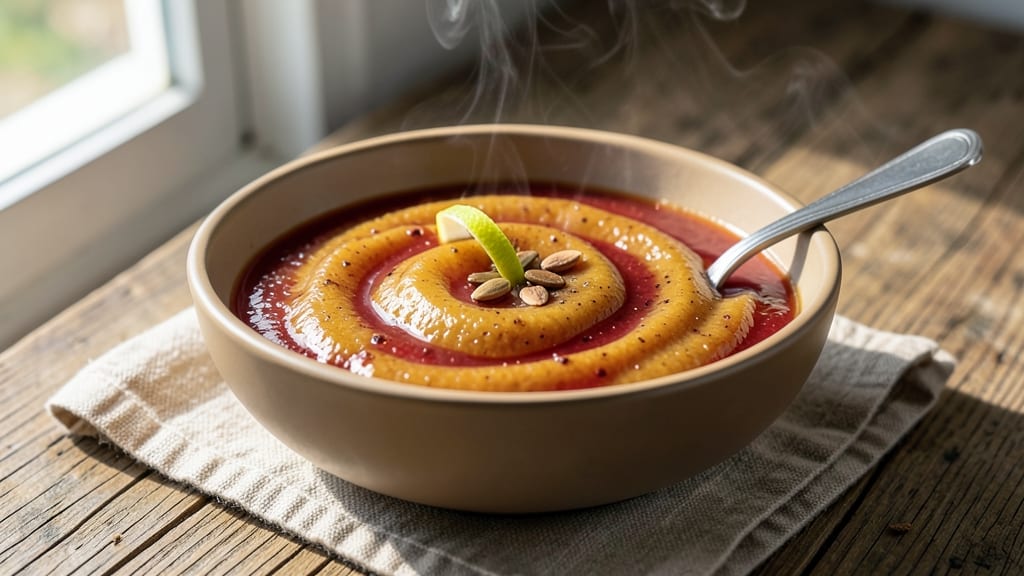
This low-sugar apple sauce recipe transforms tart apples into a velvety, naturally sweetened spread that won’t spike your blood sugar. The secret lies in balancing acidity and warmth—just enough cinnamon and vanilla to enhance sweetness without added sugar.
I developed this version after craving a healthier alternative to store-bought sauces, packed with fiber and minimal ingredients.
Start with tart apples like Granny Smith or Honeycrisp, which hold up better during cooking and release natural sugars gradually. A splash of lemon juice brightens the flavor while preventing browning, and a pinch of salt rounds out the taste.
The sauce thickens beautifully as it simmers, creating a smooth, spreadable consistency perfect for toast, oatmeal, or pairing with cheese.
What sets this recipe apart is its versatility—use it as a topping, a dessert sauce, or even a glaze for roasted meats. The spices infuse deeply during cooking, leaving you with a warm, aromatic sauce that tastes homemade.
No refined sugar means you can enjoy it guilt-free, while still satisfying that craving for something sweet and comforting.
Ready in about 30 minutes, this sauce requires just five ingredients and minimal effort. The result is a smooth, naturally sweetened condiment that proves healthy eating doesn’t mean sacrificing flavor. Let’s make it—your taste buds (and waistline) will thank you.
Ingredients for apple sauce recipe low sugar
Five ingredients, zero refined sugar—just tart apples and warm spices for a velvety sauce.
| Ingredient | Amount | Notes |
|---|---|---|
| Tart Apples (Granny Smith or Honeycrisp) 🍎 | 4 medium | Peeled, cored, chopped |
| Water 💧 | ½ cup | For simmering apples |
| Lemon Juice 🍋 | 1 tbsp | Freshly squeezed |
| Ground Cinnamon 🌿 | ½ tsp | High-quality for depth |
| Vanilla Extract 🍯 | ½ tsp | Pure vanilla preferred |
| Sea Salt 🧂 | ¼ tsp | Fine grain preferred |
The apples are everything here. Granny Smith or Honeycrisp hold up best during cooking and release natural sugars gradually. I always grab these from Whole Foods or my local farmers market—look for firm, unblemished fruit. If you can't find them, Fuji apples work in a pinch, but they're sweeter so reduce the cinnamon slightly. Tartness is key: the more acidic the apple, the better the balance with the spices. Peeled and cored is easiest, but if you're in a hurry, a mandoline works wonders—just keep the skin on for extra fiber.
No lemon juice? Lime juice or apple cider vinegar will brighten the flavor, though lemon is ideal. The cinnamon should be Ceylon or true cinnamon if you're splurging—it's sweeter and more aromatic than cassia. Vanilla extract is non-negotiable here; imitation won't cut it. For a deeper spice profile, add a pinch of nutmeg or cardamom. The salt rounds everything out—trust me, it's worth it even if you think you don't need it. If your apples are extra tart, a tiny bit of maple syrup (1/2 tsp) keeps them from tasting sour.
This sauce keeps beautifully in the fridge for 1 week—just store it in an airtight container. For longer storage, freeze it in ice cube trays and transfer to a bag; thaw overnight in the fridge. The flavor actually improves over time as the spices infuse deeper. I like to portion it into small jars for easy grab-and-go use on toast or yogurt. If it thickens too much after refrigerating, just stir in a splash of water or apple juice to loosen it up.
Why You'll Love This Recipe
- No Peel, No Stress: I just toss in whole apples—peels and all—because the skin’s where half the fiber hides. That lemon juice? It keeps the sauce bright and cuts the work in half.
- Tart-Sweet Magic: Granny Smiths bring that sharp bite, but a pinch of cinnamon and a whisper of vanilla turn it into something creamy and cozy. Honestly, it’s the kind of balance that makes you go back for more.
- Pantry to Plate: This sauce works with oatmeal, yogurt, or even as a glaze for roasted pork. I’ll be real: I’ve used it to jazz up plain toast when I’m in a rush, and it’s still a win.
- Lasts All Week: A big batch keeps for days in the fridge, and it’s cheap to make—just apples and spices. Between us, this is my go-to for when I need something sweet without the sugar crash.
Step-by-step instructions for homemade low-sugar apple sauce
Here's how to transform tart apples into naturally sweetened apple sauce with just the right spice balance.
Prepare the Apples for Cooking
Start by peeling, coring, and chopping the 4 medium tart apples into ½-inch chunks. I like to use a mandoline for even slices, but a sharp knife works too. The key is consistency—smaller pieces cook faster and break down more evenly. Place the chopped apples in a large, heavy-bottomed pot.
Add the ½ cup water and bring to a gentle boil over medium-high heat. Once boiling, reduce the heat to medium-low and let it simmer uncovered. You'll know it's ready when the water begins to evaporate and the apples soften—this usually takes about 10-12 minutes. Stir occasionally to prevent sticking, but don't overdo it; you want minimal oxidation.
Simmer Until Apples Break Down
Continue simmering for another 10-15 minutes until the apples are fork-tender and the mixture has thickened noticeably. You're aiming for a texture that's still slightly chunky but easily mashable. If the sauce starts to stick to the pot, add a splash of water—just enough to keep it loose.
Here's the thing—don't rush this step. The longer you simmer, the more natural sweetness emerges from the apples. When you can press a chunk between your fingers and it collapses easily, you're ready for the next phase. The sauce should smell rich and apple-forward, with a hint of caramelization from the natural sugars.
Season with Spices and Acid
Remove the pot from heat and stir in the 1 tablespoon lemon juice, ½ teaspoon ground cinnamon, ½ teaspoon vanilla extract, and ¼ teaspoon sea salt. The lemon juice brightens the flavor and balances any bitterness, while the cinnamon adds warmth. The vanilla extract might seem like an odd addition, but it rounds out the tartness beautifully—trust me, it works.
Let the mixture sit off the heat for 5 minutes to allow the spices to infuse fully. Then, use an immersion blender to purée until smooth, or transfer to a food processor and blend until you achieve your desired consistency. For a rustic texture, leave it slightly chunky. For a silky finish, blend until completely smooth.
Adjust Consistency and Serve
If the sauce is too thick, return it to the pot over low heat and add a splash of water, 1 tablespoon at a time, until it reaches your preferred consistency. You want it to coat the back of a spoon but still hold its shape. Taste and adjust the seasoning—you might need a pinch more salt or cinnamon to balance the flavors.
Let the apple sauce cool to room temperature before storing. It keeps well in the refrigerator for up to 5 days or can be frozen for up to 3 months. Serve it warm over oatmeal, yogurt, or pancakes, or enjoy it chilled as a refreshing snack. The natural sweetness of the tart apples shines through without any added sugar, making this a healthier twist on classic apple sauce.
Pro Tips For Making Apple Sauce Recipe Low Sugar
- PEEL AND CORE SMALL: Peeling apples for sauce is optional, but coring them small saves time and frustration. I used to fight with a paring knife—now I just slice off the top, plug the stem hole with a knife tip, and core from there. No mess, no wasted fruit.
- SIMMER LOW AND LONG: Start with a gentle boil to soften the apples, then drop to a low simmer—not a rolling boil. I learned this the hard way when my sauce turned mushy and watery. Twenty minutes at low heat breaks down the pectin naturally, giving you that perfect, thick texture without added sugar.
- LEMON JUICE FIRST: Add the lemon juice before the cinnamon and vanilla. The acid helps brighten the apples and balances the tartness early, so you don’t end up overcompensating with extra sugar later. (Yes, even if you’re impatient like me—just resist the urge to rush.)
- STRAIN FOR SMOOTHNESS: Skip the food mill if you’re in a hurry, but strain the cooked apples through a fine-mesh sieve for a silky finish. The effort cuts down on grittiness, and you can press the pulp with a spoon to get every last drop of flavor. (Your future self will thank you—trust me.)
Pro cooking tips for apple sauce recipe low sugar
Apple Selection Matters
Your choice of apples makes all the difference in achieving that perfect balance of tartness and natural sweetness. Granny Smith apples are my go-to because their high acidity holds up beautifully during cooking and prevents the sauce from becoming overly sweet.
If you can't find them, Honeycrisp or Fuji apples work well too—just reduce the cinnamon slightly since they're sweeter. Avoid overly ripe or soft apples; they'll turn mushy and lose their structure during simmering. 🍎
Simmering for Depth
Don't rush the simmering process—this is where the magic happens. The longer you cook the apples, the more their natural sugars caramelize, creating a deeper, more complex flavor. Aim for a total simmering time of 20-25 minutes (including the initial boil), stirring occasionally to prevent sticking.
If the sauce starts to stick, add a splash of water, but don't overdo it—you want the apples to break down naturally. The sauce should smell rich and aromatic, almost like a cross between apples and cinnamon sticks.
Spice Infusion Hack
For maximum flavor, add the spices just before removing the pot from heat. The cinnamon and vanilla extract need time to infuse into the warm apple mixture, so let it sit off the heat for 5 minutes before blending.
This step is crucial—it ensures the spices meld seamlessly with the apples rather than just floating on top. Pro tip: If you're feeling adventurous, add a pinch of nutmeg or cardamom for an extra layer of warmth. The spices should enhance, not overpower, the natural apple flavor.
Blending Like a Pro
An immersion blender is my favorite tool for this recipe because it keeps everything contained and makes cleanup a breeze. If you don't have one, transfer the mixture to a food processor in batches—don't overfill it. For a silky-smooth texture, blend until completely smooth.
For a rustic, chunky texture, pulse just until the apples are broken down. The choice is yours, but remember: the longer you blend, the thicker the sauce will become. If it gets too thick, simply stir in a splash of water or apple juice to loosen it up.
Consistency Control
Thickness is all about personal preference, but here's my foolproof method for adjusting it. If your sauce is too thick after blending, return it to the pot over low heat and add water, 1 tablespoon at a time, stirring constantly.
You want a sauce that coats the back of a spoon but still holds its shape. If it's too thin, simmer it uncovered for a few more minutes to let the water evaporate naturally.
Taste as you go—this is where you fine-tune the balance of sweetness and acidity. A pinch of salt or cinnamon can work wonders at this stage. ✨
Storage Secrets
This apple sauce keeps beautifully in the fridge for up to 5 days, but I like to portion it into small jars for easy grab-and-go use. For longer storage, freeze it in ice cube trays—it thaws perfectly and is ideal for adding to smoothies or oatmeal.
The flavor actually improves over time as the spices infuse deeper. If the sauce thickens after refrigerating, simply stir in a splash of water or apple juice to loosen it up. The key is to store it in an airtight container to prevent it from absorbing fridge odors.
Trust me, your future self will thank you for making a batch ahead of time. 💡
Nutrition facts
Frequently asked questions
Can I use sweet apples instead of tart ones for this low-sugar recipe?
Sweet apples like Gala or Fuji will work, but you'll need to reduce the cinnamon to ¼ teaspoon since they release more natural sugar during cooking. For best results, balance with an extra ½ teaspoon lemon juice to keep the tartness. The sauce will still be delicious but slightly sweeter.
How do I make this sauce even lower in sugar?
Simmer the apples for an extra 5-10 minutes to caramelize more natural sugars, or add 1 teaspoon apple cider vinegar to enhance tartness. For a sugar-free option, skip the vanilla extract and use ½ teaspoon almond extract instead—it adds depth without sweetness.
Why did my apple sauce turn out too thin?
This usually happens if you didn't simmer long enough or used too much water. Fix it by returning the sauce to low heat and simmering uncovered for 5-10 minutes to evaporate excess liquid. If needed, mash the apples with a potato masher to thicken naturally. For a quick fix, stir in 1 teaspoon cornstarch mixed with 1 tbsp water and heat until thickened.
Can I use this sauce in baking instead of applesauce?
This low-sugar apple sauce works perfectly in muffins, cakes, or bread as a 1:1 substitute for store-bought applesauce. The spices add wonderful depth, though you might reduce other sweetener in the recipe by 10-15% since it's naturally sweet. For best results, use it warm to maintain moisture in baked goods.
What's the best way to reheat leftover apple sauce?
Gently warm in a small saucepan over low heat with 1-2 tablespoons water to prevent scorching. Stir frequently until heated through (2-3 minutes). For microwave reheating, cover with a damp paper towel and heat in 20-second bursts, stirring between each. Never boil—this can make the sauce watery and dull the flavors.