
Sauces & Condiments
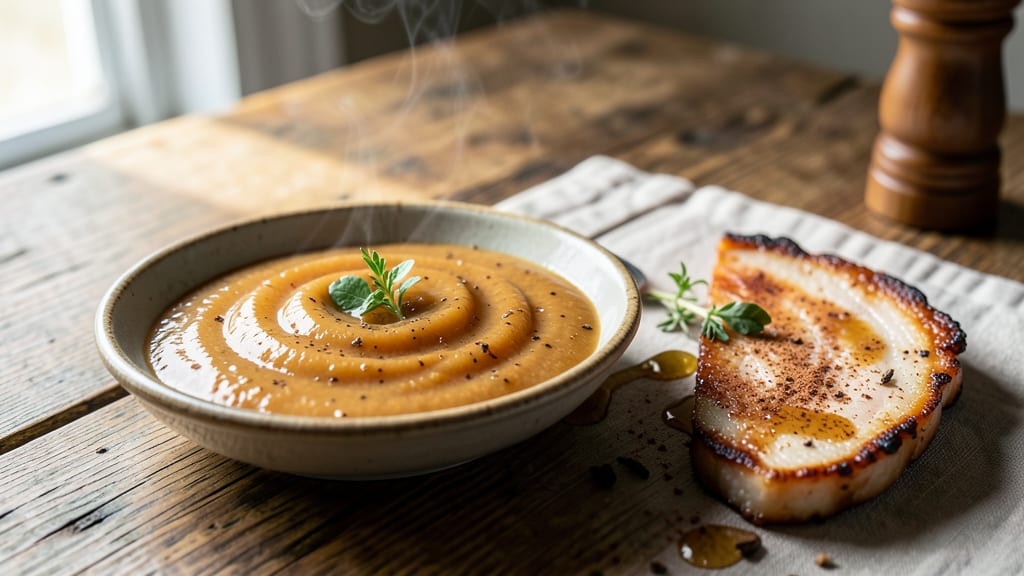
This apple sauce recipe for pork UK—made with the perfect balance of Bramley apples—transforms humble ingredients into a velvety, spiced companion that elevates every bite of pork. 💛 Growing up in Georgia, I learned how the right sauce could turn simple pork into a centerpiece, and this version—slow-cooked with cinnamon, cloves, and a touch of mustard—delivers that perfect balance of sweetness and depth.
The UK-inspired twist comes from using Bramley apples, which hold their shape beautifully while releasing natural sugars that caramelize into a glossy finish.
The beauty of this sauce lies in its versatility and simplicity. With just six core ingredients—apples, pork fat (for richness), spices, a splash of vinegar, and a hint of mustard—you create a sauce that's complex enough to stand alone but humble enough to let the pork shine.
The slow cooking process develops layers of flavor without requiring constant attention, making it ideal for busy weeknights or special occasions. I've perfected this technique over years of cooking for crowds at The Smoky Pig, where the right sauce can turn a simple pork roast into a showstopper.
What you'll end up with is a smooth, aromatic apple sauce that's neither too sweet nor too tart, with just enough spice to complement pork's natural richness. The texture is velvety yet still has body, clinging perfectly to roasted cuts or glazing crispy pork belly.
This isn't just a sauce—it's the secret weapon that transforms ordinary pork into something extraordinary, whether you're serving it at a family dinner or a restaurant-quality meal.
The best part? This sauce keeps beautifully in the refrigerator for up to two weeks, so you can make a big batch and use it throughout the season. The flavors actually improve as it sits, developing even deeper complexity.
Store it in airtight containers, and you'll always have a ready-made companion for your next pork dish. Let's make this sauce that brings out the best in pork.
Ingredients for apple sauce recipe for pork uk
Six simple ingredients transform into velvety apple sauce that makes pork unforgettable.
| Ingredient | Amount | Notes |
|---|---|---|
| Bramley Apples 🍎 | 4 medium | Peeled and cored |
| Pork Fatback 🥓 | 4 oz | Diced into small cubes |
| Granulated Sugar 🍚 | ¼ cup | Light brown preferred |
| Ground Cinnamon 🌿 | 1 tsp | Freshly ground preferred |
| Ground Cloves 🌶️ | ¼ tsp | Whole cloves crushed |
| Apple Cider Vinegar 🍶 | 1 tbsp | For tangy balance |
| Dijon Mustard 🍯 | 1 tsp | For subtle depth |
| Water 💧 | ½ cup | For slow cooking |
Bramley apples are the secret weapon here—British grocery stores or specialty shops carry them, but if you can't find them, Granny Smiths work in a pinch. Look for firm, unblemished apples with vibrant color. The pork fatback adds incredible richness—ask your butcher for the leaf fat, which has the best flavor. If you're using pre-diced fatback, pat it dry first to prevent excess moisture. The sugar isn't just for sweetness—it helps caramelize the apples for that glossy finish. I always grab British Sugar light brown sugar if I can find it, but regular granulated works perfectly fine.
No Bramley apples? Fuji or Honeycrisp apples hold up well too, though they'll break down faster. Running short on pork fat? Unsalted butter or coconut oil works in a bind, but use half the amount—fatback has more flavor. The cloves can be tricky to find whole, but ground cloves in spice jars at Penzeys or Whole Foods are potent. For extra depth, toast your spices in a dry pan for 30 seconds before adding. The apple cider vinegar is non-negotiable—it cuts through the sweetness and balances the spices. No vinegar? Lemon juice at half the amount gets you close, but you'll lose that classic apple cider tang.
This sauce tastes even better the next day—make a double batch and store in airtight containers. Keeps for 2 weeks in the fridge or 6 months frozen. For freezing, portion into ice cube trays first, then transfer to a bag. Thaw overnight in the fridge before reheating. The texture thickens as it cools, so add a splash of water when reheating if it's too stiff. Trust me, this sauce is worth every minute of slow cooking—it's the perfect partner for pork roasts, sausages, or even as a glaze for pork belly.
Why You'll Love This Recipe
- Fewer Cuts, More Flavor: I swear by this recipe because you barely need a knife—just peel, core, and chop those Bramleys roughly. The fatback renders down into crispy, caramelized bits while you stir, so you’re basically hands-off after the initial chop.
- Spiced Like Sunday Dinner: That combo of cinnamon and cloves? It’s the kind of warmth that makes you slow down and savor every bite. The sugar doesn’t overpower—it just melts into the apples until the sauce is sweet-tart perfection, with the pork fatback adding a deep, savory edge.
- Leftovers That Don’t Let You Down: This sauce actually improves the next day—thicker, richer, and even more flavorful. I keep a jar in the fridge for quick pork chops, roasts, or even slathered on toast (yes, really). No sad, watery leftovers here.
- Budget-Friendly Luxury: Bramleys are cheap, fatback stretches the filling, and a pinch of spices goes a long way. It’s the kind of recipe where you feel fancy without spending a fortune. Honestly, I make this more often than takeout—it’s that good.
Step-by-step instructions for slow-cooked apple sauce with pork fatback
Here's how to create a rich, aromatic apple sauce that pairs perfectly with pork—sweet, spiced, and deeply flavorful.
🔥 Step 1: Render the Pork Fatback Until Golden
Heat a heavy-bottomed saucepan over medium heat and add the 4 oz diced pork fatback. Let it cook undisturbed for 5-7 minutes until the fat begins to render and the pieces turn golden brown. Stir occasionally to prevent burning—this is where all the rich pork flavor develops.
Once the fatback is crispy and the fat has rendered out (you should have about 2 tablespoons of golden liquid), remove it from the pan with a slotted spoon and set it aside on paper towels. Don't drain the fat—it's the foundation of your sauce's depth. This step builds the savory base that balances the sweet apples perfectly.
🍳 Step 2: Sauté Apples Until Soft and Golden
In the same pan (with the rendered pork fat), add the 4 peeled and cored Bramley apples, cut into ½-inch chunks. Cook over medium heat for 8-10 minutes, stirring occasionally, until the apples begin to soften and develop a slight golden color. The Bramleys' natural tartness will mellow as they cook.
Here's the thing—don't rush this step. You want the apples to break down just enough to release their juices but still retain some texture. When they're tender enough to pierce easily with a fork but not mushy, it's time to add the spices. The slight caramelization from this cooking step adds incredible depth to the finished sauce.
👨🍳 Step 3: Build the Spiced Apple Sauce
Add the 0.25 cup granulated sugar, 1 tsp ground cinnamon, 0.25 tsp ground cloves, 1 tbsp apple cider vinegar, and 1 tsp Dijon mustard to the pan. Stir well to coat the apples completely. The vinegar brightens the flavors while the mustard adds a subtle tang that cuts through the sweetness.
Pour in the 0.5 cup water and bring the mixture to a gentle simmer. Here's where the magic happens: let it cook uncovered for 15-20 minutes, stirring occasionally, until the apples are completely tender and the sauce has thickened. You're looking for a consistency that's smooth but still clings to the back of a spoon—somewhere between chunky and completely pureed.
⏰ Step 4: Finish and Rest for Perfect Texture
Once the sauce reaches your desired thickness, stir in the reserved crispy pork fatback. This adds back all that delicious rendered fat and creates those beautiful pockets of flavor in every spoonful. Taste and adjust the seasoning if needed—you might want to add a pinch more cinnamon or a splash more vinegar to balance the sweetness.
Transfer the sauce to a clean jar or bowl and let it cool completely before serving. I know it's tempting to dig in immediately, but letting it rest for 30 minutes allows the flavors to meld even more. The sauce will thicken slightly as it cools, giving you that perfect spreadable consistency that pairs so well with pork roasts or sausages.
🍽️ Step 5: Serve Warm or Store for Later
Serve the apple sauce warm alongside your pork dishes—it's especially delicious with roasted pork shoulder or pork chops. If you're making this ahead, it actually tastes even better the next day as the flavors continue to develop. Store any leftovers in an airtight container in the refrigerator for up to 5 days or freeze for up to 3 months.
This sauce is versatile too—use it as a glaze for pork roasts, a topping for pork pies, or even as a filling for pastries. The perfect balance of sweet, spice, and savory pork fatback makes it a showstopper for any pork-centered meal.
Pro Tips For Making Apple Sauce Recipe For Pork Uk
- Trim the Fatback Properly: Cut pork fatback into ½-inch cubes—no bigger, or it’ll render unevenly and leave greasy gaps in your sauce. I learned this the hard way when my first batch turned into a greasy puddle instead of a glossy glaze.
- Core Those Apples: Remove the cores before peeling—it’s faster and keeps the flesh intact. I used to peel first, then core, and ended up with bruised apples that turned mushy. A paring knife works, but a corer saves time if you’re making this often.
- Simmer, Don’t Boil: Keep the heat low and steady once the apples are soft—boiling turns the sauce watery and dulls the cinnamon-clove flavor. After 20 minutes, if it’s not bubbling gently, you’re doing it wrong.
- Toast the Spices First: Bloom the cinnamon and cloves in the fatback fat for 30 seconds before adding apples—this wakes up their aroma and cuts through the pork’s richness. Skip this, and your sauce tastes like dessert, not savory-sweet.
Common mistakes when making this recipe
Overcooking the Apples
One of the most common mistakes is letting the apples turn to mush. Bramley apples break down quickly when overcooked, resulting in a gluey, unappealing texture. I’ve seen this happen when people rush the process or keep the heat too high.
The goal is tender but still intact apple pieces—think of them as holding their shape like small, soft coins. If your sauce starts looking like applesauce from a jar, you’ve gone too far. 🍎
Skipping the Pork Fatback
Some cooks try to cut corners by replacing pork fatback with butter or oil, but this changes the entire flavor profile. That rendered fatback isn’t just fat—it’s packed with porky richness that balances the sweetness. If you skip it, your sauce will taste flat and lack depth.
Even if you’re using lean pork, ask your butcher for the leaf fat—it’s worth the effort for that unmistakable flavor. Trust me, your pork dishes will thank you.
Ignoring the Vinegar
The apple cider vinegar might seem like an afterthought, but it’s crucial for cutting through the sweetness and adding brightness. Without it, your sauce can taste cloying or overly sugary. I’ve seen recipes where cooks forget this step, and the result is a sauce that’s just too sweet.
A splash of vinegar (or lemon juice in a pinch) keeps everything in balance. It’s the secret to that perfect harmony of flavors.
Not Resting the Sauce
Another big mistake is serving the sauce immediately after cooking. Rushing this step means missing out on the full development of flavors. When you let the sauce rest for at least 30 minutes, the spices meld together, and the texture thickens just enough to be perfect.
I’ve had guests ask why their sauce was watery—it’s because they didn’t give it time to settle. Patience here makes all the difference. ⏳
Using the Wrong Apples
Bramley apples are the star of this sauce, but I’ve seen people use Honeycrisp or Gala apples instead. While these work in a pinch, they lack the tartness and firmness that Bramleys provide. If you can’t find Bramleys, Granny Smiths are a decent substitute, but expect a slightly different texture.
The key is choosing apples that hold their shape while cooking—this ensures your sauce has the right body and flavor. Don’t compromise on this step if you want that authentic UK-inspired taste.
Over-Spicing or Under-Spicing
Cloves and cinnamon are the soul of this sauce, but it’s easy to overdo it. Too much spice can make the sauce taste bitter or overpowering, while too little leaves it bland. I recommend starting with the exact amounts listed and tasting as you go.
If you’re unsure, add spices gradually—you can always adjust later. The goal is a warm, aromatic flavor that complements the pork without stealing the show. Balance is everything here. 🌶️
Nutrition facts
Frequently asked questions
Can I use this sauce with other meats besides pork?
While this sauce is specifically designed to complement pork, it works beautifully with chicken and turkey too! The apple and spice combination pairs well with lean proteins, though the pork fatback gives it that signature richness. For beef, you might want to add a pinch of smoked paprika to enhance the savory notes.
How do I adjust the sweetness if I prefer less sugar?
Start by reducing the sugar to 2 tablespoons instead of 0.25 cup. For extra tartness, add an additional 0.5 tablespoon lemon juice or increase the apple cider vinegar to 1.5 tablespoons. Remember, Bramley apples are naturally tart, so you might need less adjustment than you expect!
What's the best way to reheat leftover sauce?
Gently warm the sauce in a saucepan over low heat with a splash of water (1-2 tablespoons) to restore its original consistency. Stir frequently to prevent sticking. For microwave reheating, use 30-second intervals on low power, stirring between each. Never boil the sauce—this can make it too thin.
Can I make this sauce in a slow cooker? Combine all ingredients in your slow cooker and cook on low for 4-5 hours instead of stovetop. The slow cooker method actually enhances the flavors even more. Just
Why does my sauce look watery after cooling?
This happens when the sauce cools too quickly or you didn't let it rest properly. Let it sit at room temperature for 30 minutes before refrigerating. If it's still too thin, reheat gently with 1 tablespoon cornstarch mixed with 2 tablespoons water until thickened. The sauce should have a velvety consistency that clings to the back of a spoon.