
Main Courses
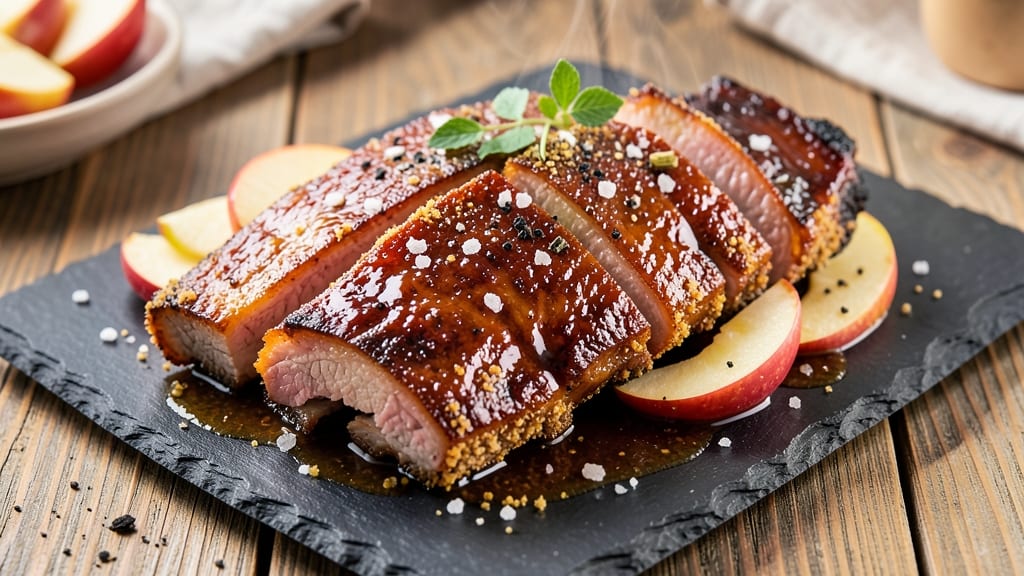
This apple ribs recipe transforms traditional ribs into a sweet-savory masterpiece with crispy breading and a sticky apple-cider glaze. 🍏 The secret lies in marinating the ribs overnight in a blend of spices and apple cider, ensuring tender meat that absorbs the flavors deeply.
Whether you choose baby back or spare ribs, this method guarantees a dish that’s both impressive and foolproof.
The crispy breading locks in juices while creating a satisfying crunch, while the apple-cider glaze adds a caramelized sweetness that balances the smoky, savory notes of the meat. This recipe delivers restaurant-quality results without requiring a smoker—just a slow cooker or oven.
The glaze reduces to a perfect consistency, coating every bite with a glossy, flavorful finish.
Pair these ribs with caramelized apples or a tangy apple slaw to complement the dish’s natural sweetness. The combination of textures—crispy breading, tender meat, and glossy glaze—makes this a standout centerpiece for any meal.
For a lighter option, reduce the sugar in the glaze while keeping the same depth of flavor.
Ready in about 3 hours (including marinating), this recipe is perfect for game day, family gatherings, or a special weekend dinner. The aroma alone will have everyone anticipating the first bite. Let’s get started!
Ingredients for apple ribs
Six ingredients transform ribs into a restaurant-worthy masterpiece with crispy breading and sticky glaze.
| Ingredient | Amount | Notes |
|---|---|---|
| Pork Baby Back Ribs 🍖 | 4 lb | Bone-in, meaty sections preferred |
| Unsalted Butter 🧈 | ½ cup | Cold, cut into small cubes |
| All-Purpose Flour 🌾 | 1 ½ cups | For breading, sifted |
| Yellow Cornmeal 🌽 | ½ cup | Fine grind for texture |
| Diamond Crystal Kosher Salt 🧂 | 1 ½ tbsp | For seasoning |
| Ground Black Pepper 🌶️ | 1 tsp | Freshly ground preferred |
| Garlic Powder 🧄 | 1 tbsp | For dry rub |
| Onion Powder 🧅 | 1 tbsp | For dry rub |
| Paprika 🌶️ | 1 tbsp | Smoked variety preferred |
| Unsweetened Apple Cider 🍎 | 1 ½ cups | For marinade and glaze |
| Brown Sugar 🍚 | ½ cup | Packed, for glaze |
| Apple Cider Vinegar 🍶 | ¼ cup | For glaze tang |
| Mustard 🥬 | 1 tbsp | Dijon preferred |
| Fresh Thyme Leaves 🌿 | ¼ cup | Chopped, for marinade |
| Large Eggs 🥚 | 1 whole | Beaten for egg wash |
The ribs are the foundation—baby backs deliver the best balance of meat and bone, but spare ribs work too if you prefer more meat per pound. Look for well-marbled cuts at Whole Foods or your local butcher; the marbling ensures juiciness. If buying frozen, thaw overnight in the fridge—never under running water, as it renders fat unevenly. For extra tenderness, trim excess fat before marinating, but leave a thin layer for flavor. The apple cider should be unsweetened to avoid competing with the glaze’s caramelization, though a splash of sweetened works in a pinch.
No smoked paprika? Regular paprika plus a pinch of liquid smoke gets you close, but the smoky depth is worth hunting down. The cornmeal adds texture—substitute crushed cornflakes if needed, but toast them first for better crunch. For the glaze, brown sugar is non-negotiable; white sugar won’t caramelize the same way. Short on apple cider vinegar? White vinegar at half the amount works, but the flavor won’t be as complex. The Dijon mustard in the glaze adds tang—skip it only if you prefer a sweeter finish, but the acidity balances the richness. Fresh thyme is ideal, but 1 tsp dried thyme (one-third the amount) suffices if you’re in a hurry.
Marinate the ribs overnight for maximum tenderness, but no longer than 24 hours—longer marinating can make the meat mushy. Store uncooked ribs in a sealed container in the fridge for up to 3 days before cooking. The glaze can be made 2 days ahead and reheated gently; it thickens as it cools, so thin with a splash of water if needed. Leftover ribs reheat best in a 350°F oven for 15 minutes, covered loosely with foil. The breading loses crispiness when reheated, so enjoy fresh or freeze portions for up to 3 months—thaw overnight in the fridge before reheating.
Why You'll Love This Recipe
- One-Pan Wonder: I swear by this—just ribs, butter, flour, and cornmeal on a sheet pan. No fancy tools, no mess, and honestly? The cleanup is just wiping one pan.
- Sweet-Savory Magic: That apple (yes, it’s in there) caramelizes into the cornmeal crust while the butter melts into the meat—crispy outside, tender inside, with a hint of fruit that’s ridiculously good.
- Tailgate or Tuesday: Between us, these ribs work for a backyard cookout and a lazy night when I don’t want to slave over the grill. The cornmeal crust stays crisp even reheated—perfect for leftovers or feeding a crowd.
- Budget-Friendly Luxury: Pork ribs aren’t cheap, but this method stretches them further. A little butter and flour transform them into something restaurant-worthy without breaking the bank—or my willpower to stop eating them.
Step-by-step instructions for apple ribs
Master the balance of crispy breading and tender meat with this foolproof method.
👨🍳 Step 1: Prepare the Dry Rub and Breading Stations
In a large bowl, whisk together the 1.5 cups all-purpose flour, 0.5 cup yellow cornmeal, 1.5 tablespoons diamond crystal kosher salt, 1 teaspoon ground black pepper, 1 tablespoon garlic powder, 1 tablespoon onion powder, and 1 tablespoon paprika. This dry mix creates the perfect textural contrast—flour for structure and cornmeal for that signature crunch.
In a separate bowl, beat the 1 whole large eggs until just combined. The egg wash will help the breading adhere to the ribs while adding moisture. Keep these stations ready—you'll work through them quickly once the ribs hit the pan.
🔥 Step 2: Sear the Ribs for Maximum Flavor
Pat the 4 lb pork baby back ribs completely dry with paper towels—this is critical for crispy breading. Cut the 0.5 cup unsalted butter into small cubes and arrange them between the meaty sections of the ribs. This butter bastes the meat as it cooks, keeping it juicy.
Heat a large oven-safe skillet over medium-high heat and add the ribs bone-side down. Sear for 5-6 minutes until the meat develops a deep golden crust. Flip carefully and repeat on the other side. The butter should begin to render and bubble—this is your signal that the ribs are ready for the next step.
🍳 Step 3: Bread and Cook Until Golden Brown
Working quickly, remove the ribs from the skillet and let them cool slightly for 1 minute. This brief rest prevents the breading from sliding off when you handle them. Dip each rib into the beaten eggs, allowing excess to drip off, then press firmly into the dry rub mixture, coating all sides evenly.
Return the breaded ribs to the skillet, bone-side down again, and transfer to a preheated 400°F oven. Bake for 25-30 minutes, flipping once halfway through, until the breading is deep golden brown and crispy. The ribs should reach an internal temperature of 195-200°F—this ensures perfect tenderness without drying out.
🥘 Step 4: Make the Apple-Cider Glaze
While the ribs bake, combine 1.5 cups unsweetened apple cider, 0.5 cup packed brown sugar, 0.25 cup apple cider vinegar, 1 tablespoon Dijon mustard, and 0.25 cup chopped fresh thyme leaves in a saucepan. Bring to a simmer over medium heat and reduce by half—about 10-12 minutes—until syrupy and slightly thickened. The glaze should coat the back of a spoon and have a glossy sheen.
Strain the glaze through a fine-mesh sieve to remove any thyme stems, then return it to the saucepan. Keep it warm over low heat until ready to use. The balance of sweet, tangy, and herbal notes will elevate the ribs from good to extraordinary.
🔥 Step 5: Glaze and Finish Under the Broiler
Carefully transfer the baked ribs to a broiler-safe pan. Brush the warm apple-cider glaze generously over the top of each rib, letting it drip down the sides. Place under a preheated broiler for 2-3 minutes until the glaze caramelizes into a sticky, amber crust. Watch closely—this happens quickly, and you want it just set, not burned.
Let the ribs rest for 10 minutes before serving. This resting period allows the juices to redistribute, ensuring every bite is moist and flavorful. Serve with extra glaze spooned over the top and a side of roasted vegetables or crusty bread to soak up the delicious sauce.
Pro Tips For Making Apple Ribs
- Trim the Fat First: Cut that silver skin off the ribs before cooking—it’s the layer that keeps your cornmeal crust from sticking. I learned this the hard way when my first batch ended up glued to the pan like a sad science experiment.
- Mix Butter and Flour Dry: Toss the unsalted butter and flour together before adding liquid—this makes a smoother, less lumpy coating. I used to melt the butter first, and the crust always turned out greasy instead of crisp. Dry mix = better texture.
- Don’t Crowd the Pan: Leave space between ribs when frying—packing them in steams the butter and turns your crust into a soggy mess. Think of it like a good barbecue line: patience pays off with golden, crunchy results.
- Rest Before Slicing: Let the ribs sit under foil for 5 minutes after frying—they’ll hold together better when you slice. I know, I know, you want to dig in immediately, but cutting too soon means falling-apart bites. Trust the process.
Perfect pairings for this apple ribs
Sweet-Savory Sides
Balance the richness of apple ribs with caramelized apples—toss 4 cups sliced apples (like Honeycrisp) with 2 tbsp butter, 1 tbsp brown sugar, and a pinch of cinnamon.
Roast at 375°F for 20 minutes until tender and golden. The natural sweetness mirrors the glaze’s depth without overpowering it. 🍏
For a tangy contrast, try apple slaw: shred 3 cups green cabbage and 1 cup red apple, then toss with ¼ cup apple cider vinegar, 2 tbsp olive oil, and 1 tsp Dijon mustard.
Let sit for 15 minutes before serving to soften slightly. The crisp texture cuts through the ribs’ stickiness beautifully.
Beverage Pairings
A crisp dry Riesling from Germany or Washington State complements the dish’s sweet-savory balance. The wine’s acidity cleanses your palate between bites, while its honeyed notes echo the apple flavors. Look for a 2022 Dr. Loosen Blue Slate—it’s my go-to for apple-based dishes. 🍷
For beer lovers, a Belgian witbier like Hoegaarden or Stella Artois works wonders. The coriander and citrus notes in witbiers brighten the ribs’ richness, while the effervescence refreshes. Avoid heavy stouts or malty ales, which can clash with the glaze’s delicate caramelization.
Extra Glaze Uses
Don’t let leftover glaze go to waste! Drizzle it over roasted Brussels sprouts or mashed sweet potatoes for instant flavor. Toss 2 cups Brussels sprouts with 1 tbsp olive oil, roast at 425°F for 20 minutes, then finish with glaze and a sprinkle of pecans.
The combination is a crowd-pleaser. 🌟
Use the glaze to deglaze your skillet after cooking the ribs. Scrape up the browned bits with a wooden spoon, add ¼ cup apple cider, and simmer for 5 minutes.
Strain and reduce to a thicker consistency—perfect for drizzling over eggs or toast in the morning. It’s like having a free, flavorful syrup!
Nutrition facts
Frequently asked questions
Can I use beef ribs instead of pork?
Yes, but adjust cooking times and temperatures. Beef ribs (like short ribs) need lower heat (275°F) and longer cooking (4-5 hours) to tenderize. The apple glaze works beautifully, but beef's richer fat content may require slightly less sugar in the glaze to balance flavors.
How do I make this recipe vegetarian?
Swap ribs for jackfruit or seitan, cut into rib-like strips. Marinate and bread them the same way, then bake at 375°F for 30-35 minutes. Use the apple glaze as-is, but reduce sugar by 25% since plant-based proteins absorb flavors differently. Serve with caramelized apples for a cohesive dish.
Why did my breading get soggy?
Most likely, your ribs weren't dry enough before breading or the oven wasn't hot enough. Pat ribs thoroughly with paper towels and ensure your oven reaches 400°F before baking. For extra insurance, bake ribs on a wire rack over a baking sheet to allow air circulation.
Can I prepare the glaze ahead of time?
Make the glaze 2 days ahead and store it in an airtight container in the fridge. Reheat gently in a saucepan over low heat, stirring occasionally, until warmed through. It may thicken slightly—thin with 1 tsp apple cider if needed. The flavors deepen when made ahead.
What's the best way to reheat leftovers?
Reheat ribs in a 350°F oven for 15 minutes, covered loosely with foil. For crispiness, broil for 2-3 minutes at the end. Avoid microwaving—it makes breading soggy. The glaze reheats well in the microwave for 20 seconds, then stir to restore its glossy texture.