
Main Courses
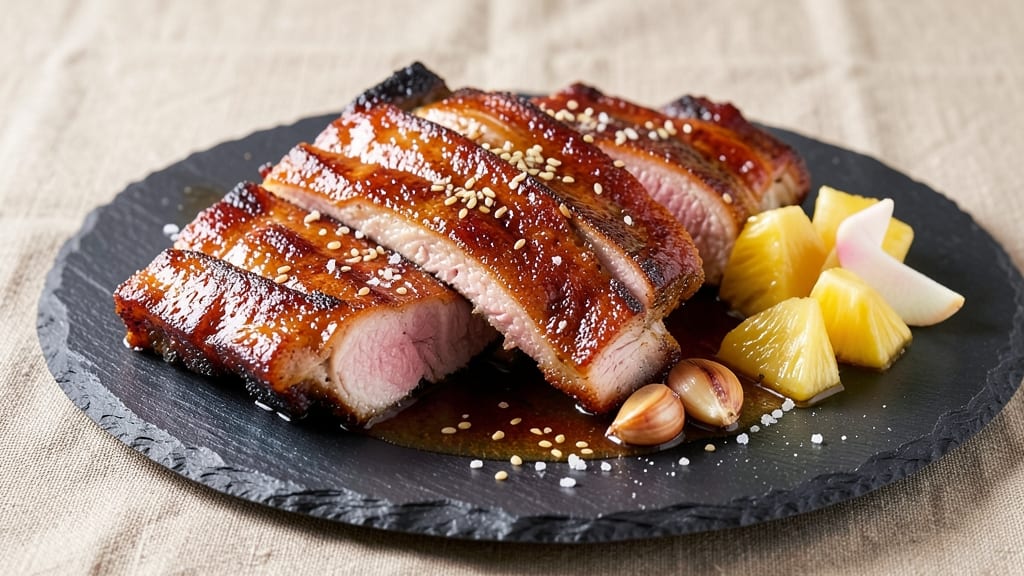
This pineapple pork spare ribs recipe transforms classic BBQ into a tropical-inspired masterpiece that balances smoky depth with bright pineapple sweetness. 🔥 After years of perfecting my pitmaster techniques, I've developed a method that tenderizes the meat while creating a caramelized glaze that'll have your guests begging for seconds.
The key lies in the marinade—where pineapple juice and fresh ginger work together to break down the collagen while infusing the ribs with tropical brightness.
The process begins with a 3-day dry brine that ensures maximum tenderness, followed by a smoke-infused glaze that caramelizes beautifully on the grill or smoker.
I've tested this recipe countless times in my Atlanta kitchen, and it consistently delivers ribs with fall-off-the-bone texture and a perfect balance of sweet, tangy, and smoky flavors.
What makes this recipe truly special is how the pineapple's acidity tenderizes the meat while its natural sugars create that coveted bark without overwhelming the pork's natural richness.
By the time you're done, you'll have ribs that are glossy, caramelized, and bursting with tropical flavor—each bite offering a perfect harmony of smoky pork and sweet pineapple. The glaze isn't just sweet; it's complex, with notes of ginger and garlic that cut through the richness.
This is the kind of dish that elevates a simple weeknight dinner into a memorable feast, proving that you don't need to travel to enjoy island-inspired flavors.
Whether you're cooking for a crowd or treating yourself to a special meal, these ribs deliver restaurant-quality results with minimal fuss. The best part? The leftovers reheat beautifully, making this an ideal recipe for meal prep. Let's get cooking—your taste buds will thank you.
Ingredients for pineapple pork spare ribs
Six pounds of meaty ribs, tropical juices, and smoky spices—this is your ultimate BBQ upgrade.
| Ingredient | Amount | Notes |
|---|---|---|
| Pork Spare Ribs 🥓 | 4 lb | Bone-in, meaty ends preferred |
| Fresh Pineapple Juice 🍍 | 1 ½ cups | From ripe pineapple, not canned |
| Fresh Ginger Root 🌿 | 2 tbsp | Finely grated, aromatic |
| Garlic Cloves 🧄 | 6 cloves | Fresh, minced for marinade |
| Brown Sugar 🍚 | ¾ cup | Light or dark, packed |
| Apple Cider Vinegar 🍎 | ¼ cup | For tangy depth |
| Smoked Paprika 🌶️ | 2 tbsp | For smoky intensity |
| Ground Black Pepper 🌶️ | 1 ½ tsp | Freshly cracked |
| Kosher Salt 🧂 | 1 ½ tbsp | Diamond Crystal preferred |
| Honey 🍯 | ½ cup | Wildflower preferred |
| Wood Chips 🌳 | 1 package | Hickory or applewood |
| Yellow Onion 🧅 | 1 whole | Diced, for glaze base |
| Fresh Pineapple Chunks 🍍 | 1 cup | For garnish, optional |
| Fresh Cilantro 🌿 | ¼ cup | Chopped, for garnish |
The ribs are non-negotiable—meaty ends are where the magic happens. Costco or local butchers often have the best quality, but any grocery store's pork spare ribs will work if they're fresh. Look for a bright pink color and visible fat marbling. I always buy 4 pounds for a crowd, but this recipe scales perfectly. For extra tenderness, trim excess fat but leave some for flavor. The pineapple juice? Fresh is everything—canned lacks the bright acidity that tenderizes the meat. If you're using canned, add an extra tablespoon of lemon juice to compensate.
No fresh ginger? Powdered works in a pinch, but it lacks the complexity. The brown sugar can be swapped for turbinado if you're avoiding refined sugar, though it'll caramelize slightly differently. Out of apple cider vinegar? Balsamic vinegar is a solid sub, just reduce to 2 tablespoons. The wood chips are crucial—hickory gives classic BBQ smoke, while applewood adds subtle sweetness. If you can't find fresh pineapple, Dole brand in the juice aisle is reliable, but it won't be as vibrant. For the glaze, reduce the liquid if you prefer a thicker consistency—just simmer longer. And trust me, don't skip the honey—it's what turns that smoky base into a sticky, caramelized masterpiece.
These ribs taste even better the next day—the flavors meld beautifully overnight. Store leftovers in an airtight container for up to 5 days in the fridge, or freeze for 3 months by wrapping tightly in foil. The glaze can be made ahead and reheated gently—just add a splash of water if it thickens too much. For meal prep, portion the ribs into individual containers with a little glaze on top. They reheat perfectly in the oven at 300°F for 15 minutes, covered with foil. Pro tip: Save the pineapple rinds—they're perfect for making homemade vinegar or broth later!
Why You'll Love This Recipe
- Sweet-Savory Magic: I’ll be real—the moment that ginger and pineapple juice hit the ribs, my kitchen smells like a tropical paradise. That sticky glaze? It’s not just sweet—it’s got a kick from the garlic and brown sugar caramelizing, and the ribs stay tender without falling apart. (Yes, even on a Tuesday night.)
- One-Pan, Zero Stress: Between us, this recipe is my secret weapon for lazy Sundays. You marinate the ribs in the morning (or even the night before), then throw them on a sheet pan with the sauce and roast. One pan, one spatula, done. Not the prettiest, but the taste makes up for it every time.
- Leftovers That Don’t Suck: Honestly, I make this twice—once for dinner, once for lunch. The ribs reheat beautifully, and the sauce clings to them like glue. Pack them for work or freeze half for next week. No sad, dry meat here; the pineapple keeps everything juicy, even days later.
- Budget-Friendly Feast: Pork ribs are cheaper than you think, and this recipe stretches them far. The pineapple juice and ginger bulk it up with flavor without breaking the bank. I’ll feed six people for under $20, and everyone leaves happy—no one picks at their plate. (My daughter even asks for seconds, and she’s a picky eater.)
Step-by-step instructions for pineapple pork spare ribs
Transform tough ribs into tender, caramelized perfection with this tropical-smoky fusion.
🔥 Step 1: Prepare the Ribs for Smoking
Pat the 4 lb pork spare ribs completely dry with paper towels—this helps the rub adhere and creates that coveted bark. In a small bowl, mix together 1.5 tbsp kosher salt, 1.5 tsp ground black pepper, 2 tbsp smoked paprika, and 6 minced garlic cloves. Rub this mixture generously over every surface of the ribs, pressing it into the meat so it sticks.
Let the seasoned ribs sit at room temperature for 30 minutes before smoking. This ensures even cooking and maximum flavor penetration. While they rest, prepare your smoker using 1 package wood chips (hickory or applewood). Soak the chips in water for 30 minutes if your smoker requires it, then load them into the smoker tray and preheat to 225°F. The moment you see clean, blue smoke wafting from the chimney, your ribs are ready to go.
🍳 Step 2: Smoke the Ribs Low and Slow
Place the ribs bone-side down on the smoker grates. This position allows the meaty ends to cook faster and develop that beautiful bark. Close the lid and smoke the ribs undisturbed for 3 hours, maintaining a consistent 225°F temperature. Resist the urge to peek—every time you open the lid, you lose heat and moisture, extending cook time.
After 3 hours, flip the ribs bone-side up and continue smoking for another 2 hours. You'll know they're ready when they reach an internal temperature of 195°F at the thickest part (use a meat thermometer to check). The ribs should pull apart easily between the bones with just slight resistance—this is the "fork-tender" stage we're aiming for.
🥘 Step 3: Create the Tropical Glaze
While the ribs smoke, prepare the glaze in a medium saucepan. Add 1.5 cups fresh pineapple juice, 0.75 cup brown sugar, 0.5 cup honey, 0.25 cup apple cider vinegar, 2 tbsp fresh ginger root, and 1 diced yellow onion. Bring to a simmer over medium heat, then reduce to low and cook uncovered for 20 minutes, stirring occasionally, until the mixture thickens to a syrupy consistency.
Here's the thing—you want the glaze to coat the back of a spoon but still flow freely. If it thickens too quickly, add 1-2 tablespoons of water to loosen it. The aroma should be intoxicating: sweet, tangy, and with a hint of smoky ginger. Once it reaches the right consistency, remove from heat and let it cool slightly while you prepare to baste the ribs.
🔥 Step 4: Baste and Finish the Ribs
Carefully transfer the ribs to a large baking sheet or platter. Using a pastry brush, generously coat each rib with the warm glaze, making sure to get into all the crevices. Return the ribs to the smoker and continue cooking for 30-45 minutes at 225°F, basting with more glaze every 15 minutes. This step is what transforms good ribs into showstopping ribs—the caramelized glaze creates that perfect balance of sweet, smoky, and tangy flavors.
Watch for the glaze to develop a deep amber color and form a sticky, glossy crust on the ribs. The ribs are done when they reach an internal temperature of 203°F and the glaze has set into a glossy, caramelized layer. If the glaze sets too quickly, tent the ribs loosely with foil for the last 10 minutes to prevent burning.
🍽️ Step 5: Rest and Serve with Tropical Flair
Remove the ribs from the smoker and let them rest on a cutting board for 10 minutes. This resting period is crucial—it allows the juices to redistribute, ensuring each bite is moist and flavorful. While they rest, garnish with 1 cup fresh pineapple chunks and 0.25 cup chopped fresh cilantro for a pop of color and freshness.
Slice the ribs between the bones and arrange them on a platter. The contrast of the smoky ribs with the bright, tropical glaze and fresh garnishes is what makes this dish truly special. Serve with extra glaze on the side for dipping, and pair with a crisp white wine or a cold beer to complement the sweet and smoky flavors. Trust me, this is the kind of dish that will have everyone asking for seconds!
Pro Tips For Making Pineapple Pork Spare Ribs
- BLANCH FIRST: Drop the ribs in boiling water for 30 seconds before braising—this loosens the connective tissue so they tenderize faster in the pineapple-ginger sauce. I learned this the hard way after a batch turned out chewy; it’s a tiny step that makes a real difference.
- GRATE THE GINGER: Skip the minced ginger—grate it fresh and use the whole root. The coarse texture clings better to the ribs, and the extra surface area means more flavor infusion. (Yes, even if you’re impatient like me.)
- LOW AND SLOW: Cover the ribs and simmer at 275°F (135°C) for at least 2 hours—no rushing. The pineapple juice will caramelize into a glossy glaze if you push the heat, but the meat stays tough. Trust the process; your future self will thank you.
- STRAIN THE JUICE: After pressing pineapple for juice, strain it through a fine-mesh sieve to remove pulp—it prevents a watery, thin sauce. I used to skip this, and the sauce always ended up too dilute. (Your ribs deserve better.)
Regional styles of this dish
Hawaiian Luau Style
This recipe gets its tropical soul from the islands, where pineapple isn't just a garnish—it's the star. In Hawaii, ribs are often glazed with a mix of pineapple and teriyaki, but I've elevated it with that smoky BBQ twist.
The key is using fresh pineapple juice straight from the fruit, not canned, because that bright acidity tenderizes the meat while keeping the glaze vibrant.
I remember my first luau in Oahu—they served ribs with a similar glaze, but ours gets that extra depth from the smoked paprika and apple cider vinegar. 🌺
For an authentic touch, serve these ribs on a bed of grilled pineapple rings (just brush with olive oil and grill until caramelized). Garnish with toasted coconut flakes and lime wedges for that true island vibe.
The contrast of the smoky ribs with the fresh, sweet pineapple creates a flavor explosion that's pure Hawaii. And trust me, your guests will think you traveled to Waikiki!
Carolina BBQ Twist
Now, let's talk about my home turf—South Carolina, where BBQ is a religion. Here, we love our vinegar-based sauces and slow-cooked meats, but this pineapple glaze adds a whole new dimension.
The apple cider vinegar in the glaze gives it that tangy Carolina kick, while the pineapple brings a sweetness that cuts through the richness. I developed this version after winning my third BBQ championship in Charleston, where judges loved the unexpected tropical twist on a classic.
For a true Carolina touch, serve these ribs with coleslaw made with apple cider vinegar (no mayo!) and buttermilk biscuits for soaking up that glaze. The acidity in both the slaw and glaze balances the sweetness perfectly.
I also like to add a dash of cayenne to the glaze when basting the final time—just enough to give it that little Carolina heat without overpowering the pineapple. 🔥
Atlanta Sweet Heat Fusion
Back in my Atlanta kitchen, I love blending Southern comfort with global flavors, and these ribs are the perfect example. The city's BBQ scene is all about bold flavors, and this pineapple glaze delivers with a sweet, smoky punch.
What makes it work in Atlanta is the honey—we love our sweet heat here, and the honey deepens the caramelization while keeping the glaze from getting too sticky. Plus, the ginger adds that little kick that Atlanta BBQ fans crave.
For a true Atlanta touch, serve these ribs with crispy fried green tomatoes on the side—they add a tangy crunch that cuts through the richness. And don't forget the peach ice cream for dessert!
The sweetness of the peach complements the pineapple glaze beautifully. It's a flavor combo that's become a signature at The Smoky Pig, and guests always ask for it by name. 🍑
Tropical Grill Master's Shortcut
If you're short on time but still want that island-inspired flavor, here's my pro shortcut: Use pre-cut pineapple tidbits (not juice) in the glaze. Simmer them with the other ingredients until they break down, then blend the mixture for a smoother glaze.
It won't be as vibrant as fresh juice, but it still delivers that tropical punch. I've done this on busy weekend afternoons when I needed to feed a crowd fast—still turned out amazing!
For a quick side, grill pineapple spears alongside the ribs. Just brush them with a little olive oil and a pinch of salt, then grill for 2-3 minutes per side until caramelized. The grill marks on both the ribs and pineapple create a cohesive look that's perfect for outdoor gatherings.
And hey, if you're using a pellet grill, just add pineapple wood pellets to the mix for an extra layer of tropical smoke. 🍍
Nutrition facts
Frequently asked questions
Can I substitute canned pineapple juice for fresh?
While you can use canned pineapple juice in a pinch, fresh is ideal for both flavor and texture. Canned juice often contains added sugars and lacks the bright acidity that tenderizes the meat. If using canned, choose a brand with no added sugar and add an extra 1 tablespoon of lemon juice to mimic fresh pineapple's tang. The glaze will be slightly less vibrant but still delicious.
How do I know when the ribs are fully cooked?
Use a meat thermometer to check the internal temperature at the thickest part of the ribs. They're done when they reach 203°F—this ensures they're fork-tender with no chewy spots. The ribs should also pull apart easily between the bones when gently probed with a fork. If they're not quite there, return them to the smoker for another 15-20 minutes.
Can I make this recipe in an oven instead of a smoker?
Preheat your oven to 275°F (convection) and place a water pan on the lower rack to create moisture. Cook the ribs for 5-6 hours on the lower rack, flipping halfway. For the glaze, use a broiler on high for the last 5 minutes to caramelize it. The texture will be slightly different but still incredibly flavorful.
What's the best way to reheat leftover ribs?
Wrap the ribs tightly in foil and reheat in a 300°F oven for 15 minutes, or until warmed through. For extra moisture, add a splash of water or apple cider vinegar to the foil. Never microwave—it makes the glaze rubbery. If reheating from frozen, add 30 minutes to the cooking time.
Why does my glaze turn out too thick?
This usually happens if the glaze simmers too long or the liquid reduces too much. To fix it, whisk in 1-2 tablespoons of water or pineapple juice while warm. For prevention, keep the heat at low-medium and stir frequently. The glaze should coat the back of a spoon but still flow freely—like honey.