
Main Courses
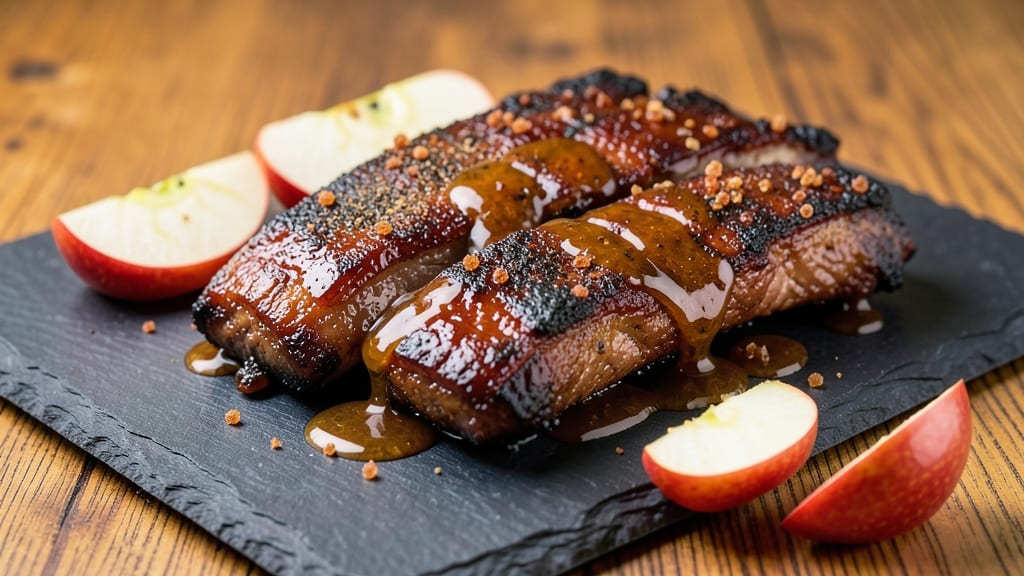
This apple cider vinegar ribs recipe transforms tough pork into melt-in-your-mouth perfection with a tangy glaze that sticks to every bite. The secret lies in the vinegar’s magic—it tenderizes the meat while building a caramelized crust that’s impossible to resist.
I’ve perfected this method over countless backyard cookouts, and it never fails to impress even the most skeptical guests.
The process starts with a dry rub that clings to the ribs, followed by a marinade where apple cider vinegar works its magic. Unlike traditional barbecue methods, this recipe relies on the vinegar’s acidity to break down collagen and create that signature fall-off-the-bone tenderness.
The result? Ribs that are juicy, flavorful, and ready in just a few hours—no long smoker sessions required.
By the time you’re done, you’ll have ribs with a glossy, sticky glaze that balances sweet and tangy notes perfectly. The vinegar’s sharpness cuts through the richness, leaving a clean, satisfying finish.
These ribs shine as the centerpiece of any meal, whether you’re feeding a crowd or treating yourself to a weekend indulgence.
Serve with classic sides like cornbread and coleslaw, or pair them with a crisp green salad for balance. The leftovers reheat beautifully, making this a meal-prep-friendly recipe that delivers restaurant-quality results at home. Let’s get cooking—your taste buds will thank you.
Ingredients for apple cider vinegar ribs
Four pounds of ribs, a tangy vinegar kick, and just the right balance of sweet and spice.
| Ingredient | Amount | Notes |
|---|---|---|
| Pork Baby Back Ribs 🍖 | 4 lb | Bone-in, meaty sections preferred |
| Apple Cider Vinegar 🍎 | 1 cup | Raw, unfiltered preferred |
| Brown Sugar 🍚 | ½ cup | Packed, light or dark |
| Smoked Paprika 🌶️ | 2 tbsp | For deep smoky flavor |
| Ground Black Pepper 🌶️ | 1 ½ tbsp | Freshly cracked preferred |
| Kosher Salt 🧂 | 1 tbsp | Diamond Crystal preferred |
| Garlic Powder 🧄 | 1 tbsp | Not garlic salt |
| Onion Powder 🧅 | 1 tbsp | For depth of flavor |
| Mustard Powder 🍯 | 1 tsp | Adds subtle tang |
| Honey 🍯 | ¼ cup | Wildflower preferred |
| Yellow Mustard 🍯 | 2 tbsp | For glaze consistency |
| Olive Oil 🫒 | 2 tbsp | For rib coating |
| Fresh Rosemary 🌿 | ¼ cup | Chopped, stems removed |
| Fresh Thyme 🌿 | ¼ cup | Leaves only preferred |
| Water 💧 | ½ cup | For marinade base |
The ribs are the star here—bone-in, meaty sections are non-negotiable for that signature fall-off-the-bone tenderness. Look for thick, well-marbled cuts at your butcher or grocery store's meat counter. Costco often has excellent deals on bulk ribs, but check the expiration date since they're pre-packaged. If you're buying whole racks, trim excess fat but leave the membrane intact for now—it'll come off before cooking. The apple cider vinegar should be raw and unfiltered for maximum flavor; brands like Bragg or Texas Pete work perfectly. Fresh herbs are ideal, but if you're using dried, cut the amount in half—Trader Joe's has great affordable options.
No apple cider vinegar? White vinegar or red wine vinegar will work in a pinch, though the flavor will be slightly different. Running short on honey? Maple syrup or agave nectar are great substitutes, though they'll make the glaze slightly thicker. The mustard powder adds depth, but if you're out, Dijon mustard at half the amount works beautifully. For the dry rub, smoked paprika is essential—it's what gives those classic BBQ notes. If you can't find it, a mix of regular paprika and a pinch of liquid smoke will do. The olive oil helps the rub stick to the ribs, but vegetable oil works just as well. Pro tip: Toast your spices in a dry pan for 30 seconds to deepen their flavor—worth the extra minute.
These ribs reheat like a dream—wrap them in foil with a splash of apple juice and bake at 300°F for 15 minutes. They'll keep in the fridge for 3-4 days if stored properly in an airtight container, though they taste best fresh. For longer storage, freeze them for up to 3 months—just thaw overnight in the fridge before reheating. I always make double batches because the leftovers are even better the next day. The glaze thickens as it cools, so if you're serving immediately, reheat it gently in a saucepan with a splash of water. These ribs are perfect for meal prep—portion them out and freeze individual servings for quick weeknight dinners.
Why You'll Love This Recipe
- No-Fuss Prep: I’ll be real—this recipe takes less effort than ordering takeout. Just slather the ribs in that tangy apple cider vinegar mix (brown sugar and smoked paprika do the heavy lifting), then let the oven or smoker handle the rest. No peeling onions, no endless basting—just hands-off perfection.
- Tangy-Sweet Magic: That apple cider vinegar isn’t just for salads. It tenderizes the ribs while cutting through the richness of the pork, then caramelizes into this unexpectedly addictive glaze—crispy edges, sticky-sweet ribs with a faint smoky kick. Honestly, my kids now ask for these over BBQ.
- Weeknight Crowd-Pleaser: Between us, these ribs are my go-to for game nights or lazy Sundays. The leftovers reheat like a dream (yes, even the next day), and the flavor only gets better. Plus, they’re budget-friendly—no fancy dry rubs or rare spices here, just pantry staples doing the work.
- Leftovers That Don’t Suck: I make a full rack, eat half, then stash the rest in the fridge. Cold or reheated, these ribs stay ridiculously good—no dry, sad meat here. The vinegar keeps them juicy, and the sugar ensures every bite is still worth it. My lunchbox secret weapon? Absolutely.
Step-by-step instructions for apple cider vinegar ribs
Here's how to transform tough pork ribs into melt-in-your-mouth tender perfection with a tangy glaze.
👨🍳 Step 1: Create the Dry Rub and Wet Marinade
In a medium bowl, combine the 2 tbsp smoked paprika, 1.5 tbsp ground black pepper, 1 tbsp kosher salt, 1 tbsp garlic powder, 1 tbsp onion powder, and 1 tsp mustard powder. Mix thoroughly until you have a fine, even blend that sticks together when pressed. This dry rub will form the flavor foundation.
In a separate large bowl, whisk together the 1 cup apple cider vinegar, 0.5 cup brown sugar, 0.25 cup honey, 2 tbsp yellow mustard, 2 tbsp olive oil, 0.25 cup chopped fresh rosemary, 0.25 cup fresh thyme leaves, and 0.5 cup water. This marinade will tenderize the meat and create that signature tangy glaze. The acidity from the vinegar breaks down tough muscle fibers while the honey and sugar caramelize beautifully during cooking.
👨🍳 Step 2: Coat and Marinate the Ribs
Pat the 4 lb pork baby back ribs completely dry with paper towels—this is crucial for both flavor penetration and crispy bark later. Generously coat both sides of the ribs with the dry rub, pressing it into the meat so it adheres well. Then, place the ribs in a large resealable plastic bag and pour the wet marinade over them, ensuring every surface is coated.
Seal the bag tightly and massage the marinade into the ribs, working it into all the crevices. Refrigerate for at least 12 hours (overnight is ideal) to allow the flavors to deeply penetrate. The acidity in the vinegar will begin breaking down the collagen, transforming tough meat into tender perfection. Don't skip this step—it's the secret to fall-off-the-bone tenderness.
🔥 Step 3: Preheat and Smoke the Ribs
Preheat your smoker to 225°F using wood chips of your choice—hickory or applewood work beautifully with apple cider vinegar. Place the ribs bone-side down on the smoker grates and close the lid. Smoke for 2 hours without opening, allowing the ribs to develop a light bark while the marinade begins to work its magic.
After 2 hours, flip the ribs bone-side up and continue smoking for another 2 hours. The internal temperature should reach 165°F at this point. Here's where the magic happens: the apple cider vinegar creates a sticky, caramelized glaze that clings to the meat as it cooks. The ribs should have a deep mahogany color with a glossy sheen from the marinade.
🔥 Step 4: Wrap and Finish Cooking
When the ribs reach 165°F, it's time for the "Texas crutch" technique. Line a large piece of heavy-duty aluminum foil with a layer of butcher paper (this allows for better bark development than foil alone). Place the ribs on the paper, then wrap tightly, sealing all edges completely. Return the wrapped ribs to the smoker and cook until the internal temperature reaches 203°F, about 1-2 hours more.
This wrapping technique creates steam that tenderizes the meat further while preserving that beautiful bark. The ribs should be fork-tender at this stage, with meat that practically falls apart when you test it. The apple cider vinegar will have created a sticky, caramelized glaze that's both sweet and tangy—a perfect balance of flavors.
⏰ Step 5: Rest and Serve
Remove the ribs from the smoker and carefully unwrap them, allowing the glaze to set for 10 minutes. The residual heat will continue cooking the outer layer, creating that perfect caramelized crust. Transfer the ribs to a cutting board and let them rest for 15-20 minutes before serving—this allows the juices to redistribute throughout the meat.
Slice between the bones and serve immediately with the tangy glaze pooling over each piece. The ribs should be fork-tender with a beautiful bark that's both crispy and sticky from the glaze. Pair with classic barbecue sides like coleslaw or cornbread to complete the meal. The apple cider vinegar gives these ribs a unique tang that sets them apart from traditional smoked ribs—it's the perfect balance of sweet, smoky, and tangy flavors.
Pro Tips For Making Apple Cider Vinegar Ribs
- BRINE THE RIBS FIRST: I learned this the hard way—skipping the brine makes the meat tougher and less flavorful. Soak the ribs in a mix of 1 cup apple cider vinegar, 1 cup water, 1/4 cup brown sugar, and 1 tbsp smoked paprika for at least 4 hours (overnight is better). This keeps them juicy and lets the vinegar’s tang penetrate deep.
- USE A SPLASH OF VINEGAR IN THE DRY RUB: Sounds weird, but it works: mix 1 tbsp apple cider vinegar into your dry rub (brown sugar, smoked paprika, black pepper) before coating the ribs. The acid helps the sugar caramelize faster and sticks the spices to the meat—no wasted seasoning sliding off.
- BASTE WITH THE SAUCE, NOT JUST DRIZZLE: Don’t just dump sauce over the ribs—brush it on in thin layers every 30 minutes during the last hour of cooking. The vinegar in the sauce needs time to mellow and cling, not pool in the pan. A pastry brush makes this easy (and looks better than a messy spoon).
- DON’T RUSH THE LOW-AND-SLOW FINISH: After searing, resist the urge to crank the heat high to speed things up. The last 90 minutes at 250°F (120°C) is where the magic happens—collagen breaks down, and the vinegar’s sharpness softens into sweetness. Crowding the ribs? Space them out so they cook evenly, not steam in their own juices.
Serving suggestions for leftovers
Classic BBQ Sides
Serve your apple cider vinegar ribs with creamy coleslaw—the tangy vinegar in the ribs pairs beautifully with the sweet and crunchy cabbage mix.
I like to make a quick version with shredded green cabbage, carrots, and a dressing of mayonnaise, apple cider vinegar, and a touch of honey for sweetness. The contrast of textures and flavors makes every bite unforgettable. 🥬
Cornbread Perfection
A warm, buttery cornbread is a must-have side for these ribs. The slight sweetness of the cornbread balances the tangy glaze, while its crumbly texture soaks up any leftover sauce.
I use a classic Southern-style cornbread with cornmeal, buttermilk, and a hint of brown sugar—it’s simple but always a crowd-pleaser. Serve it fresh out of the oven for the best experience. 🍞
Crisp Green Salad
For a lighter option, a mixed green salad with a balsamic vinaigrette cuts through the richness of the ribs. Toss arugula, spinach, and romaine with cherry tomatoes, red onion, and shaved Parmesan.
The acidity in the dressing mirrors the apple cider vinegar in the ribs, creating a harmonious balance. Add a sprinkle of toasted walnuts for crunch. ✨
Pickled Vegetables
Brighten the plate with quick-pickled vegetables like cucumbers, radishes, or red onions. A simple brine of apple cider vinegar, water, sugar, and salt enhances the ribs’ tangy flavor while adding a refreshing crunch.
These pickles also help cleanse the palate between bites, making the meal feel even more balanced. 🥒
Bread Basket
No BBQ meal is complete without a basket of warm dinner rolls or hoagie rolls. The soft, pillowy texture pairs perfectly with the ribs, and you can use them to scoop up any leftover glaze.
I love homemade rolls with a touch of garlic butter for extra flavor—trust me, they disappear fast. 🍞
Dessert Pairings
End the meal on a sweet note with apple crisp or peach cobbler, both of which complement the apple cider vinegar’s fruity undertones. The warm spices in the dessert echo the rosemary and thyme in the ribs, creating a cohesive dining experience.
A scoop of vanilla bean ice cream adds the perfect finishing touch. 🍏
Nutrition facts
Frequently asked questions
Why does apple cider vinegar make ribs so tender?
The acidity in apple cider vinegar breaks down tough collagen fibers in the meat, creating that signature fall-off-the-bone tenderness. The 12-hour marinade gives the vinegar time to work its magic, while the 203°F internal temperature finishes the tenderizing process. This method works better than long smokes alone!
Can I make these ribs without a smoker?
Use an oven at 225°F with a water pan for moisture. Place the ribs on a rack over the pan and cook for 5-6 hours, wrapping in foil at 165°F until 203°F. A grill works too—just maintain 225°F with indirect heat and use a spray bottle to keep things moist.
What if my ribs aren't tender enough?
Check your internal temperature—ribs need to reach 203°F for true tenderness. If they're still tough, wrap them in foil with ½ cup apple juice and cook another 1-2 hours at 275°F. The vinegar in the juice will help break down remaining fibers.
How do I store or reheat leftovers?
Store ribs in an airtight container for 3-4 days or freeze for 3 months. To reheat, wrap in foil with 2 tbsp apple cider vinegar and bake at 300°F for 15 minutes. The vinegar keeps them moist and reactivates the flavors—no soggy ribs here!
Can I substitute apple cider vinegar?
Use white vinegar or red wine vinegar in equal amounts, but expect slightly different flavor profiles. For a sweeter glaze, add 1 extra tbsp honey. The acidity is key—without it, the ribs won't get that signature tenderizing effect.