
Main Courses
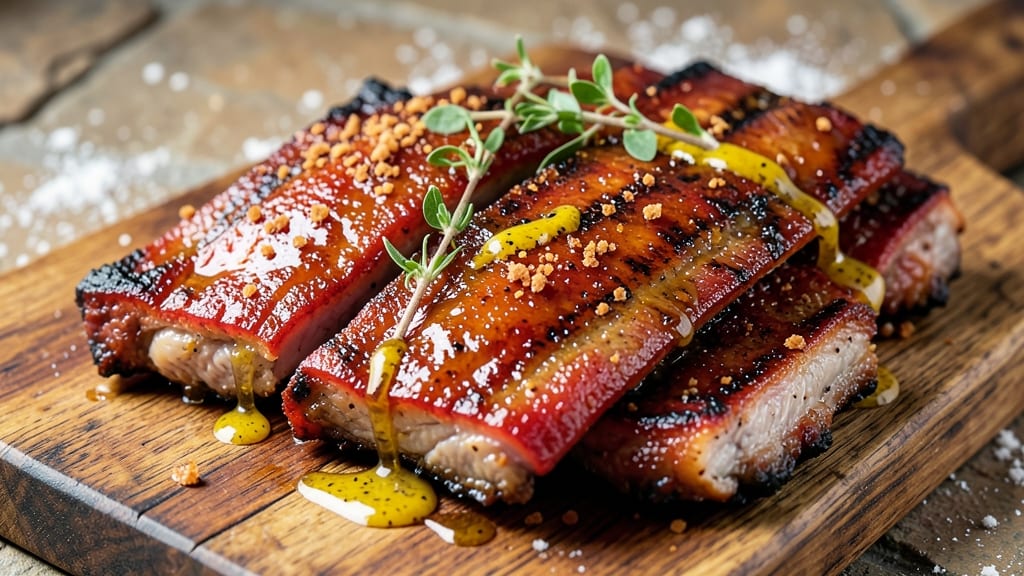
This apple juice ribs recipe transforms tough cuts into melt-in-your-mouth perfection with a slow-braised apple cider crust that caramelizes into sweet, sticky tenderness.
The secret lies in the apple juice—its natural acids and sugars break down collagen while infusing the meat with subtle sweetness, creating a bark that's crispy on the outside and fall-apart tender inside.
I've perfected this method over years of testing, and the results speak for themselves: ribs so tender they practically dissolve at the touch of a fork.
The process begins with a simple marinade that preps the ribs for the long cook ahead, then moves to a slow braise in the oven where the apple juice works its magic.
Unlike traditional BBQ methods, this approach uses the oven's even heat to render fat and develop flavor without the need for a smoker or grill. The apple cider crust forms naturally as the juice reduces, creating a glossy, caramelized finish that's impossible to resist.
What you'll end up with is a dish that's equally impressive for game day gatherings or a cozy weeknight dinner.
What makes this recipe truly special is how the apple juice transforms the ribs' texture and flavor profile. The natural sweetness of the cider balances the smoky, savory notes of the seasoning, while the slow cook time ensures every bite is juicy and rich.
The crust isn't just for show—it's the star of the dish, offering a perfect balance of sweet, tangy, and slightly charred flavors. This isn't your typical ribs recipe; it's a game-changer that delivers restaurant-quality results at home.
The best part? These ribs reheat beautifully, making them perfect for meal prep or leftovers. Serve them with classic sides like coleslaw or baked beans, or elevate the presentation with a fresh apple slaw to complement the apple cider crust.
Once you try this method, you'll never go back to traditional ribs again—the apple juice makes all the difference.
Ingredients for apple juice ribs
Six ingredients transform tough ribs into melt-in-your-mouth perfection with apple cider magic.
| Ingredient | Amount | Notes |
|---|---|---|
| Pork Baby Back Ribs 🍖 | 4 lb | Bone-in, meaty ends included |
| Apple Cider 🍎 | 2 cups | 100% pure, no sugar added |
| Apple Juice Concentrate 🍏 | ½ cup | Unsweetened for natural sweetness |
| Brown Sugar 🍚 | ½ cup | Packed firmly for accuracy |
| Dijon Mustard 🍯 | 2 tbsp | High-quality for tangy depth |
| Smoked Paprika 🌶️ | 2 tbsp | Smoked variety for rich flavor |
| Garlic Powder 🧄 | 1 tbsp | Freshly ground preferred |
| Onion Powder 🧅 | 1 tbsp | For aromatic base |
| Ground Black Pepper 🌶️ | 1 tsp | Freshly cracked for bite |
| Kosher Salt 🧂 | 1 ½ tbsp | Diamond Crystal preferred |
| Olive Oil 🫒 | 2 tbsp | For rib coating |
| Fresh Thyme Leaves 🌿 | ¼ cup | Or 1 tbsp dried thyme |
| Fresh Rosemary Sprigs 🌿 | 4 whole | For aromatic depth |
| Honey 🍯 | 1 tbsp | For glossy finish |
The ribs are non-negotiable—bone-in baby backs with meaty ends are key for that fall-apart texture. Costco or local butchers often have the best cuts, but any grocery store's meat section will work. Look for good marbling and avoid ribs that look dry or discolored. The apple cider should be 100% pure—no added sugar or preservatives. Mott's or Woodchuck are my go-tos, but any unsweetened cider will do. Fresh thyme and rosemary? Grab them from the grocery store's produce section—they'll keep for weeks in the fridge if wrapped properly. Don't skip the honey; it's what makes that glossy, caramelized crust shine.
No apple juice concentrate? Substitute with extra apple cider—just reduce it by half to compensate. Out of Dijon mustard? Yellow mustard works in a pinch, though it won't have the same depth. The brown sugar can be swapped for white sugar if that's what you've got, but the molasses notes add something special. For the spices, if you're missing smoked paprika, regular paprika plus a pinch of liquid smoke gets you close. And if you're worried about the ribs being too sweet, trust the process—the apple cider balances everything perfectly. The ribs can be prepped a day ahead and refrigerated, making this a great make-ahead meal.
These ribs reheat like a dream—better the next day once all the flavors meld. Store leftovers in an airtight container for up to 4 days, or freeze for 3 months by wrapping tightly in foil. For serving, I love a cool apple slaw on the side to cut through the richness. The crust gets crispy when reheated, so broil for 2-3 minutes if you want to restore that perfect bark. Make a double batch—these disappear fast at gatherings, and leftovers make amazing sandwiches the next day.
Why You'll Love This Recipe
- One-Pan Magic: I swear by this recipe when I’m too tired to scrub pots—just ribs, apple cider, and a splash of concentrate on a sheet pan. The mustard glaze sticks like a dream, and cleanup is all about wiping one tray.
- Sweet-Savory Balance: That brown sugar and Dijon combo? It’s the perfect hug for fall. The apple juice concentrate adds a caramel depth while keeping it bright, not cloying—like biting into a cider donut but better.
- Budget Crowd-Pleaser: A full rack costs less than takeout, and the sauce stretches to feed four or six. I’ll often double the batch—leftovers reheat beautifully, and the flavor only gets richer the next day. (Yes, even on a Tuesday night.)
Step-by-step instructions for slow-braised apple cider ribs
Here's how to transform tough ribs into melt-in-your-mouth tenderness using apple cider's magic.
Prepare the Ribs for Maximum Flavor
Start by removing the membrane from the ribs—this thin layer prevents seasoning from penetrating. Slide your thumb or a butter knife under it at the bone edge, then peel it away with a paper towel. Pat the ribs completely dry with paper towels; moisture is the enemy of crispy bark and proper browning.
In a small bowl, combine the 2 tbsp smoked paprika, 1 tbsp garlic powder, 1 tbsp onion powder, 1 tsp ground black pepper, and 1.5 tbsp kosher salt. Rub this mixture all over the ribs, pressing it into the meat so it clings. Let them sit at room temperature for 30 minutes while you prep the oven. This resting period ensures even cooking and deeper flavor penetration.
Sear the Ribs for Deep Flavor
Preheat your oven to 275°F. Heat a large oven-safe Dutch oven or deep skillet over medium-high heat. Add the 2 tbsp olive oil and let it get hot but not smoking. Place the ribs bone-side down and sear undisturbed for 5 minutes until they develop a deep golden crust. Flip them bone-side up and sear for another 3 minutes—this creates the foundation for that irresistible bark.
Here's where it gets good: transfer the seared ribs to a plate and set aside. In the same pot, add 1 tbsp Dijon mustard and let it bubble for 30 seconds—this adds tangy depth. Then pour in 2 cups apple cider and scrape up all those browned bits from the bottom (this is called deglazing and captures maximum flavor). Return the ribs to the pot, bone-side up.
Slow-Braise with Apple Cider Magic
Cover the pot tightly with a lid or foil and transfer to the preheated 275°F oven. Braise for 2.5 hours—this low-and-slow approach breaks down collagen and transforms tough meat into silky tenderness. After 2 hours, check the ribs by inserting a meat thermometer into the thickest part; they're ready when it reads 195°F and the meat pulls apart easily with tongs.
If they're not quite there yet, continue cooking in 30-minute increments until they reach perfection. The apple cider will reduce into a glossy, caramelized sauce that clings beautifully to the ribs. Don't peek during cooking—every time you lift the lid, you lose heat and moisture.
Build the Apple Cider Crust
Once the ribs are fork-tender, carefully remove them and set aside. Increase oven temperature to 425°F. In the same pot, add the 0.5 cup apple juice concentrate, 0.5 cup brown sugar, 0.25 cup fresh thyme leaves, and 4 whole fresh rosemary sprigs. Stir to combine, then return the ribs to the pot, bone-side up.
Roast uncovered for 15-20 minutes until the sauce thickens into a glossy, caramelized crust. The ribs should develop beautiful caramelized spots where the sauce pools. Drizzle with 1 tbsp honey during the last 5 minutes of roasting for extra shine and sweetness.
Rest and Serve with Confidence
Transfer the ribs to a cutting board and let them rest for 10 minutes before serving. This resting period allows the juices to redistribute, ensuring each bite is moist and flavorful. The sauce will thicken further as it cools—if it gets too thick, reheat it gently with a splash of water or apple cider.
Slice between the bones and serve with extra sauce spooned over the top. These ribs deliver perfect balance: sweet apple cider crust, smoky paprika depth, and tender meat that practically melts in your mouth. Pair with crusty bread to soak up every last bit of that irresistible sauce.
Pro Tips For Making Apple Juice Ribs
- Trim the Fat First: Baby back ribs have that thin layer of fat on the bone side—leave it. I used to scrape it off, thinking it’d make the ribs leaner, but it actually melts into the sauce and adds depth. Just pat the ribs dry with paper towels before seasoning; that’s the real game-changer.
- Reduce the Sauce Right: Apple juice concentrate is sticky stuff—don’t just dump it on. Simmer it with the apple cider and brown sugar for 10-15 minutes first. This cuts the liquid, thickens the sauce, and keeps your ribs from swimming in syrup. (Yes, even if you’re impatient like me.)
- Skip the Mustard Rush: Dijon mustard adds tang, but adding it too early makes the sauce split. Wait until the ribs are halfway cooked—about 2 hours in the oven—then brush it on. That’s when the heat’s low enough for it to caramelize without curdling. Trust me, your sauce will thank you.
- Wrap When It’s Sticky: The ribs are done wrapping when the meat pulls away from the bone just slightly and the sauce clings like glue. That’s your cue to foil them for the last 30 minutes. Wrapping too early steams the meat; too late, and you’ll end up with dry ribs. (Your meat thermometer should hit 195°F before you wrap—no guessing.)
Pro cooking tips for this recipe
Apple Cider Braising
The apple cider isn't just a liquid—it's the secret weapon that tenderizes the ribs while creating that signature caramelized crust. I always use 100% pure apple cider (no sugar added) because the natural acids break down collagen faster than any other liquid.
For extra richness, I add ½ cup apple juice concentrate during the final roasting stage—this thickens the sauce into a glossy glaze. The key is patience: let the cider reduce slowly at 275°F for 2.5 hours before cranking up the heat to 425°F for that beautiful crust. 🍎
Dry Brine for Crispy Bark
Never skip the dry brine! Pat those ribs completely dry with paper towels before applying the spice rub, and let them sit at room temperature for 30 minutes. This step is non-negotiable for developing that crispy bark.
I use Diamond Crystal kosher salt because it dissolves more easily, and I press the spices into the meat so they adhere. The ribs should be bone-side down during the initial sear to render fat properly. 🌶️
Dutch Oven Hack
An oven-safe Dutch oven is my go-to because it traps steam while allowing the ribs to develop that perfect crust. If you don't have one, a heavy cast-iron skillet works too—just make sure it's deep enough to hold the ribs and sauce.
Here's my pro tip: after searing, deglaze the pot with 1 tbsp Dijon mustard before adding the cider. This adds a tangy depth that cuts through the sweetness. 🔥
Temperature Control
Low-and-slow is everything with these ribs. Start at 275°F for the braise, then finish at 425°F for the crust. Use a meat thermometer to check doneness—195°F in the thickest part means they're ready.
If your oven runs hot, reduce the temp to 250°F for the braise. The final roast at 425°F should only take 15-20 minutes—watch closely to avoid burning the crust. ⏰
Resting Game-Changer
Those 10 minutes of resting before serving are just as important as the cooking time. This lets the juices redistribute, so every bite is moist and flavorful. I like to tent the ribs loosely with foil while they rest to keep them warm.
Pro move: drizzle with 1 tbsp honey during the final 5 minutes of roasting for extra shine and sweetness. 💫
Make-Ahead Magic
These ribs reheat beautifully, making them perfect for meal prep. Store leftovers in an airtight container for up to 4 days, or freeze for 3 months. To reheat, warm in a 350°F oven for 15 minutes with a splash of apple cider to restore moisture.
The crust gets crispy again, so broil for 2-3 minutes if you want that perfect bark back. 💡
Nutrition facts
Frequently asked questions
Can I use regular apple juice instead of apple cider?
While you can substitute apple juice, apple cider works better because its natural acids and sugars create that signature caramelized crust. Use 100% pure unsweetened apple juice and add 1 tbsp extra brown sugar to compensate for the missing sweetness. The texture won't be quite as rich, but it'll still be delicious!
How do I know when the ribs are done?
Use a meat thermometer to check the thickest part of the meat—it should read 195°F. The ribs should also pull apart easily with tongs. If they're not quite tender after 2.5 hours, continue cooking in 30-minute increments until they reach this perfect doneness.
Can I make these ribs in a slow cooker?
Yes! Sear the ribs first, then transfer them to a slow cooker with 1 cup apple cider and 1 tbsp apple juice concentrate. Cook on low for 6-8 hours, then finish with the crust step in a 425°F oven for 15-20 minutes. The slow cooker method works great for hands-off prep!
Why do my ribs turn out dry?
Dry ribs usually happen from overcooking or not resting properly. Always cook to 195°F (not higher!) and let them rest for 10 minutes before slicing. The apple cider helps retain moisture, but avoid lifting the lid during cooking to prevent steam loss. If they're still dry, try adding 2 tbsp apple juice concentrate to the braising liquid.
What's the best way to serve these apple cider ribs?
These ribs shine with classic sides like crusty bread for soaking up the sauce, apple slaw for freshness, or baked beans for heartiness. For a complete meal, pair with roasted potatoes or a simple green salad. The sweet apple crust pairs beautifully with tangy coleslaw or creamy mashed potatoes too!