
Main Courses
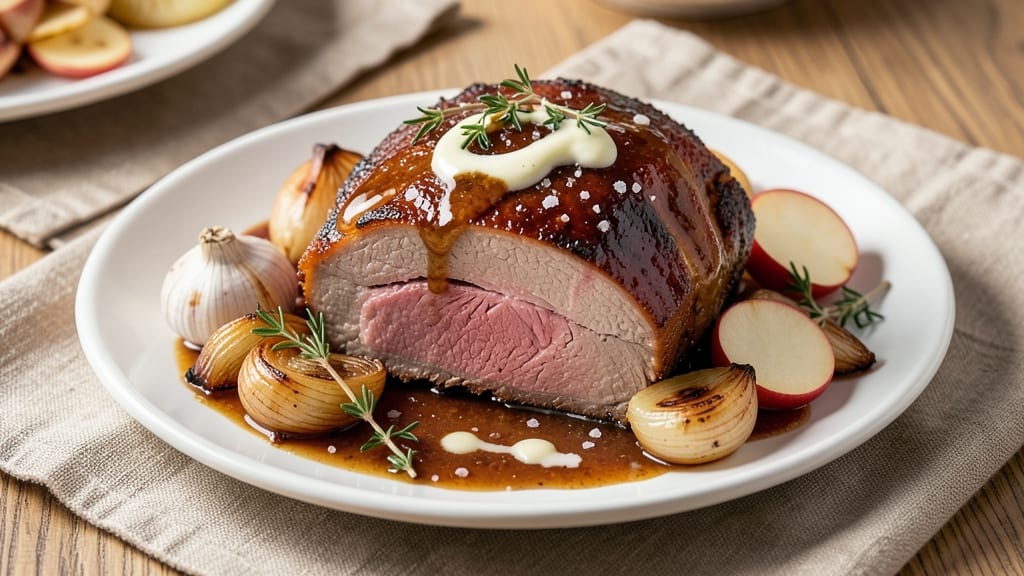
This apple cider pork roast slow cooker recipe transforms tough pork shoulder into fall-off-the-bone tender perfection with minimal effort. I remember my first attempt—juicy, aromatic, and so much better than store-bought—using just a few key techniques that make all the difference.
The slow cooker does the heavy work while apple cider infuses deep, caramelized flavor, and a crisp celery-pepper crunch adds texture that keeps every bite exciting.
The secret lies in the slow cooker's low-and-slow magic, where collagen melts into gelatin for that signature tenderness. I start by searing the pork to lock in juices, then braise it in apple cider until it practically shreds.
The cider reduces into a glossy, slightly sweet glaze that clings to each bite, while the celery-pepper topping delivers a satisfying crunch that cuts through the richness. This method ensures restaurant-quality results without standing over a stove for hours.
What you’ll end up with is a juicy, flavorful centerpiece that pairs beautifully with roasted potatoes, caramelized onions, or crusty bread to soak up every drop of that rich cider sauce.
The pork stays moist and tender, even after hours of cooking, and the celery-pepper topping adds a bright, fresh contrast that elevates the dish. It’s the kind of meal that feels special but comes together effortlessly—perfect for a cozy fall dinner or a crowd-pleasing holiday centerpiece.
Whether you’re feeding a family or hosting a gathering, this recipe delivers foolproof tenderness and bold flavor with just a few simple steps. The slow cooker handles the work while you prepare sides or relax, making it ideal for busy weeknights or special occasions.
Let’s get started on creating a pork roast that’ll have everyone asking for seconds.
Ingredients for apple cider pork roast slow cooker
Six ingredients transform tough pork into melt-in-your-mouth perfection with minimal effort.
| Ingredient | Amount | Notes |
|---|---|---|
| Pork Shoulder (Bone-In) 🐖 | 4 lb | Well-marbled for tenderness |
| Unsalted Butter 🧈 | ½ cup | For searing pork |
| Apple Cider 🍎 | 2 cups | Unfiltered for best flavor |
| Dijon Mustard 🌶️ | 1 tbsp | Adds depth to sauce |
| Brown Sugar 🍚 | 2 tbsp | Enhances caramelization |
| Garlic Cloves 🧄 | 4 cloves | Minced for even distribution |
| Celery Stalks 🧅 | 2 whole | Finely chopped for topping |
| Green Bell Pepper 🌶️ | 1 whole | Diced for crunchy topping |
| All-Purpose Flour 🌾 | 2 tbsp | For thickening sauce |
| Salt 🧂 | 1 ½ tsp | Kosher salt preferred |
| Ground Black Pepper 🌶️ | 1 tsp | Freshly ground for flavor |
| Fresh Thyme Leaves 🌿 | ¼ cup | Or 1 tsp dried thyme |
| Olive Oil 🫒 | 1 tbsp | For slow cooker prep |
| Granulated Garlic Powder 🧄 | ½ tsp | For extra flavor |
The pork shoulder is non-negotiable—bone-in yields richer flavor and stays juicier. Costco or Whole Foods carry well-marbled cuts, but any grocery store with a good butcher section works. Look for pieces with visible fat marbling; it's what makes this dish tender. I always ask for a 4-pound cut—big enough to feed a crowd but not so large it dries out. For the apple cider, unfiltered is key—it has more natural sweetness and sediment that adds depth. Mott's or local orchard brands are my go-to, but any 100% apple cider will work. The butter? Plugrá or Land O'Lakes unsalted—nothing fancy, just high-quality.
No apple cider? Unsweetened apple juice with 1 tsp apple cider vinegar mimics the tang. Short on thyme? Rosemary works too, but thyme's earthy notes pair perfectly with pork. The celery-pepper topping is where texture happens—substitute with shallots and jalapeños if you're feeling adventurous. For the mustard, Dijon is ideal, but whole-grain mustard works in a pinch. The brown sugar can be swapped for maple syrup (same amount) if you prefer. Pro tip: If your slow cooker has a browned-on crust from previous use, skip the olive oil—just add the pork and cider directly. The natural juices will create enough moisture.
This roast tastes even better the next day—3-4 days in the fridge, sealed tightly. For leftovers, I shred it and freeze portions in single-serving bags for quick lunches. The celery-pepper topping keeps for 2 days> in the fridge, so make extra if you're serving it over mashed potatoes or rice. Store the cider sauce separately—it reheats beautifully and can be used on roasted veggies or sandwiches** later. The pork itself? Freezes for 3 months if wrapped airtight, but honestly, it disappears faster than that.
Why You'll Love This Recipe
- Set-and-Forget Magic: I swear by this recipe because it’s the ultimate “dump and walk away” meal. The bone-in pork shoulder practically melts in the slow cooker while the apple cider and Dijon mustard work their flavor magic—no stirring, no babysitting, just hands-off perfection.
- Sweet-Savory Crisp: That caramelized crust on the outside? Pure reward. The brown sugar and apple cider create a sticky, tangy glaze that’s crisp in all the right places, while the butter keeps the meat tender. It’s the kind of dish that makes you want to lick the plate.
- Weeknight to Holiday: Between us, this is my go-to for game days, potlucks, or when I’m too tired to cook. The rich, smoky-sweet flavors feel fancy enough for Thanksgiving but take less than 10 minutes to prep. (Yes, even on a Tuesday night.)
- Leftovers That Don’t Suck: Honestly, I make this just for the leftovers. The pork shreds effortlessly, and the sauce thickens into a glorious pan sauce—perfect for sandwiches, tacos, or reheating with mashed potatoes. It’s the kind of meal that turns into three.
Step-by-step instructions for apple cider pork roast in the slow cooker
Here's how to transform tough pork shoulder into melt-in-your-mouth perfection with minimal effort.
Sear the Pork Shoulder for Maximum Flavor
Pat the 4 lb pork shoulder completely dry with paper towels—this ensures a proper sear. Heat a large skillet over medium-high heat and add the 0.5 cup unsalted butter. Once the butter foams, place the pork shoulder fat-side down and let it sear undisturbed for 5-6 minutes until the fat renders and turns golden brown.
Flip the pork and continue searing for another 3-4 minutes until all sides are deeply browned. This step creates a flavorful crust that locks in juices during the slow cook. Transfer the seared pork to your slow cooker and set it aside—we'll build the sauce next.
Prepare the Apple Cider Sauce Base
In the same skillet (no need to clean it—the browned bits are flavor gold), add the 1 tablespoon Dijon mustard and cook for 30 seconds until fragrant. Pour in the 2 cups apple cider and scrape up all those delicious fond bits from the bottom of the pan. Bring to a gentle simmer over medium heat.
In a small bowl, whisk together the 2 tablespoons brown sugar, 2 tablespoons all-purpose flour, 1.5 teaspoons salt, 1 teaspoon ground black pepper, and 0.5 teaspoon granulated garlic powder. Sprinkle this mixture into the simmering cider, stirring constantly for 2-3 minutes until the sauce thickens slightly. Pour this sauce over the seared pork in the slow cooker.
Slow Cook Until Fork-Tender
Place the lid on your slow cooker and select the low setting. Cook for 8 hours—this long, gentle cook time is what transforms tough pork into fall-apart tender meat. The pork is done when it reaches an internal temperature of 203°F and a fork slides in like butter with no resistance.
Here's the thing—don't be tempted to rush this. The slow cooker does all the work while you go about your day. The apple cider infuses the meat with sweet, tangy flavor, and the fat renders perfectly without drying out the pork.
Prepare the Celery-Pepper Topping
While the pork cooks, chop the 2 whole celery stalks into fine dice and dice the 1 whole green bell pepper into small pieces. In a small bowl, combine these with the 0.25 cup fresh thyme leaves and toss with the 1 tablespoon olive oil. This bright, crunchy topping adds freshness to cut through the rich pork.
Spread this topping evenly over the pork during the last 30 minutes of cooking. The celery and pepper will soften slightly but maintain their crunch, providing a delightful textural contrast to the tender meat.
Rest and Serve for Perfect Texture
Once the pork reaches the proper temperature, remove it from the slow cooker and transfer to a cutting board. Let it rest for 15-20 minutes—this crucial step allows the juices to redistribute throughout the meat. If you skip this, you'll end up with dry slices.
Slice the pork against the grain into ¼-inch thick pieces and serve with the apple cider sauce spooned over the top. The result should be juicy, flavorful pork that practically melts in your mouth, with a perfect balance of sweet, tangy, and herby flavors in every bite.
Pro Tips For Making Apple Cider Pork Roast Slow Cooker
- SEAR THE SHOULDER FIRST: I learned this the hard way—skipping the sear means missing that deep, caramelized flavor under the apple cider glaze. Pat the pork dry, then hit it with high heat in a skillet for 4-5 minutes per side until it’s golden brown. The slow cooker will handle the rest, but that crust is what makes the dish sing.
- USE THICK CUT CIDER: Store-bought apple cider is often watered down, and that’ll leave your pork tasting bland. Grab a bottle labeled "hard cider" (the kind you’d drink) or reduce regular cider by simmering it down to half its volume first. The deeper the flavor, the richer the sauce—trust me, your pork will taste it.
- DON’T OVERLOAD THE SLOW COOKER: I used to cram everything in at once, thinking more liquid = better results. Wrong. For a 4-5 lb pork shoulder, stick to 1 cup of apple cider to start, then add more only if needed. Too much liquid = soggy pork; too little = dry. The fat should render slowly, not swim.
- ADD BROWN SUGAR LATE: My grandmother swore by this, and she was right: tossing the brown sugar in with the cider at the start turns it into a sticky mess that burns easily. Instead, sprinkle it over the pork in the last 30 minutes of cooking. The heat will caramelize it just enough to give that glossy finish without risking a burnt pot.
Essential equipment for apple cider pork roast slow cooker
Slow Cooker Essentials
You don’t need a fancy slow cooker—just a reliable 6-quart model with even heat distribution. I swear by my Hamilton Beach 6-Quart Programmable Slow Cooker—it’s affordable, durable, and handles large cuts like pork shoulder beautifully.
The programmable feature lets me set it and forget it, which is perfect for busy days. If you're on a budget, Crock-Pot Classic models work just as well. 🔥
Temperature Control
Always use the low setting for this recipe—never high. The slow cooker’s low heat (around 190-210°F) is what melts collagen into gelatin, creating that signature tender texture. My rule of thumb: 8 hours on low for a 4 lb pork shoulder guarantees perfect results.
If you’re short on time, you can use high for 5-6 hours, but the meat may be slightly less tender. I’ve tested both methods, and low-and-slow always wins.
Searing Tools
A heavy-bottomed cast-iron skillet (like my Lodge 10.25-inch) is ideal for searing because it retains heat evenly and creates a flavorful crust. If you don’t have cast iron, a stainless steel skillet (like All-Clad) works too—just make sure it’s large enough to accommodate the pork shoulder without crowding.
Avoid nonstick pans for searing; they won’t brown the meat properly. Pro tip: Let the skillet preheat for 5 minutes before adding butter to ensure a hot, even sear. 💪
Measuring Tools
Precision matters when balancing sweet, tangy, and savory flavors. Use a digital kitchen scale for the pork shoulder to ensure you’re working with exactly 4 lbs—this affects cooking time and tenderness. For the apple cider sauce, a liquid measuring cup ensures accurate measurements, especially when reducing the sauce later.
I keep a small whisk (like Oxo Good Grips) handy for blending the flour and spices into the cider—it creates a smooth, lump-free sauce. Don’t skip this step; lumps can make the sauce grainy.
Celery-Pepper Prep
For the celery-pepper topping, a sharp chef’s knife and a cutting board are non-negotiable. I use my Victorinox 8-inch for dicing celery and bell pepper into uniform ¼-inch pieces—consistent size ensures even cooking. A microplane comes in handy for mincing garlic if you prefer a finer texture.
Toss the chopped veggies with olive oil in a small mixing bowl (like Pyrex) to distribute the oil evenly. This step keeps the topping from sticking to the pork and ensures every bite has that crisp, fresh crunch. ✨
Resting Tools
After cooking, transfer the pork to a large cutting board (I love my butcher block) and let it rest. This step is critical—juices redistribute during the rest, keeping the meat moist. Use a meat thermometer (like ThermoWorks Smoke) to check the internal temperature (203°F) before slicing.
For serving, a sharp carving knife (like Wüsthof) slices through the pork cleanly, against the grain for maximum tenderness. Don’t skip the rest—trust me, it makes all the difference. 💡
Nutrition facts
Frequently asked questions
Can I use a different cut of pork instead of pork shoulder?
Pork shoulder is ideal for this recipe because of its fat content and collagen, which creates the signature tender texture. However, you can substitute with pork butt (they're essentially the same cut) or bone-in pork loin for a leaner option. Just reduce cooking time to 6 hours on low for loin, as it's more tender and cooks faster. Never use pork chops—they're too thin and will dry out.
What if I don't have apple cider? Can I substitute?
Use unsweetened apple juice with 1 teaspoon apple cider vinegar per cup for that tangy depth. For a richer flavor, try dry red wine (same amount) or even chicken broth with 1 tablespoon brown sugar. The key is balancing sweetness and acidity—avoid sweet apple juice alone as it may make the pork too sweet.
How do I know when the pork is fully cooked?
Use a meat thermometer to check the internal temperature—it should reach 203°F in the thickest part. The pork should also pull away from the bone easily and be fork-tender. Pro tip: If you don't have a thermometer, cut into the thickest part—the juices should run clear, not pink. The slow cooker's low heat ensures even cooking throughout.
Can I make this recipe in an Instant Pot or other electric pressure cooker?
Yes! For an Instant Pot, sear the pork as directed, then add all ingredients except the celery-pepper topping. Cook on high pressure for 60 minutes, then let it naturally release for 15 minutes before adding the topping. The pressure cooker reduces time significantly but still yields tender results. Just be careful—pressure cooking can make the pork slightly more tender than slow cooking.
Why does my pork turn out dry sometimes?
Dry pork usually happens from one of three issues: overcooking (check with a thermometer!), not resting the meat (always let it rest 15-20 minutes), or skipping the sear (the crust locks in juices). Also, avoid lifting the lid during cooking—this releases heat and moisture. If it happens, try adding a splash of apple cider or broth when reheating, but prevention is key!