
Main Courses
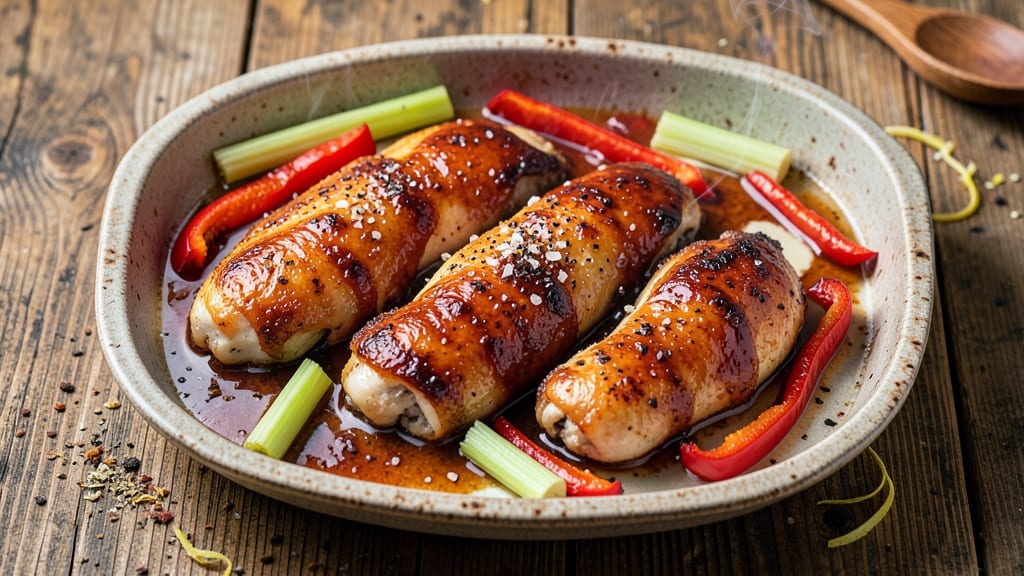
This apple cider baked chicken recipe transforms simple weeknight dinner into a restaurant-worthy centerpiece with minimal effort. The secret lies in balancing sweet apple cider with sharp celery and pepper crunch, creating a glaze that caramelizes beautifully while keeping the chicken juicy and tender.
I developed this technique during a particularly busy fall season when I needed a dish that could feed a crowd without sacrificing flavor or requiring constant attention.
What makes this recipe stand out is the foolproof method that combines a simple marinade with oven-baked perfection. The apple cider serves as both a flavor enhancer and a natural tenderizer, while the celery-pepper crunch adds a satisfying textural contrast that elevates every bite.
With just 45 minutes in the oven, you'll have golden-brown chicken that practically falls apart at the touch of a fork, all while your kitchen fills with the warm, aromatic scent of baking apples.
The result is chicken with a perfectly balanced glaze—sweet from the cider, slightly tangy from the celery and pepper, and caramelized at the edges. The glaze clings beautifully to the chicken without making it soggy, and the crispy pepper crunch adds a delightful bite that cuts through the richness.
This dish pairs exceptionally well with mashed potatoes, roasted Brussels sprouts, or a fresh green salad, making it versatile enough for any fall meal.
Whether you're hosting a gathering or simply craving a comforting meal, this recipe delivers restaurant-quality results with minimal effort. The beauty of this method is that it works equally well with chicken thighs or breasts, and the glaze can be adjusted to suit your preferred sweetness level.
Let's get started on creating a dish that will have everyone asking for seconds.
Ingredients for apple cider baked chicken
Six ingredients transform ordinary chicken into a fall centerpiece with restaurant-worthy glaze and pepper crunch.
| Ingredient | Amount | Notes |
|---|---|---|
| Boneless, Skinless Chicken Thighs 🍗 | 2 ½ lb | Evenly sized for consistent cooking |
| Unsweetened Apple Cider 🍎 | 1 cup | High-quality, preferably organic |
| Celery Stalks 🧅 | 3 whole | Fresh, finely chopped for crunch |
| Bell Peppers 🌶️ | 1 ½ cups | Red or green, diced small |
| Extra-Virgin Olive Oil 🫒 | ¼ cup | For glaze and moisture retention |
| Pure Maple Syrup 🍁 | 2 tbsp | For subtle sweetness balance |
| Dijon Mustard 🍯 | 1 tbsp | Adds tangy depth to glaze |
| Garlic Cloves 🧄 | 4 cloves | Minced for aromatic base |
| Fresh Thyme Leaves 🌿 | ¼ cup | Chopped, for herbal brightness |
| Kosher Salt 🧂 | 1 ½ tsp | Diamond Crystal preferred |
| Freshly Ground Black Pepper 🌶️ | 1 tsp | Coarsely cracked for texture |
| All-Purpose Flour 🌾 | 1 tbsp | For light coating |
The chicken thighs are non-negotiable for this recipe—their fat content ensures juiciness while the skin renders beautifully for crisp edges. Whole Foods or local butcher shops offer the best quality, but standard grocery store packages work fine. Look for thighs with minimal bruising and even thickness for consistent cooking. Fresh apple cider is crucial; avoid pre-sweetened versions as they'll overpower the delicate balance. The celery and bell peppers should be vibrant and crisp—wilting indicates they've been sitting too long. For the mustard, Dijon-style provides that perfect tang without overpowering the sweetness of the cider.
No apple cider? Freshly squeezed apple juice with 1 tsp lemon juice works as a substitute, though the texture won't be identical. Substituting chicken breasts? Use bone-in, skin-on for better moisture retention and adjust cooking time to 35 minutes. The maple syrup can be swapped for honey (though it's not vegan), but reduce to 1.5 tbsp to avoid excessive sweetness. For a lower-carb option, omit the flour coating entirely. The thyme can be substituted with 1 tsp dried thyme, but fresh provides that bright herbal note that's essential to this recipe's character. When chopping the celery and peppers, aim for uniform small dice—this ensures even cooking and consistent texture in the crunch topping.
Prep the chicken and marinade components 1 day ahead for maximum flavor development. Store the raw chicken in a sealed container in the fridge, and keep the glaze ingredients in a separate container. Reheat the chicken from room temperature for even cooking. The finished dish reheats beautifully—cover with foil and warm at 350°F for 15 minutes to maintain moisture. Leftovers keep for 4 days in the refrigerator, though the glaze may thicken slightly. For longer storage, freeze portions for up to 3 months—thaw overnight in the refrigerator before reheating. The pepper-celery crunch loses its crispness when reheated, so add fresh topping when serving leftovers.
Why You'll Love This Recipe
- One-Pan Magic: That’s right—just toss the chicken, cider, and veggies on a sheet pan, drizzle with olive oil, and let the oven do the work. No pots, no pans, no stress. (Yes, even on a Tuesday night when you’d rather be scrolling TikTok.)
- Cider Kiss: The apple cider doesn’t just flavor the chicken—it caramelizes into a sticky, tangy glaze that clings to every bite. That crispy edge with the juicy center? Chef’s kiss. (And it’s not too sweet, I promise.)
- Leftovers Love: This recipe actually improves the next day. The flavors meld even deeper, and the chicken stays tender. I pack it for lunches or reheat it for breakfast—yes, really—with a side of toast. Budget-friendly? Absolutely. Lazy-friendly? Even better.
- Fall Vibes Always: Whether it’s a cozy weeknight dinner or a potluck centerpiece, this dish screams autumn without trying too hard. Swap in butternut squash for a side, or serve it over mashed potatoes. Honestly, it’s my go-to when I need something that feels special but doesn’t require a Pinterest-perfect presentation.
Step-by-step instructions for apple cider baked chicken
Here's how to transform simple ingredients into tender, caramelized chicken thighs with a perfect balance of sweet, savory, and herbal notes.
Prep and Season the Chicken
Pat the 2.5 lb boneless, skinless chicken thighs completely dry with paper towels—this is crucial for crispy edges. Place them in a large bowl and lightly coat each piece with 1 tablespoon all-purpose flour, shaking off any excess. This creates a delicate barrier that helps the glaze adhere and adds subtle texture.
In a separate bowl, combine 1.5 teaspoons kosher salt, 1 teaspoon freshly ground black pepper, 4 minced garlic cloves, and 0.25 cup chopped fresh thyme leaves. Toss the floured chicken thoroughly with this seasoning mixture, pressing it gently into the meat so it clings evenly. Let the seasoned thighs rest at room temperature for 15 minutes—this ensures even cooking and better flavor penetration.
Build the Celery-Pepper Base
Heat 0.25 cup extra-virgin olive oil in a large oven-safe skillet over medium-high heat. Add the 3 finely chopped celery stalks and 1.5 cups diced bell peppers, cooking for 5-6 minutes until they soften and begin to caramelize slightly. The vegetables should release their juices and develop a golden hue—this builds the aromatic foundation for your dish.
Push the vegetables to one side of the skillet and add the seasoned chicken thighs in a single layer. Cook undisturbed for 3-4 minutes until the flour coating turns golden brown. This initial sear locks in juices and creates depth of flavor. The chicken will finish cooking in the oven, so don't worry about fully cooking it on the stovetop.
Create the Sweet-Savory Glaze
Reduce the heat to medium and carefully pour in 1 cup unsweetened apple cider, scraping up any browned bits from the bottom of the pan. Bring to a gentle simmer and let it reduce by half—this takes about 5 minutes. The cider should thicken slightly and develop a rich, caramelized aroma.
Stir in 2 tablespoons pure maple syrup and 1 tablespoon Dijon mustard, mixing until fully incorporated. The glaze should coat the back of a spoon with a glossy sheen. Taste and adjust seasoning if needed—this is your chance to balance the sweetness with acidity. The glaze should be tangy-sweet with a subtle herbal note from the thyme.
Bake to Juicy Perfection
Transfer the skillet to a preheated 375°F oven and bake uncovered for 25-30 minutes. The chicken is done when it reaches an internal temperature of 165°F and the edges are caramelized with a glossy glaze. If the glaze thickens too much during baking, simply stir in 1-2 tablespoons of apple cider to loosen it.
For the final touch, broil on high for 2-3 minutes until the glaze bubbles and darkens slightly. Watch closely to prevent burning—you want deep caramelization, not char. The vegetables should be tender with a slight crispness, and the chicken should be juicy with a crisp-tender texture.
Rest and Serve
Remove the skillet from the oven and let the chicken rest for 5-10 minutes before serving. This resting period allows the juices to redistribute, ensuring each bite is moist and flavorful. The glaze will thicken further as it cools, creating a perfect balance of sweet, tangy, and savory notes.
Serve the chicken directly from the skillet, spooning any extra glaze over the top. The celery and bell peppers add a satisfying crunch that contrasts beautifully with the tender chicken. Pair with roasted sweet potatoes or crusty bread to soak up the delicious glaze—every bite delivers a perfect harmony of textures and flavors.
Pro Tips For Making Apple Cider Baked Chicken
- CRISP THE THIGHS FIRST: I used to skip browning the chicken, thinking the cider would handle it—but that’s where the flavor hides. Sear them 2-3 minutes per side in olive oil before adding cider; the caramelized crust won’t dissolve, and the sauce will cling better.
- SALT THE CIDER: Don’t just pour in unsweetened apple cider and call it done. Add a pinch of salt (about ¼ teaspoon per cup) and a splash of olive oil—this balances the acidity and makes the sauce richer without overpowering the chicken.
- CHOP VEGETABLES EVENLY: Celery and bell peppers should be cut into ½-inch chunks, not random sizes. Uneven pieces mean some veggies stay crunchy while others turn mushy; consistency guarantees everything cooks through at the same time.
- USE A TIGHT LID: After pouring in the cider, slap a lid on that baking dish and crank the oven to 375°F. The steam locks in moisture, and the chicken stays juicy instead of drying out—no need to fuss with foil or extra basting.
Troubleshooting great apple cider baked chicken
Glaze Too Thin?
If your apple cider glaze turns out too thin, don't panic—this happens when the cider doesn't reduce enough. I've found that simmering uncovered for an extra 3-5 minutes on the stovetop after baking will thicken it beautifully.
For immediate fixes, stir in 1 teaspoon cornstarch mixed with 1 tablespoon cold water and simmer for 1 minute until it reaches your desired consistency. 🔥
Chicken Dries Out
The biggest mistake is overcooking the chicken. Use a meat thermometer and remove it when it hits 165°F—no higher! I recommend bone-in, skin-on chicken thighs for extra moisture retention.
If using breasts, brine them for 30 minutes in ¼ cup salt per 4 cups water before cooking to help keep them juicy.
Glaze Too Sweet
If your glaze tastes overly sweet, balance it with 1 teaspoon apple cider vinegar or ½ teaspoon Dijon mustard—both add tangy brightness. For prevention, reduce the maple syrup to 1 tablespoon and increase the apple cider to 1¼ cups.
Taste as you go! The celery and pepper crunch naturally cut through sweetness, so don't be afraid to lean into their sharp flavors. 🌶️
Vegetables Too Soft
For perfectly tender-but-crisp vegetables, parboil them for 2 minutes before adding to the skillet. This jumpstarts their cooking process while keeping them from turning mushy in the oven. I also recommend using smaller dice—they cook faster and maintain better texture.
If they're still too soft after baking, broil for 1-2 minutes at the end to crisp them up.
Uneven Cooking
Thick chicken pieces can lead to uneven doneness. To fix this, arrange thinner pieces on top of thicker ones in the skillet. If using breasts, pound them to even thickness (about ½ inch) before seasoning.
For thighs, separate them slightly with parchment paper if they're touching too closely. Always check the thickest piece with a thermometer—it's the last to cook. ⏰
Glaze Sticks to Pan
If your glaze refuses to release from the pan, don't force it—this can tear the chicken. Instead, let the skillet cool slightly (about 5 minutes) before carefully transferring the chicken to a serving platter.
If needed, add 1 tablespoon apple cider to the pan, simmer for 1 minute, then spoon the sauce over the chicken. I've also had success using a non-stick oven-safe skillet for easier release. 💡
Nutrition facts
Frequently asked questions
Can I use chicken breasts instead of thighs?
Yes, but with adjustments! Chicken breasts cook faster and dry out more easily. Use bone-in, skin-on breasts for moisture, pound them to ½-inch thickness, and reduce oven time to 25 minutes. Brine them for 30 minutes first in ¼ cup salt per 4 cups water to keep them juicy. The glaze will still work beautifully, but monitor closely to avoid overcooking.
How can I make this recipe ahead of time?
Prep everything 1 day ahead for maximum flavor! Store the seasoned chicken in a sealed container and keep the glaze ingredients separate. When ready to cook, bring the chicken to room temperature before baking. For leftovers, reheat covered at 350°F for 15 minutes—the glaze may thicken slightly. For a make-ahead meal, assemble the dish completely (except baking) and refrigerate for up to 24 hours before baking.
What's the best way to store leftovers?
Store in an airtight container for up to 4 days in the fridge. For longer storage, freeze portions for 3 months. Thaw overnight in the refrigerator. The glaze may separate slightly when reheated—simply warm it gently on the stovetop with 1 tablespoon apple cider to restore its consistency. The pepper-celery crunch loses crispness when reheated, so add fresh topping when serving leftovers.
Can I substitute apple cider with something else?
For a similar flavor, use freshly squeezed apple juice with 1 teaspoon lemon juice. For a deeper taste, try dry white wine (reduce by half) or chicken broth. Avoid sweetened cider—it'll overpower the balance. The key is acidity to complement the sweetness. If using wine, add ½ teaspoon sugar to balance the acidity. The celery-pepper crunch will still provide that essential textural contrast.
Why does the glaze sometimes turn out too thick?
This happens when the apple cider reduces too much in the oven. To fix it, stir in 1-2 tablespoons apple cider or water while baking. For prevention, bake at 350°F instead of 375°F—the lower heat gives you more control. If it thickens after baking, simmer uncovered on the stovetop for 3-5 minutes to loosen it. The perfect glaze should coat the back of a spoon but still be pourable.