
Sauces & Condiments
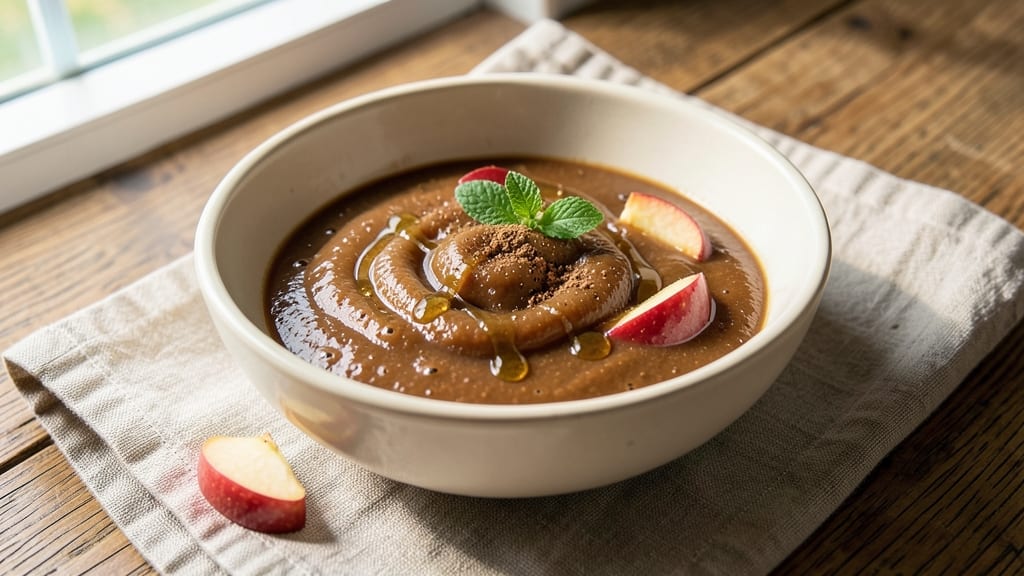
This apple butter sauce recipe transforms humble apples into a velvety, spiced condiment that adds depth to everything from breakfast toast to holiday ham. The slow-simmered process caramelizes natural sugars while developing warm cinnamon and vanilla notes—far beyond store-bought versions.
What starts as chopped fruit becomes a thick, spreadable treasure with just 15 minutes of active time and hours of gentle cooking.
The beauty of homemade apple butter lies in its adaptability. Use it as a breakfast spread on waffles, a glaze for roasted pork, or a finishing touch on cheesecake.
The recipe balances sweetness with subtle warmth from cinnamon and nutmeg, creating a versatile sauce that works in both savory and sweet applications. For dietary flexibility, easily reduce sugar or swap spices to suit your taste—vanilla, cardamom, or even a pinch of cayenne can transform the flavor profile.
What you'll end up with is a rich, aromatic sauce with a perfect consistency—thick enough to cling to pastries but smooth enough to drizzle. The spices meld beautifully during the slow cook, resulting in layers of flavor that develop with each passing hour.
This isn't just another condiment; it's a pantry staple that elevates simple meals into something special.
Perfect for gifting in small jars or keeping on hand for last-minute meal enhancements. The sauce stores well in the refrigerator for up to 3 months, making it an ideal make-ahead project for holiday entertaining or busy weeknights.
Let's create this versatile sauce that brings warmth and sweetness to any table.
Ingredients for apple butter sauce
Nine simple ingredients transform into a velvety, aromatic sauce that elevates everything from toast to holiday dishes.
| Ingredient | Amount | Notes |
|---|---|---|
| Apples, peeled and chopped 🍎 | 4 medium | Use tart varieties like Granny Smith |
| Granulated Sugar 🍚 | 1 ½ cups | Adjust for preferred sweetness level |
| Ground Cinnamon 🌿 | 2 tbsp | Freshly ground preferred |
| Ground Nutmeg 🌿 | 1 tsp | Freshly grated nutmeg is ideal |
| Vanilla Extract 🍯 | 1 tbsp | Pure vanilla extract preferred |
| Apple Cider Vinegar 🍶 | 1 tbsp | Balances sweetness and enhances flavor |
| Water 💧 | ½ cup | For simmering consistency |
| Pinch of Salt 🧂 | ¼ tsp | Enhances overall flavor |
| Unsalted Butter 🧈 | 2 tbsp | Adds richness and smooth texture |
The apples are the foundation—Granny Smith or Honeycrisp work best for their tartness, which balances the sweetness. Organic apples from the farmers market have more flavor than conventional store varieties, but any firm, unblemished fruit will do. The sugar can be adjusted based on your preference for sweetness; start with the full amount and taste as you go. For the spices, Penzeys or the bulk bins at Whole Foods offer the freshest ground cinnamon and nutmeg, which makes a noticeable difference in flavor depth. If you're using pre-ground spices, check the expiration date—older spices lose their potency quickly.
No vanilla extract? Vanilla bean paste works beautifully, or you can scrape seeds from a vanilla bean for a more intense flavor. Want to reduce sugar? Substitute maple syrup or date syrup at a 1:1 ratio, though the texture may be slightly thinner. For a smoky twist, add ½ teaspoon smoked paprika to the spice blend. The apple cider vinegar can be swapped for lemon juice or balsamic vinegar, though the flavor profile will shift slightly. If you're concerned about the butter making the sauce too rich, use coconut oil instead—it adds a subtle sweetness that complements the apples perfectly.
This sauce develops best over time, so plan for at least 3-4 hours of simmering for maximum flavor. Store in an airtight jar in the refrigerator for up to 3 months, or freeze for 6 months. The texture will thicken as it cools, so you may need to add a splash of water when reheating. For gifting, use small mason jars with a ribbon—it’s a thoughtful and delicious present that keeps giving. The sauce also freezes beautifully in ice cube trays for portion control, perfect for adding to recipes like a spoonful at a time.
Why You'll Love This Recipe
- No-Fuss Simmer: I swear by this recipe because it’s basically hands-off after the chopping. Toss those apples, sugar, and spices into a pot, let them melt down for 20 minutes, and—boom—you’ve got a silky sauce without any fuss. The cinnamon and nutmeg do all the work while I’m scrolling through my phone.
- Warm Spice Magic: That first spoonful? It’s like autumn in a jar. The apples soften into a jammy texture, the sugar caramelizes just enough to balance the cozy cinnamon-nutmeg warmth, and the vanilla ties it all together. Honestly, I’ve used it on pancakes, toast, and even grilled chicken—every time, it’s that flavor.
- Pantry Staple Flex: This sauce is my secret weapon for lazy mornings or last-minute dinners. Drizzle it over oatmeal, swirl it into yogurt, or toss it with roasted veggies—it elevates everything without needing a shopping list. I keep a jar in the fridge for those days when I’m too tired to think.
- Make-Ahead Gold: Between us, I make a big batch every fall and freeze it in portions. Thaw a jar for breakfast, dinner, or dessert—no reheating required, just scoop and enjoy. It’s budget-friendly (apples and spices don’t break the bank) and saves me from last-minute grocery runs. Plus, it tastes even better the next day.
Step-by-step instructions for slow-simmered apple butter sauce
This method transforms simple ingredients into a velvety, aromatic sauce with deep flavor complexity.
Combine Apples, Sugar and Spices in a Heavy Saucepan
In a 4-quart heavy saucepan, combine the 4 medium peeled and chopped apples, 1.5 cups granulated sugar, 2 tablespoons ground cinnamon, 1 teaspoon ground nutmeg, and the ¼ teaspoon pinch of salt. The apples should be cut into roughly ¼-inch pieces for even cooking.
Stir gently to distribute the spices evenly throughout the mixture. I always use a wooden spoon for this step—it prevents scratching the pan and helps distribute the sugar crystals more thoroughly. The spices will bloom immediately, filling your kitchen with that warm, comforting aroma that signals we're on our way to something special.
Cook Over Medium Heat Until Apples Break Down
Place the saucepan over medium heat and bring the mixture to a gentle simmer. You'll see small bubbles forming around the edges—this indicates the right temperature. The key here is patience; we're not looking for a rapid boil but rather a steady, controlled simmer that allows the apples to break down gradually.
Simmer uncovered for 20-25 minutes, stirring occasionally with your wooden spoon. You'll notice the apples begin to soften and release their juices, creating a syrupy consistency. The mixture should reduce by about one-third, and the apples should become mushy enough to mash easily between your fingers. This is where the magic happens—the natural pectin in the apples starts to thicken as they cook down.
Add Water and Vinegar for Balance
Once the apples have broken down completely, reduce the heat to low and stir in the ½ cup water and 1 tablespoon apple cider vinegar. The vinegar might seem like an unusual addition, but it plays a crucial role—it brightens the flavors, balances the sweetness, and helps prevent the sauce from becoming overly cloying. Stir well to incorporate completely.
Continue simmering for another 10-15 minutes, stirring every 3-5 minutes to prevent sticking. You're looking for the sauce to thicken noticeably, coating the back of your spoon when you lift it. The aroma should now be rich and complex, with the spices melding beautifully with the apple's natural sweetness. This is the moment when the sauce transforms from simple fruit compote to something truly special.
Finish with Vanilla and Butter for Richness
Remove the saucepan from heat and stir in the 1 tablespoon vanilla extract and 2 tablespoons unsalted butter. The butter should melt completely, adding a luxurious richness to the sauce. I like to let it sit off the heat for 2-3 minutes before giving it one final stir—this allows the flavors to meld together perfectly.
Taste and adjust the seasoning if needed. You might want to add a touch more sugar if you prefer it sweeter, or a pinch more salt to enhance the flavors. The sauce should be thick enough to coat the back of a spoon but still spreadable. For best results, let it cool to room temperature before serving—this allows the flavors to develop even further and the texture to set slightly, making it perfect for drizzling or spreading.
Pro Tips For Making Apple Butter Sauce
- STIR CONSTANTLY FIRST 20 MINUTES: I learned this the hard way—skipping frequent stirring at the start means you’ll end up with burnt bits on the bottom while the top stays pale. Grab that wooden spoon and give it a good mix every 2-3 minutes until the apples release their juices and the sugar starts dissolving. (Yes, even if you’re impatient like me.)
- USE COLD APPLES: Your grandmother was right: grab those apples straight from the fridge, not the counter. Cold apples break down slower, so they’ll thicken properly instead of turning into a watery mush. Just let them sit at room temp for 10 minutes before cooking—no need to peel them until then.
- SKIP THE NUTMEG UNTIL END: That nutmeg is potent stuff, and if you add it too early, it’ll burn before the apples soften. Toss it in with the vanilla and cinnamon only during the last 5 minutes of cooking. Trust me, you’ll taste the difference—no bitter aftertaste, just warm, cozy spice.
- PRESS OUT EXTRA JUICE: After simmering, your sauce might look thick but still watery. Line a sieve with cheesecloth, pour the mixture in, and press gently with a spoon. This removes excess liquid without losing flavor—no need for a food mill unless you’re feeling fancy. (Your future self will thank you.)
Essential equipment for apple butter sauce
Heavy Saucepan
A 4-quart heavy saucepan is essential for even heat distribution and preventing scorching during the long simmer. I recommend a stainless steel or enameled cast iron pan—both conduct heat well and won’t react with acidic ingredients like apple cider vinegar.
Avoid thin aluminum pans, as they heat unevenly and can burn the apples. My go-to is a Le Creuset Dutch oven (2.5 quarts), which handles the thick mixture beautifully while developing deep caramelized flavors. 🔥
Wooden Spoon
Use a long-handled wooden spoon (about 12 inches) to stir the sauce without scratching the pan. Wood prevents metal-on-metal contact that can cause discoloration and distributes heat evenly. I prefer olive wood spoons from Amazon Basics—they’re affordable, durable, and gentle on nonstick coatings.
For extra flavor infusion, soak the spoon in apple cider vinegar for 10 minutes before use.
Fine-Mesh Strainer
If you prefer a smoother sauce, a fine-mesh strainer (like the OXO Good Grips) helps remove apple skins and seeds after cooking. Place it over a heatproof bowl and press the mixture through with a rubber spatula to avoid breaking the mesh.
For a rustic texture, skip straining—just blend with an immersion blender for 10 seconds to break up any remaining chunks. 💫
Kitchen Scale
A digital kitchen scale (I use the OXO Good Grips) ensures precise measurements, especially for sugar adjustments. Weighing ingredients like apples and sugar by grams guarantees consistent results—critical when scaling the recipe up or down.
For example, 4 medium Granny Smith apples typically weigh about 500 grams before peeling. Pro tip: Tare the scale after adding the saucepan to avoid weighing the pan itself.
Mason Jars
Store your finished sauce in 8-ounce mason jars (like Ball or Le Parfait) for airtight preservation. These jars are microwave-safe and perfect for gifting. Label with the date and recipe name—masking tape and a Sharpie work great.
For long-term storage, leave ½-inch headspace to prevent expansion. I love using amber glass jars to protect the sauce from light, which can degrade flavors over time. ✨
Nutrition facts
Frequently asked questions
Can I make apple butter sauce without a heavy saucepan?
Yes, but use a stainless steel or enameled pot instead of aluminum or nonstick. A slow cooker on low for 4-5 hours also works—just stir occasionally to prevent sticking. The key is even heat distribution to avoid scorching.
How do I adjust the sweetness for a less sugary version?
Reduce sugar by ⅓ cup and add 1 cup unsweetened applesauce or ½ cup maple syrup for moisture. Simmer 10 minutes longer to thicken. Taste frequently—natural apple sweetness develops as it cooks!
Why did my apple butter sauce turn out too thin?
This happens if you didn't simmer long enough or used overly ripe apples. For next time, cook 30-45 minutes longer or add 1 tablespoon cornstarch mixed with cold water to thicken. Stirring constantly helps too!
Can I use this sauce on savory dishes?
Drizzle over roasted pork tenderloin, grilled chicken, or mashed potatoes for a sweet-savory balance. The spices complement savory flavors beautifully—just reduce sugar by ¼ cup if using on salty dishes.
How long can I store homemade apple butter sauce?
In an airtight jar in the fridge, it keeps for 3 months. For longer storage, freeze in ice cube trays (thaw in microwave) or mason jars with ½-inch headspace**. Label with the date—it's worth the wait!