
Sauces & Condiments
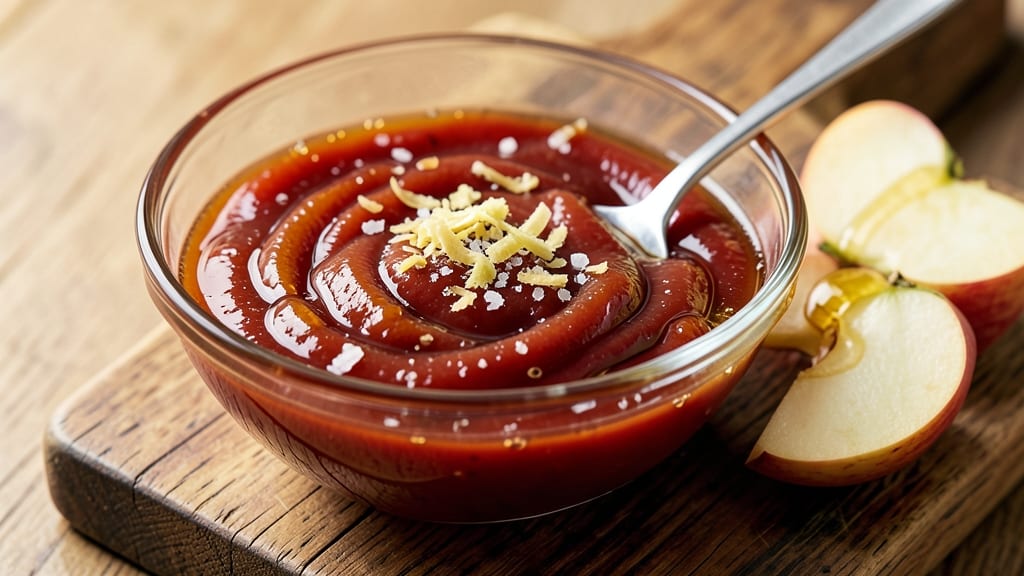
This sweet and sour sauce recipe with apple cider vinegar delivers the perfect balance of tangy brightness and caramelized sweetness in every spoonful. The apple cider vinegar adds depth beyond traditional vinegar, creating a complex flavor that elevates stir-fries, glazes, and marinades to restaurant-quality levels.
What makes this sauce truly special is how its bold yet harmonious taste transforms simple dishes into something extraordinary.
The secret lies in the precise ratio of ingredients—apple cider vinegar for depth, brown sugar for caramel notes, and a touch of ginger for warmth. This sauce isn't just about sweetness and sourness; it's about creating layers of flavor that linger.
The recipe is designed to be versatile, working equally well as a dipping sauce, stir-fry glaze, or even a marinade for meats and tofu.
What you'll achieve is a glossy, velvety sauce with a perfect equilibrium between tart and sweet, ready to enhance your favorite dishes in minutes. The ingredients come together quickly, but the flavor develops as it simmers, creating a rich, aromatic result that's far superior to store-bought versions.
This is the kind of homemade sauce that makes every bite taste like it was made with care.
Once made, store it in an airtight container in the refrigerator for up to two weeks, allowing the flavors to meld even further. The sauce thickens slightly as it cools, making it ideal for drizzling over finished dishes or tossing with fresh vegetables.
Whether you're prepping for a weeknight dinner or planning ahead for entertaining, this recipe delivers consistent, professional results every time.
Ingredients for sweet and sour sauce recipe with apple cider vinegar
Nine simple ingredients create a restaurant-quality sauce with perfect tart-sweet balance.
| Ingredient | Amount | Notes |
|---|---|---|
| Apple Cider Vinegar 🍏 | ½ cup | Raw and unfiltered preferred |
| Brown Sugar 🍚 | ¾ cup | Light or dark variety |
| Water 💧 | ½ cup | Room temperature |
| Fresh Ginger 🌿 | 2 tbsp | Grated, freshly peeled |
| Ketchup 🍅 | ½ cup | High-quality, no sugar added |
| Soy Sauce 🥢 | ¼ cup | Light or dark preferred |
| Cornstarch 🌾 | 1 tbsp | For thickening, optional |
| Garlic Cloves 🧄 | 3 cloves | Minced, freshly peeled |
| Sesame Oil 🫒 | 1 tbsp | Toasted, for aroma |
| Salt 🧂 | ½ tsp | Kosher or sea salt |
Apple cider vinegar is the heart of this sauce—Bragg or Texas Pete are my go-tos for that authentic depth. The brown sugar should be packed, not scooped, for accurate measurement. Fresh ginger is a must (the freezer section at Whole Foods has great pre-peeled roots), and if you're using it often, buy a whole knob and freeze it. The ketchup can be store-bought, but Heinz no-sugar-added keeps it from being too cloying. For soy sauce, Kikkoman is reliable, but any light or dark variety works—just adjust salt at the end if needed.
No cornstarch? Arrowroot powder or tapioca starch works at the same ratio. Short on sesame oil? Toasted peanut oil gives a similar aroma, though less nutty. The garlic and ginger can be swapped for 1 tbsp each of garlic powder and ground ginger if fresh isn't available, but freshly minced is ideal. For a deeper color, add 1 tsp beet powder or a few drops of red food coloring—common in Asian markets. If you're making this ahead, double the cornstarch to compensate for the sauce thickening overnight.
This sauce keeps beautifully—2 weeks in the fridge in an airtight jar, or 6 months frozen in ice cube trays for single-use portions. The flavors meld further over time, so it's even better the next day. For restaurant-quality results, simmer longer (up to 20 minutes) until it reaches a glossy consistency. Drizzle over stir-fries, toss with noodles, or use as a marinade for meats—just save some of the sesame oil for finishing to keep its aroma intact.
Why You'll Love This Recipe
- No-Fuss Pantry Staples: I swear by this sauce because it uses things I already have—no specialty trips. Brown sugar and apple cider vinegar? That’s my pantry’s happy place. Even the ginger comes from the jar I keep for tea, so no extra shopping.
- Tangy-Sweet Balance: The apple cider vinegar cuts through the sweetness just right—like a crisp autumn bite. Honestly, the ginger adds a zing that makes it taste fresh, not cloying. It’s the kind of flavor that lingers but doesn’t overpower.
- Potluck or Weeknight: This sauce is my secret weapon for game day wings, stir-fries, or even drizzled over roasted veggies. Between us, it’s the one thing I bring to gatherings because it’s foolproof and always a hit—no one questions the ingredients, but they’ll ask for the recipe.
- Makes Leftovers Worth It: I double the batch every time because it keeps for weeks in the fridge. The ketchup base thickens beautifully, and the vinegar keeps it from spoiling fast. My kids ask for it on tacos or eggs—yes, even on a Tuesday night.
Step-by-step instructions for sweet and sour sauce
This homemade sauce delivers perfect balance with every spoonful—bright acidity and rich sweetness.
Combine Base Ingredients in a Saucepan
In a medium saucepan, whisk together the 0.5 cup apple cider vinegar, 0.75 cup brown sugar, 0.5 cup water, and 0.5 tsp salt. Bring the mixture to a gentle boil over medium-high heat, stirring occasionally to dissolve the sugar completely. You'll notice the sugar crystals dissolve more quickly when the liquid reaches 180°F—this is your signal to reduce the heat slightly.
Let the mixture simmer for 5-7 minutes until it reduces by about 25% and becomes slightly syrupy. This reduction concentrates the flavors and creates the perfect base for the sauce. Keep the heat at medium to prevent scorching while ensuring the liquid thickens properly. The aroma will deepen as the vinegar and sugar meld together.
Add Aromatics and Ketchup
Once the base has reduced, stir in the 2 tbsp grated fresh ginger and 3 cloves minced garlic. Cook for 2-3 minutes until the garlic becomes fragrant but doesn't brown—this prevents bitterness while infusing the sauce with depth. The ginger will soften slightly, releasing its warm, spicy notes.
Next, pour in the 0.5 cup ketchup and 0.25 cup soy sauce, stirring continuously. The ketchup adds natural sweetness and color, while the soy sauce contributes umami richness. Let the mixture simmer together for 3-4 minutes until it thickens slightly and the flavors meld. You should see a glossy sheen develop on the surface, indicating the sauce is coming together.
Thicken the Sauce with Cornstarch Slurry
In a small bowl, whisk together the 1 tbsp cornstarch with 2 tablespoons of the reduced sauce to create a smooth slurry. This prevents clumping when added to the pan. Slowly pour the cornstarch mixture back into the saucepan while stirring constantly over medium heat. The sauce will begin to thicken immediately as the cornstarch activates.
Continue cooking for 2-3 minutes until the sauce reaches your desired consistency—it should coat the back of a spoon smoothly without being gluey. If it thickens too quickly, add 1-2 tablespoons of water to adjust. The final texture should be thick enough to cling to proteins like chicken or pork but still flow easily when poured.
Finish with Sesame Oil and Adjust Seasoning
Remove the saucepan from heat and stir in the 1 tbsp sesame oil. This adds a nutty aroma and subtle depth that elevates the sauce. Taste and adjust the balance of sweetness, acidity, and saltiness. If needed, add a pinch more salt or a splash of apple cider vinegar to refine the flavor profile. The sauce should taste vibrantly sweet and tangy with a hint of umami.
Let the sauce rest for 5 minutes before serving. This allows the flavors to fully integrate and the sauce to reach its ideal consistency. The finished sauce should be glossy, well-balanced, and ready to complement grilled meats, roasted vegetables, or stir-fried dishes. Store any leftovers in an airtight container in the refrigerator for up to 5 days or freeze for longer storage.
Pro Tips For Making Sweet And Sour Sauce Recipe With Apple Cider Vinegar
- Simmer Slow and Steady: I used to blast this sauce on high heat, thinking it’d speed things up—big mistake. Simmer on medium-low for at least 15 minutes after adding the vinegar and ginger. That’s when the flavors actually meld instead of fighting each other. (Yes, even if you’re impatient like me.)
- Grate That Ginger Fine: Skip the food processor if you want to waste time. Use a box grater and go for the smallest holes—you want it almost paste-like, not chunky. Fresh ginger adds depth, but if it’s too visible, the sauce will taste uneven. I learned this the hard way when my first batch had a weird texture.
- Balance the Vinegar: Apple cider vinegar is strong, and it’s easy to overdo it. Start with ¼ cup and taste as you go—add more sugar (1-2 tablespoons at a time) rather than drowning it in vinegar. The goal is tangy, not sour enough to pucker. I once made a batch so sharp I had to dump half in my compost.
- Upgrade with a Splash of Honey: This isn’t cheating—it’s insurance. Add 1 tablespoon of honey (or more) when you taste the sauce. It smooths out the acidity from the vinegar and rounds out the brown sugar’s bitterness. Sounds weird, but it works: my sauce now has that restaurant-quality balance without extra effort.
Dietary considerations for this dish
Gluten-Free Adaptation
This sauce is naturally gluten-free as written, but always double-check your ketchup and soy sauce labels. I recommend Heinz no-sugar-added ketchup and Kikkoman tamari for a certified gluten-free soy sauce alternative.
Tamari has a richer flavor than regular soy sauce, so you might reduce it to 2 tablespoons instead of ¼ cup to avoid overpowering the balance. 🌱
Low-Sugar Options
For a lower-sugar version, reduce the brown sugar to ½ cup and add 2 tablespoons of honey or maple syrup for natural sweetness. Alternatively, use monk fruit sweetener (like Lakanto) at a 1:1 ratio with the brown sugar.
The apple cider vinegar will still provide the tangy backbone, but the overall sweetness will be noticeably lighter while maintaining depth.
Vegan Considerations
This recipe is already vegan-friendly, but verify your ketchup and soy sauce for animal-derived additives. For extra richness, stir in 1 tablespoon of nutritional yeast after cooking—it adds a cheesy, umami note that pairs beautifully with the sauce's tangy-sweet profile.
The cornstarch can be replaced with arrowroot powder for a plant-based thickener.
Allergy-Friendly Swaps
If sesame allergies are a concern, omit the sesame oil and boost the garlic and ginger aromatics by adding ½ teaspoon of ground coriander or 1 teaspoon of smoked paprika for depth.
For nut allergies, avoid toasted peanut oil substitutions and stick to the original sesame oil (unless cross-contamination is an issue). Always use separate utensils and equipment when switching between allergens.
Keto-Friendly Version
Transform this into a keto-friendly sauce by replacing the ¾ cup brown sugar with 2 tablespoons of erythritol or monk fruit sweetener and reducing the ketchup to 2 tablespoons (or omitting it entirely). The apple cider vinegar and soy sauce will still provide the necessary tang and umami.
For extra richness, add 1 teaspoon of xanthan gum to the cornstarch slurry for better thickening on low-carb diets.
Dairy-Free Notes
This sauce is inherently dairy-free, but if you're using it as a marinade for dairy-containing dishes (like cheese-topped meats), keep the sauce separate.
The acidity in the apple cider vinegar can sometimes cause curdling when mixed with dairy, so always marinate proteins separately and add the sauce at the end of cooking.
Nutrition facts
Frequently asked questions
Why does this recipe use apple cider vinegar instead of white vinegar?
Apple cider vinegar adds a complex, slightly fruity depth that white vinegar can't match. Its mellow acidity balances the sweetness without overpowering, while the subtle apple notes create a more nuanced flavor profile. The unfiltered variety even adds a slight texture that enhances the sauce's richness.
Can I make this sauce without cornstarch?
Yes! For a naturally thickened version, simmer the sauce uncovered for 15-20 minutes to reduce it further. Alternatively, use 1 tbsp arrowroot powder or 1.5 tbsp tapioca starch instead. The sauce will be slightly less glossy but still delicious. For a smoother texture, blend the finished sauce briefly with an immersion blender.
How do I adjust the sweetness level?
Start with the full ¾ cup brown sugar and taste as you go. For less sweetness, reduce to ½ cup and add 1 tbsp honey or maple syrup for natural sweetness. If it's too sweet after cooking, balance it with an extra 1-2 tbsp apple cider vinegar. The sauce will mellow slightly as it cools, so adjust while warm.
What's the best way to use this sauce?
This versatile sauce works as a glaze for grilled chicken or pork, a dipping sauce for spring rolls, or a marinade for tofu. For stir-fries, toss it with veggies and protein at the end of cooking. To prevent curdling when using with dairy, add the sauce at the very end of cooking. The glossy texture makes it perfect for drizzling over finished dishes.
Can I make this sauce ahead of time?
This sauce tastes even better after resting. Store it in an airtight container in the fridge for up to 2 weeks, where it will thicken slightly. For longer storage, freeze in ice cube trays for single-use portions. Reheat gently over low heat or in the microwave, stirring occasionally to prevent skin formation.