
Sauces & Condiments
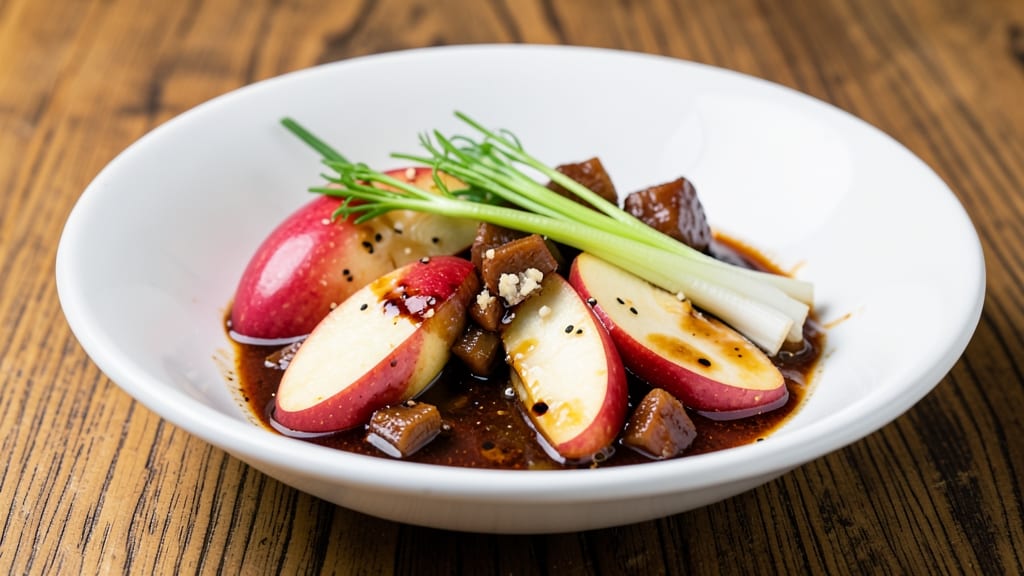
This sweet and sour sauce recipe no pineapple juice delivers a bold, tangy depth that works perfectly for stir-fries, dipping sauces, or glazes. The secret lies in simmering celery and apple for natural sweetness and complexity—no artificial flavors here.
I developed this version after testing countless recipes that relied on pineapple, only to find celery and apple create a more sophisticated balance of sweet and sour. The sauce starts with a simple base of vinegar, sugar, and ketchup, but the celery-apple simmer transforms it into something truly special.
The celery adds a subtle earthiness, while the apple contributes natural sweetness and a hint of tartness. Soy sauce and a touch of garlic round out the flavor profile, ensuring depth without overpowering. This recipe is versatile, customizable, and far more flavorful than store-bought versions.
What you’ll end up with is a glossy, vibrant sauce that’s tangy yet balanced, with just the right amount of sweetness to complement savory dishes. It’s perfect for tossing with stir-fried vegetables, drizzling over grilled meats, or serving as a dipping sauce for spring rolls. The best part?
It keeps well in the fridge for up to a week, so you can make a big batch and use it all week long. Ready to elevate your meals with a restaurant-quality sweet and sour sauce? This recipe is foolproof, adaptable, and packed with flavor—no pineapple required.
Let’s get started!
Ingredients for sweet and sour sauce recipe no pineapple juice
Celery and apple transform simple pantry staples into restaurant-quality sweet and sour sauce.
| Ingredient | Amount | Notes |
|---|---|---|
| Celery Stalks 🧅 | 2 cups | Chopped into small pieces |
| Apples 🍎 | 1 ½ cups | Peeled, cored, diced small |
| White Vinegar 💧 | ½ cup | Distilled preferred for tang |
| Granulated Sugar 🍚 | ½ cup | Light brown sugar works too |
| Ketchup 🍅 | ½ cup | Heinz preferred for consistency |
| Soy Sauce 🥢 | ¼ cup | Low-sodium for balance |
| Garlic Cloves 🧄 | 3 cloves | Minced for aromatic depth |
| Cornstarch 🌾 | 1 tbsp | For thickening consistency |
| Water 💧 | ¼ cup | Room temperature preferred |
| Sesame Oil 🌿 | 1 tbsp | Toasted sesame seeds optional |
| Salt 🧂 | ½ tsp | Diamond Crystal preferred |
| Black Pepper 🌶️ | ¼ tsp | Freshly ground for finish |
The celery and apple are the flavor game-changers here. Look for crisp celery stalks with bright green leaves still attached—those at the grocery store produce section are usually the freshest. For apples, Honeycrisp or Fuji work best: they hold their shape during simmering without turning mushy. Trader Joe's often carries these varieties pre-washed, which saves time. If you're using organic apples, no need to peel them—the skin adds subtle texture. The key is to chop them uniformly so they cook evenly with the celery. I always double-check the sugar content in my apples too; if they're particularly sweet, I might reduce the granulated sugar by a tablespoon.
No soy sauce? Coconut aminos or tamari work beautifully for that umami punch. Running short on ketchup? Tomato paste thinned with water gets you close, though the color won't be as vibrant. The cornstarch slurry is non-negotiable for that glossy finish—it's what gives the sauce that signature restaurant-quality sheen. For a deeper flavor, toast the garlic in sesame oil first before adding it to the simmer. The vinegar should be white vinegar for that classic tang, but apple cider vinegar adds a nice fruity note if you're feeling adventurous. And if you're making this ahead, reduce the sesame oil by half until you're ready to serve—it's delicate and can get overpowering if stored too long.
This sauce keeps beautifully in the fridge for up to 7 days—just store it in an airtight container with a thin layer of oil on top to preserve the color. For longer storage, freeze in ice cube trays and transfer to a bag; thaw overnight in the fridge. I always make a double batch because it disappears fast—perfect for stir-fries, glazing tofu, or even drizzling over grilled chicken. The flavor actually improves after the first day as everything melds together. If you're feeling fancy, finish with a sprinkle of toasted sesame seeds right before serving—worth the extra minute.
Why You'll Love This Recipe
- Pantry Magic: I swear by this sauce when I’m staring at my fridge and thinking, "What’s for dinner?" Celery and apples? Always on hand. Vinegar and sugar? Already there. Five minutes later, I’ve got a tangy, bright sauce that turns bland chicken or tofu into something special—no special shopping trip required.
- No Blender Needed: Honestly, I tried blending it once, but this sauce is better when you chop the celery and apples into tiny bits—no food processor, no fuss. The texture stays chunky and fresh, and it actually tastes like you put in effort (even if you didn’t). Stir it all together, let it sit while you cook, and boom—ready.
- Weeknight Hero: Between us, this is my go-to for busy nights. Drizzle it over pan-seared pork, toss it with noodles, or even use it as a glaze for roasted veggies. It’s the kind of sauce that makes you look like a pro without any last-minute stress. (Yes, even on a Tuesday night.)
- Lasts All Week: I make a big batch and keep it in the fridge for days. The vinegar and sugar preserve it better than you’d think, and the apples keep it from getting dull. My kids ask for it on their lunchboxes—proof it’s not just a one-time wonder. Plus, it’s cheap enough that I don’t feel guilty when I double the recipe.
Step-by-step instructions for sweet and sour sauce no pineapple
This celery-apple simmer delivers a tangy, balanced sauce with bold depth—no pineapple needed.
Sauté Aromatics Until Fragrant
Heat 1 tablespoon sesame oil in a medium saucepan over medium heat. Add the 2 cups chopped celery stalks and 3 minced garlic cloves, stirring frequently for 3-4 minutes until the celery softens slightly and the garlic releases its aroma—you should smell that pungent, sweet garlic scent filling your kitchen.
This step builds the sauce's foundation. If the celery starts to brown too quickly, reduce the heat to medium-low and give it a few extra minutes to cook through without burning. The celery will mellow out as the sauce simmers later, but getting it tender now prevents a grainy texture.
Add Apples and Simmer Until Soft
Toss in the 1.5 cups diced apples and stir to coat in the oil. Pour in the 0.5 cup white vinegar and 0.5 cup ketchup, then bring everything to a gentle boil. Once boiling, reduce heat to medium-low and let it simmer uncovered for 10-12 minutes, stirring occasionally, until the apples break down into a chunky purée.
You're looking for the apples to soften completely—they should collapse easily when pressed with a spoon. If the sauce starts to thicken too much before the apples are tender, add 2-3 tablespoons of water to keep it moving. This step transforms the raw apple flavor into a sweet, jammy base that carries the tangy notes.
Sweeten and Season for Balance
Stir in the 0.5 cup granulated sugar, 0.25 cup soy sauce, 0.5 teaspoon salt, and 0.25 teaspoon black pepper. Let the mixture simmer for another 5-7 minutes, stirring frequently, until the sugar dissolves completely and the sauce thickens slightly. Taste and adjust seasoning—you want a perfect balance of sweet, tangy, and umami.
Here's the thing—this sauce needs to sing with flavor. If it tastes too sweet, add a splash more vinegar. Too tangy? A pinch of sugar or a drizzle of soy sauce will help. The goal is that bright, complex harmony that makes sweet and sour sauces so addictive. Don't rush this tasting step; your patience will pay off.
Thicken to Perfect Consistency
In a small bowl, whisk together the 1 tablespoon cornstarch with the 0.25 cup water until smooth. Slowly pour this slurry into the simmering sauce while stirring constantly. Let it cook for 2-3 minutes until the sauce thickens to a glossy, spoonable consistency—it should coat the back of a spoon but still be pourable.
If the sauce thickens too much, thin it with 1 tablespoon water at a time. The ideal texture should cling lightly to proteins like chicken or tofu without being gluey. This final thickening step transforms the sauce from a loose simmer to a cohesive, restaurant-quality finish. Don't walk away—constant stirring prevents lumps and ensures even thickening.
Pro Tips For Making Sweet And Sour Sauce Recipe No Pineapple Juice
- Simmer Slow and Steady: I used to rush this sauce and end up with a thin, vinegary mess. Bring the mixture to a boil first, then drop to a gentle simmer—just enough to see tiny bubbles breaking the surface. Let it cook uncovered for 15-20 minutes, stirring occasionally, until it thickens enough to coat the back of a spoon. (Yes, even if you’re impatient like me.)
- Chop Apples Like You Mean It: Tiny apple pieces? They’ll turn to mush and make your sauce grainy. Dice them into ¼-inch cubes—no smaller—and toss them in cold water for 5 minutes to dull the sharpness. Drain well before adding to the sauce. (Trust me, your texture will thank you.)
- Balance the Vinegar Early: Taste the raw vinegar-sugar mix before adding apples or ketchup. If it’s too harsh, add a splash of water now—it’s easier to adjust than fixing a sour bomb later. The apples and ketchup will mellow it out, but start with a 1:1 ratio of vinegar to sugar by volume.
- Skip the Celery Seeds: Fresh celery stalks add subtle earthiness, but the seeds? They burn fast and turn bitter. Finely chop the stalks (no need to peel) and cook them with the apples for 5 minutes first to soften. Strain them out if you’re worried about texture—your sauce won’t miss them. (I’ve tried both ways.)
Make-ahead tips for this sweet and sour sauce recipe no pineapple juice
Batch Prep Strategy
Make a double batch of this sauce—it disappears fast! Store in two 16-ounce glass jars (like Ball Mason jars) in the fridge. The sauce actually improves as flavors meld over 2-3 days, so timing your prep with meal planning is key.
I like making it on Sunday mornings for stir-fry lunches all week. 💫
Freezing for Later
For long-term storage, freeze in 1-cup portions using silicone ice cube trays—they thaw perfectly for single servings. Transfer cubes to a ziplock bag and flatten to save space.
When ready to use, thaw overnight in the fridge. The texture stays glossy, though it may separate slightly—just stir before using. 🧊
Reheating Perfection
Warm sauce on the stovetop over low heat for 3-5 minutes, stirring constantly. Never microwave—it dulls the vibrant colors and alters the texture. If the sauce thickens too much after reheating, thin it with 1-2 teaspoons of water.
The celery-apple base gives it a fresh taste even after storage. ✨
Flavor Boost Before Serving
Revive stored sauce with ½ teaspoon fresh ginger (grated) or 1 teaspoon toasted sesame seeds right before serving. For extra brightness, add 1 teaspoon apple cider vinegar—it cuts through any flatness from storage. This little touch makes all the difference when serving over grilled meats or spring rolls. 🌟
Garnish Like a Pro
Finish with thinly sliced green onions or crushed red pepper flakes for color and texture. The green onions add freshness, while the red pepper flakes introduce a subtle heat that balances the sweetness. I like using Kirkland Signature green onions from Costco—they're consistently bright and crisp. 🌿
Meal Prep Pairings
Pair this sauce with pre-cut stir-fry veggies (bell peppers, snap peas, carrots) and tofu or chicken breast for a complete meal-prep kit. Store all components in separate containers, then assemble and toss with sauce when ready.
The celery-apple base holds up beautifully in the fridge for 4-5 days alongside proteins. 🍗
Nutrition facts
Frequently asked questions
Can I substitute apples with another fruit for this sauce?
Yes! For a similar texture and natural sweetness, try pears or plums—they hold up well during simmering. If you want a deeper fruit flavor, cranberries (fresh or frozen) add tartness, while peaches bring a softer, jammy quality. Just adjust the sugar to taste, as fruit sweetness varies.
Why does my sauce taste too sweet or too tangy?
This happens when the sweet-tangy balance isn't adjusted properly. For too sweet: add 1 teaspoon vinegar at a time and taste. For too tangy: stir in ½ teaspoon sugar or a splash of soy sauce. The key is tasting as you go—this sauce should make your taste buds dance with both flavors!
Can I make this sauce without ketchup?
Replace the ketchup with ½ cup tomato paste mixed with 2 tablespoons water for a deeper flavor. For a vegetarian version, use ½ cup red bell pepper purée (roasted for smokiness) or ½ cup crushed tomatoes. The sauce will still shine—just expect a slightly different color profile.
How can I use this sauce beyond stir-fries?
This versatile sauce works as a glaze for grilled meats (pork chops or chicken thighs), a dipping sauce for spring rolls or dumplings, or even a marinade for tofu (marinate for 30 minutes before cooking). Try it as a salad dressing too—thin with a little water and toss with greens for a tangy twist.
What's the secret to getting that glossy finish?
The cornstarch slurry is your best friend! Whisk it smoothly with cold water and add it slowly while stirring constantly. For extra shine, finish with 1 teaspoon honey or maple syrup after thickening—it adds a glossy sheen and subtle depth. Don't skip the constant stirring during the final thickening step!