
Sauces & Condiments
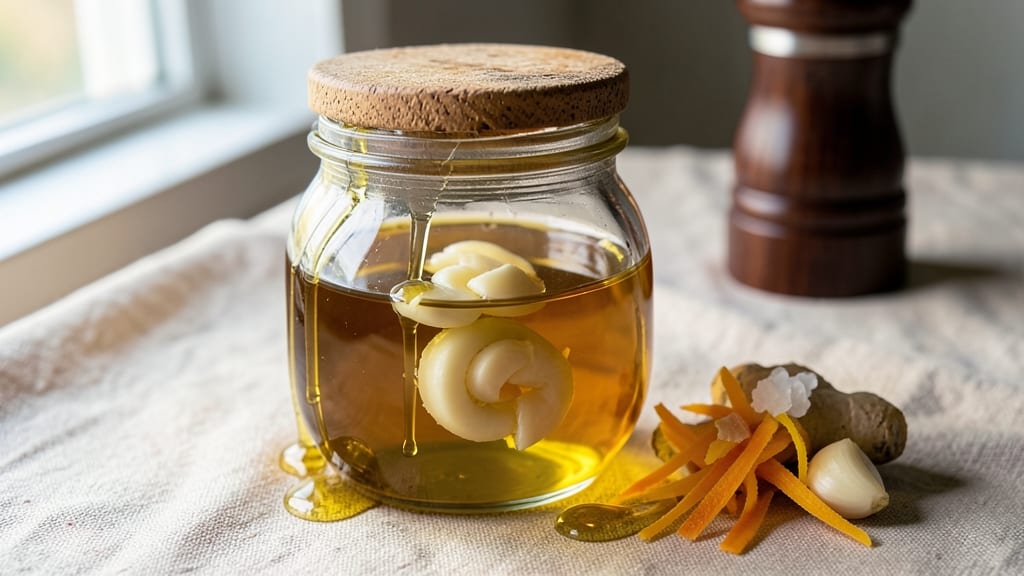
This apple cider vinegar garlic ginger recipe creates a vibrant, umami-rich base that transforms ordinary dishes into restaurant-quality meals. The tangy-sweet balance from apple cider vinegar, combined with fresh garlic and ginger, delivers depth that elevates stir-fries, marinades, and dipping sauces effortlessly.
I developed this sauce after years of experimenting with quick, flavor-packed condiments that cut through rich ingredients without overpowering them.
The beauty of this recipe lies in its simplicity—just five core ingredients blend together in minutes to create a sauce that's versatile enough for almost any dish. Unlike store-bought versions, this homemade blend stays fresh for weeks and adapts seamlessly to different cuisines.
The garlic and ginger infuse the vinegar with aromatic warmth, while a touch of honey or sugar balances the acidity, creating a perfect harmony of flavors.
What you'll end up with is a zesty, aromatic sauce that adds brightness to hearty stir-fries, tenderizes meats in marinades, or serves as a tangy dip for fresh vegetables. The sauce's natural acidity helps break down proteins, making it ideal for meal prep.
Whether you're cooking for one or feeding a crowd, this recipe delivers professional results with minimal effort.
Best of all, this sauce keeps well in the refrigerator for up to two weeks, so you can make a big batch and use it throughout the week.
The possibilities are endless—drizzle it over noodles, toss it with roasted vegetables, or use it as a base for homemade salad dressings. Let's get started!
Ingredients for apple cider vinegar garlic ginger
Five core ingredients transform into a vibrant umami-rich sauce perfect for elevating any dish.
| Ingredient | Amount | Notes |
|---|---|---|
| Apple Cider Vinegar 🍎 | 1 cup | Raw, unfiltered preferred for depth |
| Garlic Cloves 🧄 | 6 cloves | Freshly minced for maximum aromatic punch |
| Fresh Ginger Root 🌿 | 2 tbsp | Finely grated, skin removed |
| Raw Honey 🍯 | 2 tbsp | Local preferred for subtle floral notes |
| Sea Salt 🧂 | 1 ½ tsp | Diamond Crystal preferred for purity |
| Extra-Virgin Olive Oil 🫒 | ½ cup | Fruity variety for balanced richness |
| Freshly Ground Black Pepper 🌶️ | ½ tsp | Freshly cracked for optimal flavor |
The apple cider vinegar serves as the foundation—Bragg Organic or Maverick brands deliver the most complex flavor profile due to their raw, unfiltered nature. For garlic and ginger, Whole Foods Market or local Asian markets often carry the freshest roots with vibrant color, indicating peak freshness. The honey should be raw and unprocessed to preserve its delicate floral notes, which complement the vinegar's tang. If substituting maple syrup, use one-third more due to its lower sweetness intensity compared to honey. The olive oil acts as both a binder and flavor enhancer—California Extra Virgin brands like Corto or Gaea offer the most balanced fruity profile without overpowering the sauce's aromatic base.
No fresh ginger? Powdered ginger at half the amount works in a pinch, though it lacks the same depth. Substitute honey with agave nectar or maple syrup, adjusting sweetness to taste. For a more robust garlic flavor, garlic powder at double the amount can be used, though fresh minced garlic remains superior. The sea salt is crucial for balancing acidity—Diamond Crystal dissolves more easily than table salt, so use it as specified. If you prefer a smoother texture, blend the sauce briefly after combining all ingredients, though the slight texture adds to its rustic appeal. For a vegan adaptation, simply omit the honey and use maple syrup instead.
This sauce maintains peak freshness for up to 2 weeks when stored in a clean glass jar with a tight-sealing lid in the refrigerator. For long-term storage, transfer to an airtight container and freeze for up to 6 months. The sauce's natural acidity acts as a preservative, allowing it to be used liberally in marinades without spoiling. When using as a marinade, reserve 1/4 cup of the sauce for basting during cooking to maximize flavor infusion. The sauce's versatility makes it ideal for batch cooking—double the recipe and store portions for quick meal assembly throughout the week.
Why You'll Love This Recipe
- Five-Ingredient Magic: I swear by this combo—garlic, ginger, and honey simmered in vinegar until the kitchen smells like a cozy autumn morning. Honestly, it’s the kind of thing you’ll make just to enjoy the process, even if you don’t use it right away.
- Pantry Powerhouse: No fresh herbs? No problem. The raw honey and apple cider vinegar base means this mix stays vibrant for weeks, and I always have those ingredients on hand. Between us, it’s my go-to for when I’ve forgotten to grocery shop.
- Dress-Up Any Meal: Slather it on roasted veggies, drizzle over grilled chicken, or toss with noodles—this stuff transforms basic dishes into something special. I’ll be real: my lazy weeknights just got a flavor upgrade without extra effort.
- Budget-Friendly Boost: A little goes a long way, and the ingredients cost pennies. That jar of apple cider vinegar and ginger root from last winter? Still making magic in this recipe, saving me money while adding depth to everything.
Step-by-step instructions for crafting a zesty umami base
This vibrant blend delivers bold flavor with minimal effort—ideal for marinades and stir-fry foundations.
Prepare the Aromatic Base Ingredients
Mince the 6 cloves garlic cloves finely using a sharp knife or microplane—you want a paste-like consistency that will infuse properly. Peel and finely grate the 2 tbsp fresh ginger root, removing any tough skin first. The goal is to maximize surface area for optimal flavor extraction during infusion.
Measure out the 1 cup apple cider vinegar and 0.5 cup extra-virgin olive oil into a medium saucepan. The vinegar provides the tangy backbone while the olive oil carries the aromatic compounds. Keep these ingredients separate until the next step to prevent premature flavor degradation.
Infuse the Vinegar and Oil Mixture
Combine the vinegar and olive oil in the saucepan over low heat. Add the minced garlic and grated ginger, stirring constantly to prevent burning. Maintain a gentle simmer for 10-12 minutes until the mixture becomes fragrant and slightly reduced in volume. You'll notice the aroma intensify as the garlic transforms from sharp to mellow.
I like to watch for visual cues here—the mixture should darken slightly and develop a glossy sheen. This indicates proper infusion without scorching. Remove from heat immediately once you detect that rich, complex aroma—overcooking turns garlic bitter.
Incorporate Sweet and Seasoning Elements
Return the pan to low heat and whisk in the 2 tbsp raw honey and 1.5 tsp sea salt. The honey balances the acidity while adding subtle floral notes, while the salt enhances all flavors. Stir continuously for 2-3 minutes until the honey dissolves completely and the mixture reaches a uniform consistency.
Add the 0.5 tsp freshly ground black pepper and give it one final stir. The pepper adds a subtle heat that complements the umami profile. Let the mixture cool slightly—this allows the flavors to meld more effectively before final use.
Rest and Strain for Maximum Flavor
Transfer the mixture to a clean jar and let it rest at room temperature for at least 30 minutes. This resting period allows all the flavors to fully integrate and develop depth. For best results, refrigerate for 1-2 hours before using—this enhances the complexity of the finished product.
Before using, strain through a fine-mesh sieve to remove any solid ginger particles if you prefer a completely smooth texture. The strained liquid will have an intense golden hue and carry all the vibrant flavors of the original blend. This versatile base keeps well in the refrigerator for up to 2 weeks or can be frozen for longer storage.
Pro Tips For Making Apple Cider Vinegar Garlic Ginger
- Peel Ginger Thinly: Use a spoon to scoop off the skin instead of peeling with a knife—it’s faster and leaves more usable ginger. I learned this the hard way after wasting half a root trying to slice through thick skin with a peeler.
- Mince Garlic Coarse: Chop garlic into rough, uneven pieces instead of a fine paste—it infuses flavor better without turning bitter. I used to over-blend it, and the vinegar would make it taste harsh.
- Warm Vinegar First: Heat the apple cider vinegar in a small saucepan until just steaming (don’t boil) before adding garlic and ginger. This opens up the flavors and prevents a harsh, raw taste—trust me, it makes a real difference.
- Balance Honey Last: Add raw honey at the very end and stir gently—it thickens when heated, so over-mixing turns your dressing into syrup. I skip this step sometimes, and the result is noticeably thinner and less cohesive.
Pro cooking tips for apple cider vinegar garlic ginger
Infusion Timing
Don’t rush the 10-12 minute infusion—this is where the magic happens. The garlic and ginger need time to release their oils fully into the vinegar and oil. I’ve found that using a low, steady simmer (not a rolling boil) prevents bitterness while maximizing flavor extraction.
If you’re short on time, you can speed this up by microwaving the mixture for 3-4 minutes instead, but the stovetop method yields deeper flavor. 🌡️
Honey Substitutes
If you’re avoiding honey, maple syrup or agave nectar work well, but adjust quantities carefully. Maple syrup has a stronger flavor, so start with 1 tbsp less than the recipe calls for.
For a sugar-free option, use monk fruit sweetener—it’s intense, so begin with just ½ tsp and taste as you go. The key is balancing the acidity of the vinegar without overpowering the garlic and ginger notes.
Straining for Smoothness
Straining isn’t mandatory, but it makes a noticeable difference in texture. For a completely smooth sauce, use a fine-mesh sieve or cheesecloth. If you prefer a rustic look, skip it—the tiny ginger specks add subtle texture and visual appeal.
I like to press the solids with a spoon to extract every last drop of flavor. For extra clarity, chill the strained sauce for 30 minutes before serving—this helps settle any remaining particles.
Marinade Boost
When using this sauce as a marinade, add 1 tbsp soy sauce or tamari to deepen the umami. For proteins like chicken or tofu, marinate for at least 4 hours (overnight is best) to tenderize.
Reserve ¼ cup of the marinade to brush on during the last 2-3 minutes of cooking—this creates a flavorful crust. The acidity in the vinegar helps break down proteins, so don’t skip this step for tougher cuts like pork shoulder.
Freezer Storage Tips
For long-term storage, portion the sauce into ice cube trays before freezing. Once solid, pop out the cubes and transfer to a freezer bag. This makes it easy to thaw just what you need without wasting the whole batch.
The sauce will thicken slightly when frozen, so add 1 tsp water per cube when thawing. Label with the date—it stays fresh for up to 6 months without losing its vibrant flavor. 🧊
Flavor Layering
Take this sauce to the next level by adding 1 tsp toasted sesame oil or ½ tsp smoked paprika for depth. For a spicy kick, blend in ½ tsp gochujang or sriracha.
The possibilities are endless—experiment with 1 tsp fish sauce for extra umami or ½ tsp ground coriander for warmth. Always taste as you go and adjust to your preference. The beauty of this base is how adaptable it is to different cuisines! ✨
Nutrition facts
Frequently asked questions
Can I use this sauce as a salad dressing?
This sauce works perfectly as a tangy dressing when thinned with 1-2 tbsp water or extra olive oil. The garlic and ginger add depth while the vinegar keeps it bright and refreshing. For a creamy version, stir in 1 tbsp Greek yogurt or tahini for a rich texture. Try it on mixed greens with grilled chicken or roasted vegetables.
How can I adjust the spice level?
For more heat, add ½ tsp red pepper flakes or 1 tsp sriracha to the finished sauce. If you prefer milder flavors, reduce the black pepper to ¼ tsp or omit it entirely. The ginger and garlic already provide warmth, so start with small adjustments and taste as you go.
Will this sauce work for raw fish or sushi?
No, this sauce isn't safe for raw applications due to the vinegar and garlic. The acidity and raw ingredients create a risk for cross-contamination. Instead, try it as a marinade for cooked seafood like shrimp or salmon, or use it in cooked dishes like stir-fries or noodle bowls.
Can I make this sauce without honey?
Yes! Swap honey for maple syrup or agave nectar (use 1 tbsp less than called for). For a sugar-free option, try monk fruit sweetener (start with ½ tsp and adjust). The key is balancing the vinegar's acidity while enhancing the garlic and ginger flavors.
How much sauce should I use per serving?
Start with 1-2 tablespoons per serving for marinades or stir-fries. For dressings, thin with 2-3 tbsp water or oil per ¼ cup sauce. The sauce is concentrated, so less is often more—taste as you go and adjust to your preference. It's versatile enough to work in both small and large quantities.