
Main Courses
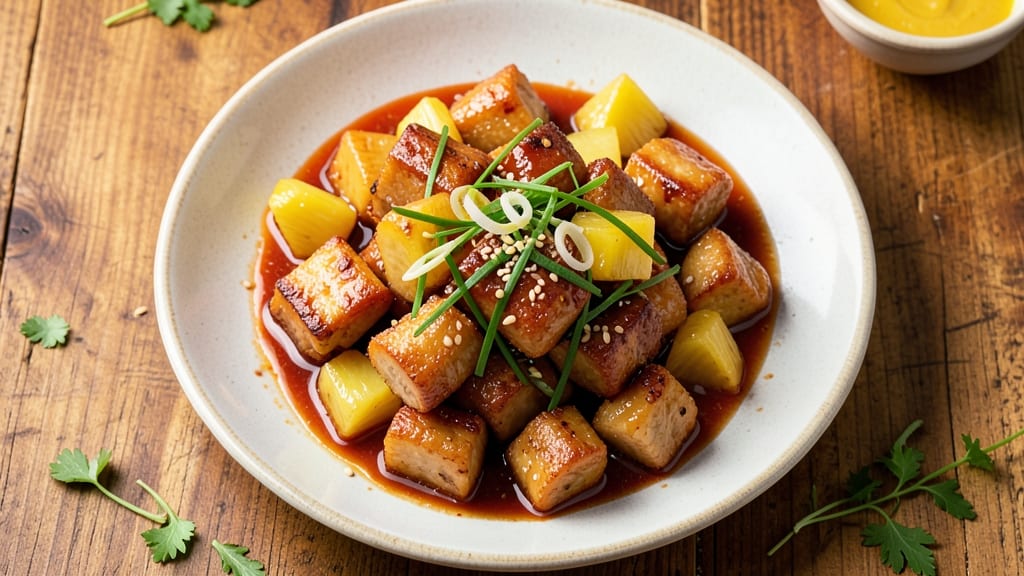
Chef James Beard's sweet and sour pork pineapple recipe delivers restaurant-quality stir-fry magic in a single pan. This classic technique transforms tender pork with juicy pineapple into a dish that's balanced, vibrant, and packed with authentic flavor.
The secret lies in proper marinating and sauce ratios that create that perfect tangy-sweet balance. The recipe begins with a simple marinade that tenderizes the pork while building flavor, followed by quick searing to lock in juices. Pineapple adds natural sweetness and tenderizes the meat as it cooks.
The sauce combines vinegar, sugar, and ketchup for that signature tangy-sweet profile, with a touch of cornstarch to create just the right consistency. What you'll end up with is a one-pan stir-fry that's restaurant-quality at home—crispy pork, tender pineapple, and a glossy sauce that coats every bite.
The pork develops a beautiful caramelized crust while staying juicy inside, and the pineapple remains sweet and slightly caramelized from the cooking process. This dish pairs beautifully with steamed jasmine rice or stir-fried vegetables, making it a complete meal.
The technique is straightforward but delivers professional results, just as Chef Beard would approve. Let's get cooking!
Ingredients for sweet and sour pork pineapple recipe chef james beard
Twelve ingredients transform into Chef James Beard's iconic sweet and sour pork pineapple stir-fry.
| Ingredient | Amount | Notes |
|---|---|---|
| Boneless Pork Loin 🐷 | 1 ½ lb | Cut into 1-inch cubes, marinated overnight |
| Fresh Pineapple Chunks 🍍 | 2 cups | Freshly cut, juices reserved |
| White Vinegar 💧 | ½ cup | Distilled preferred for balance |
| Granulated Sugar 🍚 | ½ cup | White or brown sugar works |
| Tomato Ketchup 🍅 | ¼ cup | Heinz preferred for consistency |
| Cornstarch 🌾 | 1 tbsp | For sauce thickening |
| Garlic Cloves 🧄 | 4 cloves | Minced for marinade and sauce |
| Ginger Root 🌿 | 1 tbsp | Freshly grated, aromatic |
| Soy Sauce 🥢 | ¼ cup | Low-sodium preferred |
| Vegetable Oil 🫒 | 2 tbsp | High smoke point for searing |
| Salt 🧂 | 1 ½ tsp | Diamond Crystal preferred |
| Black Pepper 🌶️ | ½ tsp | Freshly ground for heat |
| Green Onions 🧅 | 3 whole | Sliced, for garnish |
The pork loin is critical—look for center-cut slices with good marbling at your butcher or Costco's pre-cut pork loin. Fresh pineapple should be ripened but firm, with no bruising. For the marinade, garlic and ginger from Trader Joe's or Whole Foods add depth. The sugar should be granulated (brown adds molasses notes), and Heinz ketchup delivers consistent flavor. Diamond Crystal kosher salt dissolves cleanly, while freshly ground black pepper adds subtle heat. Vegetable oil with a high smoke point (like Avocado or Canola) prevents bitterness during searing.
No fresh pineapple? Canned pineapple chunks in juice work in a pinch, but drain and reserve the juice for extra sweetness. Substitute apple cider vinegar for white vinegar if preferred, though it adds a distinct tang. Honey can replace sugar at a 1:1 ratio, though the texture may vary slightly. For a gluten-free version, swap soy sauce with tamari. Cornstarch is non-negotiable for that glossy, thickened sauce—arrowroot powder works too but requires slightly less. The green onions can be omitted if you prefer a cleaner presentation, but their freshness brightens the dish.
Marinate the pork overnight for maximum tenderness, then refrigerate the pineapple in its juices to keep it crisp. The sauce should be made just before serving—it thickens quickly. Store leftovers in an airtight container for 3-4 days, though the pork and pineapple texture softens over time. For freezing, portion the sauce separately—it reheats best when fresh. Jasmine rice pairs perfectly, so cook a batch ahead to save time on serving night.
Why You'll Love This Recipe
- One-Pan Magic: I swear by this recipe because it’s literally one pan, one sauce, and done. No chopping boards to clear, no extra bowls—just slice the pork, toss it in the same skillet with the pineapple and sauce, and let it simmer. That’s it. (Yes, even on a Tuesday night when I’m exhausted.)
- Tangy-Sweet Balance: Here’s what sold me—the way the vinegar cuts through the sugar without tasting harsh, and the ketchup adds this unexpected depth. The pineapple’s natural sweetness makes the pork tender but still holds its shape, so you get that perfect bite. Honestly, I’ve tried store-bought versions, and this one’s leagues ahead.
- Lunchbox Hero: Between us, this is my go-to for meal prep because it reheats like a dream. Pack the leftovers in containers, and the sauce stays glossy, the pork stays juicy—no sad, dry takeout vibes. My kids grab it for school lunches, and my partner takes it to work. (They’re not complaining.)
- Budget-Friendly Feast: Pork loin stretches far, and pineapple chunks are cheaper than you’d think when you’re not buying pre-cut. The sauce costs pennies to make, and a single batch feeds four with room for seconds. I’ll be real: it’s the kind of recipe that makes me feel like I’m treating myself without breaking the bank.
Step-by-step instructions for sweet and sour pork pineapple
Master this classic stir-fry technique for perfectly balanced sweet, tangy, and savory flavors.
Marinate and Prep the Pork
Cut the 1.5 lb boneless pork loin into 1-inch cubes and place them in a resealable bag. In a small bowl, whisk together 0.25 cup soy sauce, 1 tbsp freshly grated ginger root, 4 minced garlic cloves, 1.5 tsp salt, and 0.5 tsp black pepper. Pour this marinade over the pork, seal the bag, and refrigerate for at least 4 hours or overnight. This ensures tender, flavorful pork that won't dry out during cooking.
While the pork marinates, prepare the 2 cups fresh pineapple chunks by slicing them into ½-inch pieces. Reserve the juices in a small bowl—they'll add natural sweetness to the sauce later. The pineapple should be fresh, not canned, for the best texture and flavor balance.
Build the Sauce Foundation
In a large skillet, heat 2 tbsp vegetable oil over medium-high heat until shimmering. Add the marinated pork and cook undisturbed for 3-4 minutes until the edges are golden brown and slightly crispy. This initial sear locks in juices and builds flavor. Transfer the pork to a plate and set aside.
In the same skillet, reduce heat to medium and add the 2 cups fresh pineapple chunks. Cook for 2-3 minutes until lightly caramelized. Remove the pineapple and set aside with the pork. Add 0.5 cup white vinegar and 0.5 cup granulated sugar to the skillet, scraping up any browned bits from the bottom. Simmer for 2 minutes until the sugar dissolves and the mixture thickens slightly.
Thicken and Finish the Sauce
Return the pork and pineapple to the skillet. Stir in 0.25 cup tomato ketchup and 1 tbsp cornstarch mixed with 2 tablespoons of reserved pineapple juice in a small bowl. This slurry will help thicken the sauce to a glossy, clingy consistency. Bring the mixture to a gentle simmer and cook for 3-4 minutes, stirring constantly, until the sauce coats the back of a spoon.
The sauce should be slightly thick but still pourable, with a balance of sweet, tangy, and umami flavors. If it's too thick, add 1-2 tablespoons of water to loosen it. Taste and adjust seasoning with additional soy sauce or sugar if needed. The sauce should complement the pork without overpowering it.
Garnish and Serve
Remove the skillet from heat and let the dish rest for 2-3 minutes to allow the flavors to meld. Stir in the 3 sliced green onions for a fresh, bright finish. Serve the sweet and sour pork pineapple immediately over steamed jasmine rice or egg noodles to soak up every last bit of that glossy sauce.
Each bite should deliver tender pork with a crisp exterior, juicy pineapple, and a sauce that's perfectly balanced—sweet from the sugar and pineapple, tangy from the vinegar, and savory from the soy and tomato ketchup. The green onions add a subtle crunch that cuts through the richness.
Pro Tips For Making Sweet And Sour Pork Pineapple Recipe Chef James Beard
- CUT PORK THIN ENOUGH: This isn’t a steak—it needs to cook fast and even. Slice the pork loin against the grain into ¼-inch strips (no thicker, or they’ll turn rubbery). I used to eyeball it and ended up with chewy chunks every time. A sharp knife and a ruler make this foolproof.
- USE FRESH PINEAPPLE JUICE: Canned pineapple works, but fresh juice—strained from the chunks you’re using—adds depth. The acidity cuts through the richness of the pork, and the natural sweetness balances the vinegar better. Save the chunks for the sauce later; they’ll soften and release flavor.
- COOK THE SAUCE LOW: After adding vinegar and sugar, let it simmer gently for 10 minutes. Rushing it turns the ketchup into a gloopy mess. I learned this after one batch where the sauce separated like oil and vinegar. A slow simmer also caramelizes the sugar properly—no burnt aftertaste.
- SEAR PORK IN BATCHES: Overcrowding the pan steams the pork instead of searing it. Work in single layers, and don’t move them until they’ve developed a crust (about 2 minutes). I skip this and end up with pale, bland pork every time. A hot pan and patience make all the difference.
Wine and beer pairings for sweet and sour pork pineapple recipe chef james beard
Crisp White Wine
Chef James Beard often paired this dish with a dry Riesling from Germany or Sauvignon Blanc from New Zealand. The wine's acidity cuts through the sweetness of the pineapple and pork, while its crisp finish cleanses your palate between bites.
I love a Dr. Loosen Blue Slate Riesling—its mineral notes complement the dish beautifully. Serve slightly chilled to enhance its refreshing quality. 🍷
Light Beer Options
A pilsner-style beer like Heineken or Stella Artois works perfectly with sweet and sour pork. The light maltiness balances the dish's sweetness while the carbonation helps cut through the richness. For a local craft option, try a Belgian witbier like Hoegaarden—its citrusy notes mirror the pineapple's brightness.
Fruity Red Wine
If you prefer red wine, a Pinot Noir from Oregon or Gamay from Beaujolais adds a fruity contrast without overpowering the dish. The Pinot Noir's red fruit notes harmonize with the pineapple, while Gamay's juicy profile enhances the sweet-sour balance. Serve at room temperature for the best experience.
Non-Alcoholic Pairings
For a refreshing non-alcoholic option, try sparkling apple cider like Martinelli's or ginger beer like Feani. The effervescence and subtle sweetness complement the dish's flavors beautifully. A cucumber-mint infused water with a splash of lime also provides a crisp, palate-cleansing alternative.
Cocktail Pairing
For a festive touch, pair this dish with a Lynchburg Lemonade—a sweet, tangy cocktail made with bourbon, lemon juice, and simple syrup. The cocktail's citrus notes echo the pineapple's brightness, while the bourbon adds a smooth depth that enhances the pork's savory qualities.
Serve over ice for a refreshing accompaniment.
Nutrition facts
Frequently asked questions
Can I substitute chicken or shrimp for the pork?
Chicken thighs work beautifully—they stay juicy during cooking, just like pork. For shrimp, use 1 lb large shrimp (peeled and deveined) and reduce marinating time to 1 hour since they cook much faster. The pineapple and sauce ratios stay the same, but shrimp will only need 2-3 minutes of cooking time after adding to the pan.
Why does my sauce turn out too thick or too thin?
The cornstarch slurry is key—mix it with 2 tbsp reserved pineapple juice for perfect consistency. If too thick, add 1 tbsp water at a time while stirring. Too thin? Simmer uncovered for 1-2 extra minutes to reduce. Pro tip: Use a wire whisk to prevent lumps when adding the cornstarch mixture.
How do I make this dish gluten-free?
Replace soy sauce with tamari (gluten-free soy sauce) and use arrowroot powder instead of cornstarch for thickening. The rest of the recipe remains unchanged. Always check labels on ketchup and vinegar to ensure they're gluten-free certified. This version works perfectly with rice or gluten-free noodles.
Can I prepare this recipe ahead of time?
Marinate the pork up to 2 days ahead and store in the fridge. For the sauce, make it fresh before serving—it thickens best when heated fresh. If reheating, warm gently on low heat with 1 tbsp water to restore shine. The pineapple should be added back just before serving to maintain crispness.
What's Chef James Beard's secret for extra-tender pork?
Beard emphasized proper marinating time and low-and-slow cooking initially. For this recipe, his technique focused on overnight marinating with ginger and garlic to break down muscle fibers, then a gentle sear to lock in juices. The key is patience—don't rush the marinade or overcrowd the pan when cooking.