
Main Courses
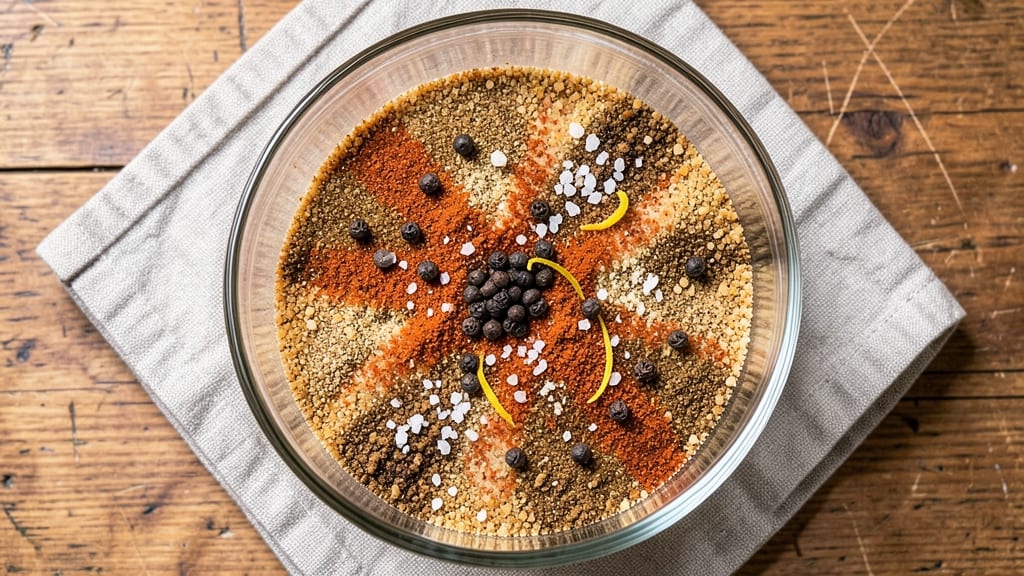
Transform your ribs into tender, juicy perfection with this apple cider vinegar rib spray recipe—a game-changer that creates a smoky-sweet bark while locking in moisture. The acidity tenderizes the meat, while the natural sweetness caramelizes into a glossy glaze that rivals hours of slow cooking.
I developed this spray after years of experimenting with commercial rubs and sprays, and it consistently delivers restaurant-quality results with minimal effort.
The secret lies in the balance of apple cider vinegar, brown sugar, and spices, which work together to form a sticky, flavorful crust during cooking. This spray is incredibly versatile—use it before smoking, grilling, or even baking to enhance tenderness and flavor.
The vinegar also helps break down collagen, ensuring your ribs stay juicy even after long cook times. With just a few simple ingredients, you’ll achieve a bark that’s both crispy and sticky, with a depth of flavor that’s hard to match.
What sets this recipe apart is its simplicity and effectiveness. No fancy equipment is needed—just a spray bottle and a few pantry staples. The spray keeps well in the fridge for up to two weeks, making it perfect for meal prep or storing for your next cookout.
Whether you’re smoking ribs for hours or searing them on the grill, this spray will elevate your dish to the next level, delivering a balance of tangy, sweet, and smoky notes in every bite.
The best part? You can customize the flavor profile by adjusting the spices or adding a touch of liquid smoke for an extra layer of depth. This isn’t just another rib spray—it’s a foolproof method that guarantees tender, flavorful ribs with minimal effort.
Let’s get started on creating your own signature bark that will impress even the most discerning BBQ lovers.
Ingredients for apple cider vinegar spray for ribs
Just nine ingredients in a spray bottle transform ribs into restaurant-worthy bites.
| Ingredient | Amount | Notes |
|---|---|---|
| Apple Cider Vinegar 🍏 | 1 cup | Raw, unfiltered preferred |
| Light Brown Sugar 🍚 | ½ cup | Packed, not granulated |
| Smoked Paprika 🌶️ | 2 tbsp | For deep smoky flavor |
| Garlic Powder 🧄 | 1 tbsp | Fresh ground preferred |
| Onion Powder 🧅 | 1 tbsp | For balanced sweetness |
| Ground Black Pepper 🌶️ | 1 tbsp | Freshly cracked preferred |
| Kosher Salt 🧂 | 1 ½ tsp | Diamond Crystal preferred |
| Liquid Smoke 🔥 | ½ tsp | Optional for extra smokiness |
| Water 💧 | ½ cup | For thinning consistency |
| Spray Bottle 💦 | 1 whole | 8-12 oz glass preferred |
The apple cider vinegar is the MVP here—Bragg or Texas Pete are my go-tos, but any raw, unfiltered brand works. The brown sugar needs to be packed, not granulated (that's the secret to a thick, glossy bark). For smoked paprika, Penzeys or the bulk section at Whole Foods have the most flavorful options. If you're feeling fancy, grab a liquid smoke like Queen City—it adds that campfire depth without overpowering. Pro tip: measure your vinegar after shaking the bottle; sediment settles fast.
No smoked paprika? Regular paprika plus a pinch of cayenne gets you close. Short on garlic powder? Fresh minced garlic at double the amount works too—just strain it out after mixing. The liquid smoke is optional, but if you skip it, add an extra 0.25 tsp of smoked paprika. For the spray bottle, glass is non-negotiable—plastic can degrade with vinegar over time. If your mixture is too thick, add water 1 tbsp at a time until it sprays evenly. The spray should coat the ribs lightly but not drip.
This keeps for 2 weeks in the fridge, so make a big batch. Store the spray bottle in the fridge, and give it a good shake before each use—the ingredients settle fast. For best results, spray ribs 30 minutes before cooking and again halfway through. The spray reheats beautifully, so don't stress about using it all at once. Freeze extras in ice cube trays for single-use portions—just thaw before spraying. Trust me, you'll want to make this all the time.
Why You'll Love This Recipe
- Five-Ingredient Magic: I swear by this spray—just shake it in a bottle, and boom, flavor. No measuring cups, no fuss, just a quick spritz before the grill or oven. Honestly, my lazy Sundays thank me every time.
- Tangy-Sweet Crunch: That apple cider vinegar cuts through the richness while the brown sugar caramelizes into a sticky, smoky glaze. The smoked paprika? It’s the secret—deep, smoky warmth in every bite, like a campfire in a bottle.
- Tailgate or Tuesday: I use this spray for backyard BBQs, game days, or when I’m craving ribs on a random Wednesday. It works on chicken, pork shoulders, even brisket—just adjust the timing. My college friends still ask for the recipe after all these years.
- Budget Booster: A little goes a long way, and the ingredients cost less than takeout. I make a big batch, store it in the fridge, and it stays potent for weeks. No wasted money, no wasted effort—just pure, reliable flavor.
Step-by-step instructions for apple cider vinegar rib spray
This spray creates that coveted smoky-sweet bark while keeping ribs tender and juicy.
Combine Dry Ingredients in a Mixing Bowl
In a medium bowl, whisk together the 0.5 cup light brown sugar, 2 tbsp smoked paprika, 1 tbsp garlic powder, 1 tbsp onion powder, 1 tbsp ground black pepper, and 1.5 tsp kosher salt. I like to use a whisk for this step to ensure everything blends evenly—no lumps of sugar or clumps of spices. This dry mix forms the flavor base that will cling beautifully to your ribs when sprayed.
If you're using the 0.5 tsp liquid smoke, add it now and stir well. The liquid smoke adds that deep, smoky flavor that mimics traditional pit-smoked ribs. This is where the magic happens—each of these ingredients plays a role in creating that perfect balance of sweet, smoky, and savory flavors.
Mix Wet Ingredients Separately
In a separate bowl, combine the 1 cup apple cider vinegar and 0.5 cup water. Stir gently to dissolve any sugar that might have transferred from the dry mix. The vinegar is the star here—it helps tenderize the meat and creates that signature tangy-sweet flavor. The water ensures the spray has the right consistency to coat the ribs evenly without dripping.
I always use raw, unfiltered apple cider vinegar for this recipe. The natural sediment adds subtle depth of flavor that you won't get with filtered versions. If your mixture looks slightly cloudy, that's completely normal and actually a good sign—it means you're using quality ingredients.
Blend Wet and Dry Ingredients
Pour the wet mixture into the bowl with the dry ingredients and stir until everything is fully combined and smooth. You should have a thick, syrupy consistency at this point—almost like a wet sand mixture. If it's too thick, add 1-2 tablespoons of water at a time until it reaches a sprayable consistency. The goal is to create a liquid that will cling to the ribs without running off immediately.
This is where the spray bottle comes into play. Transfer the mixture to the spray bottle and shake it vigorously to ensure everything is well incorporated. The bottle should be about half full—this gives you enough room to shake and mix thoroughly before each use. Let the mixture sit for 10-15 minutes to allow all the flavors to meld together.
Shake and Test Before Use
Before spraying your ribs, give the bottle another good shake. The ingredients should be evenly distributed, and the mixture should flow smoothly when you test it on a small piece of paper or parchment. You're looking for a fine mist that coats evenly—this ensures your ribs get that perfect flavor infusion without becoming soggy.
Here's a pro tip: I like to spray the ribs every 30-45 minutes during the cooking process. This creates layers of flavor and helps develop that beautiful bark. The vinegar in the spray also helps break down the meat fibers slightly, which keeps the ribs incredibly tender even as the exterior becomes crispy. Store any leftover spray in the refrigerator for up to 1 week in an airtight container.
Pro Tips For Making Apple Cider Vinegar Spray For Ribs
- Shake Before Spraying: That sediment at the bottom of your apple cider vinegar? Don’t ignore it. Give the bottle a good shake right before spraying—especially if you’ve stored it for a while. I used to skip this and end up with a weak, uneven spray that barely stuck to the ribs. A solid 10 seconds of shaking guarantees every spritz packs the same tangy punch.
- Use Warm Vinegar: Cold apple cider vinegar spray feels like a damp mist—it rolls right off the ribs. Warm it slightly (just enough to steam when you pour) by microwaving for 10-15 seconds or setting the bottle in hot water for a minute. The ribs will absorb the sugar and spices better, and you’ll get that sticky, caramelized crust you’re after.
- Skip the Clumps: Brown sugar loves to turn into cement when mixed with vinegar. Sift it into the spray bottle first, then add the vinegar and spices. I learned this after my first batch clogged the nozzle halfway through spraying. If you’re in a hurry, at least dissolve the sugar in a splash of warm water before mixing—it’ll save you from frustration later.
- Spray in Layers: One coat of vinegar spray won’t cut it. Apply it in two or even three thin layers, letting each one dry slightly (about 2-3 minutes) before adding the next. The first layer preps the ribs, the second locks in flavor, and the third gives you that deep, smoky-sweet bark. Trust me, rushing this step means missing out on the best part of the recipe.
Best sauces and condiments for this apple cider vinegar spray for ribs
Pre-Cook Spray
Apply this spray 30 minutes before cooking to maximize its tenderizing effects. The apple cider vinegar works its magic by breaking down collagen in the meat, creating a perfect canvas for your bark.
I like to spray ribs generously on all sides, letting them sit uncovered in the fridge while the vinegar penetrates. For extra tenderness, spray again 15 minutes before placing them on the grill or smoker.
This pre-cook application ensures the spray doesn't burn off too quickly during the initial high-heat phase. 💫
Mid-Cook Refresh
Reapply the spray every 45-60 minutes during cooking to maintain moisture and build flavor layers. The sugar in the spray caramelizes beautifully when exposed to heat, creating that coveted sticky bark. For smoked ribs, I spray after each hour of cooking—this helps counteract any moisture loss from the smoke.
If you're grilling, aim for 3-4 applications total, focusing on the meatier sides. The spray reheats well, so don't worry about using it all at once.
Post-Cook Glaze
For a restaurant-quality finish, spray ribs right after removing them from heat while they're still warm. The residual heat will cause the sugar to caramelize instantly, creating a glossy, sweet-savory glaze. I recommend spraying in light, even coats—this prevents the bark from becoming too sticky.
Let the ribs rest for 5-10 minutes after spraying to allow the glaze to set properly. This final application adds that professional touch that makes your ribs stand out. ✨
Bark Enhancer
Combine this spray with a dry rub for maximum bark development. Apply the rub first, then spray generously before cooking. The spray helps the rub stick better while adding moisture that prevents burning.
For extra crispiness, spray ribs immediately after searing (if using a mixed cooking method) and return them to the heat. The vinegar in the spray also helps dissolve any excess rub particles, creating a smoother, more cohesive bark. This two-step approach is my secret weapon for competition-level ribs.
Storage-Friendly
This spray keeps beautifully in the fridge for up to 2 weeks in an airtight container. I store mine in a glass mason jar with a tight-fitting lid to prevent evaporation. For long-term storage, freeze extras in ice cube trays—just thaw before using.
The spray maintains its potency even after freezing, making it perfect for meal prep. Label your containers clearly, as the color can darken slightly over time. The vinegar's acidity helps preserve freshness, so you won't lose flavor quality during storage. 💡
Flavor Boosters
Customize your spray by adding 1 tsp of hot sauce for heat or 1 tbsp of molasses for deeper sweetness. For a citrus twist, mix in 1 tsp of lemon juice—this brightens the flavor profile perfectly.
If you love fruit, try adding ½ tsp of orange zest for a subtle citrus note. These additions work best when made fresh, so add them just before spraying. The key is balance—start with small amounts and adjust to taste.
Each variation creates a unique flavor profile while maintaining the spray's core functionality. 🍋
Nutrition facts
Frequently asked questions
Can I use this spray on other meats besides ribs?
This apple cider vinegar spray works beautifully on pork shoulder, chicken thighs, and even brisket. The vinegar's tenderizing properties and sweet-spicy balance enhance any slow-cooked or grilled meat. For chicken, reduce the sugar slightly (0.25 cup) to prevent burning, and spray more frequently during cooking.
How do I fix a spray that's too thick or too thin?
If your spray is too thick, add 1 tablespoon of water at a time until it reaches a fine mist consistency. For a spray that's too thin, stir in 1 tablespoon of brown sugar to thicken it. Always test on a small piece of paper first—it should coat evenly without dripping. The ideal consistency is like a light syrup that sprays in fine droplets.
Does the liquid smoke make a difference in flavor?
Yes! The 0.5 tsp liquid smoke adds that authentic campfire depth that's hard to replicate otherwise. Skip it if you prefer a cleaner flavor profile, but I recommend using it for ribs—it mimics the flavor of wood-smoked ribs perfectly. If you're sensitive to strong smoky flavors, reduce to 0.25 tsp or omit entirely.
Can I make this spray without brown sugar?
You can substitute with 0.375 cup granulated sugar or 0.25 cup honey/maple syrup, but the texture and caramelization will differ. Brown sugar creates that signature sticky bark, while granulated sugar produces a lighter crust. For a deeper sweetness, try 0.25 cup molasses instead—it adds complexity but may darken the spray slightly.
How often should I spray ribs during smoking?
For smoked ribs, spray every 45-60 minutes after the initial 2-hour smoke phase. The vinegar helps maintain moisture in the dry heat, while the sugar caramelizes to form that coveted bark. Focus on the meatier sides and avoid overspraying—you want a glossy coat, not a soggy mess. For competition-style ribs, I spray 4-5 times total during a 3-12 hour cook**.