
Sauces & Condiments
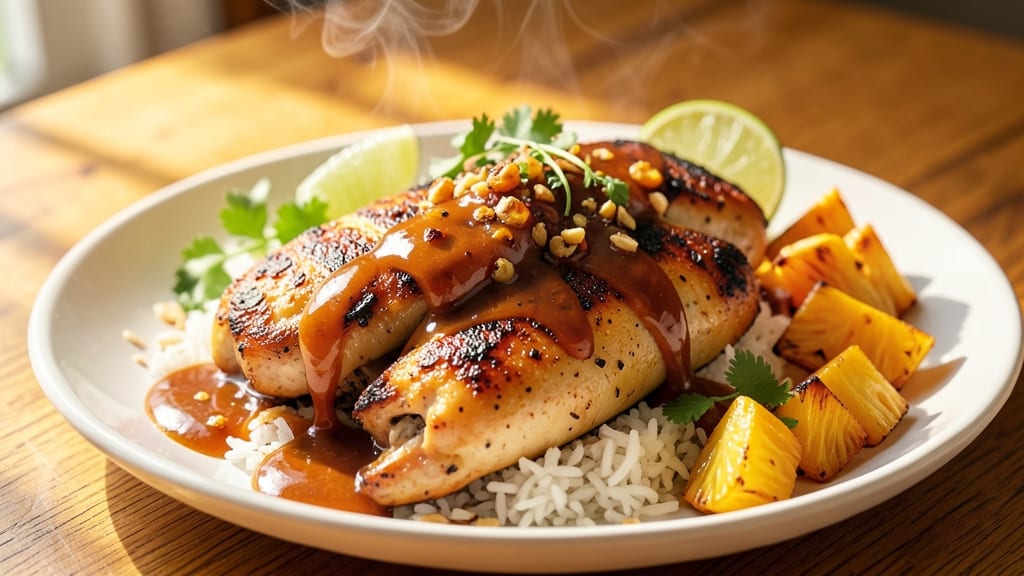
This roasted pineapple and habanero sauce chicken recipe delivers a perfect balance of sweet caramelized edges and fiery heat that transforms ordinary chicken into a restaurant-worthy dish.
The secret lies in marinating the chicken overnight with a blend of pineapple juice and habanero, allowing the flavors to deeply penetrate while tenderizing the meat.
What sets this recipe apart is the dual-roasting technique—first for the chicken, then for the pineapple-habanero sauce—creating a glaze that's both sticky and caramelized without burning the sauce.
The process begins with juicy chicken thighs or breasts marinated in a mixture of pineapple juice, habanero peppers, garlic, and a touch of soy sauce, ensuring the meat stays moist and absorbs the bold flavors.
As the chicken roasts, the marinade reduces into a thick, aromatic glaze that caramelizes beautifully, locking in the sweetness of the pineapple and the subtle kick of the habanero.
The key is balancing the heat—using just enough habanero to add depth without overwhelming the dish, making it versatile for both adventurous eaters and those who prefer a milder spice level.
By the time you finish, you'll have golden, crispy chicken with a glossy glaze that's sweet, tangy, and just spicy enough to linger. The sauce clings to every bite, creating a harmonious blend of textures—tender chicken, caramelized edges, and a sauce that's rich yet light.
This dish is perfect for weeknight dinners or impressing guests, as it delivers bold flavors with minimal effort.
Pair it with rice or roasted vegetables to round out the meal, or serve it over a bed of quinoa for added texture.
The versatility of this recipe makes it a go-to for any occasion, whether you're craving something fiery and sweet or looking to elevate a simple weeknight dinner into something extraordinary.
Ingredients for roasted pineapple and habanero sauce chicken
Sweet, spicy, and sticky—this chicken recipe transforms simple ingredients into a restaurant-quality dish.
| Ingredient | Amount | Notes |
|---|---|---|
| Boneless, Skinless Chicken Thighs 🍗 | 1 ½ lb | Juicy, even-sized pieces preferred |
| Fresh Pineapple Juice 🍍 | 1 cup | From ripe, fresh pineapple |
| Habanero Peppers 🌶️ | 2 whole | Seeds removed for milder heat |
| Garlic Cloves 🧄 | 4 cloves | Minced for marinade |
| Soy Sauce 🍶 | 2 tbsp | Low-sodium preferred |
| Brown Sugar 🍚 | 2 tbsp | Light or dark variety |
| Olive Oil 🫒 | 2 tbsp | Extra-virgin for richness |
| Fresh Lime Juice 🍋 | 1 tbsp | Bright, freshly squeezed |
| Salt 🧂 | 1 tsp | Kosher or sea salt |
| Ground Black Pepper 🌶️ | ½ tsp | Freshly ground preferred |
| Fresh Pineapple Chunks 🍍 | 1 cup | For caramelizing sauce |
| Honey 🍯 | 1 tbsp | For sauce sweetness |
| Fresh Cilantro 🌿 | ¼ cup | Chopped, for garnish |
The chicken thighs are the star—bone-in, skin-on for maximum flavor, but boneless works too if you're in a hurry. Trader Joe's usually has great pre-cut thighs, but if you're buying whole, look for plump pieces with good marbling. The habanero peppers are non-negotiable for that signature heat, but remove seeds and membranes to control spice intensity. Fresh pineapple juice is essential—canned won't give the same bright, sweet punch. If you can't find fresh, Dole brand crushed pineapple drained well is a decent backup, though it'll be less vibrant.
No fresh habanero? Jalapeño or serrano peppers work in a pinch, but you'll need to double the amount for similar heat. The soy sauce adds depth, but coconut aminos or tamari are great gluten-free swaps. Brown sugar caramelizes beautifully, but maple syrup or agave nectar keep it vegan-friendly. For the pineapple chunks, frozen works fine—just thaw and pat dry before roasting. The lime juice should be freshly squeezed; bottled juice lacks that bright acidity that balances the sweetness. If you're sensitive to spice, reduce habanero to 1 pepper and add extra brown sugar to compensate.
Marinate the chicken overnight for maximum flavor, but at least 4 hours works in a pinch. Store leftovers in an airtight container for 3-4 days—the sauce actually gets better as it reduces further. For reheating, low heat is key to prevent the sauce from burning. This dish freezes beautifully too—portion into single servings before freezing for easy meals later. The cilantro garnish is optional but adds a fresh finish; skip it if you're not a fan of the flavor.
Why You'll Love This Recipe
- One-Pan Magic: I swear by this for nights when I’d rather not scrub pots—just toss the chicken thighs, pineapple juice, and minced garlic on a sheet pan, roast, then finish with that habanero-soy glaze. The sauce caramelizes right on the pan, so cleanup is basically wiping my hands on a towel.
- Sweet Heat Balance: That first bite? Juicy, slightly crispy chicken with a sauce that’s just spicy enough to make you reach for seconds. The pineapple juice cuts through the habanero’s kick while the soy adds this deep, savory umami—like a tropical twist on teriyaki, but way more exciting.
- Meal Prep Hero: Between us, this is my go-to for lunchboxes or busy weeknights. The sauce clings to the chicken perfectly, so it reheats like a dream (or eats cold straight from the fridge). Honestly, I’ve packed leftovers for three days in a row without a single complaint.
- Budget-Friendly Fire: Chicken thighs are cheap, pineapple juice is a steal, and a single habanero lasts forever if you freeze the rest. I stretch this recipe to feed four for under $12, and the leftovers? Even better the next day because the flavors meld into this richer, smokier sauce. (Yes, even on a Tuesday night.)
Step-by-step instructions for roasted pineapple-habanero chicken
Here's how to create a perfectly balanced sauce with caramelized edges and tender chicken.
Prepare the Habanero-Pineapple Marinade
In a blender, combine the 1 cup fresh pineapple juice, 2 whole habanero peppers (seeds removed), 4 cloves minced garlic, 2 tbsp soy sauce, 2 tbsp brown sugar, 1 tbsp fresh lime juice, 1 tsp salt, and ½ tsp ground black pepper. Blend until completely smooth, scraping down the sides as needed. This marinade needs to be fully integrated for even flavor distribution.
Taste the mixture and adjust the sweetness or heat to your preference. I like to add a splash of the marinade to a spoonful of water to test the heat level—it should be noticeably spicy but not overwhelming. The acidity from the lime and pineapple will mellow the habanero's intensity as it cooks, so don't be afraid to keep it fiery now.
Marinate and Caramelize the Pineapple
Transfer the marinade to a bowl and add the 1 cup fresh pineapple chunks. Stir gently to coat, then cover and refrigerate for at least 30 minutes (up to 2 hours for deeper flavor). While marinating, preheat your oven to 400°F and line a baking sheet with foil for easy cleanup.
After marinating, spread the pineapple chunks in an even layer on the prepared baking sheet. Roast for 15-20 minutes until the edges are deep golden brown and slightly caramelized. This step develops the sauce's complexity—you'll want to see those edges turning almost translucent with caramelized spots. Remove the pineapple and set aside, leaving the baking sheet for the chicken.
Roast the Chicken in the Pineapple Marinade
Pat the 1.5 lb boneless, skinless chicken thighs dry with paper towels—this ensures maximum browning. Place them in a single layer on the hot baking sheet (use the same sheet you roasted the pineapple on to capture all those flavorful drippings). Pour the reserved marinade (straining out any pineapple pieces if desired) evenly over the chicken.
Roast the chicken for 25-30 minutes, turning once halfway through, until the internal temperature reaches 165°F and the edges are deep golden brown with caramelized spots. The sauce should be reduced and slightly thickened by the end. If the chicken browns too quickly, tent loosely with foil for the last 10 minutes to prevent over-browning while ensuring it cooks through.
Finish with Honey and Garnish
Remove the chicken from the oven and transfer it to a serving platter. Drizzle the 1 tbsp honey evenly over the chicken, then return it to the oven for 2-3 minutes to let the honey caramelize slightly. This final step adds a glossy sheen and balances the sauce's heat with a touch of sweetness.
Garnish immediately with the ¼ cup chopped fresh cilantro and serve the chicken with the reduced pineapple-habanero sauce spooned over the top. The sauce should cling to the chicken, offering a perfect balance of sweet, spicy, and tangy flavors in every bite. For extra drama, serve with a side of cool rice or grilled vegetables to contrast the dish's heat.
Pro Tips For Making Roasted Pineapple And Habanero Sauce Chicken
- Sear the Chicken First: Hit the chicken thighs with a hot pan or grill for 3-4 minutes per side before adding sauce. I learned this the hard way—skipping the sear means the sauce just steams the meat instead of caramelizing into a sticky, flavor-packed crust. The habanero-pineapple sauce needs something to cling to, and raw chicken absorbs liquid like a sponge.
- Blister the Habanero: Char the habanero peppers directly over a gas flame or under a broiler for 30 seconds per side before blending. The smoky depth from the burn cuts through the sweetness of the pineapple and adds a complexity that raw peppers can’t match. Just don’t inhale the fumes—those capsicum oils are no joke.
- Reduce the Pineapple Juice: Simmer the pineapple juice down by half before mixing it with the sauce ingredients. I used to pour it straight in, and the dish ended up watery, drowning the chicken’s texture. A reduced base means the habanero’s heat and garlic’s punch sing instead of whisper.
- Balance the Heat Early: Taste the sauce before adding it to the chicken and adjust with a splash of soy sauce or a pinch of sugar if the habanero’s bite is too sharp. I’ve ruined batches by assuming the chicken would mellow the heat—it won’t. The soy sauce also adds umami depth, so don’t skip it as a fix.
Make-ahead tips for this dish
Marinade Prep Ahead
The marinade can be made up to 2 days in advance and stored in an airtight container in the fridge. I like to double the recipe and freeze half for future use—just thaw overnight in the fridge before using.
The key is keeping the habanero peppers whole and seeds removed until you're ready to blend, as they lose potency when stored. When you're ready to cook, simply blend the prepped ingredients with fresh pineapple juice and lime juice to maintain brightness. 💫
Chicken Prep Timeline
Pat the chicken dry and marinate it for at least 4 hours (overnight is ideal) before roasting. I store the marinated chicken in a sealed container with the marinade, turning it once to ensure even coating.
For make-ahead convenience, I like to prep the chicken the night before and roast it the next day—this ensures maximum flavor absorption without drying out the meat. Keep it refrigerated until you're ready to cook. ✨
Sauce Reduction Shortcut
To save time, caramelize the pineapple chunks ahead of time and store them in the sauce. I roast the pineapple first, then blend it with the marinade and refrigerate the mixture for up to 24 hours.
When you're ready to cook, simply pour the pre-made sauce over the chicken and roast as directed. This method still delivers that perfect balance of sweetness and heat, with minimal last-minute effort. 🔥
Storage After Cooking
Let the chicken cool for 20 minutes before storing to prevent condensation from making the sauce soggy. Store in an airtight container with the sauce spooned over the top.
The chicken and sauce keep well in the fridge for 3-4 days, with the flavors intensifying as the sauce reduces further. For longer storage, freeze individual portions in single-serving containers for easy reheating. 💪
Reheating for Maximum Flavor
Reheat the chicken and sauce in a skillet over medium-low heat for 5-7 minutes, adding 1-2 tablespoons of water or chicken broth to prevent drying. I avoid the microwave because it can make the sauce watery and the chicken rubbery.
For best results, reheat just before serving to maintain that caramelized texture and vibrant flavor. 🌟
Nutrition facts
Frequently asked questions
Can I use chicken breasts instead of thighs?
Yes, but with caution! Chicken breasts cook faster and can dry out if overcooked. Use bone-in, skin-on breasts for better moisture retention, and reduce roasting time to 20-25 minutes (until internal temp reaches 165°F). For extra tenderness, brine the breasts for 30 minutes before marinating.
How do I adjust the heat level?
For milder heat, remove habanero seeds and membranes, or reduce to 1 pepper. For extra spice, add ½ tsp cayenne pepper to the marinade. Always taste the sauce before serving—acidity from lime juice will mellow the heat as it cooks, so don't be afraid to keep it bold!
What's the best way to serve this dish?
This dish shines with cool rice, black beans, or grilled veggies to balance the heat. For a complete meal, add a side salad with lime dressing or warm tortillas. The caramelized sauce pairs perfectly with avocado slices or pickled red onions for extra texture contrast.
Can I make this in a slow cooker?
Skip the roasting and cook on low for 4-5 hours or high for 2-3 hours. Add ¼ cup water or broth to prevent burning. The sauce will be thinner but still flavorful—reduce it on the stovetop afterward if you prefer a thicker glaze.
Why did my sauce turn bitter?
Over-reducing or using old pineapple juice can cause bitterness. To fix it, stir in 1 tsp honey or brown sugar while reheating. For prevention, always use fresh pineapple juice and monitor the sauce closely—it should caramelize, not burn. Remove from heat as soon as it thickens.