
Main Courses
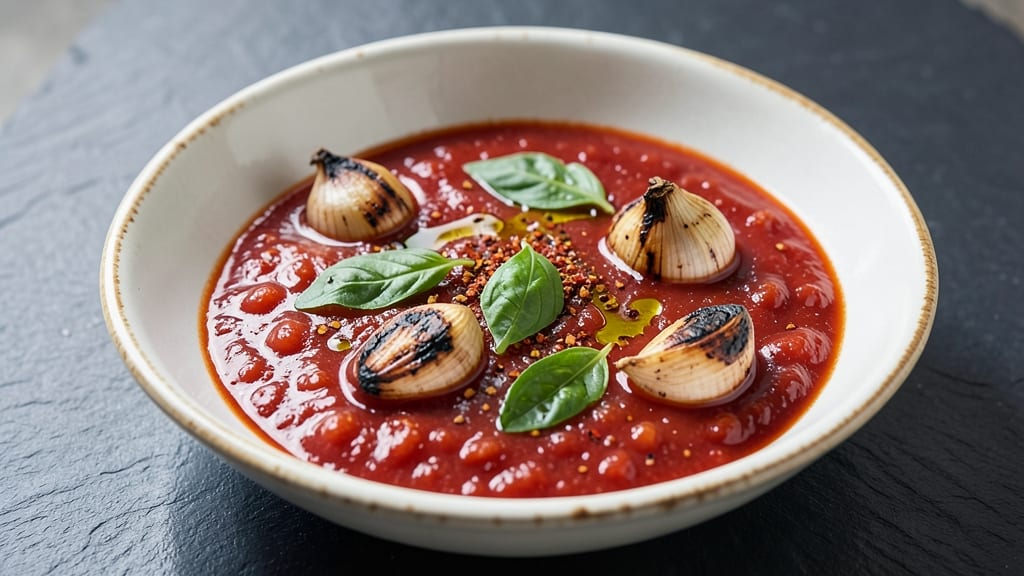
Rao's arrabbiata recipe brings the bold, fiery flavors of Rome to your kitchen with just a few simple ingredients and a cast-iron skillet. 🔥 I first tasted this sauce at Rao's in New York and knew I had to recreate its perfect balance of heat, garlic, and sweet San Marzano tomatoes at home.
The secret lies in slow-cooking the sauce to develop deep, complex flavors while keeping the texture rich and velvety.
This dish transforms basic spaghetti into a restaurant-quality meal with minimal effort. The sauce simmers for about 30 minutes, allowing the garlic and chili to meld into the tomatoes while reducing slightly for concentrated flavor.
Rao's signature touch—using high-quality San Marzano tomatoes and a generous amount of chili flakes—creates that signature heat without overpowering the dish.
By the time you twirl that first forkful, you'll experience perfectly al dente pasta coated in a sauce that's spicy, aromatic, and deeply satisfying. The garlic and chili infuse every bite with warmth, while the tomatoes provide a sweet contrast.
This recipe delivers the kind of bold, comforting meal that feels like a hug in sauce form.
Serve with fresh basil and grated Parmesan for an extra layer of freshness and richness. The sauce also works beautifully with linguine or even as a marinara for chicken or meatballs. Let's get cooking!
Ingredients for rao's arrabbiata
Spaghetti, tomatoes, garlic and chili. That’s Rao’s arrabbiata magic in a skillet.
| Ingredient | Amount | Notes |
|---|---|---|
| San Marzano Tomatoes 🍅 | 28 oz | Canned, crushed or whole |
| Extra-Virgin Olive Oil 🫒 | ½ cup | High-quality for richness |
| Garlic Cloves 🧄 | 6 cloves | Freshly minced, skin removed |
| Red Chili Flakes 🔥 | 1 tbsp | Adjust for heat preference |
| Salt 🧂 | 1 tsp | Kosher or sea salt |
| Fresh Basil Leaves 🌿 | ½ cup | Chopped, for garnish |
| Parmesan Cheese 🧀 | ½ cup | Freshly grated, for serving |
| Spaghetti 🍝 | 12 oz | Or linguine for texture |
| Fresh Rosemary 🌿 | 1 tbsp | Chopped, optional depth |
| Black Pepper 🌶️ | ½ tsp | Freshly ground, to taste |
San Marzano tomatoes are non-negotiable here—they’re the sweet, low-acid gold standard. Look for DOP-certified cans at Whole Foods or Italian specialty stores like Eataly if you want that authentic taste. The garlic should be freshly minced (not pre-minced)—it makes all the difference. For chili flakes, Penzeys or La Boheme have the best balance of heat and aroma. I always keep a jar of each on hand for quick sauces. The olive oil? Extra-virgin, fruity, and expensive—none of that rancid stuff. Trust me on this.
No San Marzano tomatoes? Regular canned tomatoes work but expect less sweetness. Short on fresh basil? Dried oregano at half the amount gives a similar herbal kick. Want more heat but no chili flakes? Crushed red pepper or cayenne at half the amount gets you there. The rosemary is optional but worth the extra minute—it adds that earthy depth Rao’s is known for. And if you’re in a pinch, pre-grated Parmesan from the store works fine, but grate your own if you’ve got time—it melts better.
This sauce tastes even better the next day once flavors meld. Store in an airtight jar in the fridge for 5 days or freeze portions for 3 months. I always make extra because it reheats beautifully—just add a splash of water or pasta water if it thickens up. The pasta? Cook it separately and toss with the sauce to keep it al dente. And don’t skip the fresh basil and Parmesan when serving—it’s the perfect finish to that fiery sauce.
Why You'll Love This Recipe
- No-Fuss Sauce Magic: That golden garlic oil and chili toast? It takes two minutes and turns your pan into the heart of the dish. No peeling cloves or hours of simmering—just toss in the tomatoes and let them do their thing while you prep the pasta.
- Chef’s Kiss Balance: The San Marzano tomatoes bring sweetness, the garlic adds warmth, and that just toasted red chili flakes? They hit like a punch of spice without overpowering. The basil and Parmesan at the end? Pure perfection—bright, creamy, and addictive.
- Crowd-Pleaser Guaranteed: Serve it at a dinner party, pack it for lunch, or freeze half for a lazy night. The sauce keeps its flavor for five days in the fridge or three months frozen—meaning you’ll never waste a batch. Plus, it’s the kind of dish where everyone asks for seconds, even the picky eaters.
- Budget-Friendly Fire: With just 10 simple ingredients—and most of them pantry staples—this recipe costs less than a takeout run but tastes like a restaurant hit. The spaghetti stretches further than fancier pasta, and the leftovers? Even better the next day.
Step-by-step instructions for Rao's arrabbiata recipe
Here's how to build this fiery tomato sauce with bold garlic and chili—simple steps for big flavor.
🍳 Step 1: Sauté Garlic in Olive Oil Until Fragrant
Heat the ½ cup extra-virgin olive oil in a large saucepan over medium heat. Add the 6 cloves minced garlic and cook for 1-2 minutes until the garlic turns golden and releases its aroma—don't let it brown or it'll turn bitter. Here's the thing: the oil should shimmer but not smoke. If it starts smoking, lower the heat immediately.
Next, add the 1 tablespoon red chili flakes and stir for 30 seconds to toast them lightly. This step builds the sauce's foundation—those garlic oils infuse into the oil, creating the rich base for the arrabbiata's signature depth. Keep the pan uncovered so any excess moisture evaporates.
🍳 Step 2: Simmer Tomatoes Until Thick and Velvety
Pour in the 28 oz San Marzano tomatoes (crushed or whole) and add the 1 teaspoon salt and ½ teaspoon black pepper. Stir gently to combine, then bring the mixture to a boil over medium-high heat. Once boiling, reduce heat to low and let it simmer uncovered for 25-30 minutes.
You'll know it's ready when the sauce thickens enough to coat the back of a spoon and the tomatoes break down into a smooth, jammy consistency. Here's where the magic happens: the acidity in the tomatoes softens the garlic and chili, creating that perfect balance of heat and sweetness. Stir occasionally to prevent sticking, but don't over-stir—you want those tomato skins to break down naturally.
If using the 1 tablespoon fresh rosemary (optional), add it now and let it steep for the last 10 minutes of simmering. This adds an earthy depth that complements the heat beautifully.
🥘 Step 3: Cook the Spaghetti Al Dente
While the sauce simmers, bring a large pot of water to a rolling boil and add 12 oz spaghetti. Cook until 1 minute before the package's suggested al dente time—you want it to finish cooking in the sauce. Reserve 1 cup of pasta water before draining, as it helps emulsify the sauce.
I always taste the pasta before draining to ensure it's perfectly al dente. The pasta should have a slight bite to it—this prevents it from becoming mushy when mixed with the sauce. Drain the pasta and immediately add it to the saucepan with the arrabbiata. Toss gently to coat, adding reserved pasta water 1 tablespoon at a time if the sauce is too thick.
🍽️ Step 4: Finish with Fresh Basil and Parmesan
Remove the sauce from heat and stir in the ½ cup chopped fresh basil leaves. The basil adds a bright, fresh contrast to the rich, spicy sauce—this is the moment that matters: add it just before serving so it stays vibrant and fragrant. Let the pasta sit in the sauce for 1-2 minutes off heat to absorb all those amazing flavors.
Divide the pasta among plates and top each serving with ½ cup freshly grated Parmesan cheese. The cheese melts slightly from the residual heat, creating a creamy finish that balances the sauce's acidity and spice. Serve immediately with extra chili flakes on the side for those who want more heat.
Pro Tips For Making Rao'S Arrabbiata
- Toast Chili Flakes First: After burning my first batch of garlic, I realized the chili flakes need that quick 30-second toast in the oil before the tomatoes go in—otherwise, they just sit there like wallpaper. Lightly toasting them brings out their heat and aroma, making the sauce sing instead of just simmering quietly.
- Simmer Uncovered Always: I used to cover the saucepan while simmering, thinking it’d trap moisture. Wrong. The sauce needs to breathe—uncovered simmering reduces it faster and thickens it properly. If you cover it, you’ll end up with a watery, sad version of arrabbiata that clings to the pasta like a sad sweater.
- Reserve That Pasta Water: Skipping this step is a rookie mistake. The starchy pasta water is liquid gold—it emulsifies the sauce when you toss the pasta in, giving it that glossy, clingy texture. Keep that cup ready, because if the sauce gets too thick, you’ll regret not having it.
- Grate Parmesan Fresh: Pre-grated Parmesan is convenient, but it’s also the difference between a dish that’s good and one that’s memorable. Freshly grating it right before serving means you get that perfect, salty, umami punch that melts into the sauce like it’s always been there. Trust me, the effort is worth it.
Regional styles of this dish
New York-Style Boldness
When I first tasted Rao’s arrabbiata in New York, I noticed their version leans into the sauce’s fiery nature with a touch of boldness. They often add a pinch of sugar to balance the acidity, which is subtle but effective.
I’ve replicated this by adding ½ teaspoon sugar with the tomatoes—it’s not traditional, but it makes the heat more approachable. The New York twist also calls for a splash of red wine during the simmering process, which adds depth.
I’ve found that ½ cup dry red wine works perfectly—just add it with the tomatoes and let it reduce naturally.
Southern Italian Simplicity
In Southern Italy, arrabbiata is often made with minimal ingredients, focusing on the natural sweetness of the tomatoes and the simplicity of the garlic-chili base. I’ve noticed that many regional versions skip the rosemary and rely solely on fresh basil for freshness.
The sauce is simmered longer—up to 45 minutes—to develop a deeper, jammy texture. This version is less about heat and more about the tomatoes’ natural sweetness, making it a great option for those who prefer a milder kick.
Boston Market Twist
Back in my triple-decker kitchen, I’ve adapted Rao’s arrabbiata to suit Boston’s love of bold, comforting flavors. I often swap in linguine instead of spaghetti for a heartier bite, and I add a handful of white beans to the sauce for extra protein and creaminess.
It’s inspired by the Italian-American dishes my Nonna used to make—simple but packed with substance. The beans also help stretch the dish further, making it perfect for a crowd.
Neapolitan-Style Richness
In Naples, arrabbiata is sometimes elevated with a touch of anchovy paste or capers to add umami depth. I’ve experimented with this by mixing 1 teaspoon anchovy paste into the garlic oil before adding the tomatoes.
It’s a game-changer—it adds a salty, savory complexity that cuts through the heat beautifully. This version is richer and more sophisticated, perfect for those who love a little extra depth in their sauce.
Quick Weeknight Adaptation
For those short on time, I’ve created a quick version that skips the simmering step and uses a blender or immersion blender to break down the tomatoes faster. After sautéing the garlic and chili, I blend the tomatoes directly in the pan for 2-3 minutes until smooth.
This cuts the cooking time in half while still delivering that signature Rao’s flavor. It’s not as deep in complexity, but it’s a great weeknight solution when you’re craving arrabbiata fast.
Nutrition facts
Frequently asked questions
Why does Rao's arrabbiata need San Marzano tomatoes
?
San Marzano tomatoes are the gold standard for this recipe because they're sweeter, less acidic, and have fewer seeds than regular canned tomatoes. Their natural sweetness balances the garlic and chili flakes perfectly, creating that signature Rao's flavor without overpowering heat. You can substitute regular tomatoes, but you'll notice a difference in depth and complexity.
Can I adjust the heat level in this arrabbiata?
Start by reducing the 1 tablespoon red chili flakes to ½ tablespoon for milder heat. If you want more kick, add ½ teaspoon cayenne pepper at the end. Remember, the sauce will intensify as it simmers, so taste before serving. For extra heat lovers, keep the full amount and add chili flakes on the side.
What's the best pasta shape for this sauce?
Spaghetti is traditional, but linguine or fettuccine work beautifully too—they hold up better to the bold sauce. Avoid thin noodles like angel hair, as they can get lost in the sauce. For extra texture, try pappardelle or rigatoni. The key is choosing a shape that can absorb the sauce without falling apart.
Why do you add pasta water to the sauce?
Reserved pasta water acts as a natural emulsifier, helping the sauce cling to the noodles without becoming too thick. Add it 1 tablespoon at a time while tossing the pasta. This technique ensures every bite is coated in flavorful sauce. It's a simple trick that makes all the difference in restaurant-quality pasta dishes.
Can I make this sauce ahead of time?
Yes! The sauce actually tastes better the next day as flavors meld. Store it in an airtight container in the fridge for up to 5 days. For longer storage, freeze portions for 3 months. When reheating, warm gently on the stove with a splash of water or pasta water to restore its silky texture. Just add fresh basil and Parmesan when serving.