
Main Courses
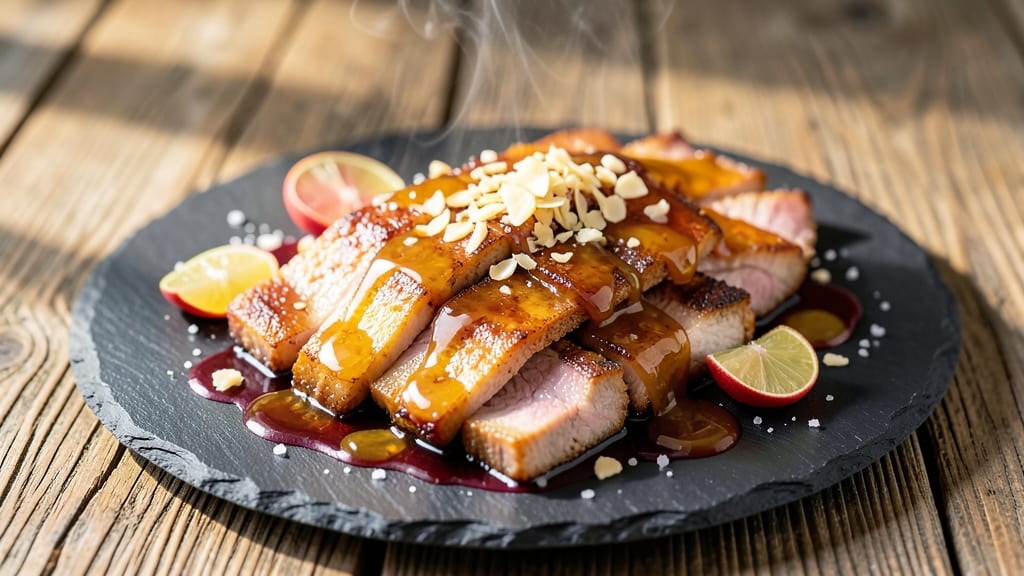
This pork tocino recipe with pineapple juice delivers crispy-caramelized bites that taste like Filipino comfort food at its finest. The secret lies in marinating pork belly in a tangy blend of soy sauce, vinegar, and calamansi before pan-frying until golden—just 20 minutes from start to finish.
I first discovered this technique during a trip to Manila, where street vendors served it with warm rice and pineapple juice for dipping.
The magic happens when the pork develops a glossy, caramelized crust while staying tender inside, thanks to the marinade's acidity breaking down the fat. Traditional Filipino flavors shine through with the right balance of sweet, salty, and tangy notes.
The pineapple juice isn't just a side—it's the perfect refreshing counterpoint to the rich, savory pork, cutting through the richness with every sip.
What makes this recipe special is how it transforms simple ingredients into something restaurant-worthy. The pork slices become irresistibly crispy at the edges while maintaining a melt-in-your-mouth texture, and the pineapple juice adds a bright, tropical finish.
Serve with steamed rice and extra vinegar on the side for true Filipino-style dining.
This dish is perfect for weekend brunches or family meals when you want something hearty yet quick to prepare. The technique is foolproof once you master the timing, and the flavors are so satisfying they'll have everyone asking for seconds. Let's get cooking!
Ingredients for pork tocino recipe pineapple juice
Filipino comfort food essentials—pork belly marinated in tangy, sweet flavors for crispy perfection.
| Ingredient | Amount | Notes |
|---|---|---|
| Pork Belly 🥓 | 1 ½ lb | Thinly sliced, fat cap intact |
| Soy Sauce 🍶 | ½ cup | Kikkoman preferred for balance |
| White Vinegar 🍶 | ¼ cup | Distilled for acidity |
| Calamansi Juice 🍋 | ¼ cup | Substitute lime juice if unavailable |
| Brown Sugar 🍚 | ¼ cup | Packed, not scooped |
| Garlic Cloves 🧄 | 6 cloves | Minced for marinade |
| Black Peppercorns 🌶️ | 1 tsp | Freshly cracked |
| Pineapple Juice 🍍 | 1 cup | Freshly squeezed, no pulp |
| Olive Oil 🫒 | 2 tbsp | Extra-virgin for high heat |
| Salt 🧂 | 1 ½ tsp | Diamond Crystal preferred |
| White Pepper 🌶️ | ½ tsp | For finishing |
| Fresh Cilantro 🌿 | ¼ cup | Chopped for garnish |
The pork belly is non-negotiable for authentic texture—thinly sliced with the fat cap intact ensures that signature crispy-caramelized crust. Filipino markets or specialty Asian grocers carry pre-sliced pork belly, but if you're cutting it yourself, freeze it for 30 minutes first to make slicing easier. For the marinade, calamansi juice is ideal, but lime juice works in a pinch—just add an extra teaspoon of sugar to mimic the tartness. The brown sugar should be packed tightly; lightly tap the measuring cup to remove air bubbles for accuracy. Freshly cracked black peppercorns add depth, so don't skip grinding them yourself if possible.
No calamansi? Lime juice plus a splash of orange juice gets you close, though the flavor won't be identical. Running out of white vinegar? Apple cider vinegar works, but reduce to 2 tablespoons to avoid overpowering the marinade. For the pineapple juice, freshly squeezed is best, but canned works if you strain out the pulp. If you're prepping ahead, marinate the pork for up to 12 hours in the fridge, but no longer—over-marinating can make the meat mushy. The olive oil should be extra-virgin; cheaper oils can burn at high heat and ruin the crispiness.
This dish reheats beautifully—10 minutes at 350°F keeps it crispy. Store leftovers in an airtight container for up to 3 days, but the first day is always best. For serving, keep the pineapple juice warm in a small pot on the stove—just heat gently to preserve its bright flavor. The crispy edges soften when reheated, so plan to serve it fresh if possible. Garnish with chopped cilantro right before eating to keep it vibrant.
Why You'll Love This Recipe
- I’ll be real: this is my go-to for lazy mornings or packed lunches. Serve it with steamed rice and a fried egg, or wrap it in a tortilla for a quick bite. Even my picky teenager grabs seconds when it’s on the table.
- Few Ingredients, Big Payoff: Honestly, I keep this in my back pocket because you’re basically done before you start. Thin slices of pork belly, a splash of pineapple juice, and a quick toss in soy and vinegar—no fancy techniques, just that crispy-sweet magic. The calamansi brightens everything up without extra effort.
- Sweet-Savory Crunch: Between us, the combo of caramelized brown sugar and tangy pineapple juice on those tender slices? Ridiculously good. The vinegar keeps it sharp while the soy adds depth, and that first bite—chef’s kiss—where the pork stays juicy but the edges are golden.
- Breakfast or Lunch Hero: I’ll be real: this is my go-to for lazy mornings or packed lunches. Serve it with steamed rice and a fried egg, or wrap it in a tortilla for a quick bite. Even my picky teenager grabs seconds when it’s on the table.
Step-by-step instructions for pork tocino with pineapple juice
Master the art of crispy-caramelized pork tocino with this precise, flavor-packed method.
Prepare the Pork Belly for Maximum Crispiness
Begin by slicing the 1.5 lb pork belly into ½-inch thick slices, keeping the fat cap intact. The fat renders beautifully during cooking, creating that signature caramelized crust. Arrange the slices on a plate and pat them dry with paper towels—this step is non-negotiable for crispiness. Any moisture left on the surface will steam the pork instead of browning it.
In a small bowl, combine 0.5 cup soy sauce, 0.25 cup white vinegar, 0.25 cup calamansi juice, 0.25 cup packed brown sugar, 6 minced garlic cloves, and 1 tsp freshly cracked black peppercorns. Stir until the sugar dissolves completely. This marinade should be thick enough to cling to the pork but still flow freely when brushed on. Taste it—it should balance sweet, tangy, and umami notes.
Marinate and Rest for Flavor Penetration
Pour the marinade over the pork slices, ensuring every piece is fully coated. Let the pork marinate for at least 30 minutes at room temperature—this allows the flavors to penetrate deeply. For best results, marinate for up to 2 hours in the refrigerator if you have time. The longer it sits, the more tender and flavorful the final product will be.
While marinating, prepare your cooking vessel. Heat a large skillet over medium heat and add 2 tbsp extra-virgin olive oil. Swirl to coat the bottom evenly. The oil should shimmer but not smoke—this ensures a proper sear without burning the delicate marinade. Keep the heat steady; fluctuations will lead to uneven cooking.
Sear the Pork to Golden Perfection
Working in batches to avoid overcrowding, place the marinated pork slices in the skillet. Cook undisturbed for 2-3 minutes per side until the edges turn deep golden brown and the fat begins to render. Press down gently on the slices during the first minute—this prevents curling and ensures even contact with the pan. You’ll smell the sweet, caramelized aroma building; this is your cue that the Maillard reaction is working its magic.
Once the first batch is seared, transfer the pork to a plate and repeat with the remaining slices. The skillet should retain enough heat to sear the next batch without needing to re-add oil. If the oil looks insufficient, add 1 teaspoon more olive oil between batches to maintain the searing temperature.
Braise in Pineapple Juice for Tenderness
Reduce the heat to low and pour in 1 cup freshly squeezed pineapple juice. The juice should sizzle gently as it hits the hot skillet, releasing a bright, tropical aroma. Add the seared pork back into the skillet and spoon the juice over the slices. Cover and simmer for 5-7 minutes, allowing the pork to absorb the liquid and become fork-tender. The juice should reduce slightly, creating a glossy, sticky glaze that clings to the pork.
Taste the sauce—it should be sweet, tangy, and slightly salty. If it needs balancing, add a pinch of 1.5 tsp salt or a splash of white vinegar to cut through the sweetness. The pork is ready when it pulls apart easily with a fork and the edges are crispy-caramelized with a deep mahogany hue.
Finish and Garnish for Presentation
Transfer the pork to a serving platter and sprinkle with 0.5 tsp white pepper and 0.25 cup chopped fresh cilantro. The white pepper adds a subtle heat that complements the sweetness, while the cilantro brightens the dish with a fresh finish. Serve immediately while the pork is still crispy and the sauce is warm. The contrast of textures—crispy edges, tender meat, and glossy sauce—is what makes this dish exceptional.
For optimal results, serve the tocino with steamed jasmine rice or crispy garlic fried rice to soak up every last bit of that caramelized sauce. The pineapple juice braise elevates the dish beyond traditional tocino, adding a tropical twist that pairs beautifully with the rich, savory pork.
Pro Tips For Making Pork Tocino Recipe Pineapple Juice
- CUT BELLY IN STRIPS—NOT SLICES: Thin, even strips (about ¼-inch thick) cook faster and soak up the pineapple marinade better. I used to hack at it with a knife, but a sharp cleaver or meat slicer gives you consistent thickness—no chewy surprises in the middle.
- MARINATE OVERNIGHT—DON’T RUSH: The vinegar and calamansi need time to tenderize the pork belly. Toss the strips in a mix of soy sauce, vinegar, and half the pineapple juice, then let it sit in the fridge for at least 8 hours. I learned this the hard way—rushing means tough, flavorless tocino.
- SIMMER LOW AND SLOW: After browning the pork, keep the heat at a gentle simmer (not a rolling boil) with the pineapple juice and sugar. Too much heat turns the sauce into syrup, and the pork dries out. I now use the back burner—it’s the only way to get that fall-off-the-bone texture.
- USE LESS SUGAR—BALANCE MATTERS: Brown sugar caramelizes quickly, so start with half the recipe’s amount and adjust to taste. Too much sugar masks the tangy calamansi and vinegar. I now add it gradually while tasting—sounds tedious, but it makes a real difference in the final flavor.
Troubleshooting great pork tocino recipe pineapple juice
Pork Too Dry?
If your tocino ends up dry, you likely overcooked it or didn't marinate long enough. The marinade's acidity (vinegar + calamansi) tenderizes the meat, so never skip this step.
For extra moisture, add 1-2 tbsp pineapple juice when searing and cover the skillet for the last 2 minutes of cooking. Trust me, I've learned this the hard way—dry tocino is a heartbreaker! 🔥
Fat Not Rendering?
The fat cap is what creates that signature crispy crust, so if it's not browning properly, your heat might be too low. Use a cast iron skillet (I love my Lodge brand) and heat it over medium-high heat until smoking hot before adding the pork.
If the fat still won't render, pat the slices even drier with paper towels before searing.
Sauce Too Thin?
If your pineapple juice braise is too watery, reduce the heat to low and let it simmer uncovered for 3-5 extra minutes to thicken. For a thicker glaze, add 1 tsp cornstarch mixed with 1 tbsp water to the skillet and stir until it reaches a syrupy consistency.
This trick works wonders for clinging to the pork slices.
Uneven Cooking?
Overcrowding the skillet is the #1 culprit for unevenly cooked tocino. Work in single-layer batches—don't stack the pork slices. If you're short on time, use a nonstick skillet (like GreenPan) to prevent sticking, but cast iron still gives the best results.
Keep the heat steady at medium-high and resist the urge to flip too soon!
Pineapple Juice Too Sweet?
Fresh pineapple juice can be overwhelmingly sweet when paired with the savory pork. Balance it by adding 1 tsp white vinegar or a pinch of salt to the braising liquid.
If using canned juice, choose unsweetened varieties and dilute with 1 tbsp water per cup. The goal is a bright, tangy contrast—not a dessert! 🍍
Pork Sticking Together?
When the pork slices stick together after cooking, it's usually because the marinade wasn't fully absorbed or the pork was too thick. For next time, slice the pork ¼-inch thick instead of ½-inch, and marinate for the full 2 hours.
If it happens anyway, gently separate the slices with a fork while still warm—they'll come apart more easily. Pro tip: Use two paper towels to handle the slices when plating to avoid sticking.
Nutrition facts
Frequently asked questions
Can I substitute regular vinegar for white vinegar in the marinade?
Yes, but use apple cider vinegar instead of white vinegar for a milder flavor. Reduce the amount to 2 tablespoons since it's less acidic. White vinegar gives the classic tangy kick, but apple cider adds subtle sweetness that pairs beautifully with the pineapple juice.
What's the best way to store leftover tocino?
Store cooked tocino in an airtight container in the fridge for up to 3 days. Reheat in a skillet over medium heat for 5-7 minutes with a splash of pineapple juice to restore crispiness. For longer storage, freeze for up to 1 month—thaw overnight in the fridge before reheating.
How do I make this recipe vegetarian?
Swap the pork belly for extra-firm tofu or tempeh, sliced into similar thickness. Marinate the plant-based protein in the same sauce for at least 1 hour (tofu absorbs flavors faster). Press the tofu first to remove excess water, then pan-fry until golden. The pineapple juice braise will still work beautifully!
Can I use canned pineapple juice instead of fresh?
Yes, but choose unsweetened canned pineapple juice and strain out any pulp. For extra tang, add 1 teaspoon white vinegar to the braising liquid. Fresh juice gives the brightest flavor, but canned works in a pinch—just avoid sweetened varieties.
What's the secret to getting that signature crispy crust?
The magic happens with three key steps:
- Pat the pork slices bone-dry before marinating,
- Use a hot skillet (medium-high heat), and
- Don't move the pork for the first 2 minutes of cooking. The fat cap needs time to render properly for that perfect caramelized crust.